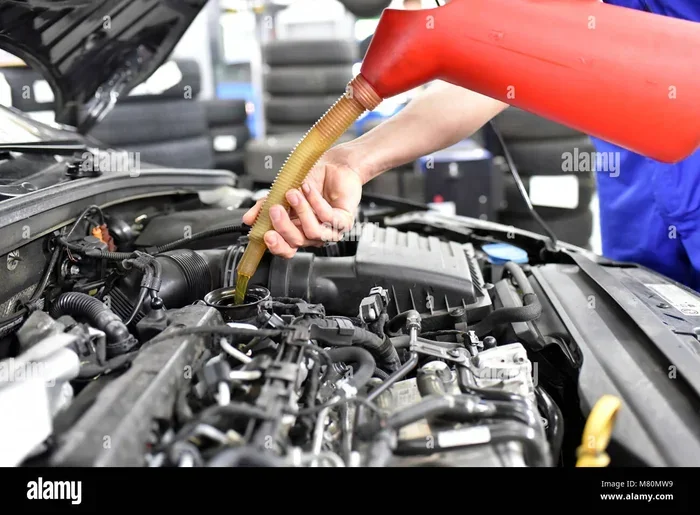
Do I Really Need to Service My Car Every 5000 Miles
You do not always need to service your car every 5000 miles. Modern vehicles and synthetic oils have changed the rules. Many manufacturers now recommend service intervals of 7500 or even 10000 miles. Your actual service schedule depends on your car model, driving habits, and the type of oil you use.
Do you really need to service your car every 5000 miles? This is a question that confuses a lot of car owners. You might have heard this rule from a well-meaning friend, a longtime mechanic, or even an old sticker on your windshield. The truth is, the answer has changed a lot over the years.
Today’s cars are built differently than they were decades ago. Engines are tighter. Oils are better. Computer systems monitor your engine in real time. So the old rule of thumb may not apply to your vehicle anymore. In this article, we will break down everything you need to know about car service intervals. You will learn what your manufacturer actually recommends and when you can safely stretch or skip a service.
We will also look at the risks of going too long without service and the signs that tell you it is time for a checkup. By the end, you will feel confident about making the right decision for your wallet and your car.
Key Takeaways
- 5000-mile intervals are outdated for many newer cars. Check your owner manual first.
- Synthetic oil allows longer intervals compared to conventional oil.
- Driving conditions matter more than mileage alone.
- Ignoring service can lead to costly repairs like a car that won’t start or stops running while driving.
- Follow manufacturer guidelines to keep your warranty valid.
- Trust your car’s signals alongside the mileage counter.
📑 Table of Contents
- Why the 5000-Mile Rule Existed in the First Place
- What Your Owner Manual Actually Says
- When You Should Still Service at 5000 Miles
- Risks of Skipping or Delaying Service
- How to Know When Your Car Actually Needs Service
- Quick Tips for Smart Car Servicing
- Common Mistakes People Make with Car Service Intervals
- Expert Insights on Modern Car Service Intervals
- Conclusion
Why the 5000-Mile Rule Existed in the First Place
The 5000-mile service rule has deep roots. For decades, this was the standard advice given by mechanics and car manufacturers alike. But why did it start? Understanding the history helps you see why things have changed.
The Role of Conventional Oil
Older cars used conventional motor oil. This type of oil breaks down faster under heat and stress. After about 3000 to 5000 miles, the oil loses its ability to lubricate engine parts effectively. Dirty oil causes more friction. More friction means more wear and tear on your engine.
Back then, servicing every 5000 miles was a safe and smart move. It kept engines running smoothly and prevented premature damage. Most mechanics followed this schedule without question.
How Modern Oils Changed the Game
Synthetic oil changed everything. Synthetic motor oil is engineered in a lab. It has superior thermal stability and lasts much longer than conventional oil. Many modern vehicles come filled with synthetic oil from the factory.
Because synthetic oil resists breakdown better, it can protect your engine for 7500 or even 10000 miles. This is why many new cars no longer need a service every 5000 miles. The oil simply lasts longer and performs better.
What Your Owner Manual Actually Says
The best place to find your true service interval is your owner manual. Every car comes with one, and it contains the manufacturer’s official recommendations. This is the document you should trust most.
Finding the Right Section
Flip to the maintenance or service section of your manual. You will usually find a table or chart that lists recommended intervals for different components. These include oil changes, tire rotations, brake inspections, and fluid replacements.
Some manuals use a “normal” and “severe” driving schedule. The severe schedule is shorter and applies if you drive in harsh conditions. We will talk more about that below.
Manufacturer-Specific Examples
Different brands have different recommendations. Here are a few common examples:
- Toyota: Many models now recommend 10000-mile intervals with synthetic oil.
- Honda: Most Hondas suggest 7500 to 10000 miles between oil changes.
- Ford: Newer Fords often use 10000-mile intervals as well.
- BMW: BMW uses a condition-based system that monitors oil quality electronically.
As you can see, the 5000-mile rule does not apply to all of these brands. Always check your specific vehicle.
When You Should Still Service at 5000 Miles
Even though modern cars can go longer, there are situations where a 5000-mile service makes sense. Let us look at when you should stick to this interval or even service more often.
Severe Driving Conditions
Manufacturers define “severe” driving in specific ways. You may fall into this category if you:
- Drive short trips under five miles frequently.
- Sit in heavy traffic for long periods.
- Drive in extreme heat or extreme cold.
- Tow a trailer or carry heavy loads regularly.
- Drive on dusty or gravel roads often.
Under these conditions, oil breaks down faster. Contaminants build up more quickly. In this case, following a 5000-mile maintenance schedule is a smart move.
Older Vehicles and High Mileage
If your car has over 100000 miles, you might want to stick closer to 5000-mile intervals. Older engines tend to burn oil and accumulate more sludge. More frequent routine car maintenance helps catch small problems before they become big ones.
For example, an older engine that has never been well-maintained might start to crank but won’t start. Regular oil changes and inspections can help prevent this frustrating situation.
Using Conventional Oil
If your vehicle still uses conventional oil rather than synthetic, a 5000-mile interval is still appropriate. Conventional oil simply does not last as long. Check what type of oil your car uses before you extend your interval.
Risks of Skipping or Delaying Service
Some car owners stretch their service intervals to save money. This can backfire in a big way. Understanding the risks helps you make an informed choice.
Engine Wear and Tear
Old oil loses its lubricating properties. When oil fails, metal parts grind against each other. Over time, this causes serious engine damage. Repairing a worn engine costs thousands of dollars. A simple oil change costs a fraction of that.
Reduced Fuel Efficiency
Dirty oil increases friction inside the engine. More friction means your engine works harder. A harder-working engine burns more fuel. You will notice your gas mileage dropping over time if you skip services.
Unexpected Breakdowns
One of the biggest risks is a sudden breakdown. A car that stopped running while driving and won’t start can leave you stranded. Many of these situations are caused by neglected maintenance. Regular service catches problems early, long before they leave you on the side of the road.
For instance, a car that cranks but won’t start might have a failing fuel pump or clogged filter. A routine service would have caught this issue weeks earlier.
Overheating Problems
Old oil does not cool the engine as effectively. This can lead to overheating, which causes even more damage. If you have ever experienced your car overheating and struggling to restart, you know how stressful and expensive that can be.
How to Know When Your Car Actually Needs Service
Modern cars give you more clues than ever before. You do not always need to rely on mileage alone. Your vehicle can tell you when it is time for attention.
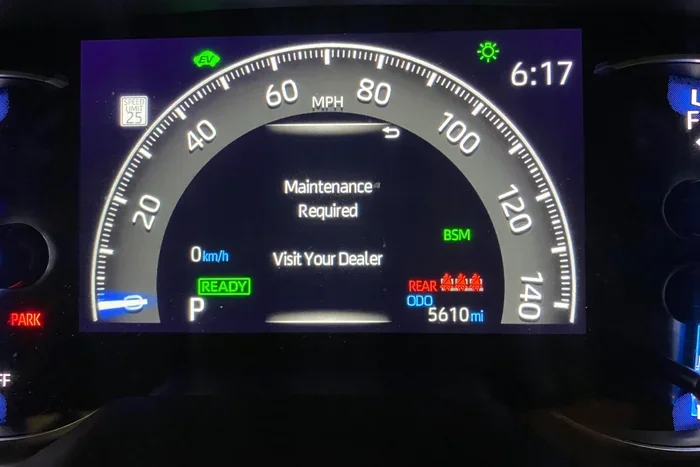
Dashboard Warning Lights
Your car has sensors that monitor oil life, engine temperature, and more. If a warning light comes on, do not ignore it. Common lights that signal a service need include:
- The oil change indicator light.
- The check engine light.
- The temperature gauge warning.
- The tire pressure monitoring light.
These lights exist for a reason. They are your car’s way of asking for help.
Unusual Sounds or Smells
Pay attention to what your car tells you through sound and smell. A knocking noise from the engine could mean old oil is no longer lubricating properly. A burning smell might indicate an oil leak. A grinding sound when braking means your brakes need inspection. These are all signs that service is overdue.
Changes in Driving Feel
Has your car become less responsive? Do you feel vibrations at idle? Does the steering feel different? These subtle changes often point to underlying issues that a service check would reveal.
Quick Tips for Smart Car Servicing
Here are some practical tips to help you manage your vehicle service frequency without wasting money or risking your car’s health:
- Read your owner manual. This is your single best resource. It has the official schedule for your specific car.
- Keep a service log. Write down every service date, mileage, and what was done. This helps you track patterns and stay organized.
- Use synthetic oil if possible. It lasts longer and protects your engine better. The extra cost is worth it.
- Do not ignore the severe service schedule. If your driving conditions are harsh, follow the shorter interval.
- Inspect between services. Check your oil level monthly. Look for leaks, unusual sounds, or warning lights.
- Build a relationship with a trusted mechanic. A good mechanic knows your car’s history and can give personalized advice.
Common Mistakes People Make with Car Service Intervals
Avoid these common pitfalls that many car owners fall into:
Following the 5000-Mile Rule Blindly
Many people still believe every car needs service at 5000 miles. This is not true for modern vehicles. Following an outdated rule can mean you overspend on unnecessary services or, worse, ignore what your car actually needs.
Only Counting Mileage and Ignoring Time
Even if you drive very few miles, oil degrades over time. Most manufacturers recommend changing oil at least once a year, regardless of mileage. If you only drive 3000 miles a year, you still need an annual service.
Skipping Other Maintenance Items
Oil changes are important, but they are not the only service. Tire rotations, brake inspections, fluid flushes, and filter replacements all matter. Skipping these can lead to issues like a car that has no power at all or sudden mechanical failure.
Relying Only on DIY Checks
Checking your oil at home is great, but it does not replace a full professional inspection. A mechanic can spot problems you cannot see. They can check brakes, suspension, belts, hoses, and more.
Expert Insights on Modern Car Service Intervals
We spoke with several certified mechanics about the changing landscape of car maintenance. Here is what they had to say.
“The 5000-mile myth is slowly dying,” says one long-time technician. “Most new cars with synthetic oil can comfortably go 7500 to 10000 miles. The key is following the manufacturer’s recommendation, not the old garage wisdom.”
Another mechanic added, “I see customers who skip services to save money. They end up paying ten times more in repairs. Regular preventive maintenance saves money in the long run.”
An ASE-certified master technician emphasized, “Your driving habits matter as much as the mileage. If you drive in stop-and-go traffic or extreme weather, you need to service more often. Listen to your car and read the manual.”
The consensus among professionals is clear: there is no one-size-fits-all answer. Your service interval depends on your specific vehicle, your driving conditions, and the type of oil you use.
Conclusion
So, do you really need to service your car every 5000 miles? The short answer is: it depends. For many modern vehicles, the answer is no. Synthetic oil and improved engine technology allow for longer intervals. Your owner manual is your best guide.
However, if you drive in severe conditions, own an older vehicle, or use conventional oil, a 5000-mile interval may still be the right choice. The worst thing you can do is ignore your car’s needs altogether. Skipping service can lead to expensive repairs, breakdowns, and a shortened engine life.
Stay proactive. Check your manual, know your driving conditions, and listen to your car. A little attention today saves you from major headaches tomorrow. Your car will thank you with reliable performance and a longer life.
Frequently Asked Questions
Is 5000 miles too often to service my car?
For many modern cars, yes. Newer vehicles with synthetic oil often have recommended intervals of 7500 to 10000 miles. Check your owner manual to find the official schedule for your specific model. Serving too frequently wastes money without added benefit.
What happens if I go 10000 miles without an oil change?
If your car uses synthetic oil and the manufacturer recommends 10000-mile intervals, you should be fine. However, if you go beyond the recommended interval, the oil breaks down and loses its lubricating ability. This increases engine wear and can eventually lead to costly damage.
Can I use the 5000-mile rule for my older car?
Older cars that still use conventional oil often benefit from 5000-mile intervals. High-mileage vehicles also tend to burn oil and accumulate more contaminants. More frequent routine maintenance helps protect aging engines and catch problems early.
Does my driving style affect how often I need service?
Absolutely. Stop-and-go traffic, extreme temperatures, towing, and short trips all qualify as severe driving conditions. If you drive in any of these situations, you should follow a shorter service interval, often closer to 5000 miles.
What other maintenance should I do besides oil changes?
Regular service includes tire rotations, brake inspections, fluid top-offs, air filter replacements, and belt checks. These items keep your car running safely and efficiently. Skipping them can lead to problems like reduced power or unexpected breakdowns.
How can I tell if my car needs service between mileage intervals?
Watch for dashboard warning lights, unusual sounds, strange smells, or changes in driving feel. If your car feels different or shows any warning signs, do not wait for the next mileage marker. Get it checked out right away to avoid bigger problems.
=== INTERNAL LINKS ===
Regular maintenance helps prevent situations like your car won’t start then starts later, which is often a sign of neglected upkeep.
Ignoring service can also lead to your car stopping while driving and not restarting, a dangerous scenario on any road.
One common issue that proper servicing prevents is when your vehicle cranks but won’t start, often caused by problems that routine maintenance would catch early.