What Is the Difference Between a Roof Rack and a Roof Rail
A roof rack sits on top of your car with crossbars and supports for gear, while a roof rail is a factory-installed track that runs along the roof line. The main difference lies in how they mount and what they carry. Roof racks work on any vehicle, but roof rails only fit cars with raised or flush rails already built in.
Key Takeaways
- Roof racks are universal: They attach directly to the roof and work on almost any car or SUV.
- Roof rails are vehicle-specific: They rely on factory tracks or raised edges along the roof line.
- Installation differs greatly: Roof racks need drilling or clamp-on systems, while roof rails bolt into existing points.
- Weight limits vary: Factory roof rails often handle more weight than universal roof rack setups.
- Aesthetics matter: Roof rails blend into the vehicle design, while roof racks are more visible and bulky.
- Cost varies: Roof rails use existing mounts, saving money, while roof racks require a full new system.
- Choose based on your vehicle type: Check if your car has factory rails before buying a rack.
📑 Table of Contents
What Is a Roof Rack?
A roof rack is a set of bars and supports that sits on top of your vehicle. It lets you carry things like bikes, kayaks, cargo boxes, and luggage above the cabin. You see roof racks on everything from sedans to trucks.
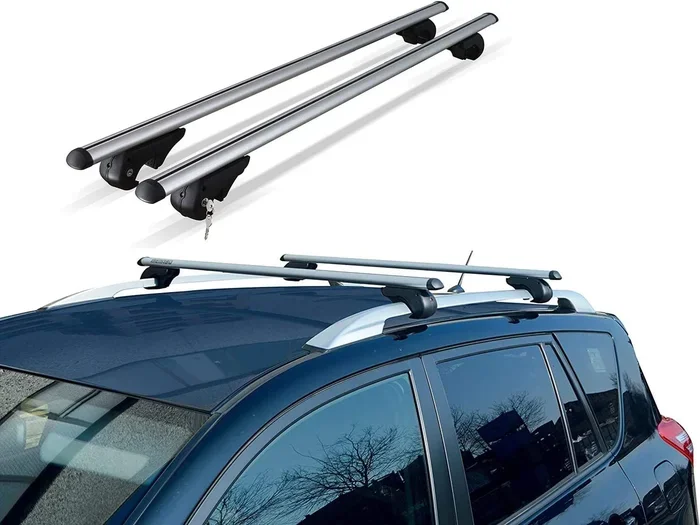
The basic setup includes two long bars that run across the roof. These bars connect to towers or feet that clamp onto the doors or attach to the roof itself. Some systems use friction-based clamps. Others need bolts or straps to stay put.
Roof rack systems are universal. That means they fit most vehicles, even if the car has no factory tracks. This makes them a popular choice for people who want roof cargo carrier options without worrying about compatibility.
How Does a Roof Rack Work?
Most roof racks use a base system. You attach the base feet to the roof using one of three methods:
- Clamp-on feet: These grip the door frame or roof edge tightly. No drilling needed.
- Fixed-point mounts: These bolt into pre-drilled holes on the roof.
- Flush-mount feet: These sit flat on the roof and use straps or adhesive pads.
Once the base is secure, you slide the crossbars across the top. Then you add accessories like roof baskets, cargo boxes, or bike carriers. The whole setup creates a raised platform for gear.
Who Needs a Roof Rack?
Anyone who carries bulky items on top of their car benefits from a roof rack. Families going on road trips love them. So do outdoor enthusiasts who haul kayaks, bikes, or skis. Roof rack for SUV setups are especially common because SUVs have taller roofs and more interior space for passengers.
Even if you drive a small sedan, a roof rack for sedan can give you extra hauling power. The key is picking the right roof rack base for your car model.
What Is a Roof Rail?
A roof rail is a raised track or strip that runs along the side of the roof. Unlike a roof rack, a roof rail is often built into the vehicle by the manufacturer. It is part of the car’s original design, not an add-on.
Factory roof rails come in two styles. Raised roof rails stick up above the roof surface. Flush roof rails sit level with the roof and are less visible. Both styles provide a track system for mounting accessories.
How Do Roof Rails Work?
Roof rails work as a mounting track. You slide roof rails accessories — like crossbars, cargo baskets, or side rails — directly onto the track. The accessories lock into place using the rail’s built-in slots or clips.
Because the rails are already part of the car, you do not need a separate base system. This makes the setup cleaner and often lighter than a full roof rack system. The roof rail compatibility depends entirely on your vehicle model.
Types of Factory Roof Rails
Not all roof rails are the same. Here are the two main types you will find:
- Raised rails: These stand taller than the roof surface. They look like a raised edge running along both sides of the roof. They are easy to spot and very sturdy.
- Flush rails: These sit flat with the roof. They are sleek and low-profile. Many modern cars use flush rails for a cleaner look.
Both types serve the same purpose. They give you a secure track to mount roof rack crossbars and other accessories. The choice between them often comes down to the vehicle’s design and your personal style.
Key Differences Between Roof Racks and Roof Rails
Understanding the difference between roof rack and roof rail is important before you buy anything. These two systems look similar but work very differently. Let us break it down.
Mounting and Installation
A roof rack is a standalone system. You install it on top of the car using clamps, bolts, or straps. It does not depend on any factory features. A roof rail, on the other hand, relies on existing tracks or raised edges already on the car.
This means roof rails are only useful if your car has them. Roof racks work on any vehicle, regardless of whether it has factory rails or not.
Compatibility
Roof rack compatibility is broad. One system can fit many different car models. Roof rail compatibility is narrow. You must match the rail type to your specific vehicle.
If you buy a universal roof rack, you can use it on your current car and your next car. If you buy accessories for factory roof rails, they will only work on that specific model or year.
Aesthetics and Design
Roof rails blend into the car’s design. They look like they were always supposed to be there. Roof racks are more visible. They sit above the roofline and add bulk to the vehicle’s profile.
Some people love the rugged look of a roof rack. Others prefer the clean, streamlined appearance of factory roof rails. It really comes down to personal taste.
Weight Capacity
Factory roof rails are built into the car’s frame. They often handle more weight than a universal roof rack. A typical roof rack weight limit for a universal system ranges from 100 to 165 pounds. Factory roof rails can sometimes handle 200 pounds or more.
Always check your vehicle’s manual. The roof load capacity includes the weight of the rack or rail system plus whatever you place on top.
Cost Comparison
Here is a quick look at how the two systems compare in price and value:
| Feature | Roof Rack | Roof Rail |
|---|---|---|
| Base Cost | $150 – $500 | $0 (factory-installed) |
| Aftermarket Rail Cost | N/A | $200 – $600 |
| Crossbar Cost (pair) | $50 – $200 | $50 – $200 |
| Installation Difficulty | Moderate | Easy (if factory) |
| Universal Fit | Yes | No |
| Max Weight Capacity | 100 – 165 lbs | 150 – 220 lbs |
| Aesthetic Impact | Bulky, visible | Sleek, integrated |
| Best For | Any vehicle, DIYers | Factory-equipped cars |
As you can see, factory roof rails save money upfront because they come with the car. But if your car does not have them, adding aftermarket rails can get expensive. A universal roof rack system often costs less and works on more vehicles.
Which System Should You Choose?
Choosing between a roof rack and roof rails depends on your car and your needs. Here is a simple way to decide.
Choose a Roof Rack If…
- Your car does not have factory roof rails.
- You want a system that works on multiple vehicles.
- You need a high roof load capacity for heavy gear.
- You prefer a one-size-fits-all solution.
- You do not mind a more visible setup on your car.
Choose Roof Rails If…
- Your car already has factory rails installed.
- You want a clean, integrated look.
- You prefer easier and faster accessory changes.
- You want a lighter setup with fewer parts.
- You plan to keep the car long-term and use rails regularly.
Can You Use Both Together?
Yes, in many cases. If your car has raised roof rails, you can place crossbars directly on the rails. This gives you a roof rack and rail combination that is both strong and stylish. The rails act as the base, and the crossbars sit on top.
Some people also add a roof rack base on top of factory rails for extra height. This works well when you need more clearance for tall cargo like cargo boxes or roof-mounted tents.
Installation Tips for Roof Racks and Roof Rails
Installing either system takes some effort, but it is doable for most people. Here are tips to make the process smoother.
Roof Rack Installation Tips
- Read the manual first. Every roof rack installation is different. Know your steps before you start.
- Clean the roof surface. Dirt and debris can affect clamp grip and cause rattling on the road.
- Tighten all bolts firmly. Loose fittings lead to wobbling. Use a torque wrench if the manual calls for it.
- Check crossbar spacing. Proper crossbar spacing ensures even weight distribution and prevents damage to your cargo.
- Test before driving far. Take a short drive and check for any movement or noise.
Roof Rail Installation Tips
- Verify rail type first. Know if you have raised or flush rails before buying accessories.
- Use the correct adapters. Many crossbar brands offer specific adapters for different rail profiles.
- Do not overtighten. Factory rail clips can crack if you force them too hard.
- Check the lock system. Most rail systems use a locking mechanism. Make sure it engages fully.
Common Mistakes People Make with Roof Racks and Rails
Avoid these common mistakes to keep your gear safe and your car in good shape.
Overloading the Roof
The biggest mistake is exceeding the roof load capacity. Every vehicle has a limit. Going over it can damage the roof, compromise handling, and create a serious safety risk on the road.
Ignoring Wind Resistance
A roof cargo carrier or bike rack adds significant wind drag. This reduces fuel efficiency. At highway speeds, the effect is noticeable. Remove your roof gear when you are not using it to save gas.
Using the Wrong Adapter
Not all crossbars fit all rails or rack feet. Using the wrong adapter can lead to a loose fit. Always double-check compatibility before you buy.
Skipping Regular Maintenance
Roof racks and rails get exposed to rain, sun, and road debris. Over time, clamps loosen and coatings wear. Inspect your system regularly. Tighten bolts, replace worn parts, and keep everything clean.
Expert Insights on Roof Racks vs Roof Rails
Automotive experts agree that the right choice depends on your lifestyle and vehicle. According to gear reviewers at major outdoor outlets, roof rack systems offer more flexibility for people who drive multiple cars or rent vehicles frequently.
On the other hand, factory roof rails are praised for their clean integration and often higher weight ratings. Car enthusiasts who keep their vehicles stock prefer rails because they preserve the original look and resale value.
One expert from a well-known automotive publication noted that raised roof rails provide the best balance of strength and ease of use. They offer a secure track for accessories without the bulk of a full rack system.
Another tip from seasoned road trippers: always invest in a good lock system. Whether you use a roof rack or roof rails, a quality lock prevents theft of your crossbars and cargo. It is a small cost that saves a lot of headache.
Key Takeaways
- Roof racks are universal mounting systems: They work on almost any vehicle with crossbars and a base.
- Roof rails are factory tracks: They are built into the vehicle and provide a sleek mounting point.
- Installation methods differ: Roof racks require clamps or bolts. Roof rails use existing factory points.
- Weight capacity varies: Factory rails often handle more than universal racks.
- Aesthetics play a role: Rails blend in; racks are more visible and rugged.
- Cost and compatibility matter: Choose based on your vehicle type and how often you use roof cargo.
Conclusion
The difference between a roof rack and a roof rail comes down to how they mount and what they carry. A roof rack is a universal system that works on any car. A roof rail is a factory track that only works on vehicles built with one.
Both systems serve the same goal: giving you more cargo space for your adventures. The right choice depends on your vehicle, your budget, and how often you haul gear on top of your car.
Before you buy anything, check your car for factory rails. If your vehicle has them, roof rail accessories may be all you need. If not, a quality roof rack system will get the job done just as well.
Take your time, compare options, and pick the system that fits your life best. The right setup makes every road trip easier and every adventure more fun.
Frequently Asked Questions
Can I put a roof rack on a car with factory roof rails?
Yes, you can. Most roof rack crossbars are designed to work with factory roof rails. You simply place the crossbars onto the rail track and lock them in. This combination gives you a sturdy and versatile setup for carrying cargo, bikes, or roof boxes.
Do roof rails affect fuel economy?
Yes, they can. Even factory roof rails add some wind resistance. When you add crossbars and cargo on top, the effect increases. Removing the rails and crossbars when not in use helps maintain better fuel efficiency on long drives.
Are roof racks easy to remove?
Many roof rack systems are designed for easy removal. Clamp-on systems let you take the entire rack off in minutes. Some systems even allow you to remove just the crossbars while keeping the base feet in place for quick access.
What is the average weight limit for a roof rack?
Most universal roof racks handle between 100 and 165 pounds. However, the exact roof rack weight limit depends on your vehicle model, the rack brand, and how it is installed. Always check the manufacturer’s guidelines before loading heavy gear.
Can I install a roof rack myself?
Absolutely. Most roof rack installation jobs are DIY-friendly. The process usually takes 30 to 60 minutes with basic tools. Just follow the instructions carefully and make sure everything is tight before driving.
Do I need special adapters for flush roof rails?
Yes, flush roof rails often require specific adapters. These adapters bridge the gap between the flat rail and the crossbar. Most major roof rack brands sell rail-specific adapters, so check compatibility before purchasing.