How Do You Know When to Change Your Car Battery Now
Knowing when to change your car battery can save you from unexpected breakdowns and costly tow bills. This guide covers the top warning signs, simple at-home tests, and practical tips to help you know when to change car battery before you get stranded. You will learn how to check battery health, recognize early failure signals, and make the right replacement decision.
There are few things more frustrating than turning your key and hearing nothing but a clicking sound. Your car battery is the heart of your vehicle’s electrical system, and when it starts to fail, everything from your headlights to your power windows can suffer. How do you know when to change car battery before it leaves you stranded on the side of the road? This guide walks you through every warning sign, every simple test, and every practical tip you need to catch battery trouble early.
Most drivers ignore their battery until something goes wrong. That is a mistake. A car battery typically lasts between three and five years, but factors like weather, driving habits, and electrical loads can shorten that timeline significantly. The good news is that your vehicle gives you plenty of clues before a complete failure. Learning to read those signs can save you time, money, and a lot of stress.
Whether you are dealing with starting problems, battery corrosion, or mysterious electrical issues, this article will help you understand what your car is trying to tell you. By the end, you will feel confident about checking your own battery and making the right call on replacement. Let us dive into the details.
Key Takeaways
- Watch for warning signs: Slow cranking, dim headlights, and dashboard lights are clear indicators that your battery is failing.
- Test regularly: A simple multimeter voltage test at home can tell you if your battery is healthy or needs replacement.
- Know the causes: Extreme temperatures, parasitic drain, and short trips are the most common reasons batteries fail early.
- Replace at the right time: If your battery is over four years old and showing symptoms, replacement is usually the smartest choice.
- Maintenance matters: Clean terminals, secure mounting, and regular testing can extend your battery life significantly.
- Cost awareness: A new car battery typically costs between 100 and 250 dollars, with specialty batteries costing more.
📑 Table of Contents
Top Warning Signs Your Battery Is Failing
Your car talks to you. It sends signals long before a battery dies completely. The key is knowing what to listen for and what to look for. Here are the most common warning signs that your battery is on its way out.
Slow Engine Crank
When you turn the key and the engine takes longer than usual to catch, that is a red flag. A healthy battery delivers power quickly and consistently. If your engine cranks slowly or sounds sluggish, the battery may not be holding enough charge. This is one of the earliest and most obvious signs of a failing battery.
Pay attention to how your car starts on cold mornings. A slight delay is normal in winter, but if the crank becomes noticeably slower over time, do not ignore it. A slow engine crank means the battery is struggling to deliver the power needed to turn the engine over. Sometimes this is also a sign of car cranks but won’t start causes related to a weak battery. If you notice this happening more frequently, have your battery tested right away.
Dim Headlights and Electrical Issues
Your battery powers everything electrical in your car. When it weakens, the first things to suffer are the accessories that draw the most power. Dim headlights, flickering dashboard lights, and slow power windows are all warning signs.
If you notice your headlights dimming when you idle, your battery may be losing its battery capacity. This happens because a weak battery cannot maintain a steady voltage under load. When you add electrical demands like the heater or radio, the problem becomes even more noticeable.
Sometimes these electrical issues point to a deeper problem. A weak battery can strain the alternator and other components. If you experience multiple electrical gremlins at once, have your battery tested as soon as possible. In severe cases, you may even experience situations where your car has no power at all, which often traces back to a dead or dying battery.
Dashboard Warning Lights
Modern vehicles are packed with sensors. When something goes wrong with your electrical system, the dashboard warning lights will often light up. The battery-shaped icon is the most obvious signal, but other lights can also indicate charging problems.
Do not panic if you see a warning light. It does not always mean your battery is dead. It does mean something needs attention. A check engine light can sometimes be triggered by voltage irregularities from a failing battery. Have a mechanic read the codes to get a clear picture of what is going on.
Swollen or Bloated Battery Case
Look at your battery. Does the case look swollen or rounded? Extreme heat or cold can cause the battery case to expand. A bloated battery is a serious safety concern and should be replaced immediately.
A swollen case usually means the battery has been exposed to excessive temperatures or has been overcharged. In either case, the internal structure is compromised. A damaged battery can leak acid or even crack, leading to costly repairs. If you notice any visible swelling, stop driving and get it checked by a professional.
Frequent Need for Jump Starts
Everyone needs a jump start once in a while. But if you find yourself calling for help more than once a month, your battery is telling you something. Frequent jump-starts mean the battery cannot hold a charge on its own.
Sometimes the real culprit is not the battery at all. A faulty alternator or a parasitic drain can keep draining power overnight. Before you buy a new battery, have a professional check the charging system. Replacing a healthy battery will not fix the problem if something else is draining it.
Intermittent Starting Problems
Here is a tricky one. Sometimes your car won’t start then starts later with no clear reason. This intermittent behavior is often a sign of a battery that has weak cells. The battery may have enough charge to start the car when it is warm but not when it is cold or after sitting overnight.
Intermittent starting problems are frustrating because they are hard to diagnose. However, they are a strong indicator that the battery is deteriorating. Do not wait for this problem to become permanent. Have the battery tested at the first sign of inconsistency. Catching a weak battery early gives you time to plan and avoid being stranded.
Battery Corrosion Around the Terminals
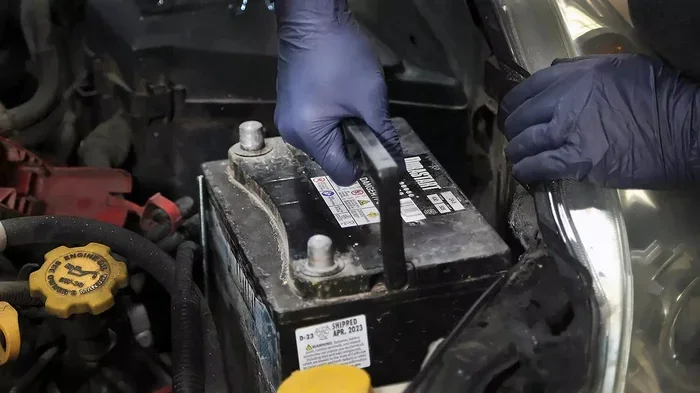
Take a look at your battery terminals. Do you see a white, blue, or greenish powdery substance? That is battery corrosion, and it is a sign of acid leakage or terminal oxidation. Corrosion creates resistance between the battery and the cables, which reduces the power flowing to your engine.
Minor corrosion can sometimes be cleaned with a baking soda solution and a wire brush. But if the corrosion keeps coming back, the battery may be leaking internally. A leaking battery is a failing battery. Have it inspected and consider replacement if the terminals are heavily corroded.
How to Test Your Car Battery at Home
You do not need to be a mechanic to check your battery. A few simple tests can give you a clear picture of your battery’s health. Here is how to do it yourself.
Using a Multimeter for a Battery Voltage Test
A digital multimeter is the best tool for checking battery voltage. Set it to DC voltage and touch the red probe to the positive terminal and the black probe to the negative terminal. A fully charged battery should read 12.6 volts or higher.
Here is a quick reference to help you interpret your readings:
- 12.6V or higher: Battery is fully charged and healthy
- 12.4V: Battery is about 75% charged
- 12.2V: Battery is about 50% charged
- 12.0V or lower: Battery is dead or deeply discharged
If your reading is below 12.4 volts, the battery may need charging or replacement. A reading below 12.0 volts almost always means the battery is dead. Keep in mind that surface charge can affect readings. Turn off all accessories and let the car sit for at least an hour before testing for the most accurate result.
The Headlight Test
This is the simplest test you can do. Turn on the headlights and let the car idle for a few minutes. Then try to start the engine. If the headlights dim noticeably when you turn the key, the battery is struggling to deliver power.
A healthy battery should handle the starting load without a significant drop in headlight brightness. If your lights go dim or flicker, the battery’s battery health is in question. This test is not as precise as a multimeter reading, but it gives you a good quick check. Think of it as a first-pass screening tool before you invest in more detailed testing.
Checking the Battery Age and Capacity
Every battery has a manufacture date printed on the case. Look for a sticker or engraving that shows the month and year. If your battery is more than three years old, it is wise to have it tested regularly. Most batteries have a battery life expectancy of three to five years, but extreme conditions can shorten that dramatically.
You can also check the cold cranking amps rating on the battery label. This number tells you how much power the battery can deliver in cold weather. If your CCA rating is lower than what your vehicle manufacturer recommends, the battery may not perform well in winter. Always match the replacement battery to your vehicle’s specifications for the best results.
Common Causes of Battery Failure
Understanding why batteries fail helps you prevent premature death. Several common factors can shorten your battery’s lifespan significantly. Knowing these causes puts you in a better position to protect your investment.
Extreme Temperatures and Battery Health
Both extreme heat and extreme cold are tough on batteries. High temperatures cause the electrolyte fluid to evaporate, which damages the internal plates. Cold weather reduces the battery’s ability to deliver power, which means the engine demands more from a weakened battery.
In very cold climates, a battery that is already weak may fail to start the car on a freezing morning. This is why battery maintenance before winter is so important. Keep your battery terminals clean and make sure the charge is strong going into the cold months. A battery voltage test before winter can reveal weaknesses that might cause problems on the coldest mornings.
Parasitic Drain
Even when your car is off, some electrical components continue to draw power. This is called parasitic drain, and it is normal in small amounts. Your clock, radio memory, and alarm system all use a small amount of power.
But when parasitic drain becomes excessive, it can drain a battery completely overnight. Common causes include faulty relays, stuck lights, and aftermarket electronics that were not installed correctly. If you frequently come out to a dead battery, parasitic drain might be the cause. A mechanic can measure the drain and identify the culprit. Fixing parasitic drain can save you from buying a new battery prematurely.
Faulty Alternator and Charging Issues
The alternator charges your battery while the engine runs. If the alternator is failing, your battery will not get properly recharged. This leads to a slow, steady decline in battery health.
Warning signs of alternator problems include dimming headlights while driving, a whining noise from the engine bay, and electrical accessories malfunctioning. If you suspect alternator issues, get it checked right away. Driving with a bad alternator will eventually kill even a new battery. Always have the charging system inspected when you replace a battery to make sure the new one does not suffer the same fate.
Short Trips and Inadequate Charging
Frequent short trips are surprisingly hard on batteries. The alternator needs time to recharge the battery after a start. If your trips are only a few minutes long, the battery may never fully recharge.
Over time, this incomplete charging cycle causes the battery to sulfate. Sulfation reduces the battery’s capacity and shortens its lifespan. If you mostly drive short distances around town, consider taking a longer drive once a week to give the battery time to recharge fully. This simple habit can make a real difference in how long your battery lasts.
When to Replace vs When to Recharge
Not every battery problem requires a replacement. Sometimes a simple recharge is all you need. The key is knowing which situation you are in and making a smart decision.
If your battery simply ran flat because you left the lights on, a recharge will likely restore it. A battery maintainer or trickle charger can bring a deeply discharged battery back to life over several hours. However, if the battery has been completely dead for an extended period, the damage may already be done. Deep discharge cycles can permanently damage the internal plates.
Here is a simple rule of thumb. If your battery is less than three years old and died from a simple mistake like leaving a light on, recharge it first. If the battery is older than four years and shows warning signs, replacement is usually the smarter choice. A new battery will be more reliable and save you from repeat failures and frustration.
Also consider this: a battery that has been jump-started multiple times is on its way out. Each deep discharge cycle damages the internal plates further. After three or more jump starts, most experts recommend replacing the battery regardless of age. The cost of a new battery is far less than the cost of being stranded on a lonely road.
Battery Maintenance Tips to Extend Life
Good maintenance habits can significantly extend your battery’s lifespan. These simple steps take only a few minutes but can add months or even years of reliable service. Follow these tips and your battery will thank you.
- Keep terminals clean: Remove any white or blue powdery buildup on the terminals with a wire brush and baking soda solution. Clean connections ensure proper power flow and prevent resistance that can weaken your starting power.
- Check water levels: If your battery has removable caps, inspect the electrolyte level monthly. Top off with distilled water if needed, but never overfill. Overfilling can cause acid overflow and corrosion.
- Secure the battery: A loose battery vibrates during driving, which damages the internal plates. Make sure the hold-down clamp is tight and the battery sits firmly in its tray.
- Drive regularly: Batteries need regular charging cycles to stay healthy. If a car sits unused for weeks, the battery will slowly lose charge. Try to drive your car at least once a week for 20 to 30 minutes.
- Follow a maintenance schedule: Have your battery tested at every oil change or at least twice a year. Catching a weak battery early gives you time to plan for replacement without the stress of a sudden failure.
- Use the right battery: Always match the replacement battery to your vehicle’s specifications. Check your owner’s manual for the correct group size, CCA rating, and terminal configuration.
Also, if you drive a modern keyless vehicle, remember that even starting a keyless car with a key as a backup method can help when the battery is weak. The physical key backup uses less electrical power than the keyless system, which can sometimes be enough to get you going when the main battery is struggling. Keep a spare key fob battery on hand as well, since a weak key fob battery can sometimes mimic battery problems.
How Much Does a New Car Battery Cost
The cost of a new car battery varies widely depending on the type, size, and brand. On average, you can expect to pay between 100 and 250 dollars for a standard lead-acid battery. Premium batteries with advanced features like extended warranty or higher cold cranking amps can cost more.
Installation costs are usually separate. Many auto parts stores offer free installation with purchase. If you choose a dealership, installation may run an additional 50 to 100 dollars. Always ask for a quote that includes both the battery and the installation fee before committing. Some shops also charge for old battery disposal, so clarify all costs upfront.
Consider the long-term value, not just the upfront price. A quality battery from a reputable brand may cost more initially but can last longer and perform better in extreme conditions. A battery voltage test at the time of purchase ensures you are getting a fresh, fully charged unit. Ask the retailer to test the replacement battery before they install it.
Also keep in mind that some vehicles require specialty batteries. Start-stop systems, hybrid vehicles, and cars with advanced electrical features often need specific battery types. These batteries can cost significantly more, sometimes 300 dollars or more. Check your owner’s manual for the correct battery specification before shopping to avoid buying the wrong unit.
Conclusion
How do you know when to change car battery? The answer is simpler than most people think. Pay attention to the warning signs. Test your battery regularly. And do not wait until you are stranded to take action. A little proactive care goes a long way toward keeping your vehicle reliable and your wallet happy.
Your battery is one of the most important components in your car. It deserves your attention. By learning the warning signs, performing simple tests, and following a basic maintenance routine, you can avoid unexpected breakdowns and extend the life of your battery. Start today. Check your battery, clean the terminals, and schedule a voltage test if it has been more than a year since your last check.
Remember, a failing battery does not always announce itself with a dramatic failure. Sometimes the signs are subtle. Dim headlights, a slow crank, or a dashboard warning light are all early warnings. The sooner you respond, the more options you have. Whether you choose to recharge or replace, making an informed decision is always the right move. Trust your instincts, stay proactive, and keep your battery in top shape all year long.
Frequently Asked Questions
How often should you change a car battery?
Most car batteries last between three and five years. However, extreme weather, frequent short trips, and heavy electrical use can shorten that lifespan. Have your battery tested at least twice a year, especially before winter and summer, to catch weakness early.
Can a dead battery be recharged instead of replaced?
Yes, if the battery is relatively new and was simply discharged by leaving lights on or a short trip. A battery charger or trickle charger can restore it. However, if the battery is old or has been deeply discharged multiple times, replacement is the better and safer option.
What causes a car battery to die quickly?
The most common causes are parasitic drain, a faulty alternator, extreme temperatures, and frequent short trips that do not allow the battery to fully recharge. Corroded terminals and loose connections can also cause rapid battery death.
How long does a car battery last on average?
The average car battery lasts three to five years. Climate plays a big role. Batteries in hot climates tend to degrade faster due to fluid evaporation, while batteries in cold climates face increased demand during winter starts.
Is it safe to drive with a failing battery?
It is not recommended. A failing battery can leave you stranded without warning. In rare cases, a completely dead battery can cause electrical systems to malfunction while driving. If you suspect your battery is weak, get it tested and replaced as soon as possible.
What are the signs of a bad alternator versus a bad battery?
A bad battery usually causes slow cranking and starting problems, especially after the car sits idle. A bad alternator often causes dimming lights while driving, a whining noise, and electrical accessories that stop working. A simple voltage test can help you tell the difference between the two.