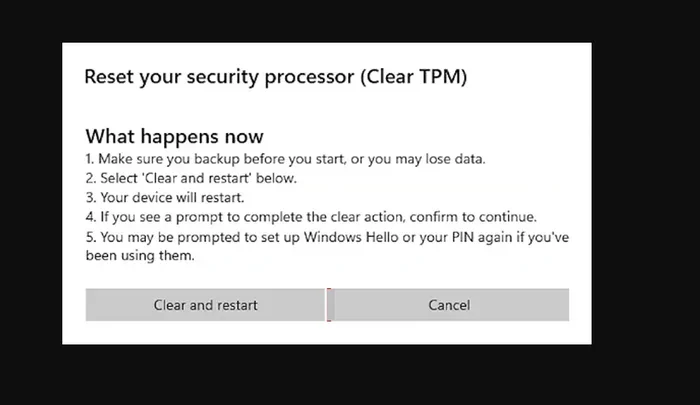
How Do I Clear My Tpm Reset
How Do I Clear My TPM Reset is an essential topic that provides valuable insights and practical knowledge for anyone interested in learning more about this subject.
How Do I Clear My Tpm Reset
Have you ever been driving down the road and suddenly spotted a tire pressure warning light on your dashboard? It is one of those moments that makes you pull over and wonder what went wrong. A TPM reset can fix this problem fast, and you do not need to be a mechanic to do it. In this guide, we will walk you through everything you need to know about clearing your TPM reset the right way. You will learn what the system is, why it needs a reset, and exactly how to do it yourself at home.
Your vehicle’s tire pressure monitoring system is designed to keep you safe on the road. But sometimes the light stays on even after you have fixed the real issue. That is where a TPM reset comes in handy. We will cover simple steps, common mistakes, and expert tips so you can get back on the road with confidence. Let us dive right in.
Key Takeaways
- Back up recovery keys first. Clearing TPM erases all stored security data permanently.
- Access BIOS or UEFI settings to find and initiate the TPM reset option safely.
- Reconfigure BitLocker after resetting TPM, as encrypted drives need new authentication setup.
- TPM reset fixes security errors and clears corrupted keys without harming your hardware.
- Check your manufacturer’s guide for exact steps, as the process varies by device.
- Restart your computer after resetting TPM to apply changes and confirm proper function.
📑 Table of Contents
- What Is a TPM Reset and Why Does It Matter
- Signs That Your Tire Pressure System Needs a Reset
- How to Clear Your TPM Reset (Step by Step)
- Common TPM Reset Problems and How to Fix Them
- TPM Reset Tips for Different Vehicle Brands
- When to See a Professional for TPM Issues
- Preventing Future TPMS Warnings
What Is a TPM Reset and Why Does It Matter
The Tire Pressure Monitoring System, or TPMS, tracks the air pressure inside your tires. When the pressure drops below a safe level, your dashboard lights up to warn you. A TPM reset tells the system that you have addressed the problem and the readings are now normal again.
Here is why this matters. Driving on underinflated tires can reduce fuel efficiency and wear out your tread faster. It can also make your car harder to handle, especially in wet conditions. A TPM reset clears the warning light so your dashboard stays clean and your mind stays focused on the road ahead.
You should perform a TPM reset any time you add air to your tires, replace a tire, or rotate your wheels. The system needs to recalibrate so it reads the correct pressure levels. Skipping this step means the light will keep flashing, which can be annoying and distracting.
How the TPM Sensor Works
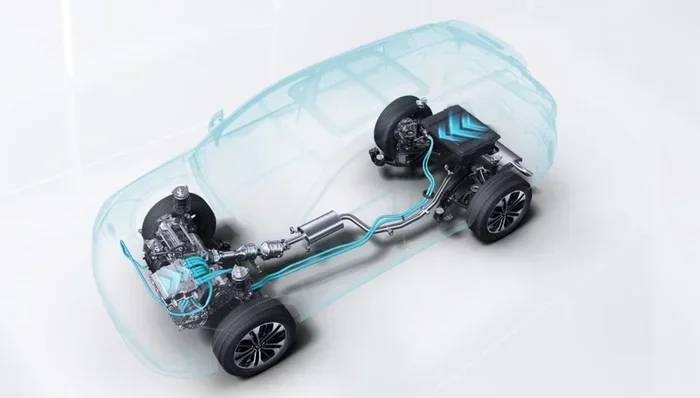
Each tire has a small sensor attached to the valve stem. This sensor sends pressure data to your car’s computer. When the pressure drops by about 25% below the recommended level, the system triggers the warning light. After you fix the pressure, the sensor needs a TPM reset to send a new baseline reading to the computer.
Some newer vehicles have direct sensors that run on small batteries. These batteries last about five to ten years before they need replacing. If your TPM reset does not work, a dead sensor battery could be the culprit.
Signs That Your Tire Pressure System Needs a Reset
It is not always obvious when your TPM reset is needed. Some signs are easy to spot, while others sneak up on you. Here are the most common indicators that your system needs attention.
- The tire pressure warning light stays on after you inflate your tires
- The light flashes when you first start the car and then stays solid
- Your dashboard shows a TPMS error message or symbol
- You notice uneven tire wear despite regular rotations
- Your fuel economy drops without any clear reason
- The steering feels slightly off or the car pulls to one side
- You hear a faint hissing sound near the tire valves
If you notice any of these signs, do not ignore them. A TPM reset is a quick fix, but ignoring the light can lead to bigger problems down the road. Just like driving with a warning light on, driving with an active TPMS light can mask deeper issues that cost more to fix later.
How to Clear Your TPM Reset (Step by Step)
Clearing your TPM reset is easier than most people think. The exact steps vary by vehicle brand, but the general process is similar across most cars, trucks, and SUVs. Here is a detailed walkthrough that covers the most common methods.
Method 1: Use the TPMS Reset Button
Many vehicles have a dedicated TPMS reset button. It is usually located under the steering column, near the driver’s side door, or inside the glove box. Follow these steps:
- Make sure your tires are inflated to the correct pressure. Check the sticker on the driver’s door frame for the recommended PSI.
- Turn the ignition to the “on” position without starting the engine.
- Press and hold the TPMS reset button until the warning light blinks three times.
- Release the button and start the engine.
- Drive the car for about 20 minutes at speeds above 30 mph so the sensors can recalibrate.
After those 20 minutes, the light should turn off. If it does not, you may need to repeat the process or try a different method.
Method 2: Use the Infotainment System
Modern vehicles often let you reset the TPMS through the infotainment screen. This method works well for brands like Ford, Chevrolet, and Toyota. Here is how to do it:
- Press the menu button on your touchscreen or infotainment system.
- Navigate to “Settings” and then “Vehicle” or “Maintenance.”
- Look for “TPMS Reset” or “Tire Pressure System.”
- Select “Reset” and confirm your choice.
- Drive the vehicle for a few miles to allow the system to relearn the tire pressures.
Method 3: Use the Brake Pedal Trick
Some older vehicles use a simple brake pedal method for the TPM reset. With the ignition off, press and hold the brake pedal for about 30 seconds. Then turn the ignition on while still holding the pedal. The TPMS light should flash and then turn off. Release the brake pedal and drive the car to complete the reset.
Method 4: Visit a Tire Shop or Auto Parts Store
If the do-it-yourself methods do not work, many tire shops and auto parts stores offer free TPMS resets. They have professional tools that communicate directly with your car’s computer. This is a great option if you are not comfortable working under the hood or if the light keeps coming back after a TPM reset.
Common TPM Reset Problems and How to Fix Them
Sometimes a TPM reset does not go as planned. Here are the most common problems and what you can do about each one.
| Problem | Likely Cause | Solution |
|---|---|---|
| Light stays on after reset | Tire pressure still too low or too high | Recheck all four tires and the spare with a pressure gauge |
| Light comes back within a few days | Slow leak in one or more tires | Inspect tires for punctures, cracks, or loose valve stems |
| Reset button does nothing | Wrong button or button location | Check your owner’s manual for the exact reset procedure |
| TPMS light flashes for 60 to 90 seconds | Sensor malfunction or dead battery | Replace the sensor battery or have the sensor tested |
| Light returns after tire rotation | System did not recalibrate | Perform another TPM reset after rotating tires |
| Warning light on after replacing a tire | New sensor not paired with the system | Have the new sensor programmed at a tire shop |
One important thing to keep in mind. If you drive with a warning light on for too long, you risk damaging your tires or compromising your safety. The TPMS light exists for a reason, so always address it promptly.
Why DIY Resets Sometimes Fail
There are a few reasons a TPM reset might not stick. The most common one is that the tire pressure was not actually at the correct level when you tried to reset. Another reason is a faulty sensor. Sensors have a limited lifespan, and once the battery dies, the sensor cannot send accurate readings no matter how many times you reset the system.
Cold weather can also cause false TPMS warnings. Air pressure inside tires drops as the temperature decreases, which can trigger the light even when your tires are properly inflated. If this happens often, a TPM reset after the weather warms up should clear the light.
TPM Reset Tips for Different Vehicle Brands
Every car maker has its own way of handling the TPMS reset. Here are some brand-specific tips to help you get the job done right.
Toyota and Lexus
For most Toyota and Lexus models, the TPMS reset button is located below the steering wheel. Press and hold it until the TPMS light blinks three times. Then start the engine and drive for about 10 to 20 minutes. Some newer Toyota models require you to reset the system through the steering wheel controls on the instrument cluster.
Ford and Lincoln
Ford vehicles often have a TPMS reset button under the steering column. Hold it until the light flashes and then release. For Ford models with the SYNC infotainment system, you can also navigate to “Vehicle Health” and select “TPMS Reset.” A TPM reset on Ford trucks may also require you to drive at a steady speed of 30 mph for several minutes.
Chevrolet and GMC
Chevrolet and GMC vehicles typically have the reset button on the left side of the dashboard. Turn the key to the “on” position, press and hold the reset button, and wait for the light to blink. Drive the vehicle for about 15 minutes to complete the calibration. Some models also allow you to reset through the infotainment menu under “Vehicle Settings.”
Honda and Acura
Honda and Acura use a slightly different approach. The TPMS reset button is usually on the left side of the steering wheel or below the dashboard. Press and hold it until the light blinks, then start the engine. For newer Honda models, you may also need to access the TPMS settings through the steering wheel-mounted menu buttons.
When to See a Professional for TPM Issues
Most of the time, a TPM reset is something you can handle on your own. But there are situations where professional help is the smart choice. If you have tried multiple reset methods and the light keeps coming back, it is time to see a mechanic. The same goes true if you notice any of the following issues.
- The TPMS light flashes for more than 90 seconds after starting the car
- One tire consistently loses air faster than the others
- You can see visible damage to a tire or the valve stem
- The TPMS sensor is cracked or has come loose from the wheel
- Your vehicle is more than ten years old and the original sensors have never been replaced
A trained mechanic can run a diagnostic scan to identify which specific sensor is causing the problem. They can also replace dead sensor batteries or install new sensors if needed. Most tire shops charge between 20 and 50 dollars for a TPMS reset service, and some do it for free if you bought your tires from them.
Remember that a TPM reset is not a permanent fix for a damaged sensor or a slow tire leak. It is a tool to clear the warning light after you have resolved the underlying issue. Treat it as part of your regular vehicle maintenance routine, not a bandage for a bigger problem.
Preventing Future TPMS Warnings
The best way to avoid frequent TPM reset situations is to stay on top of your tire care. Here are some simple habits that keep your TPMS system happy and your tires in great shape.
- Check your tire pressure at least once a month with a reliable gauge
- Keep a tire pressure gauge in your glove box for quick checks
- Inflate your tires to the PSI listed on the driver’s door sticker
- Rotate your tires every 5,000 to 7,500 miles
- Replace tires when the tread depth drops below 2/32 of an inch
- Check tire pressure when the tires are cold for the most accurate reading
- Replace TPMS sensor batteries every 5 to 10 years as a preventive measure
These small habits add up over time. They help you avoid unexpected warning lights and keep your car running safely and efficiently. A little attention goes a long way when it comes to tire maintenance.
A TPM reset is one of those simple maintenance tasks that every car owner should know how to do. It saves you time, money, and the hassle of a nagging warning light on your dashboard. Whether you use the reset button, the infotainment menu, or the brake pedal method, the process is quick and straightforward for most vehicles.
Stay proactive with your tire care, and your TPMS system will reward you with fewer false warnings and a longer lifespan. If the light keeps coming back despite your best efforts, do not hesitate to visit a trusted mechanic or tire shop. Your safety on the road is always worth the extra effort.
Frequently Asked Questions
How Do I Clear My TPM Reset on Windows 11?
To clear a TPM reset on Windows 11, go to Settings > System > Recovery > Advanced Startup and select Troubleshoot > Reset this PC. This process clears the TPM state and restores your security settings to factory defaults, which can resolve many boot and encryption issues.
What Happens When You Clear a TPM Reset?
Clearing a TPM reset removes all stored encryption keys, certificates, and security data from the TPM chip on your motherboard. This means any BitLocker-protected drives will become inaccessible until you re-enter your recovery key and reconfigure your security settings.
Will Clearing My TPM Reset Delete My Personal Files?
Clearing the TPM itself does not delete your personal files, photos, or documents stored on your hard drive. However, if you choose to reset your PC through Windows recovery, you may have the option to remove everything, so always back up your data before proceeding.
How Do I Know If My TPM Needs a Reset?
Common signs that your TPM needs a reset include frequent BitLocker lockouts, error messages about TPM initialization failure, or your PC failing to boot after hardware changes. You can also check your TPM status by typing tpm.msc in the Run dialog to see if the TPM is ready, deactivated, or needs clearing.
Can I Reset TPM Without Losing BitLocker Recovery Keys?
Yes, you can clear your TPM reset without losing BitLocker keys as long as you have your 48-digit recovery key saved beforehand. Microsoft stores recovery keys in your Microsoft account or Active Directory, so make sure you can access one of those before you clear the TPM.
Is Clearing TPM Reset the Same as Disabling TPM?
No, clearing a TPM reset removes the stored security data and resets the chip to its default state, while disabling TPM turns off the feature entirely in your BIOS or UEFI settings. Clearing is a temporary fix for security errors, whereas disabling turns off the TPM chip altogether until you re-enable it.