Honda Accord Wont Start Here Are the Most Common Reasons
When your Honda Accord wont start, it can ruin your entire day. The most common causes include a dead battery, a faulty starter motor, fuel pump failure, ignition switch problems, and a key fob or immobilizer issue. In this guide, we walk through each reason step by step so you can diagnose the problem quickly and get back on the road safely.
There are few moments more frustrating than turning the key or pressing the start button and hearing nothing happen. Your Honda Accord wont start, and you are left standing in the driveway or a parking lot wondering what went wrong. Whether it is a cold morning or a hot afternoon, starting problems can hit any Honda Accord owner at any time. The good news is that most reasons behind this issue are common, well-understood, and fixable. This guide breaks down every likely cause in plain language so you know exactly what to look for and what steps to take next.
We have seen thousands of starting problems across many Honda Accord model years. From the older models with traditional keys to the newer keyless push-button start systems, the patterns are surprisingly similar. A Honda Accord that wont start usually traces back to one of five major systems: the battery, the starter motor, the fuel system, the ignition system, or the security and immobilizer system. Understanding how each of these works helps you narrow down the cause fast. Let us dive into each one so you can troubleshoot with confidence.
Key Takeaways
- Dead Battery: The number one reason any car, including the Honda Accord, fails to start.
- Starter Motor Issues: A worn or faulty starter will prevent the engine from turning over.
- Fuel Pump Failure: Without fuel reaching the engine, your Accord simply will not run.
- Key Fob and Immobilizer Problems: Modern Accords rely on electronic keys, and a weak battery in the fob can block starting.
- Ignition Switch Wear: A degraded ignition switch can cut power to the starter and fuel systems.
- Preventive Maintenance: Regular checks of the battery, spark plugs, and fuel filter can prevent most starting issues.
📑 Table of Contents
Why Your Honda Accord Wont Start
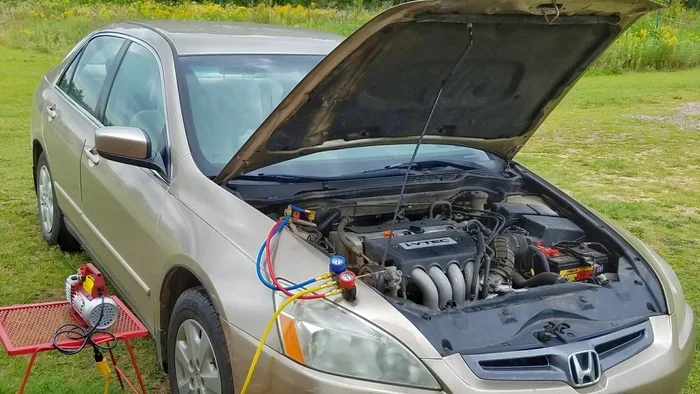
Before we jump into specific parts, it helps to understand how a car starts in the first place. When you turn the key or press the button, a sequence of events must happen in the right order. The battery sends power to the starter motor. The starter motor cranks the engine. The fuel pump pushes gas to the engine. The spark plugs ignite the fuel. And the engine fires up. If any single part of this chain fails, your Honda Accord wont start. The trick is figuring out which link in the chain broke.
Most owners notice warning signs before a complete failure. Maybe the engine cranks slower than usual. Perhaps the dashboard lights flicker when you turn the key. Or the engine turns over but just will not catch. Each of these clues points to a different root cause. Paying attention to exactly what happens when you try to start your car makes all the difference. Let us go through the most common reasons one by one.
What Happens When You Turn the Key
When you turn the ignition or press the start button, your Honda Accord goes through a quick self-check. The security light should flash for a second and then turn off. The fuel pump hums quietly for a moment. Then the starter motor engages and cranks the engine. If you hear nothing at all, the problem is likely electrical. If you hear a rapid clicking, the battery may be weak. If the engine cranks but will not fire, the issue could be fuel or spark. Each sound and symptom tells a story. Learning to read those signs puts you ahead of most drivers.
Dead Battery: The Most Common Culprit
A dead battery is the single most common reason a Honda Accord wont start. Car batteries typically last between three and five years, but extreme temperatures, short trips, and old age can shorten that lifespan significantly. When the battery loses its charge, it simply cannot deliver the power needed to crank the engine. The good news is that a dead battery is easy to test and usually easy to fix.
Here are the most common signs of a dead or weak battery in a Honda Accord:
- The dashboard lights are dim or do not come on at all.
- The engine cranks very slowly or not at all when you turn the key.
- You hear a rapid clicking sound but the engine does not turn over.
- The radio or lights work, but the engine will not start.
- The battery warning light on the dashboard is illuminated.
To test your battery, you can use a simple multimeter. Set it to DC voltage and touch the probes to the battery terminals. A healthy battery should read around 12.6 volts when the car is off. If it reads below 12.0 volts, the battery is likely weak or dead. If you have access to a charger, a slow trickle charge can often bring a weak battery back to life. However, if the battery is more than four years old, it is usually better to replace it entirely rather than keep charging an aging unit.
Cold weather is especially hard on batteries. If your Honda Accord started fine in summer but refuses to start in winter, the battery is the first suspect. Low temperatures reduce a battery’s ability to deliver power. Keeping your battery terminals clean and free of corrosion also helps maintain a strong connection. A quick wipe with a baking soda and water solution can make a real difference over time.
When a Dead Battery Is Not the Battery
Sometimes the battery itself is fine, but something else drained it. Leaving the headlights on, a faulty alternator, or a parasitic draw from an aftermarket accessory can all kill a battery overnight. If you find yourself jump-starting your Honda Accord frequently, the alternator may not be charging the battery properly. In that case, replacing the battery alone will not solve the problem. You need to check the charging system too.
Ignition and Starter Motor Problems
If your battery is healthy but the engine still will not crank, the starter motor or ignition system could be to blame. The starter motor is a small but powerful electric motor that turns the engine over when you start the car. Over time, the internal components of the starter wear out, and it simply stops working. This is a common issue in older Honda Accords with higher mileage.
Here is what to look for if you suspect a starter motor problem:
- You hear a single loud click when you turn the key, but the engine does not crank.
- The starter motor spins freely but does not engage with the engine flywheel.
- You notice a grinding noise when trying to start the car.
- The starter works intermittently, sometimes starting and sometimes not.
Starter motors typically last between 100,000 and 150,000 miles, but they can fail earlier due to electrical issues or mechanical wear. Replacing a starter motor on a Honda Accord is a moderately complex job that involves accessing the motor from underneath the vehicle. Many mechanics can do this in one to two hours, and the cost is usually between $300 and $500 for parts and labor combined.
The ignition switch is another electrical component that can cause starting problems. The ignition switch sends power from the battery to the starter motor and the fuel system when you turn the key. When this switch wears out, it can interrupt the electrical circuit and prevent the car from starting. Ignition switch failure often comes with other electrical glitches, such as flickering dashboard lights or accessories that stop working intermittently.
How To Tell If It Is the Starter or the Ignition Switch
Telling these two apart can be tricky. A simple test is to turn the key to the “ON” position without starting the engine. If the dashboard lights come on normally, the ignition switch is likely fine, and the problem is probably the starter motor. If the dashboard lights are dim or do not come on at all, the ignition switch could be the culprit. A professional mechanic can test both components quickly with basic electrical tools.
Some older Honda Accord models are known for ignition switch issues, particularly those from the early 2000s. If you own one of these models, it is worth having the ignition switch inspected as part of regular maintenance. A worn ignition switch can also cause the engine to stall while driving, which is a serious safety concern. If your car stopped running while driving and won’t start, the ignition switch should be high on your list of suspects.
Fuel System Issues That Prevent Starting
Your Honda Accord needs three things to start and run: spark, fuel, and compression. If the spark and compression are fine but there is no fuel, the engine will crank but never fire up. Fuel system problems are a common reason a Honda Accord wont start, especially in higher-mileage vehicles or cars that have been sitting for a long time.
The fuel pump is the heart of the fuel system. It sits inside the fuel tank and pushes gasoline through the fuel lines to the engine. When the fuel pump fails, fuel cannot reach the engine, and the car will not start. A failing fuel pump often gives warning signs before it completely dies:
- The engine sputters or hesitates at high speeds.
- You notice a decrease in power when accelerating.
- The car stalls unexpectedly, especially under load.
- You hear a whining noise coming from the rear of the vehicle near the fuel tank.
If the fuel pump has completely failed, you will typically hear nothing when you turn the key to the “ON” position. In a working Honda Accord, you should hear a brief humming sound from the back of the car as the fuel pump pressurizes the system. No sound could mean a dead fuel pump or a blown fuel pump fuse.
Fuel Filter and Fuel Pressure
A clogged fuel filter can also prevent your Honda Accord from starting. The fuel filter removes dirt and debris from the gasoline before it reaches the engine. Over time, the filter becomes saturated and restricts fuel flow. Replacing the fuel filter is a simple and inexpensive maintenance task that should be done every 30,000 to 50,000 miles. If you have never replaced yours, it is worth checking, especially if your car has been sitting for a while or you have been filling up at gas stations with questionable fuel quality.
Low fuel pressure can also cause hard starting or a no-start condition. A fuel pressure gauge connected to the fuel rail can tell you whether the pump is delivering enough pressure. Honda Accords typically need between 55 and 65 PSI at the fuel rail for proper operation. If the pressure is low, the fuel pump, fuel pressure regulator, or fuel filter could be the cause.
Another fuel-related issue is vapor lock, which is more common in older models. When fuel overheats and turns to vapor in the fuel lines, it blocks the flow of liquid fuel to the engine. This is more likely to happen on hot days or after the car has been running for a long time. If your Honda Accord won’t start right after turning off, vapor lock or a related fuel system issue could be the reason.
Key Fob and Immobilizer Troubles
Modern Honda Accords, especially models from 2008 onward, use keyless entry and push-button start systems. These systems rely on a smart key fob that communicates with the car’s immobilizer system. The immobilizer is a security feature that prevents the engine from starting unless it recognizes the correct key fob. When something goes wrong with this system, your Honda Accord will not start even if the battery and starter are perfectly fine.
The most common key fob and immobilizer problems include:
- A dead battery inside the key fob itself.
- The key fob is too far from the start button or not detected properly.
- The immobilizer module has lost its programming after a battery disconnect.
- The key fob has been damaged by water or physical impact.
- The car’s antenna ring around the ignition area is faulty.
If your key fob battery is dead, you can usually start the Honda Accord by placing the fob directly against the start button. Most Honda models have a backup procedure that allows you to start the car even with a dead fob battery. Check your owner’s manual for the exact steps for your model year. This simple trick can save you a lot of hassle and keep you from being stranded.
For keyless cars, it is also important to know that you can still start a keyless car with a physical key in an emergency. Honda includes a hidden mechanical key inside every key fob for exactly this situation. If the fob’s battery dies or the electronic system fails, inserting the mechanical key into the ignition slot allows you to start the car manually. This is a great backup option that every Honda Accord owner should know about.
Preventing Key Fob Starting Issues
The easiest way to avoid key fob problems is to replace the fob battery regularly. Most Honda key fobs use a CR2032 battery that lasts about two years. Keeping a spare battery in your glove box is a smart move. Also, try to keep the fob away from strong electromagnetic fields, as these can interfere with the signal. And if you have recently replaced the car battery or disconnected the terminals, the immobilizer may need to be reprogrammed by a dealer or qualified locksmith.
What To Do When Your Honda Accord Wont Start
Now that we have covered the most common causes, let us talk about what you should actually do when your Honda Accord will not start. Following a systematic troubleshooting process saves time, money, and frustration. Here is a step-by-step approach you can use right now.
Step 1: Check the basics. Make sure the car is in Park or Neutral. A Honda Accord will not start if the transmission is in Drive or Reverse. Also check that the parking brake is engaged. These simple checks prevent many unnecessary trips to the mechanic.
Step 2: Listen carefully. When you turn the key or press the start button, pay close attention to what you hear. No sound at all usually points to a dead battery or a faulty ignition switch. A rapid clicking sound means the battery is weak but not completely dead. A single click followed by silence often indicates a bad starter motor. A cranking sound that does not catch points to fuel or spark issues.
Step 3: Check the battery voltage. Use a multimeter to measure the battery voltage. If it is below 12.0 volts, charge or replace the battery. If it reads 12.6 volts or higher, the battery is likely not the problem.
Step 4: Try the backup start method. For keyless models, place the fob directly against the start button. For traditional key models, use the mechanical key. These backup methods bypass many electronic failures.
Step 5: Call for help if needed. If none of the above steps work, it is time to call a tow truck or a mobile mechanic. Trying to force the diagnosis can sometimes make things worse. A professional has the tools and experience to pinpoint the exact cause quickly and safely.
It is also worth noting that some starting problems are related to broader engine issues. If your car cranks but will not start, the problem could involve the car cranks but won’t start causes, which include things like a broken timing belt, faulty crankshaft position sensor, or a flooded engine. These are more serious issues that require professional diagnosis. Similarly, if your car won’t start then starts later, the problem could be heat-related, such as a failing fuel pump that works when cool but struggles when hot.
Regular maintenance is the best defense against starting problems. Keep your battery terminals clean, replace the fuel filter on schedule, and change your spark plugs at the recommended intervals. These simple habits go a long way toward ensuring your Honda Accord starts reliably every single time. A well-maintained car is a car that starts when you need it most.
When To Seek Professional Help
While many starting problems can be diagnosed at home, some situations call for a professional mechanic. If you have checked the battery, the starter, and the fuel system, and the car still will not start, there may be a deeper issue at play. Problems with the engine control module, the crankshaft position sensor, or the camshaft position sensor can all prevent a Honda Accord from starting. These components require specialized diagnostic equipment to test properly.
Also, if you notice the check engine light is on along with the no-start condition, do not ignore it. The check engine light is your car’s way of telling you something is wrong. A mechanic can plug in an OBD-II scanner and read the error codes, which often point directly to the failing component. Common codes associated with no-start conditions include P0335 (crankshaft position sensor), P0336 (crankshaft position sensor range), and P0230 (fuel pump primary circuit).
It is always better to get a professional diagnosis early rather than waiting until the problem gets worse. A small issue like a weak fuel pump can quickly turn into a stranded-on-the-highway situation if left unchecked. Trust your instincts. If something feels off about how your car starts, get it checked out before it becomes a bigger problem.
How To Choose a Reliable Mechanic
When you need to take your Honda Accord to a shop, look for a mechanic who specializes in Japanese vehicles or has specific experience with Honda models. Honda Accords are well-engineered cars, but they have their quirks that a generalist mechanic might not be familiar with. Ask friends, family, or neighbors for recommendations. Read online reviews. A good mechanic will explain the problem clearly, give you an upfront estimate, and stand behind their work with a warranty.
Conclusion
A Honda Accord that wont start is almost always caused by one of a handful of common issues. The battery, the starter motor, the fuel system, the ignition switch, and the key fob immobilizer account for the vast majority of no-start conditions. By understanding how each of these systems works and knowing what warning signs to look for, you can often diagnose the problem yourself and save time and money. Regular maintenance, including battery checks, fuel filter replacements, and spark plug changes, keeps your Honda Accord running strong and starting reliably. When in doubt, do not hesitate to consult a professional mechanic. A quick diagnosis can turn a frustrating morning into a quick fix and get you back on the road with confidence.
Frequently Asked Questions
Why does my Honda Accord crank but not start?
A Honda Accord that cranks but will not start usually has a fuel delivery issue, a spark problem, or a sensor failure. The most common causes include a failed fuel pump, clogged fuel filter, worn spark plugs, or a faulty crankshaft position sensor. If your car cranks but won’t start, checking the fuel pump and spark plugs first is a smart approach.
Can a dead key fob battery prevent a Honda Accord from starting?
Yes, absolutely. Modern Honda Accords with keyless push-button start systems rely on the key fob to authenticate the start command. If the fob battery is dead, the car may not recognize the key and will refuse to start. Placing the fob directly against the start button usually bypasses this issue as a temporary fix.
How do I know if my Honda Accord battery needs replacing?
Signs of a dying battery include slow cranking, dim dashboard lights, and the need for frequent jump-starts. You can also test the battery voltage with a multimeter. If it reads below 12.0 volts when the car is off, the battery is likely weak and should be replaced. Most Honda Accord batteries last between three and five years.
What should I do if my Honda Accord won’t start in cold weather?
Cold weather reduces battery performance significantly. If your Honda Accord won’t start in cold conditions, the battery is the most likely culprit. Keeping your battery fully charged, using a battery blanket or heater in extreme cold, and ensuring the terminals are clean can help prevent cold-weather starting problems.
Is it safe to keep trying to start a Honda Accord that won’t start?
No, it is not safe to keep cranking the engine repeatedly. Each attempt drains the battery further and can overheat the starter motor. If the car does not start after two or three attempts, wait at least 30 seconds between tries, and if it still will not start, call for professional help to avoid causing additional damage.
Can a bad alternator cause a Honda Accord not to start?
Yes, a failing alternator can indirectly cause a no-start condition. The alternator charges the battery while the engine runs. If the alternator is not working properly, the battery will not recharge, and eventually it will drain completely. This leads to a situation where the Honda Accord won’t start because the battery has no charge left.