How Do You Release a Safety Latch on Your Car Hood
Releasing a safety latch on your car hood is a simple process once you know where the handle is and how the mechanism works. Most vehicles use a two-step system where you pull a handle inside the car, then lift the hood and release a secondary safety latch underneath. Whether your hood is stuck, the cable is frayed, or you simply want to learn proper maintenance, this guide covers everything you need to know about your hood safety latch and keeping it working smoothly.
Have you ever stood in front of your car, pulled the hood release handle, and found nothing happens? Or maybe the hood pops up a little but refuses to swing all the way open? You are not alone. A safety latch on a hood can be one of the most frustrating little mechanisms in your entire vehicle. But here is the good news. Learning how to release it is easier than you think, and once you understand how it works, you will never feel stuck again.
Your car hood is more than just a metal cover over the engine. It is part of a carefully designed hood release system that keeps the hood securely closed while you drive and lets you open it quickly when you need to check the engine. The safety latch is there for a reason. It prevents the hood from flying open at highway speeds. But when that latch gets stuck, corroded, or broken, it can turn a simple task into a real headache. This guide walks you through everything you need to know about releasing your hood safety latch, fixing common problems, and keeping the whole system in great shape.
Key Takeaways
- Two-Step Release System: Most cars require pulling an interior handle first, then manually releasing a secondary safety latch under the hood.
- Common Problems Are Fixable: Stuck latches, frayed cables, and loose springs are usually easy to repair at home with basic tools.
- Regular Maintenance Matters: Lubricating the latch mechanism and inspecting the release cable can prevent most hood latch issues.
- Safety Comes First: Always ensure the hood is fully secured with the prop rod or hydraulic strut before working near the engine.
- Hybrid and Modern Vehicles Differ: Some newer cars use electronic release systems that work differently from traditional cable-operated latches.
- Know Your Vehicle: Consulting your owner manual helps you locate the exact latch position and release method for your specific model.
📑 Table of Contents
Understanding Your Hood Safety Latch
What Is a Hood Safety Latch?
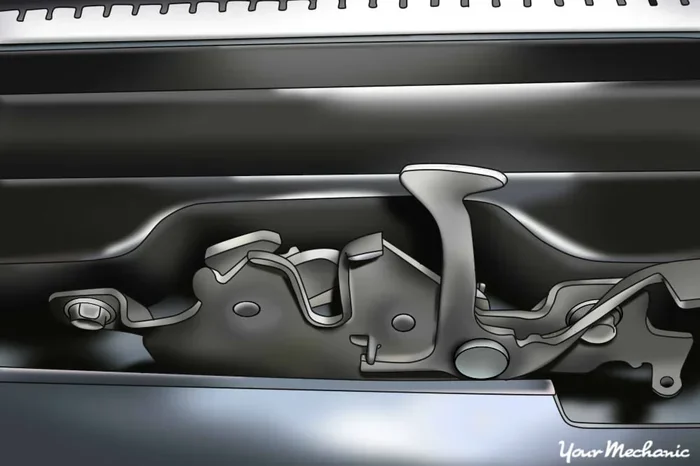
Every car has a hood latch mechanism that holds the hood shut. The safety latch is the second layer of security. When you pull the handle inside your car, the primary latch releases. But the hood does not fully open yet. It only pops up slightly. You must then walk to the front of the car, lift the hood a few inches, and find the secondary latch or safety latch underneath. This second latch is what keeps the hood locked in place while driving.
The safety latch exists for one important reason. Safety. Imagine driving at high speed and the hood suddenly flies open. It would block your windshield and make driving nearly impossible. The safety latch prevents that from happening. It is a simple but effective design that has been used in cars for decades. Even as vehicles become more advanced, the basic concept of a two-step hood release remains the same across most models.
Why Does Your Hood Have a Safety Latch?
Car manufacturers design hood safety latches to meet strict safety standards. The primary latch alone is not strong enough to withstand the air pressure created while driving at high speeds. The safety latch adds a second point of contact that keeps the hood firmly sealed. Without it, the hood could lift even slightly at highway speeds, creating dangerous turbulence and visibility problems.
Beyond safety, the latch system also protects your engine compartment. It keeps moisture, dirt, and debris out. It holds the hood firmly in place so that vibrations from driving do not cause the hood to rattle or shift. A properly functioning safety latch is essential for both your safety and the longevity of your engine components.
Step-by-Step Guide to Releasing Your Hood Safety Latch
Step One: Find the Interior Hood Release Handle
Start by sitting in the driver seat. Look down near the bottom of the dashboard on the driver side. Most cars have a hood release handle located somewhere between the steering column and the left knee area. It is usually a lever or a pull handle with a small icon of a hood on it. Some vehicles place it near the left footwell or even on the lower part of the steering wheel column.
Grab the handle and pull it toward you. You should hear a click or feel the hood slightly pop up. This means the primary latch has released. If nothing happens, the cable might be stuck or broken, which we will cover in a later section. For now, assume the handle works and move to the next step.
Step Two: Walk to the Front of the Car
After pulling the interior handle, the hood should be slightly raised at the front. Walk around to the front of the car. Place your hands under the front edge of the hood. You will feel that the hood lifts a little but does not open all the way. This is where the safety latch is holding it in place.
Some vehicles require you to push the hood upward slightly while simultaneously releasing the latch. Others have a small lever or button on the latch itself. Look for a thin metal piece near the center of the hood’s front edge. You may need to slide it to the left or right, or push it downward to release the safety latch.
Step Three: Lift the Hood Fully and Secure It
Once the safety latch releases, the hood will swing open fully. Most cars use a hood prop rod to hold the hood up. This is a metal rod attached to the underside of the hood. You pull it out and insert it into a hole or slot on the fender or the hood itself. Some newer vehicles use hydraulic struts instead of a prop rod. These do the work for you and the hood stays open on its own.
Always make sure the hood is fully secured before you lean over the engine. A hood that is not properly latched can fall shut unexpectedly and cause injury. Take a moment to confirm the prop rod or strut is locked in place before you start working.
Quick Tips for Releasing a Stuck Hood Latch
- Try pulling the interior handle twice. Sometimes a second pull provides enough force to free a slightly stuck latch.
- Use warm water on a cold morning. Ice can freeze the latch mechanism. Warm water melts the ice and allows the latch to move freely.
- Have a helper pull the interior handle while you push the hood up. This can help dislodge a latch that is slightly misaligned.
- Do not force the hood open. Forcing it can damage the latch, the hinges, or the hood itself.
- Check your owner manual. Every vehicle is slightly different, and the manual will show you the exact release method for your model.
Common Hood Latch Problems and How to Fix Them
Stuck Hood Latch
A stuck hood latch is one of the most common problems car owners face. The latch freezes up due to cold weather, rust, or debris buildup. If your hood will not release, start by checking the interior handle cable. Sometimes the cable is fine, but the latch itself is corroded. A spray of penetrating lubricant like WD-40 can work wonders. Spray it directly into the latch mechanism and let it sit for a few minutes. Then try pulling the release handle again.
If the latch is still stuck, you may need to access it from under the front bumper. Remove the plastic cover underneath the car and look for the latch assembly. Apply more lubricant directly to the moving parts. Gently work the latch back and forth with a pair of pliers until it loosens. Avoid using excessive force, as you do not want to damage the latch or the surrounding components.
Broken Hood Release Cable
The hood release cable connects the interior handle to the latch mechanism. Over time, this cable can stretch, fray, or even snap. If pulling the interior handle does nothing at all, the cable is likely the problem. Signs of a failing cable include a loose or spongy feel when you pull the handle, or the handle moving without any response from the hood.
Replacing a hood release cable is a moderately simple repair. You will need a replacement cable specific to your vehicle model, a set of screwdrivers, and possibly a pair of pliers. Start by disconnecting the cable from the interior handle. Then trace the cable along its path and disconnect it from the latch mechanism. Thread the new cable through the same path and reconnect it at both ends. Test the handle before closing the hood to make sure the cable pulls smoothly.
If you are not comfortable doing this yourself, a mechanic can replace the cable quickly and affordably. The cost is usually quite low, especially if you handle the parts yourself.
Loose or Wobbly Hood Latch
A hood latch that feels loose or wobbly can be annoying and potentially unsafe. If the latch does not hold the hood firmly, the hood might vibrate open while driving. This usually happens when the latch spring weakens or the latch itself wears out over time.
Start by checking if the latch is properly aligned. Sometimes the latch and the catch simply need adjustment. Loosen the mounting bolts on the latch, reposition it so it aligns with the catch on the hood, and then tighten the bolts. If the spring inside the latch is broken, you will need to replace the entire latch assembly. This is a straightforward repair that most DIYers can handle with basic tools.
Types of Hood Latch Systems
Traditional Cable-Operated Latches
The traditional cable-operated hood latch is what most older vehicles use. It relies on a metal cable that runs from the interior handle to the latch mechanism under the hood. When you pull the handle, the cable tugs on the latch, releasing the primary lock. You then manually release the safety latch from outside the car. This system is simple, reliable, and easy to repair. Many classic cars and trucks still use this type of latch, and replacement parts are widely available.
Electronic Hood Release Systems
Newer vehicles, especially luxury and hybrid vehicles, sometimes use electronic hood release systems. Instead of a cable, these systems use an electric motor or solenoid to release the latch. You press a button or switch inside the car, and the motor activates the latch. Some vehicles even have remote release features controlled through the key fob. These systems are more convenient but can be more expensive to repair when something goes wrong.
Hybrid vehicles often have unique hood designs because of the placement of the battery pack and electric motor. The hybrid safety latch may be located in a slightly different position than in a standard gasoline car. If you own a hybrid, it is worth learning exactly where your latch is and how it operates. Understanding how your specific vehicle works can save you time and frustration when you need to open the hood for maintenance or emergencies.
Liftgate and Hood Latch Combinations
Some vehicles, particularly SUVs and hatchbacks, combine the rear liftgate and front hood into a single large opening. These vehicles have separate safety latches for the hood and the liftgate, but the mechanisms work similarly. Knowing how each latch operates independently is important, especially if you only need to access the engine compartment without opening the rear of the vehicle.
Hood Latch Maintenance Tips
Regular Lubrication
The single best way to keep your hood latch working smoothly is regular lubrication. Apply a silicone-based lubricant or white lithium grease to the latch mechanism every six months. This prevents rust and corrosion, keeps the moving parts sliding freely, and extends the life of the entire release system. A little maintenance goes a long way toward preventing stuck latches and broken cables.
When you lubricate the latch, also check the hood hinges. The hinges bear the full weight of the hood, and if they are stiff or rusty, the hood will not open or close properly. Apply lubricant to the hinge pins and work the hood open and closed a few times to distribute the lubricant evenly.
Inspecting the Release Cable
Inspect the hood release cable at least once a year. Look for signs of fraying, rust, or damage along the cable’s length. If the cable sheath is cracked, moisture can get inside and cause the cable to corrode. Replace the cable as soon as you notice any damage. A frayed cable can snap without warning, leaving you unable to open the hood when you need it most.
While you are inspecting the cable, also check the cable tension. A cable that is too loose will not pull the latch with enough force, and a cable that is too tight can bind the mechanism. Proper tension ensures smooth, reliable operation every time you open the hood.
When to Replace Your Hood Latch
Even with good maintenance, hood latches wear out over time. If you notice that the latch no longer clicks securely into place, or if the hood rattles while driving, it is time to replace the latch. A worn latch can also cause the safety latch to release unexpectedly, which is a serious safety concern.
Replacement latches are relatively inexpensive, and the installation process is straightforward for most vehicle models. You can find the correct latch for your car by checking the vehicle identification number or the year, make, and model. Many auto parts stores carry universal hood latches that can be adjusted to fit different vehicles.
Safety Precautions When Working With a Hood Latch
Working with a hood latch might seem straightforward, but safety should always come first. Never lean over an open engine with the hood only partially secured. The hood could fall and cause serious injury. Always confirm that the prop rod or hydraulic strut is fully locked before you place your hands near the engine compartment.
When working in cold weather, be extra careful with the latch mechanism. Ice and frost can make the latch stiff and unpredictable. Use warm water or a de-icing spray to thaw any ice before attempting to release the latch. Never use excessive force to break through ice, as this can damage the latch or the surrounding body panels.
If you are working on the vehicle on a slope or uneven ground, make sure the car is parked on a flat surface and the parking brake is engaged. A hood that opens unexpectedly while the car is on a hill can be dangerous. Take a moment to ensure the vehicle is stable before you begin any work under the hood.
Also, remember that the engine should be cool before you open the hood. Even if you only need to check the latch mechanism, reaching near a hot engine can result in burns. Wait at least ten to fifteen minutes after driving before opening the hood, especially if you have been driving for an extended period.
Final Thoughts on Hood Safety Latches
Your hood safety latch is a small but important part of your vehicle. It keeps you safe on the road and gives you access to the engine when you need it. Understanding how it works, how to release it properly, and how to maintain it can save you time, money, and frustration. Whether you drive a traditional gasoline car, a hybrid vehicle, or something in between, the principles of hood latch operation remain the same.
Take a few minutes to familiarize yourself with your specific hood release system. Locate the interior handle, find the safety latch under the hood, and practice the two-step release process. When you know how your vehicle works, unexpected problems become much easier to handle. And remember, regular maintenance like lubrication and cable inspection keeps everything working smoothly for years to come.
Every time you pop the hood for an oil check or a fluid top-off, you are also an opportunity to inspect the latch system. A quick look and a spray of lubricant can prevent most problems before they start. Keep your hood latch in good shape, and your car will be ready to go whenever you are.
Frequently Asked Questions
How do you release a safety latch on a car hood?
Pull the interior hood release handle located near the driver side dashboard. Walk to the front of the car, lift the hood slightly, and find the secondary safety latch underneath. Release it by sliding a lever, pushing a button, or lifting a small metal piece. The hood will then open fully and you can secure it with the prop rod or hydraulic strut.
Why does my hood safety latch keep sticking?
Sticking latches are usually caused by rust, corrosion, or debris buildup in the mechanism. Cold weather and ice can also freeze the latch. Regular lubrication with a silicone-based spray or white lithium grease prevents most sticking issues. If lubrication does not help, the latch assembly may need adjustment or replacement.
Can I drive with a broken hood safety latch?
No, you should not drive with a broken hood safety latch. The safety latch prevents the hood from flying open at highway speeds, which could block your windshield and cause a serious accident. Have the latch repaired before driving the vehicle. If you must drive short distances, have someone hold the hood down securely.
How much does it cost to replace a hood safety latch?
Replacement costs vary by vehicle model, but a new hood latch typically costs between 20 and 80 dollars for the part alone. If you hire a mechanic, labor charges may add another 50 to 150 dollars. Many car owners replace the latch themselves using basic tools, which saves on labor costs entirely.
What is the difference between a primary latch and a safety latch?
The primary latch is released by the interior handle and holds the hood closed while driving. The safety latch is a secondary mechanism that the hood pops up against after the primary latch releases. You must manually release the safety latch from outside the car to open the hood fully. Both latches work together to keep the hood secure.
Do hybrid vehicles have different hood latch systems?
Some hybrid vehicles use electronic or button-operated hood release systems instead of traditional cables. The latch may also be positioned differently due to the placement of the battery pack and electric motor components. Check your owner manual to understand the specific release method for your hybrid vehicle model.
=== CONCLUSION ===
Releasing a safety latch on your car hood is a simple skill that every driver should know. The two-step process of pulling the interior handle and then releasing the secondary latch under the front edge of the hood takes only a few seconds once you have done it a few times. Understanding how the latch works, recognizing common problems, and performing basic maintenance keeps your hood release system reliable and safe.
Whether you are dealing with a stuck latch, a frayed cable, or simply want to learn more about your vehicle, the information in this guide gives you everything you need. Take care of your hood latch, and it will take care of you. Keep the lubricant fresh, the cables inspected, and the mechanism clean, and you will never have trouble getting under the hood again.