How Do I Know If My Cabin Air Filter Needs Replacing
Your cabin air filter plays a big role in keeping the air inside your car clean and healthy. When this filter gets dirty, it can cause reduced airflow, bad smells, and even allergy symptoms. Knowing the warning signs early helps you replace it on time and avoid bigger problems.
Have you ever noticed that the air coming from your car vents doesn’t feel as strong as it used to? Or maybe you catch a strange smell every time you turn on the air conditioning. These could be signs that your cabin air filter is telling you something important. The cabin air filter is a small but mighty part of your vehicle. It traps dust, pollen, dirt, and other particles before they enter the cabin. When this filter gets clogged, it affects more than just your air quality. It can impact your comfort, your health, and even the performance of your air conditioning system.
Many car owners overlook this simple maintenance item until something goes wrong. The good news is that checking and replacing your cabin air filter is easy. It does not require a mechanic or a big budget. In this guide, we will walk you through every sign that tells you it is time for a replacement. We will also cover how often to change it, what it costs, and how you can do it yourself at home. By the end, you will know exactly what to look for and how to keep your car air fresh and clean.
Key Takeaways
- Reduced airflow from vents is one of the most common signs your cabin air filter is clogged.
- Unusual or musty odors coming from your air vents often indicate a dirty or moldy filter.
- Increased allergy symptoms inside the car can point to a cabin air filter that needs immediate attention.
- Most manufacturers recommend replacing the cabin air filter every 12,000 to 15,000 miles or once a year.
- Replacing the filter yourself is simple, affordable, and can save you money on labor costs.
- Driving in dusty or polluted areas means you may need to replace the filter more often than the standard schedule.
- Ignoring a dirty cabin air filter can strain your air conditioning system and lead to costly repairs.
📑 Table of Contents
- What Does a Cabin Air Filter Do?
- Signs Your Cabin Air Filter Needs Replacing
- How Often Should You Replace Your Cabin Air Filter?
- Cabin Air Filter vs. Engine Air Filter
- How to Replace Your Cabin Air Filter Yourself
- How Much Does Cabin Air Filter Replacement Cost?
- Common Mistakes People Make With Cabin Air Filters
- Key Takeaways
- Conclusion
What Does a Cabin Air Filter Do?
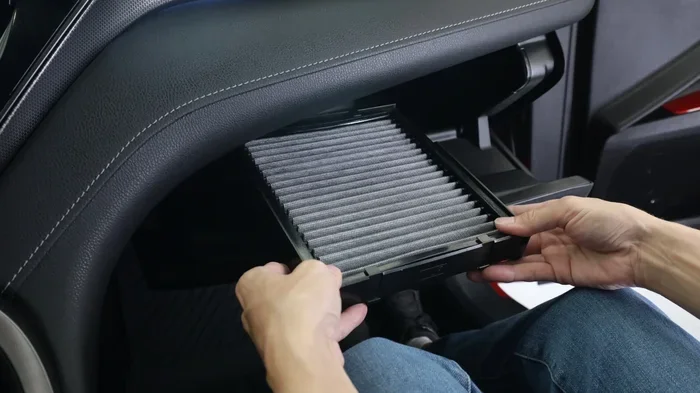
The cabin air filter is a small rectangular filter located behind your glove box or under your dashboard. Its job is to clean the air that enters the passenger cabin through the ventilation system. Think of it like a vacuum cleaner for the air inside your car. Every time you run your fan or air conditioning, air passes through this filter first. The filter catches dust, pollen, mold spores, soot, and even tiny bugs. Without it, all of those particles would blow directly into your face while you drive.
Most modern cars come equipped with a cabin air filter from the factory. However, many drivers do not even know it exists. Some people confuse it with the engine air filter, which is a completely different part. The engine air filter cleans the air going into the engine. The cabin air filter cleans the air going into your lungs. Both are important, but they serve different purposes. If you are unsure which one your car has, check your owner manual. It will tell you exactly where the cabin air filter is located and how often it should be replaced.
Signs Your Cabin Air Filter Needs Replacing
Your car gives you plenty of warning signs when the cabin air filter is dirty. The key is knowing what to look for. Here are the most common indicators that it is time for a replacement.
Reduced Airflow From Your Vents
This is the number one sign that something is wrong with your cabin air filter. When the filter becomes clogged with dust and debris, it restricts the flow of air. You might notice that your vents are not blowing as hard as they normally do. Even on the highest fan setting, the air feels weak. This happens because the dirty filter is blocking the passage of air. Your air conditioning system has to work much harder to push air through the clogged filter. Over time, this extra strain can wear out the blower motor and lead to expensive repairs.
If you have noticed a drop in airflow, do not ignore it. Check the filter first. In many cases, a simple replacement solves the problem right away. It is a quick fix that restores full power to your vents. This is especially important during hot summer months when you rely on strong air conditioning the most.
Unusual Odors Coming From the Vents
Have you turned on your car air and smelled something musty or musty? A dirty cabin air filter can harbor mold, bacteria, and trapped moisture. When the air passes over this damp, dirty filter, it picks up those unpleasant smells and blows them into your car. The result is a stale, dirty, or even slightly rotten smell every time you run the fan.
Some people describe it as a dusty or mildew-like odor. Others say it smells like old socks or a damp basement. Whatever the smell, it is a clear signal that your filter needs attention. A new filter eliminates these odors almost immediately. If the smell persists even after replacement, there may be mold growing somewhere else in your air conditioning system. In that case, you should have the system inspected by a professional.
Increased Allergy Symptoms Inside the Car
If you or your passengers start sneezing, coughing, or experiencing itchy eyes while driving, the cabin air filter could be the culprit. A dirty filter cannot effectively trap allergens like pollen, dust mites, and mold spores. Instead of being caught in the filter, these particles circulate freely inside the cabin. This is especially problematic during allergy season when pollen counts are high.
People with asthma or respiratory conditions are particularly sensitive to poor air quality inside the car. A clean cabin air filter makes a noticeable difference in their comfort. If you find yourself reaching for allergy medication more often while driving, it might be time to check your filter. Replacing it could provide almost instant relief from symptoms.
Visible Dirt and Debris on the Filter
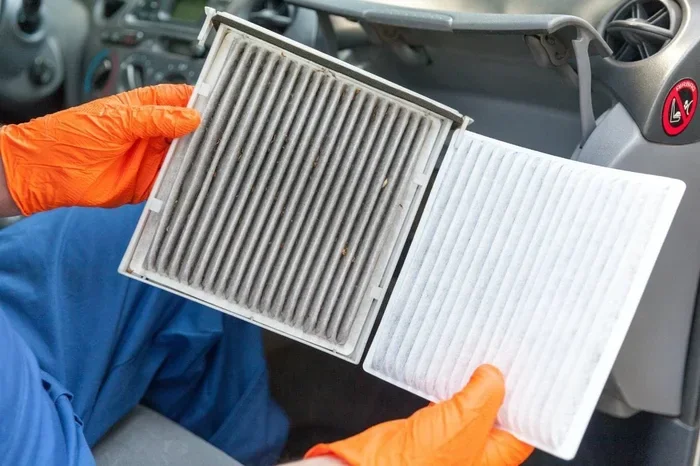
Some cars allow you to inspect the cabin air filter without removing it. If yours does, open the housing and take a look. A clean filter appears white or off-white. A dirty filter turns dark gray or brown. You might even see clumps of leaves, dust, or other debris stuck in the filter material. If the filter looks visibly dirty, do not wait to replace it. Even if you have not noticed any symptoms yet, a clogged filter is a ticking time bomb. It will eventually reduce airflow and cause odors.
When checking the filter, also look for any moisture or mold growth. A wet filter means there is a drainage issue somewhere in your ventilation system. Simply replacing the filter will not fix the underlying problem. You will need to address the moisture source to prevent mold from coming back.
Unusual Noises From the Air Conditioning System
A dirty cabin air filter can cause strange noises when you turn on the fan. You might hear whistling, rattling, or vibrating sounds coming from the vents. These noises happen because the clogged filter creates uneven airflow. The air has to squeeze through tiny openings in the dirty filter, which causes turbulence. In some cases, the blower motor works harder and starts to make grinding or humming noises. If you hear any unusual sounds, check the filter first. It is the simplest and least expensive thing to rule out.
How Often Should You Replace Your Cabin Air Filter?
The general recommendation is to replace your cabin air filter every 12,000 to 15,000 miles or once a year, whichever comes first. However, this is just a guideline. Your actual replacement schedule depends on several factors. Let us break them down so you can create a plan that works for your driving habits.
Manufacturer Recommendations
Your vehicle owner manual is the best place to start. Most manufacturers provide a specific replacement interval based on normal driving conditions. Some recommend every 15,000 miles. Others suggest once a year. Follow the guidelines in your manual as a baseline. If you are unsure where to find this information, check the index in the back of the manual. It will direct you to the maintenance schedule section.
Keep in mind that manufacturer recommendations assume normal driving conditions. If you drive in harsh environments, you will likely need to replace the filter more often. We will cover that in the next section.
Driving Conditions That Require More Frequent Changes
Certain driving conditions put more stress on your cabin air filter. If any of the following apply to you, consider replacing the filter more frequently:
- Driving on unpaved or gravel roads exposes the filter to more dust and dirt.
- Living in a dry, windy climate means more dust and sand in the air.
- Driving in heavy traffic or urban areas exposes you to higher levels of exhaust fumes and pollution.
- Parking under trees can let leaves and pollen accumulate near the air intake.
- Driving in coastal areas means salt air can clog the filter faster.
- Frequent short trips in cold weather can cause moisture buildup in the filter.
If you fall into any of these categories, consider checking your cabin air filter every 6,000 to 8,000 miles. Catching a dirty filter early prevents the symptoms we discussed above. It also keeps your air conditioning system running efficiently.
Cabin Air Filter vs. Engine Air Filter
It is easy to confuse the cabin air filter with the engine air filter. They serve different purposes and are located in different parts of the car. The cabin air filter cleans the air you breathe inside the passenger area. The engine air filter cleans the air that goes into the engine for combustion. Both are essential for proper vehicle operation.
The cabin air filter is typically located behind the glove box or under the dashboard. The engine air filter is usually found in a black plastic box near the top of the engine. You can check both filters yourself with basic tools. Replacing the engine air filter is also simple and inexpensive. If you are unsure about any part of your car maintenance routine, it helps to understand how different systems work together. For example, knowing the difference between various fluid types and maintenance tasks, like understanding can I use 5W30 instead of 5W20 for your engine oil, helps you make informed decisions about your vehicle.
Some cars have both filters easily accessible. Others require more effort to reach them. Either way, regular inspection and replacement of both filters should be part of your standard vehicle maintenance routine. Keeping both filters clean ensures your car runs smoothly and the air inside stays fresh.
How to Replace Your Cabin Air Filter Yourself
Replacing your cabin air filter is one of the easiest do-it-yourself maintenance tasks you can do. Most people complete the job in less than 15 minutes. You do not need any special tools or mechanical skills. Here is a simple step-by-step guide to get the job done.
- Find the cabin air filter housing. Check your owner manual for the exact location. In most cars, it is behind the glove box. In others, it is under the dashboard on the passenger side.
- Remove the glove box or access panel. Most glove boxes have clips or screws that hold them in place. Simply unclip or unscrew them to gain access.
- Remove the old filter. Slide the old filter out carefully. Pay attention to which direction the airflow arrow is pointing. The new filter needs to go in the same direction.
- Inspect the housing. Before inserting the new filter, look inside the housing. Clean out any debris, dust, or leaves you find.
- Insert the new filter. Make sure the airflow arrow points toward the HVAC system. Push the filter in firmly until it sits flush.
- Replace the glove box or panel. Clip or screw everything back into place.
- Test the system. Turn on the fan and air conditioning. Check for proper airflow and any unusual smells.
Cabin air filters are widely available at auto parts stores and online. You can also ask the parts store staff to help you find the right filter for your specific make and model. The cost of the filter itself is usually between 15 and 35 dollars. This simple replacement can save you a significant amount compared to paying a mechanic for the same job. Understanding basic maintenance costs helps you budget better for vehicle care. For instance, many people wonder about the financial side of car ownership, like can I afford a Tesla Model Y and what ongoing maintenance costs look like for different vehicles.
How Much Does Cabin Air Filter Replacement Cost?
The cost of replacing a cabin air filter depends on whether you do it yourself or pay a professional. The filter itself is very affordable. Most cabin air filters cost between 15 and 35 dollars. If you take it to a shop, labor adds another 20 to 50 dollars depending on where you live and how accessible the filter is.
Some quick lube shops and dealerships charge more for this simple job. It is worth shopping around if you prefer not to do it yourself. The total cost for a professional replacement usually ranges from 35 to 85 dollars. That is still much cheaper than ignoring the filter and letting it cause damage to your air conditioning system.
It is also worth noting that some insurance plans or extended warranties cover cabin air filter replacement. Check with your provider to see if you have any coverage. Additionally, understanding basic repair costs helps you make smart decisions about your vehicle. For example, many drivers are surprised by how much simple maintenance tasks cost, and they often ask questions like do mechanics do a lot of math when quoting repair jobs, which is a fair question when budgeting for car care.
Replacing the cabin air filter regularly is one of the most cost-effective maintenance tasks you can do. It protects your air conditioning system, improves air quality, and keeps you comfortable on every drive. Skipping this simple job can lead to bigger expenses down the road.
Common Mistakes People Make With Cabin Air Filters
Even though replacing a cabin air filter is simple, people still make mistakes. Here are the most common ones to avoid:
- Forgetting to replace it altogether. Many drivers go years without ever touching the cabin air filter. Set a reminder on your phone or calendar every 12 months to check it.
- Installing the filter backwards. The airflow arrow must point in the correct direction. A backwards filter still works but does not filter air as effectively.
- Using the wrong filter size. Not all cabin air filters are universal. Make sure you buy the exact filter that matches your vehicle make, model, and year.
- Ignoring moisture problems. If your filter gets wet frequently, there is likely a drainage issue. Replacing the filter alone will not fix the root cause.
- Waiting too long to replace a dirty filter. Some people wait until they experience severe symptoms. By that point, the filter may already be causing strain on the blower motor.
Avoiding these mistakes keeps your cabin air filter working at its best. It also extends the life of your entire ventilation system. Simple habits like regular inspection and timely replacement go a long way in maintaining your vehicle.
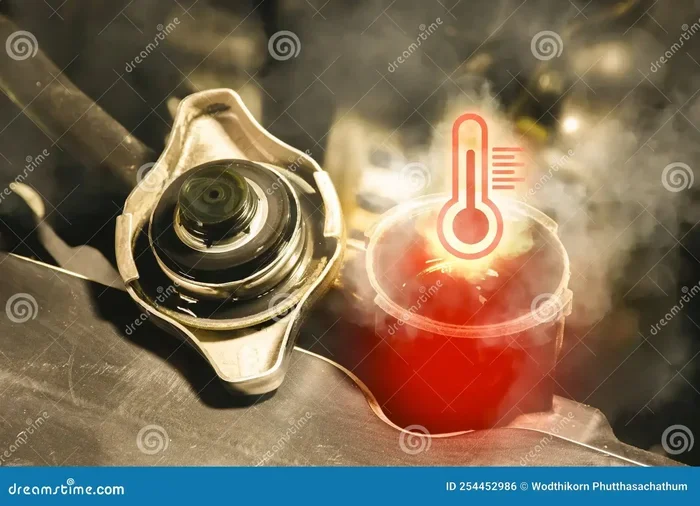
Another aspect of vehicle care that often gets overlooked is knowing when your car is trying to tell you something is wrong. For example, warning lights and unusual behaviors, such as driving with certain indicator lights on, can signal underlying issues. Similarly, understanding your car’s limits, like can I drive my car after it overheats, helps you avoid costly damage and stay safe on the road.
Key Takeaways
- A dirty cabin air filter reduces airflow from your vents, making your air conditioning less effective.
- Musty or unusual odors from the vents often mean your filter is trapping moisture and mold.
- Increased allergy symptoms inside the car can be directly linked to a clogged cabin air filter.
- Replace your cabin air filter every 12,000 to 15,000 miles or at least once a year.
- Driving in dusty or polluted conditions requires more frequent filter changes.
- Replacing the filter yourself costs less than 35 dollars and takes under 15 minutes.
- Ignoring a dirty filter can strain your blower motor and lead to expensive repairs.
Conclusion
Your cabin air filter works hard every time you drive. It quietly traps dust, pollen, and debris to keep the air inside your car clean. When it gets dirty, it sends clear warning signs. Reduced airflow, bad smells, allergy flare-ups, and unusual noises all point to a filter that needs replacing. The good news is that this is one of the easiest and most affordable maintenance tasks you can handle. Whether you do it yourself or visit a quick lube shop, the cost and effort are minimal compared to the benefits.
A clean cabin air filter means better air quality, a more comfortable driving experience, and a healthier environment for you and your passengers. Make it a habit to check your filter regularly. Set a reminder, add it to your maintenance schedule, and never let it go unnoticed. Your lungs and your car will thank you.
Take a few minutes today to locate your cabin air filter. Check its condition and replace it if needed. It is a small action that makes a big difference. Your next drive will feel fresher, cleaner, and more enjoyable.
Frequently Asked Questions
How do I find my cabin air filter?
Most cabin air filters are located behind the glove box or under the dashboard on the passenger side. Check your vehicle owner manual for the exact location. The manual will also include diagrams that show you how to access the filter housing. If you cannot find it, ask a parts store employee for help with your specific make and model.
Can I clean my cabin air filter instead of replacing it?
Some cabin air filters can be cleaned with compressed air, but most experts recommend replacement. Cleaning does not always remove all trapped particles, and the filter material may be damaged in the process. Replacing the filter ensures optimal performance and air quality. It is also very affordable, so replacement is the safer choice.
What happens if I never replace my cabin air filter?
Over time, a neglected cabin air filter becomes completely clogged. This reduces airflow, strains the blower motor, and allows allergens and pollutants into the cabin. You may notice weak vents, bad smells, and increased allergy symptoms. In severe cases, the blower motor can burn out, leading to an expensive repair that could have been easily prevented.
How much does a cabin air filter cost?
A cabin air filter typically costs between 15 and 35 dollars for the part alone. If you have a mechanic install it, expect to pay an additional 20 to 50 dollars for labor. The total cost is usually between 35 and 85 dollars. This is one of the most affordable maintenance items on any vehicle.
Can a dirty cabin air filter affect my air conditioning?
Yes, absolutely. A clogged cabin air filter restricts airflow through the air conditioning system. This makes the AC less effective and forces the blower motor to work harder. In hot weather, you may notice that your AC is not blowing cold air as strongly. Replacing the filter often restores full cooling performance immediately.
How long does it take to replace a cabin air filter?
Most people complete the job in 10 to 15 minutes. The process is straightforward and requires no special tools. You simply locate the filter housing, remove the old filter, insert the new one, and reassemble the panel. If you are doing it for the first time, give yourself about 30 minutes while you get familiar with the process.