How Do I Stop My Odometer From Counting Unwanted Miles
Stopping your odometer from counting unwanted miles depends on why the mileage is increasing incorrectly. Whether you are dealing with a malfunctioning unit, a digital glitch, or a replacement odometer, there are legal and practical steps you can take. This guide covers everything from basic troubleshooting to professional repair options.
This is a comprehensive guide about How Do I Stop My Odometer From Counting?.
Key Takeaways
- Know the Law: Odometer tampering is illegal in most countries and can result in heavy fines or criminal charges.
- Identify the Cause: Understanding why your odometer is counting unwanted miles helps you choose the right fix.
- Digital vs Mechanical: Modern digital odometers work differently than mechanical ones, and each has specific reset methods.
- Professional Help Is Key: Always consult a certified mechanic or dealership for legitimate odometer issues.
- Document Everything: Keep records of any odometer replacement or repair for transparency and legal protection.
- Prevention Matters: Regular car maintenance can prevent odometer malfunctions before they start.
[FEATURED_IMAGE_PLACEHOLDER]
Your car’s odometer is one of the most important instruments on your dashboard. It tracks every mile you drive, and that number affects your vehicle’s value, insurance, and even its safety record. But what happens when your odometer starts counting miles you did not actually drive? Maybe it jumped forward after a repair, or perhaps the digital screen is glitching and adding digits you do not recognize.
This is a frustrating situation that many car owners face. Whether you are dealing with a mechanical odometer that spins too fast or a digital unit that displays incorrect numbers, the problem needs attention. The good news is that there are ways to address this issue. But here is the most important thing to remember upfront: you must never tamper with your odometer to roll back mileage. That is illegal in the United States and many other countries, and it can lead to serious consequences.
In this guide, we will walk you through everything you need to know about stopping your odometer from counting unwanted miles. We will cover the common causes, the difference between digital and mechanical systems, and the legal steps you can take. By the end, you will have a clear picture of what to do and what to avoid.
Understanding How Your Odometer Works
Before you can fix a problem, you need to understand how the system works in the first place. Your odometer is connected to your vehicle’s wheel speed sensors or transmission. Every time your tires rotate, a signal is sent to the odometer unit, which adds a small fraction of a mile to the total count.
Mechanical Odometers
Older vehicles use a mechanical odometer. This system relies on a cable that connects the transmission to the dashboard gauge. As the wheels turn, the cable spins a set of gears inside the odometer unit. Each rotation adds to the mileage display. These systems are simple but can wear out over time. When the gears strip or the cable breaks, the odometer may stop working or start counting inaccurately.
Digital Odometers
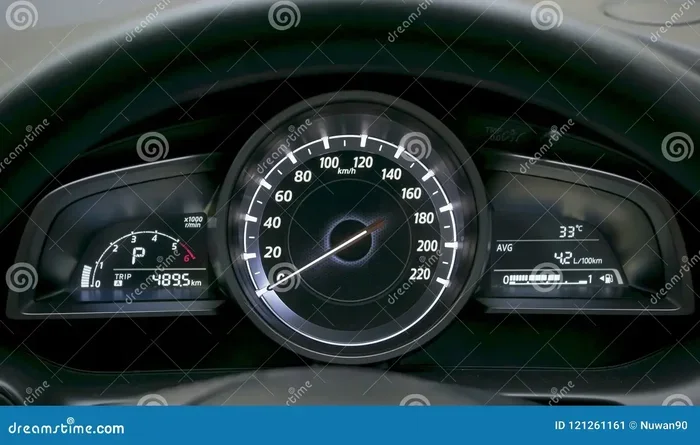
Most modern vehicles use digital odometers. These are electronic units that receive signals from the vehicle’s computer system. The car’s engine control module (ECM) processes wheel speed data and sends it to the odometer display. Digital odometers are more accurate than mechanical ones, but they are not immune to problems. Software glitches, wiring issues, or a failed sensor can all cause the odometer to count incorrectly.
Why Your Odometer Might Be Counting Unwanted Miles
There are several reasons why your odometer might start adding miles that you did not actually drive. Understanding the root cause is the first step toward fixing the problem.
Sensor Malfunction
Your vehicle relies on wheel speed sensors to track how far you have traveled. If one of these sensors fails or sends incorrect data, the odometer will count miles that do not reflect actual driving. This is a common issue after tire rotations or wheel replacements if the sensors are not reinstalled correctly.
Wiring and Electrical Issues
Loose or corroded wiring can send false signals to the odometer. Water damage under the dashboard is another culprit. If moisture gets into the odometer unit or the wiring harness, it can cause the display to jump or count erratically. This type of problem often shows up after driving through deep water or during heavy rain.
Odometer Replacement
If you have replaced your odometer or had a new one installed, the new unit might not be properly calibrated. Some replacement odometers start from zero or a random number, which can make it look like extra miles have been added. This is especially common in older vehicles where the original odometer unit fails and needs to be swapped out.
Software Glitches in Modern Vehicles
Newer cars have complex computer systems that control the odometer. Sometimes a software update or a glitch in the vehicle’s firmware can cause the odometer to miscount. This is rare but does happen. If your car recently had a software update or a new module installed, this could be the source of the problem.
Can You Legally Stop Your Odometer From Counting?
This is the most important question to address. The short answer is: it depends on why you want to stop it. Odometer tampering is a federal crime in the United States under the Motor Vehicle Safety Act. Rolling back your odometer to make a car seem like it has fewer miles is illegal and can result in fines, jail time, and civil lawsuits.
However, there are legitimate reasons to stop or reset an odometer. For example, if you have installed a new odometer unit after the original one failed, you may need to set it to match the actual mileage of the vehicle. This is legal as long as you disclose the replacement and the correct mileage on all required documentation.
Another legitimate reason is a malfunctioning odometer that is counting miles when the car is not moving. This could happen due to a sensor error or a wiring short. In this case, you should have the issue diagnosed and repaired by a professional. Stopping the odometer temporarily while you get it fixed is different from permanently disabling it.
What the Law Says
The federal government requires that odometers be accurate and that any tampering be disclosed. If you sell a vehicle, you must report the correct mileage on the title. If your odometer is broken and you cannot provide an accurate reading, you must state that on the title as well. Failure to do so can result in legal penalties.
Some states have additional laws that go beyond federal requirements. For instance, California has strict rules about odometer disclosure and requires a separate form for any vehicle under ten years old. Before you take any action, check your state’s specific regulations.
How to Diagnose an Odometer That Is Counting Wrong
If you suspect your odometer is counting unwanted miles, the first step is to diagnose the problem. Here is a simple process you can follow.
- Check your trip meter. Compare the trip meter reading with the main odometer. If the trip meter is also counting incorrectly, the issue is likely with the sensors or wiring, not the odometer display itself.
- Inspect the wheel speed sensors. Look for loose connections or damaged wiring near the wheels. A damaged sensor can send incorrect signals to the odometer.
- Check for error codes. Use an OBD-II scanner to read any diagnostic trouble codes from your vehicle’s computer. A P0171 code or similar sensor-related codes can point to the source of the problem.
- Look for physical damage. Check the odometer display for cracked screens, loose connections, or water damage. These physical issues can cause the display to malfunction.
- Visit a trusted mechanic. If you cannot find the cause yourself, take your vehicle to a certified mechanic or a dealership service center. They have the tools and expertise to diagnose complex electrical issues.
Many auto parts stores and service centers, including Jiffy Lube, offer diagnostic services that can help identify odometer-related problems. A professional diagnostic check can save you time and money by pinpointing the exact cause of the issue.
Steps to Fix an Odometer That Counts Unwanted Miles
Once you have identified the cause, you can take steps to fix the problem. Here are the most common solutions.
Replace or Repair the Wheel Speed Sensor
If a faulty sensor is causing the odometer to count incorrectly, replacing the sensor is usually straightforward. The sensor is typically located near the wheel hub or transmission. Replacement costs range from $50 to $250 depending on your vehicle make and model. After installing a new sensor, the odometer should return to normal operation.
Fix Wiring and Electrical Connections
Corroded or loose wiring can be cleaned or replaced. Start by tracing the wiring from the odometer unit to the sensors. Look for any visible damage, loose connectors, or signs of moisture. Repairing or replacing damaged wires often resolves odometer counting issues without the need for expensive parts.
Reprogram or Replace the Odometer Unit
For digital odometers, a software reprogram might fix the issue. A dealership or qualified mechanic can access the vehicle’s computer system and reflash the odometer software. If the unit itself is physically damaged, it will need to be replaced. When replacing a digital odometer, make sure the new unit is programmed with the correct existing mileage.
Calibrate the Odometer After Repair
After any repair or replacement, it is important to calibrate the odometer. This ensures that the mileage reading is accurate. Calibration involves driving a known distance and comparing the odometer reading to the actual distance. If there is a discrepancy, the unit may need further adjustment.
Preventing Odometer Problems in the Future
The best way to deal with odometer issues is to prevent them from happening in the first place. Regular vehicle maintenance goes a long way toward keeping your odometer and related systems working properly.
- Keep your wiring dry. Avoid driving through deep water whenever possible. If you must drive through water, check your electrical systems afterward.
- Schedule regular diagnostics. Have your vehicle checked at least once a year. A routine diagnostic check can catch sensor and wiring problems before they affect your odometer.
- Address warning lights promptly. If you notice your Trac Off light staying on or any other dashboard warning, get it checked right away. These lights often signal underlying electrical issues that can affect your odometer.
- Keep records of all repairs. Document every repair and replacement, especially those involving the odometer or related sensors. This protects you legally and helps future buyers verify your vehicle’s history.
Taking care of your vehicle also means paying attention to how it performs. If you notice any changes in how your car drives or any unusual dashboard readings, do not ignore them. Early intervention can prevent small problems from becoming expensive repairs.
What Never to Do With Your Odometer
There are certain actions that are illegal and unethical. Here is what you should never do with your odometer.
- Never roll back your mileage. This is odometer fraud and is a serious crime. It can result in criminal charges, fines, and imprisonment.
- Never sell a vehicle with a disconnected or broken odometer without disclosure. Buyers have the right to know the actual mileage of the vehicle.
- Never use unauthorized devices to reset or alter your odometer. There are devices sold online that claim to reset odometers, but using them is illegal and can void your vehicle’s warranty.
- Never ignore a malfunctioning odometer. A broken odometer can affect your vehicle’s resale value and may indicate a larger electrical problem that needs attention.
If you are ever tempted to alter your odometer reading for any reason, remember that modern vehicles have detailed history reports. Services like Carfax and AutoCheck track mileage records across multiple owners. Any discrepancy will be discovered, and the consequences can be severe.
When to Seek Professional Help
Some odometer issues can be fixed at home with basic tools and a little knowledge. But many problems require professional expertise. You should seek help from a certified mechanic or dealership if:
- The odometer is completely non-functional and not displaying any numbers.
- The mileage jumps erratically without any clear pattern.
- You have replaced the sensor or wiring but the odometer still counts incorrectly.
- Your vehicle has been through a flood and the odometer is now malfunctioning.
- You are planning to sell the vehicle and need a certified odometer reading.
Professionals have access to specialized diagnostic equipment that can read your vehicle’s computer system and identify the exact source of the problem. They can also ensure that any repairs comply with federal and state laws. If you are dealing with a complex electrical issue or a digital odometer that needs reprogramming, professional help is always the safest choice.
Final Thoughts
Dealing with an odometer that counts unwanted miles can be stressful, but it is a problem that can be solved. The key is to approach it the right way. Start by understanding how your odometer works and identifying the root cause of the problem. Then take legal, practical steps to fix it. And most importantly, never consider rolling back your mileage or tampering with the odometer for deceptive purposes.
Regular maintenance and prompt attention to warning signs can keep your odometer accurate for the life of your vehicle. If you ever feel unsure about what to do, consult a trusted mechanic or visit your dealership service center. They have the knowledge and tools to handle any odometer issue the right way.
Your odometer is a record of every mile you and your vehicle have traveled together. Keeping it accurate is not just a legal requirement, it is a matter of honesty and integrity. Take care of it, and it will take care of you.
Frequently Asked Questions
Is it legal to stop my odometer from counting miles?
It depends on the reason. Temporarily stopping a malfunctioning odometer while you get it repaired is generally acceptable. However, permanently disabling or rolling back an odometer is illegal and can result in serious penalties. Always consult a professional if you are unsure about what is legal in your situation.
How much does it cost to fix an odometer that counts incorrectly?
The cost varies depending on the cause. Replacing a wheel speed sensor typically costs between $50 and $250. Wiring repairs may be less expensive. Digital odometer replacement and reprogramming can range from $200 to $600. A diagnostic check at a service center can give you a more accurate estimate for your specific vehicle.
Can I drive my car if the odometer is not working?
Yes, you can still drive your car if the odometer is not working. The odometer is a monitoring instrument and does not affect the vehicle’s ability to operate. However, you should have it repaired promptly, as an inaccurate or non-functioning odometer can cause problems during vehicle inspections and when selling the car.
What should I do if my odometer jumped after a repair?
If your odometer jumped after a repair, document the mileage before and after the service. Contact the repair shop and explain the situation. They may need to recalibrate the odometer or investigate whether a sensor or wiring issue was caused during the repair. Keep all records for your protection.
Can I use an OBD-II scanner to fix my odometer?
An OBD-II scanner can help you diagnose the problem by reading error codes from your vehicle’s computer. However, it cannot fix the odometer itself. If the scanner reveals a sensor or wiring issue, you can address that specific problem. For odometer unit replacements or reprogramming, you will need professional assistance.
How can I prevent my odometer from malfunctioning?
Regular vehicle maintenance is the best prevention. Keep your electrical systems dry, address warning lights promptly, and schedule routine diagnostics. Avoid driving through deep water, and if your vehicle has been in a flood, have all electrical systems inspected immediately. These steps can help keep your odometer and related systems working properly for years.
=== CONCLUSION ===
Your odometer is more than just a number on the dashboard. It is a record of your vehicle’s life, and keeping it accurate matters. Whether you are dealing with a sensor malfunction, a wiring issue, or a digital glitch, there are clear steps you can take to fix the problem the right way. Always prioritize legal and ethical solutions, and never consider tampering with your mileage for any reason.
By understanding how your odometer works, diagnosing problems early, and seeking professional help when needed, you can keep your vehicle running honestly and reliably. Share this guide with fellow car owners who might be facing the same issue, and remember that a well-maintained vehicle is a trustworthy vehicle.