How Many Cars Does Honda Make a Year in Production
Honda produces approximately 4 to 5 million vehicles per year across its global network of assembly plants. Honda’s annual car production has grown steadily over the past two decades, making it one of the world’s largest automakers. From compact sedans to SUVs and hybrids, Honda’s production numbers reflect its strong position in the global auto market.
Key Takeaways
- Understanding How Many Cars Does Honda Make a Year?: Provides essential knowledge
📑 Table of Contents
- How Many Cars Does Honda Make a Year in Production
- Honda’s Global Production Overview
- How Many Cars Does Honda Make a Year in Numbers
- Honda’s Most Produced Models
- Honda’s Manufacturing Process and Efficiency
- Honda’s Workforce and Technician Roles
- Honda’s Production Trends and Future Outlook
- Key Takeaways
- FAQs
- Conclusion
How Many Cars Does Honda Make a Year in Production
Honda is one of the biggest carmakers on the planet. Every year, millions of vehicles roll off Honda’s assembly lines and head to dealerships around the world. How many cars does Honda make a year is a question that car fans, buyers, and industry watchers ask all the time. The answer is bigger than you might think. Honda’s annual production volume reflects decades of growth, smart planning, and a deep commitment to quality.
In this article, we break down Honda’s yearly output step by step. You will learn about Honda’s global factories, its most popular models, and how Honda manufacturing has changed over the years. We also look at what the future holds for Honda’s production numbers. Whether you are a Honda fan or just curious about how cars get made, this guide has everything you need.
The world of car manufacturing is fascinating. Honda builds vehicles in more than 30 countries. Each plant has its own role in the big picture of Honda’s global production. Let us dive into the numbers and see what makes Honda tick.
Honda’s Global Production Overview
Honda operates a vast network of manufacturing facilities spread across Asia, North America, Europe, and beyond. These plants work together to meet the demand for Honda vehicles worldwide. Understanding where Honda builds its cars helps explain the scale of its operations.
Honda’s Main Assembly Plants
Honda has dozens of assembly plants around the world. Some of the biggest ones are in Japan, the United States, Mexico, China, and Thailand. In Japan, Honda’s birthplace, the Suzuka and Sayama plants have been running for decades. In the U.S., Honda operates major factories in Ohio, Indiana, and Alabama. These plants employ thousands of workers and produce hundreds of thousands of vehicles every year.
Each plant focuses on specific models. For example, Honda’s Ohio plants build popular SUVs and sedans for the North American market. This regional approach helps Honda respond quickly to local demand. It also keeps shipping costs down and delivery times short.
How Many Models Honda Produces Each Year
Honda’s model lineup is wide and varied. The company builds cars, SUVs, trucks, and hybrids. Some of the most well-known models include the Civic, Accord, CR-V, Pilot, HR-V, and Odyssey. Honda also produces the Fit, the Passport, and the Ridgeline. On the hybrid side, the Insight and the Accord Hybrid are popular choices.
Each model has its own production schedule. Some models sell all year long, while others are seasonal. Honda adjusts its production lines to match what customers want. This flexibility is a big reason Honda has stayed competitive for so long.
How Many Cars Does Honda Make a Year in Numbers
The answer to how many cars does Honda make a year depends on the year and the market conditions. Honda’s production numbers shift based on demand, supply chain issues, and global events. Let us look at the big picture.
Annual Production Numbers by Year
In recent years, Honda has produced between 4 and 5 million vehicles annually. Before the pandemic, Honda’s output was closer to 5 million units per year. The COVID-19 pandemic caused a dip in production during 2020 and 2021. Supply chain disruptions, chip shortages, and factory shutdowns all played a role. But Honda bounced back quickly and resumed strong production levels.
Here is a rough look at Honda’s annual production over the last few years:
- 2018: Around 5 million units globally
- 2019: Approximately 4.8 million units
- 2020: Dipped to around 3.8 million units due to the pandemic
- 2021: Recovered to roughly 4.2 million units
- 2022: Steady production at around 4.5 million units
- 2023: Production climbed back toward the 5 million mark
These numbers show Honda’s resilience. Even during tough times, Honda found ways to keep production moving. The company’s ability to adapt has been key to its long-term success.
Honda’s Production by Region
Honda produces cars in many regions. Japan is still the largest production hub, but Honda has shifted more capacity to North America and Asia in recent years. Here is a general breakdown of where Honda builds its vehicles:
- Japan: Home to Honda’s oldest and most experienced plants. Japan produces a wide range of Honda models for both domestic and export markets.
- North America: Honda’s U.S. and Canadian plants focus on SUVs and sedans for the American market. The Ohio factories alone produce over a million vehicles per year.
- China: Honda partners with local companies to build cars for the massive Chinese market. China is now one of Honda’s biggest production regions.
- Southeast Asia: Plants in Thailand, Indonesia, and the Philippines serve the growing Asian market. These factories produce compact cars and SUVs.
- Europe: Honda has a smaller presence in Europe but still operates production facilities in the UK and other countries.
This global spread gives Honda a major advantage. It can serve customers in different markets without relying too heavily on one region.
Honda’s Most Produced Models
Not all Honda models are created equal when it comes to production volume. Some vehicles sell far more than others. Honda’s best-selling models drive the bulk of its annual output.
Best-Selling Honda Vehicles
The Honda CR-V is one of the most popular SUVs in the world. It consistently ranks among Honda’s top sellers. The Civic is another massive hit. Honda has sold millions of Civics over the decades. The Accord also sells very well, especially in the United States. On the SUV side, the HR-V and the Pilot are also strong sellers.
Honda’s minivan, the Odyssey, is a favorite among families. It may not get the same attention as the Civic or CR-V, but it sells steadily year after year. The Ridgeline, Honda’s pickup truck, has carved out a loyal following too.
Honda’s SUV and Sedan Production
SUVs have become Honda’s biggest segment. Models like the CR-V, HR-V, Pilot, and Passport make up a large share of Honda’s production. Sedans like the Civic and Accord still sell well, but the shift toward SUVs is clear across the industry. Honda has adjusted its production lines to build more SUVs and fewer sedans in recent years.
Hybrids are also growing fast. Honda’s hybrid models, including the CR-V Hybrid and the Accord Hybrid, are gaining popularity. This trend is expected to continue as more buyers look for fuel-efficient options.
Honda’s Manufacturing Process and Efficiency
Honda is known for its efficient manufacturing methods. The company has spent decades refining its production process. This focus on efficiency helps Honda keep costs down and quality high.
Honda’s Production Line Technology
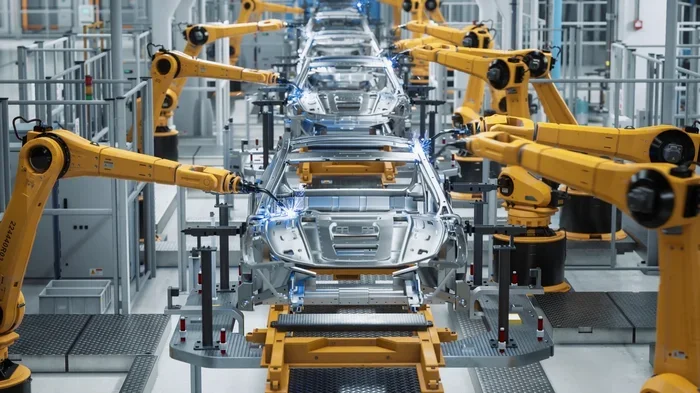
Honda uses advanced robotics and automation on its assembly lines. Robots handle repetitive tasks like welding and painting. Human workers focus on more complex jobs that require judgment and skill. This mix of automation and human expertise keeps Honda’s factories running smoothly.
Honda also uses a “just-in-time” production system. This means parts arrive at the factory exactly when they are needed. It reduces waste and keeps inventory costs low. Honda’s suppliers play a big role in this system. Close partnerships with parts makers help Honda stay efficient.
Does Your Car Run Better With a New Serpentine Belt?
One small part that affects Honda’s overall quality is the serpentine belt. This belt powers many accessories in your Honda, from the alternator to the power steering pump. A worn-out serpentine belt can cause problems. It can lead to overheating, electrical issues, or steering difficulties. Replacing it on time helps your Honda run at its best. So yes, your car does run better with a new serpentine belt. It is a simple maintenance step that pays off in the long run.
Honda’s Supply Chain and Parts Sourcing
Honda works with thousands of suppliers around the world. These suppliers provide everything from engines and transmissions to smaller parts like buttons and wiring. Honda has strict quality standards for its suppliers. Every part must meet Honda’s specifications before it goes into a vehicle.
The supply chain is one of the biggest challenges in car manufacturing. Events like natural disasters, trade disputes, and global health crises can disrupt it. Honda has built some resilience into its supply chain by working with suppliers in multiple regions. This diversification helps Honda keep production going even when one region faces problems.
Honda’s Workforce and Technician Roles
Building millions of cars a year takes a huge workforce. Honda employs hundreds of thousands of people worldwide. From factory workers to engineers to dealership technicians, Honda’s team is the backbone of its production.
Do Technicians Make More Than Mechanics?
Honda dealerships employ both technicians and mechanics. The terms are sometimes used interchangeably, but there are differences. Technicians at Honda dealerships often have more specialized training. They use advanced diagnostic tools and work on complex systems like hybrid powertrains. Because of this, technicians do make more than mechanics in many cases. Honda invests in training its dealership staff to handle the latest technology. This investment helps ensure that Honda owners get quality service.
Honda’s Training Programs
Honda takes training seriously. The company offers programs for factory workers and dealership staff alike. Factory workers learn how to operate assembly line equipment safely and efficiently. Dealership technicians receive ongoing training on new models and new technology. Honda’s training programs help maintain high standards across the entire company.
These programs also help Honda attract top talent. In a competitive job market, offering strong training gives Honda an edge. Skilled workers are essential to keeping production lines running and service departments performing well.
Honda’s Production Trends and Future Outlook
Honda’s production strategy is always evolving. The company is investing in new technologies and adapting to changing market conditions. Here is a look at where Honda’s production is headed.
Electric Vehicle Production Plans
Honda is putting more focus on electric vehicles (EVs). The company plans to launch several new EV models in the coming years. Honda has also partnered with other automakers to develop EV technology. This shift will change Honda’s production mix over time. More factory capacity may be dedicated to EVs in the future.
Honda’s goal is to have electric or hybrid versions of most of its models by 2030. This is a big ambition. It will require significant investment in new production lines and battery supply chains. But Honda is well-positioned to make this transition.
Does Sport Mode Save Gas?
Many Honda models come with a sport mode. Drivers often wonder if using sport mode saves gas. The short answer is no. Sport mode makes the engine respond faster and shifts gears differently. It feels more exciting to drive, but it usually uses more fuel, not less. If you want to save gas, stick with the normal or eco mode. Honda’s eco mode is designed to improve fuel economy, not sport mode.
Honda’s Global Market Strategy
Honda’s production is closely tied to its global market strategy. The company sells cars in nearly every country. Honda tailors its models to suit different markets. For example, Honda builds smaller cars for crowded cities in Asia. It builds larger SUVs for families in North America. This market-driven approach helps Honda maximize its production efficiency.
Honda also keeps a close eye on trade policies and tariffs. Changes in trade rules can affect where Honda builds its cars. The company has been shifting some production away from China and toward other Asian countries. This flexibility helps Honda stay competitive in a changing world.
Key Takeaways
- Honda produces around 4 to 5 million vehicles per year across its global network of factories.
- Honda’s annual output has recovered strongly after pandemic-related dips in 2020 and 2021.
- Honda’s best-selling models include the Civic, Accord, CR-V, HR-V, and Pilot.
- Honda’s manufacturing process relies on advanced automation, just-in-time parts delivery, and strict quality standards.
- Honda’s workforce includes factory workers, engineers, and trained dealership technicians who keep the company running.
- Honda’s future production will shift more toward electric and hybrid vehicles as the company moves toward its 2030 EV goals.
- Honda’s global strategy means production is spread across Japan, North America, China, and Southeast Asia to serve different markets efficiently.
FAQs
How Many Cars Does Honda Make a Day?
Honda produces roughly 11,000 to 14,000 vehicles per day across all its global plants. The exact number varies by factory and model. Some plants run multiple shifts to maximize output. Honda’s largest plants can produce several thousand cars per day on their own.
Which Honda Model Sells the Most?
The Honda CR-V is Honda’s best-selling model worldwide. It has been a top seller for many years. The Civic and Accord are also among the most popular Honda vehicles. SUV models have been driving Honda’s sales growth in recent years.
Does Honda Build Cars in the United States?
Yes, Honda builds cars in the United States. Honda operates major factories in Ohio, Indiana, and Alabama. These plants produce popular models like the CR-V, Pilot, Odyssey, and Accord. Honda’s U.S. factories employ thousands of workers and serve the North American market.
How Has Honda’s Production Changed Over the Years?
Honda’s production has grown significantly since the 1960s. The company started as a small motorcycle maker and expanded into cars. Over the decades, Honda has built more factories and increased its output. Recent challenges like the pandemic and chip shortages have caused temporary dips, but Honda has always recovered and adapted.
Is Honda Planning to Produce More Electric Vehicles?
Yes, Honda is heavily investing in electric vehicles. The company plans to introduce many new EV models by 2030. Honda has also announced partnerships to develop next-generation EV technology. This shift will change the mix of Honda’s production in the coming years.
Where Does Honda Produce the Most Cars?
Japan is Honda’s largest production base, followed by North America and China. Honda’s Suzuka plant in Japan is one of the company’s most important facilities. In the U.S., the Ohio factories are the biggest Honda plants outside of Japan. Honda has also expanded production in Thailand and Indonesia to serve the Southeast Asian market.
Conclusion
How many cars does Honda make a year is a question with a big answer. Honda produces millions of vehicles annually, and its global reach is truly impressive. From the factories in Japan to the plants in Ohio, Honda’s production network is built for scale and quality.
The company’s focus on efficiency, innovation, and customer needs has kept it at the top of the auto industry for decades. Honda’s best-selling models like the Civic, CR-V, and Accord continue to win over buyers around the world. And as Honda shifts toward electric vehicles, its production strategy will keep evolving.
If you are a Honda owner or thinking about becoming one, understanding Honda’s production story adds a new layer of appreciation. Every Honda vehicle represents the work of thousands of skilled people and decades of engineering excellence. Honda’s commitment to building quality cars is clear in every number it produces.
Keep these production insights in mind the next time you see a Honda on the road. It is part of a massive global effort that moves millions of vehicles every single year. Honda’s story is far from over, and its next chapter is sure to be just as impressive.