How Much Freon Does a 2017 Nissan Altima Need for AC
The 2017 Nissan Altima takes approximately 2.6 pounds (or about 38 ounces) of R-134a Freon for its AC system. Knowing the correct refrigerant amount is essential for keeping your car cool and avoiding costly repairs. This guide covers everything from AC recharge basics to symptoms of low Freon and step-by-step instructions.
If you have been cranking up the air conditioning in your 2017 Nissan Altima and still feeling warm air, the problem might be low Freon levels. Freon, also known as refrigerant, is the lifeblood of your car’s cooling system. Without the right amount, your AC simply cannot do its job.
So how much Freon does a 2017 Nissan Altima actually take? The answer is straightforward. Most 2017 Nissan Altima models require approximately 2.6 pounds of R-134a refrigerant to fill the system properly. However, the exact amount can vary slightly depending on your specific trim level and whether your vehicle has dual-zone climate control.
In this article, we will walk you through everything you need to know about refrigerant levels, AC recharge procedures, and how to spot the warning signs before your entire system goes down. Whether you are a DIY enthusiast or just curious about your car AC system, this guide has you covered.
Keeping your air conditioning running strong is not just about comfort. It is also about safety and vehicle health. A properly functioning cooling system helps regulate cabin temperature, reduces driver fatigue on long trips, and even prevents foggy windows during humid months.
Key Takeaways
- Correct Freon Amount: The 2017 Nissan Altima requires approximately 2.6 lbs of R-134a refrigerant for optimal AC performance.
- Low Freon Signs: Warm air, weak airflow, and clicking sounds from the engine bay are clear indicators your system needs attention.
- DIY Recharge Is Possible: With the right tools and a can of R-134a, most homeowners can recharge their Altima AC at home.
- Avoid Overcharging: Too much Freon can damage the compressor and reduce cooling efficiency significantly.
- Regular Maintenance Matters: Scheduling routine car AC maintenance helps prevent refrigerant leaks and extends system life.
- Professional Help When Needed: If you notice persistent leaks or complex issues, a certified mechanic can run proper AC diagnostics.
📑 Table of Contents
- Understanding the 2017 Nissan Altima AC System
- How Much Freon Does a 2017 Nissan Altima Actually Need?
- Symptoms of Low Freon in Your 2017 Altima
- How to Recharge Freon in a 2017 Nissan Altima
- Common Causes of Freon Loss in the 2017 Altima
- Preventing Future Freon Loss and Maintaining Your AC
- How Much Does It Cost to Recharge Freon in a 2017 Altima?
- When to See a Professional Mechanic
- Final Thoughts on Your 2017 Altima AC Freon Needs
Understanding the 2017 Nissan Altima AC System
Before you dive into how much Freon your Altima needs, it helps to understand how the system works. Your car’s air conditioning is not just one single part. It is a network of components working together to remove heat from inside your cabin.
Key Components of the AC System
Each part plays a vital role in the cooling process. Here is a quick breakdown of the main components:
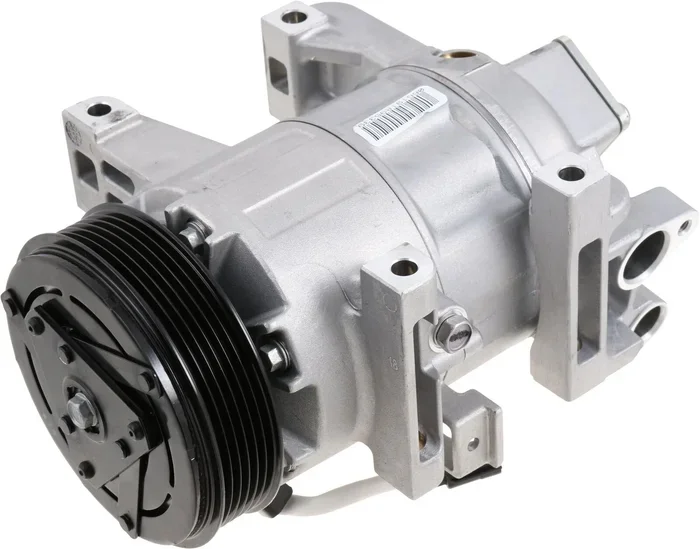
- Compressor: This is the engine of your AC system. It pumps refrigerant through the entire loop and compresses it into a high-pressure gas.
- Condenser: Located in front of the radiator, the condenser releases heat from the refrigerant, turning it from a gas into a liquid.
- Expansion Valve: This small device regulates the flow of refrigerant into the evaporator, dropping the pressure and temperature significantly.
- Evaporator: Housed inside your dashboard, the evaporator absorbs heat from the cabin air, giving you that refreshing cool breeze.
- Receiver/Drier: This component removes moisture and contaminants from the refrigerant, keeping your system clean and efficient.
When any of these parts fail or when the refrigerant charge drops too low, the entire system suffers. That is why knowing the correct Freon amount for your 2017 Altima is so important.
How Much Freon Does a 2017 Nissan Altima Actually Need?
The exact refrigerant capacity for the 2017 Nissan Altima is approximately 2.6 pounds of R-134a Freon. This is the standard amount for most trims, including the base model, the SR, and the SL. If your Altima has the optional dual-zone automatic climate control, the amount remains the same at 2.6 pounds.
However, there is a nuance here. The 2.6-pound figure represents a full system charge. In reality, your AC system is a sealed loop, and under normal conditions, you should never lose refrigerant. If your levels are low, something is wrong. There is likely a leak somewhere in the system that needs to be addressed.
Why the Correct Amount Matters
Putting the wrong amount of Freon into your Altima can cause serious problems. Here is what happens when things go wrong:
- Undercharged System: Too little refrigerant means your AC will blow warm or lukewarm air. The compressor may also cycle on and off frequently, causing wear and tear over time.
- Overcharged System: Too much Freon creates excessive pressure inside the system. This can lead to compressor failure, blown seals, and even refrigerant leaks from pressure relief valves.
- Mixed Refrigerants: Using the wrong type of refrigerant, such as mixing R-12 with R-134a, can cause chemical reactions that damage internal components beyond repair.
Always double-check the refrigerant type and amount before adding anything to your system. The 2017 Nissan Altima uses R-134a, which is the standard automotive refrigerant used in most vehicles manufactured after 1994.
Symptoms of Low Freon in Your 2017 Altima
Detecting low Freon early can save you from expensive repairs down the road. Your car usually gives you several warning signs before the problem becomes severe. Here are the most common symptoms to watch for.
Warm Air From the Vents
This is the most obvious sign. If you turn on the AC and the air feels lukewarm or barely cooler than the outside temperature, your refrigerant level may be too low. The system simply does not have enough Freon to absorb and transfer heat effectively.
Weak or Inconsistent Airflow
Sometimes low Freon does not completely stop the cooling process. Instead, you might notice that the airflow feels weaker than usual or that the temperature fluctuates between cool and warm. This inconsistent behavior often points to a dropping refrigerant charge.
Clicking Sounds From the Engine Bay
When your AC compressor does not receive enough refrigerant, it may engage and disengage rapidly. This creates a noticeable clicking or ticking sound coming from the front of the engine. If you hear this, do not ignore it.
Visible Ice on the AC Lines
Low refrigerant causes the pressure inside the AC lines to drop. This can cause moisture in the system to freeze, forming ice on the AC lines or around the evaporator. If you see frost or ice buildup, your refrigerant level is almost certainly too low.
Refrigerant Oil Leaks
Freon travels with a small amount of refrigerant oil that lubricates the compressor and other moving parts. If you notice oily residue or wet spots around the AC connections, you likely have a leak that is slowly draining both refrigerant and oil from the system.
How to Recharge Freon in a 2017 Nissan Altima
If you have confirmed that your Altima needs more Freon, you can recharge the system yourself with basic tools. However, always remember that recharging is a temporary fix if there is an underlying leak. Let us walk through the process step by step.
What You Will Need
- A can of R-134a refrigerant (the correct type for your 2017 Altima)
- A refrigerant recharge kit with a pressure gauge
- Safety glasses and gloves
- A thermometer to measure vent temperatures
- Your vehicle owner’s manual for reference
Step-by-Step Recharge Process
Step 1: Start your engine and turn the AC to maximum cold with the blower on high. Let the engine idle for about five minutes to circulate any remaining refrigerant.
Step 2: Locate the low-pressure service port on your Altima. It is usually found on the larger diameter line running from the compressor to the condenser. Consult your owner’s manual if you are unsure.
Step 3: Attach the recharge hose from your kit to the low-pressure port. Make sure the connection is secure to prevent refrigerant from escaping.
Step 4: Check the current pressure reading on your gauge. Compare it to the recommended range for your vehicle, which is typically between 25 and 45 PSI when the AC is running at max cool.
Step 5: Slowly add R-134a refrigerant from the can. Monitor the pressure gauge closely and stop when you reach the recommended level. Never exceed the maximum capacity of 2.6 pounds.
Step 6: Disconnect the hose carefully, replace the cap on the service port, and let the system run for a few minutes. Check the vent temperature to confirm the AC is blowing cold air.
Quick Tips for a Safe Recharge
- Always recharge on a cool day if possible. Hot ambient temperatures can give you inaccurate pressure readings.
- Never open the high-pressure side of the system. This can cause serious injury from high-pressure refrigerant spray.
- Do not overcharge. Adding too much Freon is just as harmful as having too little.
- If the pressure does not hold after recharging, you likely have a leak that needs professional repair.
For those who prefer not to work on their vehicles, a quick trip to a shop that does Jiffy Lube do diagnostics can help identify whether the low Freon is a simple top-off or a symptom of a deeper problem.
Common Causes of Freon Loss in the 2017 Altima
A sealed AC system should never lose refrigerant under normal conditions. If your levels are dropping, something is causing a leak. Here are the most common culprits in the 2017 Nissan Altima.
Worn or Damaged AC Hoses
Over time, the rubber hoses that connect various AC components can become brittle and crack. These small cracks allow refrigerant to slowly escape. This is especially common in older vehicles or those that have been exposed to extreme temperatures.
Faulty Compressor Seals
The AC compressor has internal seals that can wear down over time. When these seals fail, refrigerant leaks past them and escapes into the engine bay or is burned off with the engine oil. Compressor seal failures often require professional replacement.
Leaking Condenser
The condenser sits at the front of the vehicle and is exposed to road debris, rocks, and other hazards. A punctured or damaged condenser can lose refrigerant quickly. If you notice a sudden drop in AC performance after hitting something in the road, the condenser may be to blame.
Corroded Connection Points
The fittings and connection points where AC lines join together can corrode over time, especially in areas with salted roads or high humidity. Corrosion creates tiny pathways for refrigerant to escape, and these micro-leaks can be very difficult to detect without specialized equipment.
Failed Schrader Valves
Each service port has a Schrader valve that can wear out or break. A damaged Schrader valve may not seal properly, allowing refrigerant to seep out slowly. Replacing a Schrader valve is a relatively inexpensive repair compared to other AC system components.
Preventing Future Freon Loss and Maintaining Your AC
Prevention is always better than cure when it comes to your car AC system. Regular maintenance and a few simple habits can keep your 2017 Altima’s cooling system running strong for years to come.
Run Your AC Regularly
Even during the cooler months, run your AC for at least 10 to 15 minutes once a week. This keeps the compressor lubricated and the seals flexible. Letting the system sit unused for months can cause seals to dry out and crack, leading to refrigerant leaks.
Check for Leaks Annually
Have a professional inspect your AC system at least once a year. A UV dye test or electronic leak detector can find small leaks before they become major problems. Many shops that perform auto AC service include a leak check as part of a routine maintenance visit.
Replace Cabin Air Filters
While the cabin air filter does not directly affect the refrigerant level, a clogged filter restricts airflow and makes the AC system work harder. This extra strain can accelerate wear on the compressor and other components. Replace your cabin filter according to the maintenance schedule in your owner’s manual.
Keep the Condenser Clean
The condenser fins can become clogged with dirt, bugs, and debris over time. Use a soft brush or compressed air to gently clean the fins at least twice a year. A clean condenser allows heat to dissipate more efficiently, reducing the workload on your entire system.
Address Issues Promptly
If you notice any warning signs of low Freon, address them immediately. Running the AC on low refrigerant for an extended period can cause the compressor to overheat and fail. A compressor replacement is one of the most expensive AC repairs, costing anywhere from $500 to $1,000 or more. A simple refrigerant top-off costs a fraction of that.
Also, keep in mind that your vehicle’s overall health affects the AC system. For example, if you notice your car is running rough or overheating, issues like can a car overheat in the winter may be connected to broader cooling system problems that can indirectly affect your AC performance as well.
How Much Does It Cost to Recharge Freon in a 2017 Altima?
The cost of recharging your 2017 Nissan Altima’s AC system varies depending on whether you do it yourself or visit a professional shop. Here is a quick breakdown of typical costs.
| Service Option | Estimated Cost | Notes |
|---|---|---|
| DIY Recharge Kit | $20 – $50 | Includes refrigerant can and gauge. Best for minor top-offs only. |
| Quick Lube Shop | $80 – $120 | Includes refrigerant, labor, and basic system check. |
| Dealership Service | $150 – $250 | Most expensive option but includes comprehensive diagnostics. |
| Independent Mechanic | $100 – $180 | Good balance of cost and expertise. Often includes leak detection. |
If you choose the DIY route, make sure you purchase the correct R-134a refrigerant and a quality recharge kit. Does your car run better with a new serpentine belt is a related question many Altima owners ask, because a worn serpentine belt can also affect AC compressor performance if the belt slips or fails.
Remember that a recharge kit is only a temporary solution if your system has a leak. Buying a $30 can of refrigerant and topping off every month is not a long-term fix. It is better to invest in a proper leak repair to avoid wasting money and refrigerant over time.
When to See a Professional Mechanic
While recharging your Altima’s AC is a manageable DIY project for many car owners, there are situations where professional help is the best choice. You should consider seeing a mechanic if:
- Your AC system has been completely empty of refrigerant and you are unsure why.
- You notice a strong chemical smell coming from the vents after recharging.
- The AC compressor does not engage at all, even after a full recharge.
- You hear grinding or squealing noises from the compressor area.
- Your AC blows cold air initially but warms up after 10 to 15 minutes of driving.
- You have recharged the system multiple times and the pressure keeps dropping.
These symptoms often indicate deeper issues such as a failed compressor, a blocked expansion valve, or a significant leak in one of the AC lines. A professional mechanic has the tools and expertise to diagnose and fix these problems correctly the first time.
Many reputable shops now use electronic AC leak detectors and UV dye systems to pinpoint leaks with precision. This saves time and ensures that all leaks are found and repaired before the system is recharged with fresh refrigerant.
Additionally, if you are concerned about your vehicle’s overall reliability and maintenance costs, it is worth noting that some service centers offer comprehensive vehicle health checks that include AC system evaluation. These checks can reveal problems you might not even notice yet, saving you from unexpected breakdowns and expensive repairs later on.
Final Thoughts on Your 2017 Altima AC Freon Needs
Knowing how much Freon your 2017 Nissan Altima takes is the first step toward keeping your AC system in top shape. With the correct amount of 2.6 pounds of R-134a refrigerant, your Altima should deliver cool, comfortable air all summer long.
Stay alert to the warning signs of low Freon, and do not ignore them. Whether it is warm air from the vents, weak airflow, or strange clicking sounds, your car is trying to tell you something. Addressing the problem early can save you hundreds of dollars in repair costs and keep you comfortable on every drive.
Regular maintenance, prompt repairs, and a little bit of attention go a long way in preserving your car’s air conditioning system. Take care of your Altima, and it will take care of you. Stay cool out there.
Frequently Asked Questions
What type of Freon does a 2017 Nissan Altima use?
The 2017 Nissan Altima uses R-134a refrigerant, which is the standard automotive refrigerant for vehicles manufactured after 1994. Do not attempt to use R-12 or any other refrigerant type, as it can cause serious damage to the system.
Can I drive my 2017 Altima with low Freon?
You can drive with low Freon, but it is not recommended. Low refrigerant causes the compressor to work harder, which can lead to premature wear and eventual compressor failure. It also means your AC will not cool properly, which can be dangerous in hot weather.
How long does a Freon recharge last in a 2017 Nissan Altima?
A proper recharge should last for years if there are no leaks. The AC system is sealed, so refrigerant should not need to be added regularly. If you find yourself recharging frequently, you likely have a leak that needs to be repaired.
How much does it cost to fix an AC leak in a 2017 Altima?
The cost varies depending on the location and severity of the leak. Simple hose or seal replacements may cost $100 to $300, while a condenser replacement can range from $400 to $800. Always get a detailed estimate before authorizing repairs.
Is it safe to recharge AC Freon myself?
Yes, it is safe if you follow proper precautions. Wear safety glasses and gloves, work in a well-ventilated area, and never open the high-pressure side of the system. Use a quality recharge kit and follow the instructions carefully.
What happens if I put too much Freon in my 2017 Altima?
Overcharging the system creates excessive pressure that can damage the compressor, blow seals, and cause refrigerant to leak from safety valves. If you accidentally overcharge, have a professional evacuate the excess refrigerant before operating the AC system.