Why Cant Hybrids Tow as Much and What You Should Know
Why cant hybrids tow as much? Hybrid vehicles are built for fuel efficiency, not heavy pulling. Their towing capacity is often limited by battery weight, electric motor output, and cooling systems. This guide explains the real reasons behind hybrid towing limitations and helps you decide if a hybrid is right for your trailer needs.
Have you ever wondered why hybrids can’t tow as much as a traditional truck? It’s a common question, especially as more drivers look for fuel-efficient vehicles that can still handle light hauling. The answer lies in how hybrid powertrains are designed. Why cant hybrids tow as much comes down to physics, engineering priorities, and safety limits. Hybrids focus on saving gas, not pulling heavy loads. This article breaks down the real reasons behind hybrid towing limitations and gives you practical advice if you plan to tow with a hybrid.
Many people assume all SUVs and trucks can tow the same amount. That is not true. A hybrid vehicle uses both a gas engine and an electric motor. This setup is great for city driving and highway fuel economy. But when you add a trailer, the system faces serious stress. Understanding these limits helps you make a smart buying decision. Whether you own a hybrid SUV or are shopping for one, knowing the towing facts is essential.
In the sections below, we compare hybrid towing to gas truck towing. We look at battery weight, cooling systems, and real-world towing scenarios. You will learn what a hybrid towing capacity means for your daily life. By the end, you will know exactly what to expect when you hit the road with a trailer in tow.
Key Takeaways
- Hybrids prioritize fuel efficiency over towing power: Their powertrains are tuned for economy, not maximum torque.
- Battery and motor weight cuts into payload: Heavy components leave less room for cargo and trailers.
- Cooling systems can overheat when towing: Hybrids lack the massive radiators found in gas trucks.
- Regenerative braking has limits under heavy loads: It cannot replace a full-size trailer brake system.
- Gas trucks often offer higher towing capacity: If you tow frequently, a traditional truck may be the better choice.
- Light hybrid towing is possible with the right setup: Small trailers and campers can work with certain models.
- Always check your owner’s manual for exact limits: Every hybrid has a specific towing rating that you must follow.
📑 Table of Contents
Why Hybrids Struggle with Towing
The Hybrid Powertrain Explained
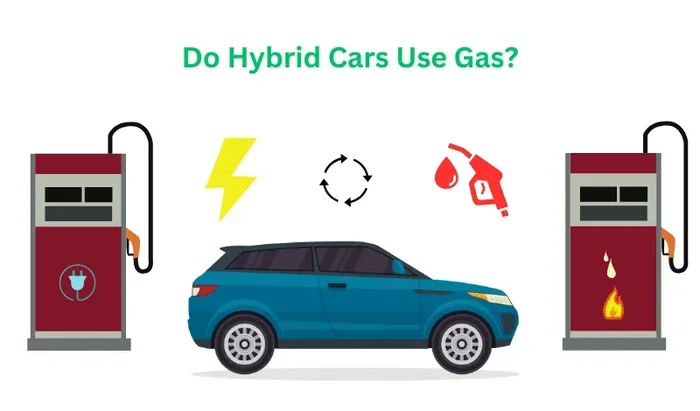
A hybrid car uses a gas engine and one or more electric motors. The electric motor helps with acceleration and recovers energy during braking. This is called regenerative braking. It saves fuel but does not add raw pulling power. The gas engine in a hybrid is usually smaller than the engine in a truck built for towing. Smaller engines produce less torque. Torque is the twisting force that moves a heavy trailer from a stop. Without enough torque, a hybrid simply cannot pull as much weight.
Hybrids also carry heavy battery packs. These batteries add significant weight to the vehicle. That extra weight reduces the payload capacity. Payload is the total weight your vehicle can carry, including passengers, cargo, and the trailer tongue weight. When you add a trailer, you eat into that payload fast. A hybrid truck or SUV might have a lower towing capacity than its gas-only sibling because the batteries take up space and weight.
Quick Tip: Before towing, check your vehicle’s Gross Vehicle Weight Rating (GVWR). This number includes the curb weight plus the maximum payload. Exceeding it can damage your transmission and brakes.
How Towing Strains a Hybrid System
When you tow a trailer, the engine works harder. The electric motor in a hybrid is not designed for sustained heavy loads. It can overheat if you pull a large trailer up a mountain. The gas engine also runs more often to keep up. This constant strain reduces fuel efficiency, which is the main reason people buy hybrids in the first place. Hybrids are meant to save gas, not burn it while towing.
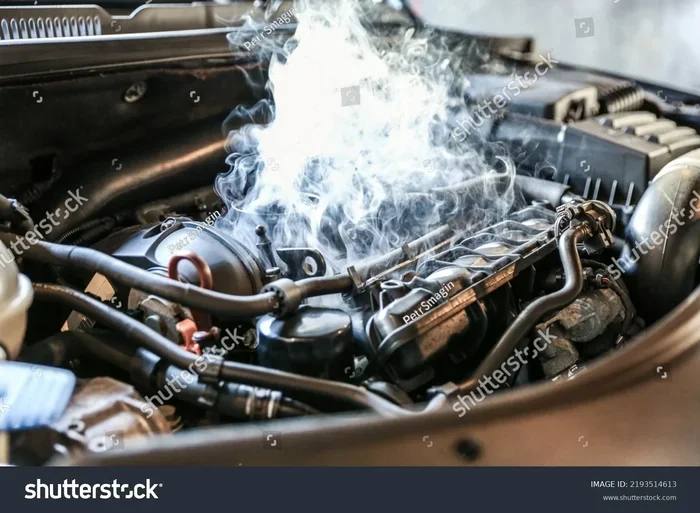
The cooling system in a hybrid is smaller than in a gas truck. Hybrids rely on air and smaller radiators. Towing generates a lot of heat. If the system cannot cool down, the vehicle may go into a protective limp mode. This limits power to protect the engine and battery. You might find yourself stuck on a hill, unable to speed up.
Another issue is the transmission. Hybrids use specialized transmissions, like e-CVT or multi-speed units, that are tuned for smooth fuel economy. They are not built for the constant torque load of towing. Over time, this can lead to premature wear. Always follow the manufacturer’s towing guidelines to avoid costly repairs.
Key Takeaways
- Hybrid powertrains prioritize fuel savings over high torque output.
- Battery weight reduces payload and towing capacity.
- Smaller cooling systems can overheat during sustained towing.
- Regenerative braking cannot replace a full trailer brake setup.
Hybrid vs Gas Towing Capacity: The Real Numbers
Comparing Popular Hybrid and Gas Models
Let us look at real numbers. Below is a comparison of popular hybrid and gas models from the same brand. The towing capacity difference is clear.
| Vehicle | Type | Max Towing Capacity | Key Limiting Factor |
|---|---|---|---|
| Toyota RAV4 | Hybrid | 1,500 lbs | Battery weight, small gas engine |
| Toyota RAV4 (gas) | Gas | 3,500 lbs | Larger 2.5L 4-cylinder engine |
| Ford Escape Hybrid | Hybrid | 2,000 lbs | Electric motor output, cooling limits |
| Ford Escape (gas) | Gas | 3,500 lbs | 2.0L EcoBoost engine |
| Ford F-150 PowerBoost | Hybrid Truck | 12,700 lbs | Larger hybrid system, robust cooling |
| Ford F-150 (gas V6) | Gas Truck | 13,500 lbs | 3.5L EcoBoost V6 |
As you can see, the gap is huge in smaller SUVs. A hybrid SUV like the RAV4 can tow only a small boat or a lightweight camper. The gas version can pull a larger travel trailer. However, in the truck segment, the difference shrinks. The Ford F-150 PowerBoost is a hybrid truck with a strong towing capacity. This shows that not all hybrids are created equal. Some manufacturers build hybrid systems specifically for towing.
Why the Numbers Differ
The numbers differ because of several factors. First, the hybrid powertrain is packaged differently. The battery pack takes up space under the floor. This raises the center of gravity and adds unsprung weight. Second, the electric motor provides instant torque but not sustained torque. A gas truck’s V8 engine can hold a steady pull for hours. A hybrid motor may overheat if asked to do the same.
Third, automakers set lower towing limits for hybrids to protect warranty claims. They know the cooling and transmission are different. They do not want customers pushing the vehicle beyond its design limits. This is a smart safety move, but it frustrates buyers who want the same towing ability as a gas model.
Common Mistake: Many drivers assume a hybrid can tow the same as a gas version of the same vehicle. Always check the door jamb sticker or owner’s manual. The towing limit is not the same.
Key Takeaways
- Hybrid SUVs often have half the towing capacity of their gas counterparts.
- Hybrid trucks can close the gap with advanced cooling and larger systems.
- Payload and tongue weight are reduced by battery mass.
- Manufacturer towing limits are set for safety and warranty protection.
The Hidden Costs of Towing a Hybrid
Fuel Economy Drops When You Tow
The main reason people buy a hybrid is to save gas. Towing kills that advantage. When you pull a trailer, the gas engine runs almost constantly. The electric motor helps at low speeds, but it cannot sustain high load for long. You might see your fuel economy drop from 40 mpg to 20 mpg or less. That is no better than a gas truck. In some cases, a hybrid truck towing a heavy trailer uses more fuel than a conventional truck because the hybrid system adds weight.
You also pay extra for fuel over time. If you tow frequently, the savings you expected from a hybrid disappear. The fuel efficiency advantage only shines when you are not towing. This is a key hybrid towing limitation that many buyers overlook.
Battery and Motor Wear
Towing puts extra strain on the hybrid battery and motor. The battery must discharge more energy to assist the gas engine. This can lead to faster battery degradation over time. The electric motor also works harder, which may shorten its lifespan. Hybrid batteries are expensive to replace. A new battery pack can cost several thousand dollars. Towing regularly may increase the risk of early battery failure.
Regenerative braking systems also wear out faster under heavy loads. The system recaptures energy when you slow down, but towing adds more weight and more braking demand. Brake pads and rotors may need replacement sooner. These hidden costs add up and reduce the total value of owning a hybrid for towing.
Expert Insight: “Towing with a hybrid is fine for occasional light loads, but it is not a daily towing solution. The long-term wear on the hybrid components can outweigh the fuel savings.” — Automotive Engineer, Hybrid Powertrain Specialist
Common Mistakes When Towing a Hybrid
- Exceeding the towing limit: Pushing the vehicle past its rated capacity strains the transmission and cooling system.
- Ignoring tongue weight: Too much weight on the trailer hitch can cause the rear of the hybrid to sag, affecting steering.
- Skipping transmission cooling: Hybrids may not have an external transmission cooler. Towing in hot weather increases the risk of overheating.
- Using the wrong hitch: A towing hitch rated for a gas truck may not fit a hybrid properly. Always use the factory-installed hitch or one approved for your model.
- Neglecting brake checks: The hybrid’s regenerative braking cannot fully stop a heavy trailer. You need functional trailer brakes.
Key Takeaways
- Towing destroys the fuel economy advantage of a hybrid.
- Extra strain on the battery and motor leads to higher repair costs.
- Common mistakes include exceeding limits, ignoring tongue weight, and skipping brake maintenance.
Hybrid Towing Limitations and Safety
Cooling System Challenges
Safety is the biggest reason hybrids tow less. A hybrid cooling system is designed to manage the heat from a gas engine and an electric motor under normal driving. Towing adds a massive heat load. The radiator, fans, and coolant passages are often smaller than in a truck built for towing. When the temperature rises, the vehicle protects itself by reducing power. This is called limp mode. It is a safety feature, but it can leave you stranded.
If you plan to tow in mountainous terrain or on hot summer days, a hybrid may not be the best choice. Gas trucks have large radiators, external transmission coolers, and heavy-duty fans. They are built to handle the heat. A hybrid SUV or car simply does not have that hardware. The risk of overheating is real and can cause expensive engine damage.
Braking and Regenerative Braking Limits
Regenerative braking is a great feature for normal driving. It captures energy when you lift off the accelerator or press the brake pedal. But when towing a heavy trailer, the stopping distance increases dramatically. The hybrid’s brakes alone cannot handle the extra weight safely. You need a trailer with its own brake system. Many people forget this. A hybrid car towing a boat or camper without trailer brakes is a serious safety hazard.
The regenerative braking system is not designed to handle the constant heavy braking of a loaded trailer. It can overheat and fade, just like friction brakes. This means your stopping power drops when you need it most. Always ensure your trailer has functioning brakes and that you check them before every trip.
Key Takeaways
- Hybrid cooling systems are not built for sustained towing loads.
- Regenerative braking cannot replace trailer brakes on heavy loads.
- Overheating and reduced stopping power are real safety risks.
When a Hybrid Might Still Be Your Towing Choice
Light-Duty Towing Scenarios
Not all towing is heavy-duty. If you need to pull a small utility trailer, a pair of kayaks, or a light camping setup, a hybrid can work well. Many hybrid SUVs have a towing capacity of 1,500 to 2,000 pounds. That is enough for a small camper trailer or a motorcycle loadout. For weekend trips and light hauling, a hybrid is perfectly fine. You still get great fuel economy for the daily commute and only sacrifice a little efficiency when you tow occasionally.
The key is to stay well under the maximum limit. If your hybrid is rated for 1,500 lbs, do not load it to 1,400 lbs. Leave a margin for the weight of passengers, gear, and the tongue weight of the trailer. This reduces strain on the powertrain and keeps you safe.
Hybrids That Can Tow More Than You Think
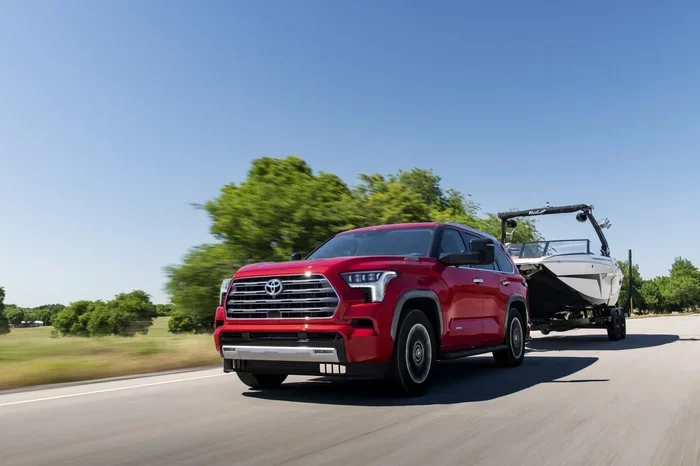
Some hybrid trucks are surprisingly capable. The Ford F-150 PowerBoost can tow over 12,000 pounds. The Toyota Tundra i-FORCE MAX hybrid can tow up to 12,000 pounds as well. These trucks use large battery packs and powerful electric motors paired with a strong gas V6. They are built from the ground up for towing. If you need a hybrid for heavy towing, look at full-size hybrid trucks. They close the gap with gas trucks and offer the best of both worlds: towing power and some fuel savings.
Quick Tip: If you buy a hybrid for towing, choose a model with a factory-installed towing package. This includes a heavy-duty cooling system, a proper wiring harness, and a reinforced frame. It is not worth retrofitting a hybrid for towing.
Key Takeaways
- Light-duty towing is a good fit for most hybrid SUVs.
- Full-size hybrid trucks can tow nearly as much as gas trucks.
- Always choose a factory towing package when buying a hybrid for towing.
What to Consider Before Buying a Hybrid for Towing
Match the Vehicle to Your Needs
Before you buy a hybrid, ask yourself how often you will tow. If you tow once a month with a small trailer, a hybrid is a great choice. You save gas on all your other trips. If you tow every weekend with a heavy boat, a hybrid might frustrate you. The fuel savings disappear, and you risk overheating. Think about your actual usage. Do not buy a hybrid just because it looks green and efficient if your main goal is heavy towing.
Consider the hybrid towing capacity of the models you are looking at. Compare them to gas versions. Look at the payload number too. A hybrid with a low payload might not even be able to carry all your camping gear and the trailer tongue weight. You need enough capacity for safety and comfort.
The Future of Hybrid Towing
Automakers are improving hybrid towing every year. New battery chemistries are lighter and more powerful. Cooling systems are getting larger. Some future hybrid trucks may match or even exceed gas truck towing limits. For now, the gap remains, especially in the SUV and car segments. If you need maximum towing today, a gas truck or a full-size hybrid truck is the safest bet. If you want a balance of efficiency and light towing, a hybrid SUV works well.
The bottom line is simple. Why cant hybrids tow as much comes down to design priorities. Hybrids save fuel, not pull heavy loads. When you understand this, you can make a confident choice. Always respect the towing limits, maintain your vehicle properly, and never exceed the rated capacity.
Key Takeaways
- Match your hybrid choice to your actual towing frequency and load weight.
- Full-size hybrid trucks offer the best towing in the hybrid world.
- The future of hybrid towing is improving, but gas trucks still lead in raw capacity.
Conclusion
Why cant hybrids tow as much is a question rooted in engineering trade-offs. Hybrids are brilliant machines for saving fuel and reducing emissions. But their heavy batteries, smaller engines, and limited cooling systems put a ceiling on towing power. If you need to tow heavy loads regularly, a gas truck is the right tool. If you tow light loads occasionally and want great fuel economy for your daily drive, a hybrid can serve you well.
Remember the key points: battery weight reduces capacity, cooling systems can overheat, and regenerative braking has limits. Always check your owner’s manual, use the right hitch, and never exceed the towing rating. With the right expectations and a proper setup, a hybrid can still be a great part of your hauling life. Just know its limits, and you will enjoy a safe and efficient towing experience.
Frequently Asked Questions
Can I tow a travel trailer with a hybrid SUV?
Yes, but only if the trailer weight is within the hybrid’s rated towing capacity. Most hybrid SUVs can tow between 1,500 and 2,000 pounds. Always check the specific model’s limit and stay well under it to avoid overheating and transmission strain.
Do hybrid trucks tow as well as gas trucks?
Some hybrid trucks come close. The Ford F-150 PowerBoost and Toyota Tundra i-FORCE MAX have strong towing capacities. However, they still trail slightly behind their top gas counterparts due to battery weight and cooling limits.
Will towing damage my hybrid battery?
Frequent heavy towing can accelerate battery wear. The battery discharges more energy to assist the gas engine, which can increase heat and reduce its lifespan over time. Light towing occasionally is generally safe.
Do I need a special hitch for a hybrid?
You need a hitch rated for the vehicle’s towing capacity. Many hybrids use a standard Class II or Class III hitch. Always use the factory-installed hitch or one approved by the manufacturer. Do not use a hitch meant for a heavier gas truck.
Why does my hybrid’s fuel economy drop so much when towing?
Towing forces the gas engine to run constantly and the electric motor to discharge quickly. The hybrid system cannot recover enough energy through regenerative braking to offset the extra load. This causes a sharp drop in miles per gallon.
Is it safe to tow a boat with a hybrid car?
It can be safe if the boat and trailer weight are within the hybrid’s towing limit. You must also ensure the trailer has its own brakes and that you do not exceed the payload capacity. Always check the owner’s manual for specific towing guidelines.