Why Is My Car Overheating Common Causes And Solutions
Why is my car overheating? It usually comes down to a few common culprits like a low coolant level, a broken thermostat, or a failing water pump. When your engine runs too hot, it can cause serious damage if you ignore it. This guide breaks down every major cause, tells you how to spot the warning signs early, and gives you simple fixes you can try at home. We also cover when it is time to see a mechanic and how to stop overheating from happening again.
There is nothing more stressful than watching the temperature gauge climb into the red zone while you are driving. Your car is trying to tell you something is wrong, and ignoring that signal can lead to a blown head gasket, a cracked engine block, or even a total engine failure. Understanding why your car is overheating is the first step toward fixing the problem and avoiding costly repairs down the road.
Overheating is one of the most common car problems drivers face, especially during hot summer months or in stop-and-go traffic. The good news is that most causes are easy to identify and fix if you catch them early. In this guide, we will walk through every major reason your engine might be running hot, what warning signs to watch for, and exactly what you can do about it.
Whether you are a complete beginner or a weekend mechanic, this article will give you the knowledge and confidence to handle an overheating situation safely. Let us dive into the most common causes and the solutions that actually work.
Key Takeaways
- Low coolant is the #1 cause: A leaking radiator hose or worn gasket lets coolant escape, leading to rapid overheating.
- Thermostat failure blocks coolant flow: A stuck thermostat cannot open and close properly, trapping heat inside the engine.
- Water pump issues stop circulation: Without a working water pump, coolant cannot move through the engine block effectively.
- Radiator fan problems cause overheating at idle: A broken fan clutch or faulty electric motor means your radiator cannot release heat when you are stopped.
- Head gasket leaks mix oil and coolant: This is a serious and expensive repair that requires immediate attention.
- Prevention saves money: Regular coolant flushes, hose inspections, and temperature gauge checks keep your engine healthy for years.
📑 Table of Contents
- Common Signs Your Car Is Overheating
- Top Causes of Car Overheating
- How to Diagnose the Problem Yourself
- Quick Fixes You Can Try at Home
- When to Call a Professional Mechanic
- How to Prevent Car Overheating
- Comparison: Common Overheating Causes and Repair Costs
- Expert Insights on Car Overheating
- Key Takeaways
- Conclusion
Common Signs Your Car Is Overheating
Before we get into the causes, it helps to know what you are looking for. Overheating does not always happen suddenly. Often, there are clear warning signs that show up days or even weeks before the problem becomes serious. Catching these early can save you a lot of money and headaches.
Steam or Smoke Coming From Under the Hood
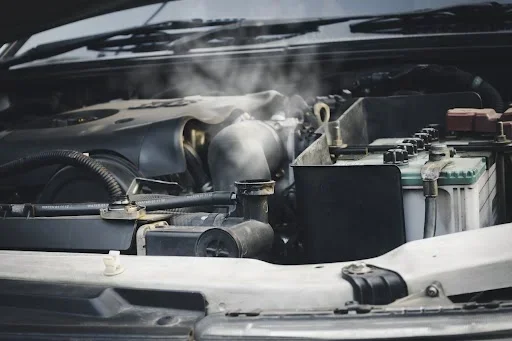
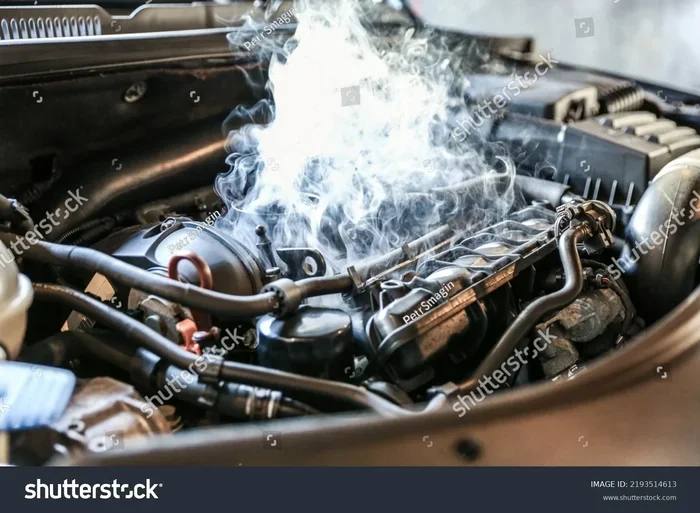
Seeing steam or smoke rise from your engine bay is one of the most obvious signs of overheating. This usually happens when coolant leaks onto hot engine parts and instantly turns to vapor. If you see this, pull over safely and turn off the engine right away. Do not pop the hood immediately because hot steam can burn you.
Temperature Gauge in the Red Zone
Your dashboard temperature gauge is your best friend. Most cars have a normal range between C and H or between 195 and 220 degrees Fahrenheit. If the needle starts creeping into the hot zone, pay attention. A slowly rising gauge often points to a small leak or a weak radiator fan, while a sudden spike usually means a more serious problem like a broken water pump.
Unusual Smells or Sounds
A sweet, syrupy smell inside or outside your car often means coolant is leaking. A burning or hot metal smell could mean oil is overheating. Some drivers also hear a ticking or knocking sound from the engine when it is too hot. These sounds happen because metal parts expand and rub against each other when there is not enough coolant to keep temperatures in check.
Coolant Puddles Under Your Car
If you notice a bright green, orange, or pink puddle under your parked car, you likely have a coolant leak. Coolant leaks are one of the top reasons engines overheat. Even a small drip can lower your coolant level enough to cause problems over time. Check under your car after it has been parked overnight to spot leaks early.
Top Causes of Car Overheating
Now that you know the warning signs, let us look at the most common reasons cars overheat. Each cause comes with its own set of symptoms and solutions, so read through them carefully to figure out what might be happening with your vehicle.
Low Coolant Level
Low coolant is the single most common reason cars overheat. Coolant, also called antifreeze, absorbs heat from the engine and carries it to the radiator where it cools down. When the level drops too low, there is not enough coolant to do its job. Coolant leaks often happen at radiator hoses, the water pump gasket, or the radiator cap. A simple coolant top-off might help temporarily, but finding and fixing the leak is essential for a long-term solution.
Thermostat Stuck Closed
Your thermostat controls the flow of coolant through the engine. When the engine is cold, it stays closed to help the engine warm up quickly. Once the engine reaches operating temperature, the thermostat opens to let coolant circulate. If the thermostat gets stuck in the closed position, coolant cannot flow to the radiator, and the engine heats up fast. Replacing a stuck thermostat is usually a quick and affordable fix that most mechanics can do in under an hour.
Water Pump Failure
The water pump is the heart of your car’s cooling system. It pushes coolant through the engine block and hoses to keep temperatures stable. Over time, the pump can wear out, develop leaks, or lose its impeller blades. When the water pump fails, coolant stops moving and the engine overheats quickly. Water pump replacement can cost between 300 and 750 dollars depending on your vehicle, but driving with a failed pump can lead to engine damage that costs thousands to repair.
Radiator Problems
The radiator releases heat from the coolant into the air. If the radiator gets clogged with dirt, debris, or old coolant deposits, it cannot release heat properly. External blockages happen when bugs, leaves, and dirt build up on the front of the radiator. Internal clogs form when old coolant breaks down and creates sludge. Flushing the radiator regularly helps prevent both types of blockages and keeps your cooling system working efficiently.
Radiator Fan Malfunction
The radiator fan blows air through the radiator to cool the coolant, especially when you are driving slowly or sitting in traffic. If the fan motor fails, the fan clutch breaks, or the relay goes bad, the radiator cannot cool the coolant properly. You might notice overheating mostly at low speeds or when idling. A faulty radiator fan is a common cause of overheating in stop-and-go city driving, and replacing a fan motor usually costs between 200 and 500 dollars.
Blown Head Gasket
A head gasket sits between the engine block and the cylinder head. It seals the combustion chambers and keeps coolant and oil from mixing. When a head gasket blows, combustion gases can leak into the cooling system, creating air pockets that block coolant flow. Signs of a blown head gasket include white smoke from the exhaust, a milky appearance under the oil cap, and bubbles in the coolant reservoir. This is one of the most serious overheating causes and can cost 1,000 to 2,000 dollars to repair.
Broken or Loose Drive Belts
The serpentine belt drives the water pump and sometimes the radiator fan. If the belt breaks, slips, or becomes loose, the water pump stops working and the engine overheats. A squealing noise from the engine bay is often the first sign of a belt problem. Inspecting your drive belts during regular oil changes can help you catch wear before it leads to a breakdown.
Clogged Coolant Hoses
Coolant hoses carry fluid between the engine and the radiator. Over time, these hoses can develop internal blockages from rust, scale, or old coolant deposits. A clogged hose restricts coolant flow and causes hot spots in the engine. If one hose feels much harder or softer than the other, it could be blocked. Replacing coolant hoses is a relatively inexpensive repair that prevents bigger problems.
Faulty Radiator Cap
The radiator cap does more than just seal the coolant system. It also regulates pressure, which raises the boiling point of the coolant. A weak or faulty cap cannot hold proper pressure, causing coolant to boil and overflow. This is one of the cheapest and easiest parts to replace, yet it is often overlooked. A new radiator cap costs less than 20 dollars and can solve overheating issues caused by pressure loss.
How to Diagnose the Problem Yourself
You do not need to be a professional mechanic to figure out why your car is overheating. With a few basic tools and some patience, you can narrow down the cause and decide whether the fix is something you can do yourself or if you need a professional.
Check the Coolant Level First
Always start with the simplest check. Wait for the engine to cool completely, then open the coolant reservoir and look at the level. If it is low, top it off with the correct type of coolant for your vehicle. Watch for puddles under the car over the next few days. If the level drops again, you have a leak that needs attention. Never open the radiator cap when the engine is hot because pressurized coolant can cause severe burns.
Inspect Hoses and Connections
Look at every coolant hose for cracks, swelling, or soft spots. Squeeze the hoses gently when the engine is cool. They should feel firm but flexible. If a hose feels brittle or spongy, replace it right away. Also check all clamps and connections for signs of coolant residue or dripping. A small drip today can become a major leak tomorrow.
Test the Thermostat
To test your thermostat, start the engine from cold and watch the temperature gauge. The upper radiator hose should stay cool for the first few minutes, then get warm once the thermostat opens. If the hose stays cold even after the engine is hot, the thermostat is probably stuck closed. If the engine overheats quickly and the hose never gets warm, the thermostat might be stuck open. A simple thermostat test takes about ten minutes and requires no special tools.
Listen for the Radiator Fan
When the engine reaches operating temperature, the radiator fan should kick on. Listen for a clicking or humming sound from the front of the engine. If you do not hear anything after the engine has been running for a few minutes, the fan motor or relay might be faulty. You can also turn on the air conditioning, which usually triggers the fan to turn on as a secondary check.
Look for White Smoke or Coolant in Oil
Lift your oil dipstick and check the color of the oil. If it looks milky or frothy, coolant might be mixing with the oil, which points to a head gasket problem. Also watch for white smoke coming from the exhaust, especially if it smells sweet. These are serious signs that need immediate professional attention.
Quick Fixes You Can Try at Home
Some overheating problems can be fixed with simple steps you can do in your driveway with basic tools. These quick fixes are not permanent solutions, but they can get you to a mechanic safely or solve minor issues before they become big problems.
Top Off Coolant and Water
If you are low on coolant, adding more is the fastest way to bring temperatures back down. Use a 50/50 mix of coolant and distilled water for best results. If you are stranded and out of coolant, plain water will work temporarily to prevent overheating, but you should flush and refill the system with proper coolant as soon as possible.
Replace the Radiator Cap
A faulty radiator cap is one of the easiest and cheapest repairs you can do. Just make sure the engine is completely cool before removing the old cap. Twist it counterclockwise to release any remaining pressure, then remove it. Install the new cap by twisting it clockwise until it clicks into place. This simple 10-minute fix can solve many overheating issues.
Flush the Cooling System
Old, dirty coolant loses its ability to absorb and transfer heat effectively. Flushing the system with a cooling system cleaner and refilling with fresh coolant can improve performance and prevent overheating. Most manufacturers recommend a coolant flush every 30,000 to 50,000 miles, but check your owner’s manual for the specific interval for your vehicle.
Replace a Broken Hose
If you find a cracked or leaking hose, replacing it is straightforward. Clamp the hose at both ends, remove the old hose, slide the new one on, and tighten the clamps. Make sure to use a hose rated for high temperatures and pressure. This repair costs under 30 dollars for the hose and takes about 30 minutes.
Reset After Cooling System Work
After any cooling system repair, some vehicles need a bleed procedure to remove air pockets from the system. Air pockets can cause localized overheating even after the original problem is fixed. Check your owner’s manual for the bleed procedure specific to your car model.
When to Call a Professional Mechanic
While many overheating issues have simple fixes, some problems require professional tools and expertise. Knowing when to call for help can save you from making a bad situation worse and prevent expensive engine damage.
Overheating That Does Not Stop After Adding Coolant
If you add coolant and the engine still overheats within minutes, there is likely a deeper problem. This could be a failed water pump, a blocked radiator, or a blown head gasket. Continuing to drive in this condition can cause catastrophic engine failure, so pull over and call for a tow.
Coolant Mixing with Oil or Exhaust
If you notice coolant in your oil or white smoke from the exhaust, do not keep driving. These are signs of a blown head gasket or a cracked engine block. A mechanic will need to perform a compression test and possibly a pressure test of the cooling system to confirm the diagnosis. Repairing a head gasket is expensive, but it is far cheaper than replacing a destroyed engine.
Repeated Overheating After Repairs
If you have fixed a leak or replaced a part and the car still overheats, there may be multiple problems or an underlying issue you have not found yet. A professional mechanic can pressure-test the entire cooling system, inspect the water pump, and check for internal blockages that are not visible from the outside.
Overheating in a Newer Vehicle
Modern cars rely heavily on electronic sensors, relays, and the engine control unit to manage cooling. If your newer vehicle is overheating, the problem might be electrical rather than mechanical. Diagnosing these issues requires specialized scan tools and technical knowledge that most professional shops have readily available.
Major Engine Damage Signs
If your engine has been overheating for a long time, watch for signs of permanent damage. These include a knocking or tapping noise from the engine, loss of power, excessive exhaust smoke, or the check engine light coming on. These symptoms mean the engine internals may be warped or damaged, and a full engine rebuild or replacement might be necessary.
How to Prevent Car Overheating
The best way to deal with an overheating engine is to prevent it from happening in the first place. Regular maintenance and simple habits can keep your cooling system in great shape for years and help you avoid unexpected breakdowns on the road.
Follow the Coolant Flush Schedule
Old coolant breaks down over time and loses its ability to protect against heat and corrosion. Flushing and replacing coolant at the intervals recommended by your manufacturer keeps the cooling system working at peak efficiency. Most cars need a coolant change every 30,000 to 100,000 miles depending on the type of coolant used.
Inspect Hoses and Belts Regularly
Make it a habit to look under your car and pop the hood once a month. Check hoses for cracks, swelling, or leaks. Look at drive belts for signs of wear, glazing, or fraying. Catching a small crack before it becomes a full break can prevent an overheating situation on the road.
Keep the Radiator Clean
Your radiator works hard to release heat, and it needs clean airflow to do its job. Hose down the front of the radiator when you wash your car to remove bugs, dirt, and debris. If you often drive on dusty roads or through construction zones, consider having the radiator flushed professionally once a year.
Monitor the Temperature Gauge While Driving
Get into the habit of glancing at your temperature gauge every few minutes while driving, especially on long trips or in hot weather. If you notice the needle creeping up, take action immediately. Pull over safely, turn off the air conditioning, and turn on the heater to help draw heat away from the engine. These simple steps can buy you time to find a safe place to stop.
Use the Right Coolant for Your Vehicle
Not all coolants are the same. Different vehicles require different types of coolant, and mixing them can cause chemical reactions that create sludge and blockages. Always check your owner’s manual for the correct coolant type and color. When in doubt, ask your mechanic which coolant is best for your specific make and model.
Address Small Leaks Immediately
It is tempting to ignore a small coolant drip, but even a tiny leak can drain your system over time and lead to overheating. If you spot a puddle under your car or notice the coolant level dropping, investigate right away. Small repairs like replacing a hose clamp or a radiator hose cost very little compared to the damage an overheating engine can cause.
Keep Emergency Supplies in Your Car
Always carry a gallon of coolant or distilled water, a flashlight, and a basic tool kit in your trunk. If you find yourself overheating on the side of the road, having these supplies can help you add coolant temporarily and get to a repair shop safely. Keeping a spare radiator hose and clamps in the trunk is also a smart precaution for long trips.
Comparison: Common Overheating Causes and Repair Costs
Understanding the cost of each repair can help you prioritize and budget for cooling system fixes. Here is a comparison of the most common causes of overheating and what you can expect to pay for repairs.
| Cause | Severity | Typical Repair Cost | DIY Friendly? |
|---|---|---|---|
| Low Coolant Level | Low | 0 to 20 dollars | Yes |
| Faulty Radiator Cap | Low | 10 to 30 dollars | Yes |
| Broken Drive Belt | Medium | 50 to 150 dollars | Yes |
| Stuck Thermostat | Medium | 100 to 300 dollars | Moderate |
| Clogged Radiator Hose | Medium | 30 to 80 dollars | Yes |
| Radiator Fan Motor | Medium | 200 to 500 dollars | No |
| Water Pump Failure | High | 300 to 750 dollars | No |
| Blown Head Gasket | High | 1,000 to 2,000 dollars | No |
| Cracked Engine Block | Critical | 2,000 to 5,000+ dollars | No |
As you can see from the table, the cheapest and easiest fixes are often the ones you can handle yourself. Regular maintenance and quick action when you notice early warning signs can help you avoid the expensive repairs at the bottom of the list. The key is to never ignore an overheating engine, no matter how minor it seems at first.
Expert Insights on Car Overheating
We spoke with experienced automotive technicians to get their top tips for dealing with overheating issues. Here is what the pros want every driver to know.
Check coolant condition, not just level. Many drivers top off coolant without ever checking its condition. Old coolant becomes acidic and corrosive, which damages internal components even if the level looks fine. A simple coolant test strip from any auto parts store can tell you if your coolant is still effective or needs replacing.
Do not ignore a slight temperature rise. Some drivers notice the gauge creeping up but decide to keep driving. Even a few minutes of running hot can warp cylinder heads or damage bearings. If the temperature is above normal, find a safe place to stop and investigate.
Prevention is always cheaper than repair. Staying on top of coolant flushes, hose inspections, and belt replacements costs a fraction of what it takes to fix a blown head gasket or a warped engine block. A few dollars spent on maintenance today can save you thousands tomorrow.
Key Takeaways
- Low coolant is the #1 cause: A leaking radiator hose or worn gasket lets coolant escape, leading to rapid overheating.
- Thermostat failure blocks coolant flow: A stuck thermostat cannot open and close properly, trapping heat inside the engine.
- Water pump issues stop circulation: Without a working water pump, coolant cannot move through the engine block effectively.
- Radiator fan problems cause overheating at idle: A broken fan clutch or faulty electric motor means your radiator cannot release heat when you are stopped.
- Head gasket leaks mix oil and coolant: This is a serious and expensive repair that requires immediate attention.
- Prevention saves money: Regular coolant flushes, hose inspections, and temperature gauge checks keep your engine healthy for years.
Conclusion
Why is my car overheating is a question with many possible answers, but the good news is that most causes are fixable when you catch them early. From a simple low coolant level to a serious blown head gasket, understanding the root cause helps you take the right action quickly. Use the warning signs we covered, try the home diagnostics steps, and know when to call a professional mechanic for help.
Prevention is your best defense against overheating. Regular coolant flushes, hose inspections, and temperature gauge monitoring can keep your engine running smoothly for years. Do not ignore small leaks or slight temperature rises because they often signal bigger problems on the way.
Take what you have learned from this guide and put it into action today. Check your coolant level, inspect your hoses, and make a plan to flush your cooling system if it has been a while. Your engine works hard for you every day, and a little attention goes a long way toward keeping it cool and reliable on every drive.
Frequently Asked Questions
Can I keep driving if my car is overheating?
No, you should not keep driving when your car is overheating. Continuing to drive with an overheated engine can cause serious and permanent damage like a warped cylinder head, blown head gasket, or cracked engine block. Pull over safely, turn off the engine, and let it cool down before investigating the cause.
How much does it cost to fix an overheating car?
The cost depends entirely on what is causing the problem. Simple fixes like topping off coolant or replacing a radiator cap cost under 30 dollars. More involved repairs like a thermostat or water pump replacement range from 100 to 750 dollars. Serious issues like a blown head gasket can cost 1,000 to 2,000 dollars or more.
What should I do if my car overheats on the highway?
If your car overheats on the highway, turn on the heater to full blast to help pull heat away from the engine. Pull over to a safe location, turn off the engine, and wait at least 15 to 20 minutes for it to cool down. Do not open the radiator cap while the engine is hot. Once cooled, check the coolant level and call for roadside assistance if needed.
How often should I flush my car’s coolant?
Most manufacturers recommend flushing and replacing coolant every 30,000 to 100,000 miles depending on the type of coolant your vehicle uses. Check your owner’s manual for the specific interval. If you are unsure when the last flush was, it is a good idea to have it done as a precaution.
Can low oil cause a car to overheat?
Yes, low oil can contribute to overheating. Engine oil lubricates internal components and helps absorb and dissipate heat. When oil levels are too low, friction increases and heat builds up faster than the cooling system can handle. Always check your oil level regularly and keep it at the recommended level.
Is it safe to add coolant while the engine is hot?
No, it is not safe to add coolant to a hot engine. The cooling system is pressurized, and opening it while hot can cause hot coolant to spray out and cause severe burns. Always wait for the engine to cool completely before removing the radiator cap or adding coolant.