Are Highlanders Expensive to Fix Everything You Should Know
Are Highlanders expensive to fix? The Toyota Highlander is widely regarded as one of the more affordable SUVs to maintain and repair. While no vehicle is immune to issues, the Highlander’s reputation for reliability keeps repair costs well below the luxury SUV average.
Key Takeaways
- Affordable Maintenance: Toyota Highlanders cost less to repair than most competing SUVs in the same class.
- Long-Term Reliability: With proper care, Highlanders routinely surpass 200,000 miles without major issues.
- Parts Availability: Toyota parts are widely available and competitively priced compared to luxury brands.
- Hybrid Benefits: The Highlander Hybrid can reduce long-term ownership costs through better fuel economy.
- Warranty Coverage: Toyota’s factory warranty helps offset early repair expenses.
- Common Issues Are Manageable: Most Highlander problems are minor and affordable to resolve.
📑 Table of Contents
- Are Highlanders Expensive to Fix? Here Is What Every Owner Should Know
- Understanding Toyota Highlander Repair Costs
- Common Highlander Problems and Their Costs
- How the Highlander Compares to Similar SUVs
- Tips to Keep Your Highlander Running Smoothly
- When Repair Costs Become a Concern
- Long-Term Ownership Costs and Depreciation
- Final Thoughts
Are Highlanders Expensive to Fix? Here Is What Every Owner Should Know
So, you are thinking about buying a Toyota Highlander. That is a great choice. But there is one question that keeps popping up in forums and chat rooms. Are Highlanders expensive to fix? The short answer is no. The Toyota Highlander is known for being one of the more affordable mid-size SUVs to own and maintain. But like any vehicle, there are nuances. Some repairs cost more than others. Some years have more issues than others. And your driving habits play a big role too.
In this article, we are going to break down everything you need to know about Toyota Highlander repair costs. We will look at common problems, average maintenance expenses, and how the Highlander stacks up against similar SUVs. Whether you already own one or are thinking about buying one, this guide has you covered. Let us dive in.
Understanding Toyota Highlander Repair Costs
When people ask are Highlanders expensive to fix, they usually want a dollar figure. And that makes sense. You need to know what you are getting into before you commit to a vehicle. Let us look at the numbers and what drives them.
Average Annual Maintenance Cost
According to RepairPal, the average annual maintenance cost for a Toyota Highlander sits around $435. That is lower than the SUV average of about $530 per year. This is one of the reasons the Highlander holds its value so well. Owners spend less at the shop over time, which adds up to serious savings.
Here is a quick breakdown of what you might expect:
- Routine oil changes: $50 to $80 per service
- Tire rotations: $25 to $50 per service
- Brake pads: $150 to $300 per axle
- Battery replacement: $150 to $250
- Timing belt: $500 to $900 (depending on the year)
These are ballpark figures. Your actual costs will depend on where you live, which mechanic you use, and the specific model year of your Highlander. But overall, these numbers are quite reasonable for a vehicle of this size.
What Drives Repair Costs Up or Down
Several factors influence how much you will spend on Highlander maintenance. Understanding these can help you plan your budget better.
Model Year. Older Highlanders may need more frequent repairs simply because parts wear out. However, older models also tend to have simpler systems, which can mean lower labor costs. Newer models have more advanced technology, which can drive up the cost of diagnostics and parts.
Engine Type. The standard V6 engine is reliable and parts are plentiful. The Highlander Hybrid has additional components like the hybrid battery and electric motor. While these add to the vehicle’s efficiency, they can also add to repair costs if something goes wrong.
Driving Conditions. If you drive in stop-and-go traffic or harsh weather, your Highlander will wear faster. City driving is harder on brakes and transmissions. Highway driving is generally easier on the engine.
Maintenance History. This is the big one. A Highlander that has been well-maintained will cost far less to fix than one that has been neglected. Regular oil changes, fluid flushes, and timely brake replacements go a long way.
Common Highlander Problems and Their Costs
No vehicle is perfect. Even the most reliable SUVs have their quirks. Let us look at the most common issues that Highlander owners face and what they typically cost to fix.
Transmission Issues
The 8-speed automatic transmission in newer Highlanders is generally smooth and reliable. But some owners have reported rough shifting or hesitation, especially in older models. Transmission repairs can be expensive, ranging from $1,800 to $3,500 depending on the severity. Regular fluid changes can help prevent many of these issues.
Hybrid Battery Concerns
If you own or are considering the Highlander Hybrid, the battery is a common concern. Hybrid batteries typically last between 8 and 10 years. When they do fail, replacement costs can range from $2,000 to $4,000. That sounds scary, but many owners never face this issue. And Toyota has extended warranty coverage on hybrid components in many cases.
One thing to note: the hybrid system is designed to be low-maintenance. The regenerative braking system actually reduces wear on your traditional brake components. So while the battery is a potential cost, the hybrid system saves money in other areas.
Suspension and Steering Wear
The Highlander is a large SUV, and it carries a lot of weight. Over time, suspension components like shocks, struts, and control arms can wear out. Replacing a set of shocks typically costs between $400 and $800. Steering rack issues are less common but can run $1,200 to $2,000 to repair.
Electrical Gremlins
Like many modern vehicles, Highlanders can develop electrical issues over time. These might include flickering lights, faulty sensors, or infotainment system glitches. Electrical repairs can range from $100 for a simple sensor replacement to $500 or more for complex issues. Sometimes these are covered under warranty, so always check before paying out of pocket.
How the Highlander Compares to Similar SUVs
To really answer the question are Highlanders expensive to fix, it helps to compare them to the competition. Let us look at how the Highlander measures up against some popular rivals.
| Vehicle | Avg. Annual Repair Cost | Reliability Rating | Parts Cost |
|---|---|---|---|
| Toyota Highlander | $435 | Above Average | Moderate |
| Honda Pilot | $460 | Above Average | Moderate |
| Chevrolet Traverse | $580 | Average | Moderate |
| Ford Explorer | $550 | Average | Moderate |
| Hyundai Palisade | $480 | Above Average | Lower |
As you can see, the Highlander sits comfortably in the lower range of repair costs. It is not the absolute cheapest, but it is competitive. And when you factor in its strong resale value, the total cost of ownership is quite attractive.
For comparison, the Honda Pilot is very close in cost. Both are solid choices if you want a reliable family SUV that won’t break the bank at the repair shop. On the other hand, the Ford Explorer and Chevrolet Traverse tend to cost more over time. This is partly because they use more complex systems and partly because their parts can be pricier.
Tips to Keep Your Highlander Running Smoothly
Prevention is always cheaper than repair. Here are some practical tips to keep your Toyota Highlander in great shape and avoid costly surprises.
Follow the Maintenance Schedule
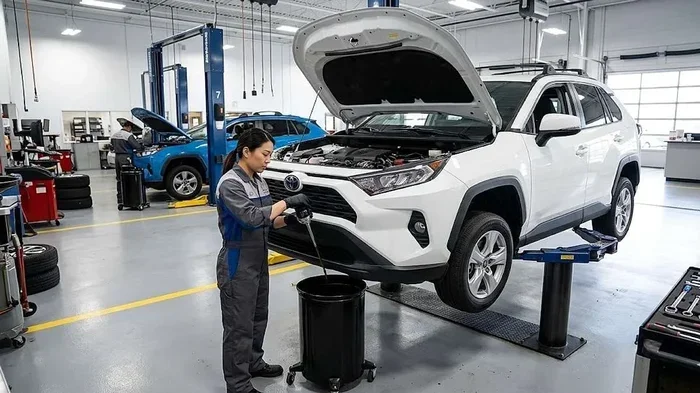
Toyota provides a detailed maintenance schedule for every Highlander model. Follow it. Change your oil every 5,000 to 7,500 miles. Replace your transmission fluid at the recommended intervals. Flush your coolant system on time. These simple steps prevent major breakdowns later.
If you are unsure about the schedule, check your owner’s manual or ask your dealer. They can print out a maintenance plan specific to your model year and engine type.
Find a Trustworthy Mechanic
You do not always have to go to the dealership for repairs. Independent mechanics who specialize in Toyota vehicles can often do the same work for less money. The key is finding someone reliable. Ask friends, check online reviews, and look for ASE-certified technicians.
That said, if your Highlander is still under warranty, stick with the dealership. Using an independent shop for warranty-covered repairs could void your coverage.
Address Small Problems Early
That little squeak or warning light on your dashboard? Do not ignore it. Small issues become big problems fast if you let them slide. A $50 brake pad inspection today could save you $1,500 in rotor and caliper replacements down the road.
Keep an eye on your fluid levels too. Low oil, coolant, or transmission fluid can cause serious damage if left unchecked. A quick check under the hood takes just a few minutes each week.
Drive Smart
How you drive affects how much you spend on repairs. Aggressive acceleration, hard braking, and overloading the vehicle all increase wear and tear. Smooth driving habits extend the life of your brakes, transmission, and engine.
Also, if you regularly tow with your Highlander, stay within the recommended towing capacity. Overloading puts extra strain on the engine, transmission, and suspension. And if you are curious about how close to max towing capacity is safe, the answer is: stay well within limits and avoid pushing the vehicle to its absolute maximum.
Keep Records
Maintain a log of all repairs and services. This is valuable for two reasons. First, it helps you track maintenance needs. Second, a well-documented service history boosts resale value. Buyers pay more for a Highlander with a clear maintenance record.
When Repair Costs Become a Concern
Sometimes, despite your best efforts, major repairs happen. And sometimes the cost of those repairs makes you wonder if the vehicle is worth keeping. Let us talk about when that happens and what your options are.
Major Engine or Transmission Failure
Engine and transmission failures are the most expensive repairs any vehicle can face. On a Highlander, a new engine can cost $4,000 to $7,000 installed. A rebuilt transmission runs $1,800 to $3,500. These are significant expenses, but they are also relatively rare. Highlanders have a strong track record of engine and transmission longevity.
If your Highlander does face a major failure, consider your options carefully. Get multiple quotes. Ask about refurbished or remanufactured parts, which can save you 30 to 50 percent compared to new parts.
Is It Worth Repairing an Older Highlander?
This is a common dilemma. Your Highlander has 150,000 miles on the odometer. A major repair costs $3,000. Is it worth it? Generally, if the repair costs less than half the vehicle’s current value, it is worth fixing. You can use online tools to estimate your Highlander’s current market value.
However, if you are facing repeated expensive repairs, it might be time to consider selling. A well-maintained Highlander still holds its value remarkably well. Even older models with high mileage can fetch a fair price on the used market.
If you find yourself in a situation where repair costs are piling up and you cannot afford them, you might explore your options. Did you know that in some cases, you can return your car to the dealership if you cannot afford it? It depends on your contract, state laws, and the specific circumstances. It is always worth investigating before making a final decision.
Long-Term Ownership Costs and Depreciation
Repair costs are only one part of the equation. To truly understand whether Highlanders are expensive to own, you need to look at the bigger picture. This includes depreciation, fuel costs, insurance, and overall ownership expenses.
The Toyota Highlander depreciates at a moderate rate. After five years, a Highlander retains about 55 to 60 percent of its original value. This is solid for a mid-size SUV. The strong resale value means that even if you do spend more on repairs, you are not losing as much money when it is time to sell.
Fuel costs also play a role. The standard V6 Highlander gets around 22 mpg combined. The Hybrid version achieves around 36 mpg combined. Over several years of ownership, the hybrid version can save you hundreds or even thousands of dollars at the pump.
Insurance costs for Highlanders are generally reasonable. They are not as expensive to insure as luxury SUVs or sports cars. Your rates will vary based on your location, driving record, and coverage level. But overall, the Highlander is a practical and affordable choice for families.
Final Thoughts
So, are Highlanders expensive to fix? The evidence clearly points to no. The Toyota Highlander is one of the more affordable SUVs to maintain and repair. Its strong reliability record, accessible parts, and reasonable labor costs make it a smart choice for budget-conscious buyers.
Of course, no vehicle is immune to problems. Transmission repairs, hybrid battery issues, and suspension wear can happen. But these are the exceptions, not the rule. With regular maintenance and smart driving habits, your Highlander can serve you well for many years.
If you are currently dealing with a repair issue, do not panic. Get a proper diagnosis, compare quotes, and make an informed decision. And remember, taking care of small problems early is the best way to avoid big expenses later.
The Toyota Highlander remains one of the best values in the mid-size SUV segment. It offers space, comfort, reliability, and affordability. That is a combination that is hard to beat.
Frequently Asked Questions
Is the Toyota Highlander expensive to maintain compared to other SUVs?
No, the Highlander is actually below the SUV average for annual maintenance costs. At around $435 per year, it costs less than most competitors like the Ford Explorer or Chevrolet Traverse. Toyota parts are widely available and competitively priced, which helps keep costs down.
How often does a Toyota Highlander need major repairs?
Major repairs are relatively rare on the Highlander. Most owners go years between significant issues. The vehicle is designed for longevity, and with proper maintenance, many Highlanders reach 200,000 miles or more without major problems. Regular service is the key to avoiding expensive repairs.
Are Highlander Hybrid repairs more expensive than the standard model?
Hybrid repairs can be more costly when they involve the hybrid battery or electric motor. However, the regenerative braking system reduces wear on traditional brake parts. And overall, the hybrid version saves money on fuel, which offsets some of the higher repair costs. Most Highlander Hybrid owners never need a battery replacement.
What is the most expensive repair on a Toyota Highlander?
The most expensive repairs typically involve the engine or transmission. A new engine can cost $4,000 to $7,000, and a rebuilt transmission runs $1,800 to $3,500. However, these failures are uncommon. Most Highlander repairs fall into the low to moderate cost range, such as brake jobs, suspension work, or electrical fixes.
Can I save money by doing my own Highlander repairs?
Yes, if you have mechanical skills, you can save significantly on labor costs. Simple tasks like oil changes, brake pad replacements, and fluid top-offs are DIY-friendly. However, complex repairs involving the transmission, hybrid system, or engine diagnostics are best left to professionals. Always make sure your DIY repairs do not void your warranty.
Should I buy a used Highlander to save on costs?
A used Highlander can be a great value. They hold their value well and are known for reliability. Just make sure to get a pre-purchase inspection and review the maintenance history. A well-cared-for used Highlander can be just as affordable to own as a new one, with the added benefit of a lower purchase price.