Do Toyota Engines Last Long Here Is What You Need To Know
Toyota engines are widely regarded as some of the most durable and long-lasting powerplants ever built, with many models easily surpassing 200,000 miles or more with proper care. Routine maintenance, quality fluids, and attentive driving habits play a huge role in maximizing the lifespan of any Toyota engine. Here is everything you need to know about what makes these engines so reliable and how you can help yours last for decades.
Key Takeaways
- Toyota engines regularly last 200,000+ miles with proper maintenance and care.
- Regular oil changes are the single most important thing you can do.
- Toyota’s reliable engineering means fewer repairs and lower long-term costs.
- Use quality parts and fluids to maximize your engine’s lifespan significantly.
- Follow the recommended service schedule without skipping any maintenance intervals.
- Driving habits matter — gentle starts and stops extend engine life considerably.
📑 Table of Contents
- Do Toyota Engines Last Long Here Is What You Need To Know
- Why Toyota Engines Have a Reputation for Longevity
- What Makes Toyota Engines So Durable
- Common Toyota Engine Models and Their Lifespans
- How to Make Your Toyota Engine Last Longer
- Toyota Engines vs. Competitors: How Do They Compare
- Common Mistakes That Shorten Toyota Engine Life
- The Bottom Line on Toyota Engine Longevity
Do Toyota Engines Last Long Here Is What You Need To Know
Toyota engines have earned a reputation as some of the most reliable powerplants on the road today. If you own a Toyota or are thinking about buying one, you probably want to know how long those engines really last. The short answer is that Toyota engines routinely surpass 200,000 miles with proper care. In many cases, they go well beyond 300,000 miles. But what makes them so durable? And what can you do to help your engine reach those high mileage marks?
In this article, we will break down everything you need to know about Toyota engine longevity. We will look at what sets these engines apart, which models last the longest, and how you can keep your engine running strong for years to come. Whether you drive a Camry, a Tacoma, or a Prius, this guide has practical tips and real insights that will help you get the most out of your vehicle.
Toyota has built its entire brand around reliability. It is not just a marketing slogan. It is backed by decades of data, owner testimonials, and independent studies. When people talk about cars that last, Toyota engines are almost always at the top of the list. Let us dig into why that is and what you should know.
Why Toyota Engines Have a Reputation for Longevity
Toyota has been building cars since the 1930s. That is nearly a century of engineering experience. Over the decades, the company has refined its approach to engine design. The focus has always been on simplicity, durability, and efficiency. These core principles are why Toyota engines stand the test of time.
Unlike some manufacturers that chase every new trend, Toyota has stuck with proven designs. They use high-quality materials and rigorous testing. Every engine that leaves the factory goes through extensive quality checks. This attention to detail starts at the design table and continues through production. The result is an engine that is built to handle real-world driving conditions day after day.
Another reason Toyota engines last so long is the company’s approach to innovation. Toyota does not overhaul its engine designs every few years. Instead, it refines existing platforms over many generations. This means each new version is better than the last, but the fundamental architecture remains sound. Drivers benefit from this evolutionary approach because the engines are well understood and easy to maintain.
The Engineering Philosophy Behind Toyota Engines
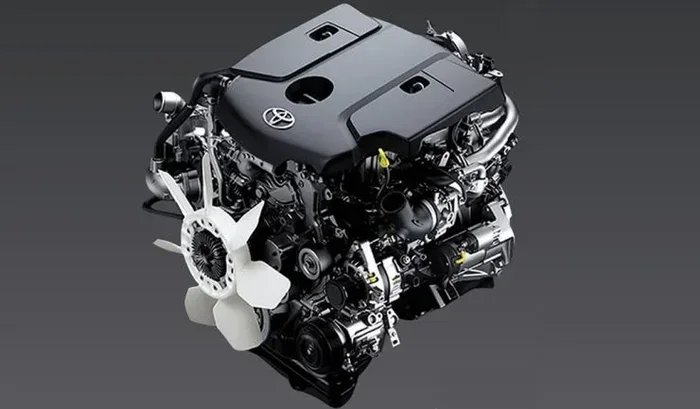
Toyota engineers prioritize robustness over flashiness. They design engines that can tolerate a wide range of driving conditions. Whether you live in a hot desert or a cold northern climate, a Toyota engine is built to handle it. The cooling systems are efficient. The internal components are machined to tight tolerances. And the materials used are selected for long-term durability.
Toyota also designs its engines with serviceability in mind. Many components are easy to access and replace. This means that when something does need repair, the fix is usually straightforward and affordable. A well-maintained Toyota engine can run for hundreds of thousands of miles without major overhauls.
What Makes Toyota Engines So Durable
Several factors contribute to the exceptional durability of Toyota engines. Understanding these factors can help you appreciate why your Toyota holds up so well over time.
- High-Quality Materials: Toyota uses durable cast iron and aluminum alloys for engine blocks and heads. These materials resist wear and heat better than cheaper alternatives.
- Precision Manufacturing: Each engine is assembled with tight quality controls. This reduces the chance of early wear or failure.
- Proven Designs: Toyota sticks with engine architectures that have been tested over millions of miles of real-world use.
- Efficient Cooling Systems: Toyota engines are designed to maintain optimal operating temperatures, which reduces stress on internal components.
- Simple Electronics: Fewer complex electronic systems mean fewer things that can go wrong over time.
One often overlooked factor is how Toyota approaches engine oil and lubrication. Clean oil is the lifeblood of any engine. Toyota designs its engines to work well with quality synthetic oils. Using a good oil and changing it on schedule is one of the simplest ways to extend the life of your engine. If you want to learn more about oil longevity and how it affects your engine, check out our guide on Does Mobil 1 Really Last 10K Miles.
The Role of Internal Components
Toyota engines are known for their robust internal components. The pistons, connecting rods, and crankshafts are built to handle high stress over long periods. The timing chain in many Toyota engines is designed to last the life of the vehicle. In fact, many owners report that their timing chains easily surpass 200,000 miles without needing replacement. For more details on how long these components last, you can read our article on Can A Timing Chain Last 300K Miles.
The valve train components are also built to last. Toyota uses hardened materials for camshafts and valve lifters. This reduces wear and helps the engine maintain its performance over hundreds of thousands of miles.
Common Toyota Engine Models and Their Lifespans
Not all Toyota engines are the same. Different models serve different purposes, and their lifespans can vary based on design and intended use. Here is a closer look at some of the most popular Toyota engines and what you can expect from them.
The Toyota 2AR-FE Engine
The 2AR-FE is a 2.5-liter four-cylinder engine found in the Camry, RAV4, and Lexus ES. It is known for its smooth operation and impressive longevity. Many owners report that this engine easily reaches 250,000 miles with regular maintenance. The 2AR-FE uses a timing chain rather than a timing belt, which reduces maintenance costs over the long haul.
The Toyota 1GR-FE Engine
This 4.0-liter V6 engine powers the Tacoma and the 4Runner. It is a workhorse engine designed for towing and heavy-duty use. The 1GR-FE is known for its durability and can handle serious mileage. If you use your truck for towing capacity regularly, this engine is built to take the strain. You can learn more about maximizing your truck’s towing potential in our guide on How Do I Add Towing Capacity To My Truck.
The Toyota 2ZR-FE Engine
Found in the Corolla and Matrix, the 2ZR-FE is a 1.8-liter four-cylinder engine. It is a simple, efficient design that prioritizes reliability. Owners commonly report crossing the 200,000-mile mark without major issues. This engine is a great example of how Toyota builds longevity into even its smaller, economy-focused powerplants.
The Toyota Hybrid Engine Systems
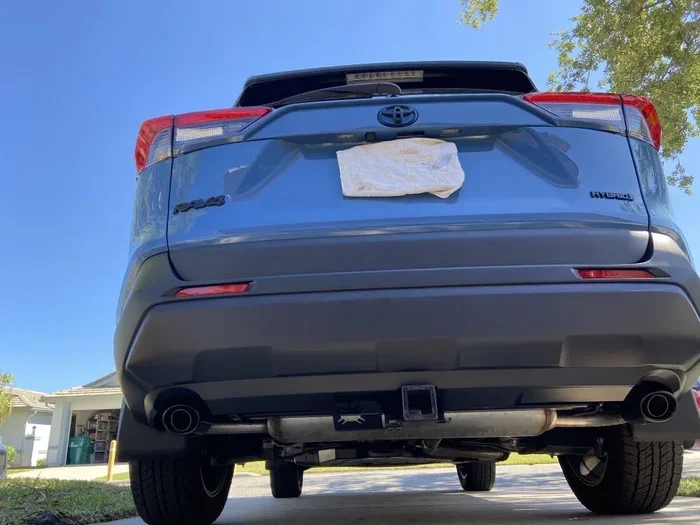
Toyota hybrid engines combine a gasoline engine with an electric motor. This setup reduces wear on the gas engine because the electric motor handles much of the low-speed driving. Hybrid owners often report that their engines last well beyond 200,000 miles. The battery systems in Toyota hybrids are also designed for long life, typically lasting 150,000 to 200,000 miles. If you are curious about whether hybrid engines really save you money at the pump, our article on Do You Really Save On Gas With A Hybrid covers this in detail.
Toyota Engine Lifespan Comparison Table
| Engine Model | Displacement | Common Vehicles | Expected Lifespan (Miles) | Key Strength |
|---|---|---|---|---|
| 2AR-FE | 2.5L I4 | Camry, RAV4, ES | 250,000+ | Timing chain, smooth operation |
| 1GR-FE | 4.0L V6 | Tacoma, 4Runner | 300,000+ | Towing durability |
| 2ZR-FE | 1.8L I4 | Corolla, Matrix | 200,000+ | Simplicity and efficiency |
| Hybrid System | Varies | Prius, Camry Hybrid | 200,000+ | Reduced engine wear |
| 5AR-FE | 2.5L I4 | Camry, Avalon | 250,000+ | Direct injection reliability |
These numbers are based on real-world owner reports and general industry estimates. Your results may vary depending on driving habits, maintenance schedule, and environmental conditions. The key takeaway is that Toyota engines are designed to last a very long time when treated well.
How to Make Your Toyota Engine Last Longer
Owning a Toyota comes with the responsibility of proper maintenance. Even the most durable engine will suffer if it is neglected. Here are the most important steps you can take to ensure your Toyota engine lasts as long as possible.
Follow the Maintenance Schedule
Toyota provides a detailed maintenance schedule for every model. This schedule outlines when to change your oil, replace filters, and inspect various components. Following this schedule is the single most important thing you can do for your engine. Skipping oil changes or ignoring warning signs will shorten your engine’s lifespan significantly.
- Change your oil every 5,000 to 7,500 miles with quality synthetic oil.
- Replace the oil filter with every oil change.
- Check and replace the air filter as recommended.
- Inspect the coolant system and flush it according to the schedule.
- Replace spark plugs at the recommended intervals.
Listen to Your Engine
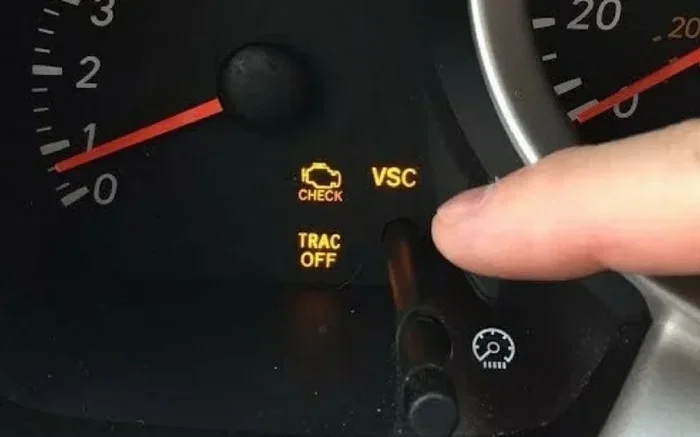
Your Toyota will tell you when something is wrong. Pay attention to unusual sounds, vibrations, or warning lights. A rattling noise might indicate a loose heat shield or a more serious internal issue. A check engine light could signal anything from a loose gas cap to a failing sensor. When you notice something unusual, get it checked out right away. Early detection of problems prevents small issues from becoming expensive repairs.
If your check engine light comes on and you want to understand what it means, you can find guidance on how to manually clear your car codes and diagnose the issue.
Drive with Care
How you drive affects your engine’s longevity. Aggressive driving, such as rapid acceleration and hard braking, puts extra stress on engine components. Over time, this can lead to premature wear. Instead, try to drive smoothly and avoid pushing the engine to its limits during cold starts. Let your engine warm up for a minute or two before driving hard, especially in cold weather.
Use Quality Fuel and Fluids
Not all fuel and fluids are created equal. Using the recommended octane rating and high-quality engine oil makes a real difference. Cheap fuel can leave deposits in your engine over time. Low-quality oil may not provide adequate protection under extreme temperatures. Stick with trusted brands and follow Toyota’s recommendations for fluid types.
Keep the Cooling System in Good Shape
Overheating is one of the biggest enemies of any engine. Make sure your coolant levels are correct and that the cooling system is functioning properly. Flush the coolant at the recommended intervals and watch for leaks. A well-maintained cooling system keeps your engine at the right temperature and prevents costly damage.
Toyota Engines vs. Competitors: How Do They Compare
Toyota is not the only automaker that builds reliable engines. Honda, Mazda, and Subaru also have strong reputations for durability. So how do Toyota engines stack up against the competition?
In independent reliability studies, Toyota consistently ranks at or near the top. Consumer Reports, J.D. Power, and RepairPal all give Toyota high marks for engine reliability. The average annual repair cost for Toyota vehicles is lower than the industry average. This speaks to the overall durability and dependability of their engines.
Honda engines are also known for longevity, and the two brands are often compared head-to-head. Both Toyota and Honda use similar engineering philosophies, focusing on simplicity and durability. The main difference is that Toyota tends to use slightly more conservative designs, while Honda sometimes pushes the envelope with higher-performance engines. Both approaches result in engines that last a long time when properly maintained.
One area where Toyota has a clear advantage is its hybrid technology. The Toyota hybrid system has been refined over more than two decades. It is the most proven hybrid powertrain on the market. This gives Toyota a unique edge in the longevity conversation, especially for drivers who want to maximize fuel efficiency and minimize engine wear.
Common Mistakes That Shorten Toyota Engine Life
Even the best engines can be shortened by poor ownership habits. Here are some common mistakes that Toyota owners should avoid.
- Skipping Oil Changes: This is the number one killer of engines. Old oil loses its lubricating properties and can cause internal damage.
- Ignoring Warning Lights: A check engine light is your car asking for help. Ignoring it can lead to serious and expensive problems.
- Driving on Empty: Running your tank low can cause the fuel pump to overheat and fail prematurely.
- Neglecting Coolant Maintenance: Old coolant loses its effectiveness and can lead to overheating.
- Using the Wrong Oil: Always use the oil grade recommended by Toyota for your specific engine.
Avoiding these simple mistakes can add tens of thousands of miles to your Toyota engine’s life. It is all about consistency and paying attention to what your car is telling you.
The Bottom Line on Toyota Engine Longevity
Toyota engines are built to last. With proper care and maintenance, you can expect your Toyota engine to deliver 200,000 miles or more of reliable service. Some models go well beyond 300,000 miles. This is not an accident. It is the result of decades of engineering excellence, quality materials, and a commitment to durability that runs through everything Toyota does.
If you own a Toyota, take pride in that reputation. Follow the maintenance schedule, drive with care, and address issues promptly. Your engine will reward you with years of dependable service. And if you ever need guidance on specific maintenance tasks or troubleshooting, our site has a wealth of articles to help you keep your Toyota running at its best.
The bottom line is simple. Toyota engines last long. But they last even longer when you treat them right. Take care of your engine, and it will take care of you for miles and miles to come.
Frequently Asked Questions
Do Toyota Engines Last Long Compared to Other Brands?
Yes, Toyota engines are widely known for their exceptional longevity and reliability. Many Toyota engines easily surpass 200,000 miles with proper care, which is significantly longer than most competitors. This durability is a major reason Toyota consistently ranks at the top of reliability surveys.
What Makes Toyota Engines Last So Long?
Toyota engines are built with high-quality materials and precision engineering that minimizes wear over time. The brand also uses conservative tuning and overbuilt components, which adds extra strength and longevity. Regular maintenance and simple driving habits further extend their lifespan considerably.
How Many Miles Can You Expect From a Toyota Engine?
Most Toyota engines are designed to last between 200,000 and 300,000 miles when properly maintained. Some models, like the Toyota Camry and Toyota Tundra, have documented cases of exceeding 400,000 miles. Your driving style, climate, and maintenance routine all play a big role in reaching these milestones.
Does Regular Maintenance Really Help Toyota Engines Last Longer?
Absolutely, staying on top of oil changes, fluid flushes, and timing belt replacements is essential for engine longevity. Skipping routine service can lead to premature wear and costly repairs down the road. Consistent maintenance keeps all internal components running smoothly for hundreds of thousands of miles.
Which Toyota Models Have the Longest-Lasting Engines?
Models like the Toyota Camry, Toyota Corolla, and Toyota Sequoia are famous for their long-lasting engines. These vehicles use proven powertrains that have been refined over decades of production. Owners of these models frequently report crossing the 300,000-mile mark without major engine issues.
What Are the Signs That a Toyota Engine Is Wearing Out?
Common warning signs include unusual knocking sounds, decreased fuel efficiency, and visible exhaust smoke. You might also notice reduced power during acceleration or strange smells coming from the engine bay. Catching these symptoms early and getting a professional inspection can prevent major engine failure.