Why a Car Driving Test Track Is the Ultimate Training Ground
A car driving test track is one of the best places to sharpen your driving skills and build real-world driving confidence. These controlled environments let you practice defensive driving, maneuvering skills, and hazard perception without the stress of real traffic. Whether you are a learner driver or brushing up on driving techniques, a test track gives you the space and freedom to grow. This guide covers everything you need to know about using a car driving test track to level up your abilities.
Have you ever wondered why some drivers walk into their road test feeling calm and ready, while others feel nervous and unsure? The answer often comes down to one thing: where they practiced. A car driving test track is more than just a stretch of empty road. It is a carefully designed space that helps you build real driving skills from the ground up. In this article, we will explore why a car driving test track is the best training ground for any driver. We will cover what makes these tracks so effective, the skills you can develop, and how to get the most out of every session.
If you are preparing for your road test or just want to become a safer driver, this guide is for you. We will break everything down into simple, actionable steps. By the end, you will understand exactly how a car driving test track can transform your abilities behind the wheel. Let us get started.
Key Takeaways
- Safe Learning Environment: A car driving test track provides a controlled space where you can make mistakes and learn without real-world risks.
- Skill Building: You can practice advanced maneuvers like parallel parking, emergency braking, and sharp turning in a low-pressure setting.
- Confidence Boost: Repeated practice on a test track helps reduce anxiety and builds the confidence needed for real road tests.
- Hazard Awareness: Test tracks simulate real driving scenarios, improving your ability to spot and react to hazards quickly.
- Instructor Feedback: Working with a qualified driving instructor on a test track accelerates your learning curve significantly.
- Customizable Practice: Unlike public roads, test tracks allow you to focus on specific weak areas at your own pace.
- Better Road Test Results: Drivers who train on test tracks consistently perform better on their actual road tests and assessments.
📑 Table of Contents
- What Is a Car Driving Test Track?
- Why Training on a Test Track Matters
- Key Skills You Build on a Driving Test Track
- How to Choose the Right Car Driving Test Track
- Common Mistakes Learners Make on Test Tracks
- Expert Tips to Get the Most from Your Test Track Sessions
- How Test Track Training Improves Your Road Test Performance
- Conclusion
What Is a Car Driving Test Track?
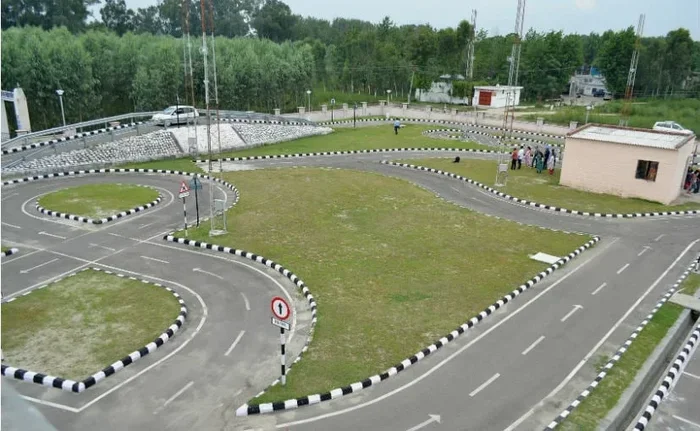
A car driving test track is a dedicated area designed for drivers to practice and improve their skills. Unlike public roads, these tracks are free from heavy traffic, pedestrians, and unpredictable hazards. They offer a safe, controlled environment where you can focus entirely on your driving practice. Many driving schools, training centers, and even government agencies use these tracks to prepare learner drivers for real-world conditions.
The layout of a driving test track can vary widely. Some tracks mimic real road conditions with intersections, roundabouts, and highway on-ramps. Others focus on specific skills like parallel parking, emergency braking, and speed control. The goal is always the same: to give you a space where you can learn, make mistakes, and improve without serious consequences.
Why Do Driving Schools Use Test Tracks?
Driving schools rely on test tracks because they offer something public roads simply cannot. On a real street, a single mistake can lead to a dangerous situation. On a test track, mistakes become learning moments. Instructors can guide you through complex driving exercises at a pace that feels comfortable. This hands-on approach is the foundation of effective safety training.
Many driving courses now include test track sessions as a core part of their curriculum. This shift reflects a growing understanding that behind the wheel practice in a controlled setting produces better results. Students leave with stronger skills and a much clearer understanding of how their vehicle handles in different situations.
Why Training on a Test Track Matters
You might be thinking, “Can I not just practice on regular roads?” The truth is, real roads have too many variables. Other drivers, unpredictable pedestrians, and changing weather conditions can all make learning difficult. A car driving test track strips away those variables and lets you focus on what really matters: your driving techniques and vehicle control.
Here is why training on a test track makes such a big difference:
- Zero Pressure: You do not have to worry about other cars honking or getting a ticket. This freedom allows you to truly focus on your driving skills.
- Repeatable Scenarios: You can practice the same maneuvering skills over and over until you feel confident. Repetition is one of the fastest ways to build muscle memory.
- Safe Mistakes: Spinning out or hitting a cone is a lot less stressful than making the same mistake on a busy highway. Test tracks let you learn from errors without real danger.
- Structured Learning: Instructors can design a driving assessment that targets your specific weak areas, making every minute of practice count.
- Realistic Conditions: Many modern test tracks include wet surfaces, hills, and sharp turns to simulate challenging real-world driving situations.
The driving confidence you gain from test track practice is something you simply cannot get from reading a manual or watching videos. There is no substitute for actually being behind the wheel and feeling how the car responds to your inputs. This hands-on experience is what sets apart drivers who pass their tests on the first try from those who need multiple attempts.
The Psychology Behind Test Track Training
There is a real science behind why test tracks work so well. When you practice in a low-stress environment, your brain forms stronger neural connections related to driving techniques. This process is called defensive driving training, and it rewires how you react to potential hazards. Over time, you start scanning the road ahead, anticipating problems, and making smoother decisions without even thinking about it.
Studies show that learner drivers who spend time on test tracks report feeling significantly less anxious during their actual road test. The familiarity of the environment carries over, giving them a mental advantage. They have already handled similar scenarios, so the real test feels like a natural extension of their practice.
Key Skills You Build on a Driving Test Track
A car driving test track is designed to help you develop a wide range of essential skills. Let us look at the most important ones and how each contributes to your growth as a driver.
Vehicle Control and Handling
The foundation of good driving is vehicle control. On a test track, you can practice steering, braking, and accelerating with precision. You learn how your car responds at different speeds and in different conditions. This hands-on experience with hands-on training is invaluable. You start to feel the car as an extension of your body, which is exactly what every good driver needs.
Specific exercises include:
- Practicing smooth starts and stops
- Steering through tight turns without jerking the wheel
- Learning how to shift gears smoothly (for manual transmission vehicles)
- Understanding braking distances at different speeds
Hazard Perception and Reaction Time
Hazard perception is one of the most critical skills for any driver. A car driving test track can simulate unexpected scenarios that train your reflexes. You might encounter sudden obstacles, pedestrians stepping out, or vehicles merging without warning. Practicing these situations in a safe space trains your brain to react quickly and appropriately.
Good hazard perception is not just about speed. It is about reading the road ahead and anticipating problems before they happen. Test tracks give you the perfect environment to develop this habit. You learn to scan mirrors, check blind spots, and maintain a safe following distance until these actions become second nature.
Maneuvering and Parking Skills
Parallel parking, three-point turns, and reverse parking are some of the trickiest skills for new drivers. A driving test track provides the perfect space to master these maneuvering skills. You can set up cones or markers to create realistic parking scenarios and practice until you nail the technique.
Many drivers find that parking is the part of their road test that causes the most stress. But with repeated practice on a test track, parking becomes much less intimidating. You build the muscle memory and spatial awareness needed to park confidently in any situation.
Speed Management and Braking
Knowing how to manage your speed is essential for safe driving. On a car driving test track, you can practice accelerating to different speeds and then braking smoothly to a stop. You learn how your vehicle handles at various speeds and how to judge distances accurately. This kind of speed control practice is incredibly valuable for both your test and everyday driving.
Emergency braking is another crucial skill. Test tracks let you practice sudden stops at different speeds without risking injury or damage. You learn how your car’s braking system works and how to maintain control during a hard stop. This knowledge can literally save lives on the road.
How to Choose the Right Car Driving Test Track
Not all car driving test tracks are created equal. Choosing the right one can make a huge difference in the quality of your training. Here are some factors to consider when selecting a track for your practice sessions.
Track Layout and Features
Look for a track that offers a variety of road conditions and scenarios. A good driving course should include straight roads, curves, intersections, and possibly even highway-style on-ramps. The more diverse the layout, the more skills you can develop. Some tracks also include special surfaces like wet or icy patches to teach you how to handle your car in challenging conditions.
Ask the training center about their track features before you book a session. A well-designed track will cover most of the scenarios you might encounter on your actual road test. This preparation is what gives you a real edge.
Instructor Qualifications
The quality of your driving instructor matters enormously. Choose a track that employs certified, experienced instructors who understand how to teach effectively. A good instructor does not just tell you what to do. They explain why certain techniques work and how to adapt them to different situations. Look for reviews and ask about instructor credentials before committing to a program.
Vehicle Condition and Variety
Make sure the vehicles on the track are well-maintained and suitable for your skill level. Some driving schools offer a choice between automatic and manual transmission vehicles. If you are learning to drive a manual car, make sure the track has vehicles with working clutches and gear shifts. The condition of the training vehicle directly affects your learning experience.
Location and Accessibility
Convenience matters. Choose a car driving test track that is easy to reach and fits your schedule. Many training centers offer flexible booking options, including weekend and evening sessions. The closer and more accessible the track, the more likely you are to practice regularly and see real improvement in your driving skills.
Common Mistakes Learners Make on Test Tracks
Even with the best intentions, learners often make mistakes during their test track sessions. Being aware of these common errors can help you avoid them and get more out of your practice.
Skipping the Basics
It is tempting to jump straight into advanced maneuvers, but skipping the basics is a recipe for trouble. Always start with fundamental skills like smooth steering, gentle braking, and proper mirror checks. These basics form the foundation for everything else you will learn on the track. Rushing through them will only slow down your progress in the long run.
Practicing Without a Plan
Showing up to a test track without a clear goal is a wasted opportunity. Every session should have a focus. Maybe today you want to work on parallel parking. Maybe you want to practice emergency braking. Having a plan ensures you use your time wisely and target your weak areas directly. Talk to your instructor before each session and set specific objectives.
Ignoring Feedback
Your driving instructor is there to help you improve. Ignoring their feedback or getting defensive when they point out mistakes is one of the biggest wastes of time. Listen carefully, ask questions, and apply their advice in your next practice run. The feedback loop between practice and correction is what drives real improvement.
Practicing Too Much Without Rest
While practice is important, overdoing it can lead to fatigue and frustration. Your brain needs time to process what you have learned. Short, focused sessions spread over several days are far more effective than one long marathon session. Give yourself time to rest and let the skills sink in.
Expert Tips to Get the Most from Your Test Track Sessions
Getting the most out of your time on a car driving test track requires more than just showing up. Here are some expert tips that can accelerate your progress and help you get the best results possible.
Set Clear Goals for Each Session
Before every session, write down what you want to achieve. Are you working on your three-point turn? Do you want to improve your speed control? Having clear goals keeps you focused and gives you a measurable way to track your progress over time. Share these goals with your instructor so they can tailor the session to your needs.
Focus on One Skill at a Time
It is tempting to try to fix everything at once, but that approach rarely works. Focus on one skill per session. Whether it is emergency braking or hazard perception, giving your full attention to one area produces much better results. Once you feel confident in one skill, move on to the next.
Record Your Progress
Keep a simple log of what you practiced and how you felt after each session. Note what went well and what needs more work. This log becomes a valuable tool for tracking your improvement and identifying patterns. Over time, you will see clear evidence of your growth, which is incredibly motivating.
Practice Mindfulness Behind the Wheel
Being present and focused during your practice is just as important as the drills themselves. Pay attention to how your body feels, how the car responds to your inputs, and what you are thinking at any given moment. This mindful approach helps you build a deeper connection with your driving and accelerates skill development.
Simulate Test Conditions
As your test approaches, start simulating the actual road test conditions on the track. Practice the exact route if possible, follow all test procedures, and have your instructor act as the examiner. This simulation reduces surprises on test day and gives you a realistic sense of what to expect.
Stay Positive and Patient
Learning to drive is a journey, and everyone progresses at their own pace. There will be days when everything feels easy and days when you struggle. The key is to stay positive and trust the process. Every session on the car driving test track is a step forward, even when it does not feel like it.
How Test Track Training Improves Your Road Test Performance
The connection between test track practice and road test success is well established. Drivers who train on a car driving test track consistently report higher confidence levels and better results on their actual driving assessment. This is not a coincidence. It is the direct result of structured, focused practice in a safe environment.
When you arrive for your road test, you already know how your car handles in various situations. You have practiced parallel parking, emergency stops, and complex intersections on the test track. This familiarity eliminates a lot of the uncertainty that causes anxiety. You walk into the test feeling prepared and ready.
Furthermore, test track training builds habits that examiners look for. Smooth steering, proper mirror use, controlled speed, and calm decision-making all come from repeated practice. These habits are what separate a confident, competent driver from someone who is just getting by. The driving confidence you build on a test track translates directly into better performance on test day.
The Long-Term Benefits of Test Track Training
The benefits of training on a car driving test track extend far beyond passing your test. The skills you develop become part of your driving DNA. You carry them with you every time you get behind the wheel. Better hazard perception, smoother vehicle control, and stronger defensive driving habits all contribute to a lifetime of safer driving.
Many experienced drivers also return to test tracks for refresher courses or to practice specific skills after a long break from driving. The versatility and value of test track training make it a worthwhile investment at any stage of your driving journey.
Conclusion
A car driving test track is truly one of the best investments you can make in your driving education. It provides a safe, structured, and effective environment to build the skills, confidence, and habits that matter most. From vehicle control and hazard perception to maneuvering skills and speed management, every aspect of your driving can be improved through dedicated test track practice.
Whether you are a learner driver preparing for your first road test or an experienced driver looking to sharpen your skills, a car driving test track offers something invaluable: the space to learn, grow, and become the best driver you can be. The time you invest on the track pays dividends every time you drive. So find a quality track near you, set your goals, and start your journey toward becoming a more confident, capable driver today.
Frequently Asked Questions
What exactly is a car driving test track?
A car driving test track is a dedicated, controlled area where drivers can practice and improve their skills without the risks of public roads. These tracks are used by driving schools and training centers to help learner drivers build confidence and master essential driving techniques before taking their road test.
How is a test track different from practicing on public roads?
Unlike public roads, a test track is free from heavy traffic, unpredictable pedestrians, and real-world dangers. This controlled environment allows you to focus entirely on your driving skills and make mistakes without serious consequences. The structured setup also lets you repeat specific driving exercises until you feel completely comfortable.
Can test track training help me pass my road test on the first attempt?
Absolutely. Many drivers who train on a car driving test track report feeling much more prepared and confident on test day. The familiarity with various driving scenarios and maneuvers gives you a significant advantage. However, passing also depends on your consistency, attitude, and how well you apply what you have learned during the actual test.
Do I need to have a learner’s permit to practice on a test track?
Most training centers require you to have a valid learner’s permit or provisional license before practicing on a driving test track. This ensures you meet the legal requirements for behind-the-wheel training. Always check with your local driving school or training center for their specific requirements and policies.
How many sessions do I need on a test track to feel ready?
The number of sessions varies depending on your current skill level and learning pace. Some drivers feel ready after a few focused sessions, while others benefit from more practice. Working with a qualified driving instructor can help you determine exactly how many sessions you need to build the driving confidence required for your road test.
Are test tracks only for beginner drivers?
Not at all. While learner drivers benefit greatly from test track training, experienced drivers also use them to refresh their skills, practice specific maneuvers, or prepare for advanced driving assessments. Test tracks are valuable for drivers at every level who want to improve their safety, confidence, and overall driving skills.