Car Interior Roof Design Ideas That Will Blow Your Mind
Car interior roof design is more than just a ceiling — it shapes your entire driving experience. From panoramic roof panels to ambient ceiling lighting, the right design adds luxury and comfort. This guide covers the best car roof design ideas, materials, trends, and budget tips. Whether you want a sleek modern look or a custom feel, these ideas will inspire your next project. Learn how to make your car’s interior roof a standout feature.
When you think about car upgrades, what comes to mind first? Most people picture new wheels, a sleek spoiler, or a fancy infotainment system. But here is the thing — your car interior roof design plays a huge role in how the whole cabin feels. It is the first thing you see when you look up, and it sets the mood every single time you get behind the wheel.
A well-designed interior roof can make a small car feel spacious. It can add a touch of luxury to an economy model. And with the right materials and lighting choices, it can turn an ordinary ride into something truly special. In this article, we will explore the best car interior roof design ideas, materials, trends, and practical tips you can use right away.
The roof area is often overlooked during car customization. People focus on seats, dashboards, and wheels. But your interior ceiling is a blank canvas waiting for creativity. Whether you are building a show car, upgrading your daily driver, or just looking for fresh inspiration, this guide has you covered. Let us dive into the world of car roof design and see what is possible.
Key Takeaways
- Your car’s interior roof sets the tone for the entire cabin and affects how you feel while driving.
- Panoramic and moonroof designs are among the most popular trends in modern car interior roof design.
- Headliner material choice impacts comfort, durability, and the overall aesthetic of your vehicle.
- Ambient ceiling lighting and integrated tech features elevate the interior experience significantly.
- Budget-friendly customizations like trim upgrades and lighting kits can transform your roof area affordably.
- Avoiding common mistakes like poor insulation or low-quality materials saves money and frustration long-term.
📑 Table of Contents
- Why Your Car Interior Roof Design Matters More Than You Think
- Popular Car Interior Roof Design Trends for 2024 and Beyond
- Materials That Make a Difference in Roof Design
- Sunroof and Panoramic Roof Design Ideas
- Customizing Your Car Interior Roof on a Budget
- Common Mistakes to Avoid in Car Roof Design
- Bringing It All Together: Designing Your Dream Car Interior Roof
Why Your Car Interior Roof Design Matters More Than You Think
Your car roof is not just a piece of metal or plastic above your head. It is a key part of the cabin experience. The design of your interior roof affects lighting, airflow, noise levels, and even how spacious the car feels. A smart roof design can completely change the vibe of your vehicle.
Think about it. When you step into a luxury car, what catches your eye first? Often, it is the sweeping lines of the roof, the soft headliner material, and the gentle glow of ceiling lights. These details create a feeling of openness and premium quality. Even in a budget car, a clean and well-thought-out roof design can make a big difference.
The interior roof also plays a role in safety. The headliner helps absorb sound, provides insulation, and supports the roof rails or crossbars. A damaged or poorly designed roof area can lead to rattles, noise, and even reduced structural integrity. So paying attention to your car interior roof design is not just about looks — it is about function too.
The Psychology of Looking Up
Human beings naturally look up. When we enter a space, our eyes go to the ceiling. This applies to rooms, buildings, and yes, car interiors. A cluttered or boring roof area can make the cabin feel cramped. A clean, well-designed ceiling makes everything feel lighter and more open.
Car designers know this. That is why high-end brands invest heavily in headliner design and ceiling aesthetics. They understand that the roof area shapes your first impression. When you customize your own car, you can apply the same principle. A thoughtful car interior roof design instantly upgrades the entire feel of the cabin.
Popular Car Interior Roof Design Trends for 2024 and Beyond
Car interior design is always evolving. New materials, lighting tech, and shape trends come out every year. Here are the most exciting roof design trends that are turning heads right now.
Panoramic Glass Roofs
Panoramic roofs have been a hit for years, and they are not slowing down. These large glass panels stretch from the front to the back of the car, flooding the cabin with natural light. They make the interior feel airy and open, even in compact cars.
Many modern SUVs and sedans now offer panoramic roof options as standard or optional. If your car does not come with one, aftermarket panoramic roof kits are available for certain models. They are a game-changer for anyone who loves the feeling of open space inside a vehicle.
Ambient Ceiling Lighting
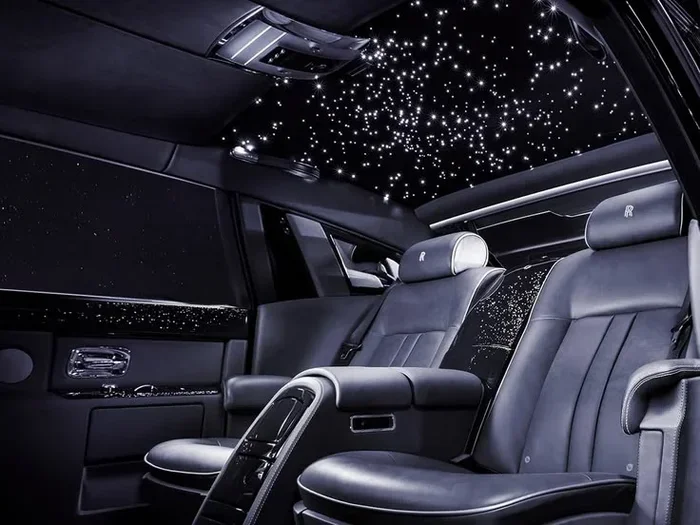
Ambient lighting used to be limited to door panels and dashboards. Now, car interior roof design often includes LED strips built right into the ceiling. These lights can change color, adjust brightness, and create a stunning atmosphere inside the car.
You can find kits that sync with your car’s music system. The lights pulse with the beat, creating a concert-like feel. This is one of the easiest and most affordable ways to upgrade your roof area. A simple lighting kit can completely transform the mood of your cabin.
Integrated Roof Consoles
Some modern cars feature built-in consoles mounted on the interior roof. These can house controls for climate, lighting, or even entertainment systems. The trend is moving toward minimal, clean designs that keep the ceiling area uncluttered while still offering easy access to features.
Aftermarket roof consoles are also popular. You can find options made from carbon fiber, leather, or brushed aluminum. These add a custom touch and make your car interior roof design look polished and professional.
Textured and Contrasting Headliners
Gone are the days of plain black headliners. Today, car makers and enthusiasts are using textured fabrics, suede, and even carbon fiber wraps for the ceiling. Contrasting headliners — where the roof color differs from the rest of the interior — are a bold and stylish choice.
This trend works especially well in cars with two-tone interiors. A dark roof paired with a lighter cabin creates depth and visual interest. It is a simple change that makes a big impact on the overall car interior design.
Roof-Mounted Displays and Tech
Some luxury and concept cars now feature small displays embedded in the roof lining. These can show navigation, entertainment info, or even passenger-facing content. While still rare in production cars, this tech is becoming more accessible and affordable.
If you want a futuristic feel, consider adding a small rear-seat screen that mounts near the roof. It is not the same as a built-in display, but it achieves a similar look and feel. This is a fun way to push your car interior roof design into the future.
Materials That Make a Difference in Roof Design
The material you choose for your car interior roof has a huge impact on the final look and feel. Different materials offer different benefits in terms of durability, comfort, and style. Let us break down the most popular options.
| Material | Best For | Durability | Cost |
|---|---|---|---|
| Standard Fabric Headliner | Daily drivers, budget builds | Moderate | Low |
| Suede or Alcantara | Luxury and sporty interiors | High | Medium to High |
| Carbon Fiber Wrap | Racing and custom builds | Very High | Medium |
| Leather-Faced Headliner | Premium and luxury vehicles | High | High |
| Acoustic Fabric | Noise reduction and comfort | Moderate to High | Medium |
| PVC or Vinyl | Convertible roofs and wet climates | Very High | Low to Medium |
Standard fabric headliners are the most common option. They are affordable, lightweight, and easy to replace. However, they can sag over time, especially in hot climates. If you want a step up, suede or Alcantara gives your interior a premium feel. These materials are soft to the touch and resist fading well.
Carbon fiber wraps are perfect for enthusiasts who want a race-car look. They are extremely durable and add a sleek, modern vibe. Leather-faced headliners are the go-to choice for luxury vehicles. They look and feel expensive, but they come at a higher price point.
Acoustic fabric is a smart choice if noise reduction matters to you. This material helps dampen road noise and wind sound. It is a great option for cars with panoramic roofs, which can sometimes let in more noise. PVC and vinyl work best for convertibles and cars in rainy areas because they resist moisture well.
Quick Tip: Choosing the Right Material
Before you pick a material, think about your climate, driving habits, and style goals. A suede headliner looks incredible but may not hold up well in a humid environment. A carbon fiber wrap is tough and stylish but can feel cold in winter. Match the material to your needs for the best results.
Sunroof and Panoramic Roof Design Ideas
Few features make a bigger statement than a sunroof or panoramic roof. These design elements open up the cabin to the sky and create a sense of freedom that is hard to beat. Let us look at some of the best roof design ideas for car enthusiasts.
Spoiler-Style Sunroofs
A spoiler sunroof is a small, angled glass panel built into the rear of the roof. It is compact and adds a sporty look without taking up too much headroom. Many sports cars and coupes use this style. It is a great option if you want the open-air feel without sacrificing interior space.
Full-Panel Panoramic Roofs
A full panoramic roof replaces the entire roof section with glass. This gives every passenger a view of the sky. It is especially popular in SUVs and minivans where families can all enjoy the open feel. These roofs often come with tinted or UV-protected glass to keep the cabin cool.
Pop-Up and Removable Roofs
For the ultimate open-air experience, some car owners opt for removable or pop-up roofs. These are common in classic convertibles and off-road builds. A removable roof panel lets you switch between a closed and open cabin in minutes. It is a bold choice that turns heads everywhere you go.
Frosted or Tinted Roof Panels
Not everyone wants a fully clear panoramic roof. Frosted or tinted glass panels offer privacy while still letting in natural light. They reduce glare and keep the cabin cooler. This is a subtle but effective way to enhance your car interior roof design without going all-in on a clear glass roof.
Adding a Sunroof to a Car Without One
If your car does not have a sunroof, you can still add one. Aftermarket sunroof kits are available for many popular models. The installation process involves cutting a hole in the roof, adding a glass panel, and sealing it properly. It is a complex job, so professional installation is recommended. But the result is worth the effort — a sunroof completely changes how the cabin feels.
Customizing Your Car Interior Roof on a Budget
You do not need a big budget to upgrade your car interior roof design. There are plenty of affordable ways to make your ceiling area look and feel better. Here are some budget-friendly ideas that deliver real results.
- Swap out the headliner. A new headliner is one of the most affordable interior upgrades. You can buy pre-cut kits for most car models. Choose a quality fabric or suede, and your ceiling will look brand new.
- Add LED ambient lighting. A simple LED strip kit costs under $30 and makes a huge visual impact. Stick it along the roof rails or edges of the ceiling for a subtle glow.
- Install a roof console. Aftermarket roof consoles range from $20 to $100. They add a functional and stylish touch to the roof area.
- Use a headliner spray. If your current headliner is faded or stained, a fabric refresher spray can bring it back to life. It is a quick fix that costs just a few dollars.
- Add roof trim accents. Chrome or matte black trim strips can dress up the edges of your roof. They are easy to install and give the cabin a polished look.
These small changes add up fast. You can transform your car interior roof design for under $100 in most cases. The key is to focus on clean lines, matching materials, and consistent lighting.
Expert Insight: Start Small, Think Big
Many people overcomplicate their roof customization. They try to add too many features at once and end up with a cluttered look. Start with one or two changes. See how they look and feel. Then build from there. A clean, simple upgrade always looks better than a rushed, overdone one.
Common Mistakes to Avoid in Car Roof Design
Even with the best intentions, mistakes happen when working on car interior roof design. Here are the most common errors and how to avoid them.
Choosing the Wrong Material for Your Climate
Not all headliner materials handle heat and humidity the same way. Fabric can peel and sag in hot, humid climates. PVC can crack in cold weather. Always choose a material suited to your local conditions. If you live somewhere with extreme temperatures, go with a material rated for those conditions.
Ignoring Insulation and Sound Dampening
The roof area is a major source of road noise and heat transfer. If you replace your headliner, make sure to include insulation backing. Skipping this step leads to more wind noise, louder cabin noise, and a hotter interior in summer. Good insulation also helps your car maintain a comfortable temperature.
Overloading the Roof with Features
It is tempting to add every cool feature you can find — lights, screens, consoles, speakers. But too many features make the ceiling area feel busy and cluttered. Pick a few key elements and keep the design clean. Less is often more when it comes to car interior roof design.
Skipping Proper Installation
A poorly installed headliner or roof panel will sag, rattle, and look terrible. Take your time with installation, or pay a professional to do it right. A clean install makes all the difference in how the final result looks and feels.
Forgetting About the Rear View
Your roof design affects the rearview mirror area. If you add a large console, tinted panel, or lighting strip, make sure it does not block your rear visibility. Safety should always come first, even in custom interior projects.
Using Low-Quality Adhesives
The adhesive you use to attach your headliner or trim matters more than you might think. Cheap adhesives fail over time, leading to peeling and bubbling. Invest in a quality automotive adhesive designed for headliner application. It will hold up much better and save you from redoing the work.
Bringing It All Together: Designing Your Dream Car Interior Roof
Designing the perfect car interior roof comes down to balancing style, function, and budget. Start by deciding what matters most to you. Do you want maximum natural light? Go with a panoramic roof or sunroof. Want a premium feel? Invest in suede or leather headliner material. Looking for a moody, modern atmosphere? Add ambient LED lighting and a clean console.
The best car interior roof designs combine a few thoughtful elements rather than trying to do everything at once. Pick a theme — modern, classic, sporty, or luxury — and let it guide your choices. Choose materials that match your climate and driving habits. Add lighting or trim accents that complement the rest of your interior.
Remember, your roof area is the ceiling of your personal space on wheels. It should make you feel good every time you look up. Whether you are driving to work or parked at a car show, a well-designed interior roof adds to the experience in ways you might not even notice at first. That is the beauty of great car interior roof design — it works silently but powerfully to elevate every moment behind the wheel.
Take your time. Plan your changes. Choose quality materials. And most importantly, enjoy the process. Your car interior roof design is a reflection of your style and personality. Make it one you are proud of every time you step inside.
Frequently Asked Questions
What is the best material for a car interior roof headliner?
Suede and Alcantara are widely considered the best materials for a premium look and feel. They are soft, durable, and resist fading well. However, the best material depends on your climate and budget. For hot and humid areas, PVC or acoustic fabric may be a better choice. For a sporty look, carbon fiber wrap is a popular option.
Can I add a sunroof to a car that doesn’t have one?
Yes, aftermarket sunroof kits are available for many car models. The installation involves cutting an opening in the roof and fitting a glass panel with proper sealing. It is a complex job, so professional installation is highly recommended. The cost typically ranges from $500 to $2,000 depending on your vehicle and the type of sunroof.
How much does it cost to replace a car headliner?
A DIY headliner replacement kit usually costs between $50 and $150. Professional installation can add $100 to $300 depending on your location and the complexity of the job. The total cost depends on the material you choose and the size of your vehicle’s roof area.
What are the latest trends in car interior roof design?
The biggest trends right now include panoramic glass roofs, ambient LED ceiling lighting, textured headliners, and integrated roof consoles. Many car makers are also focusing on sustainable materials and acoustic fabrics that improve cabin comfort. These trends are making car interior roof design more exciting and functional than ever.
How do I prevent my car headliner from sagging?
Sagging is usually caused by heat, humidity, or old adhesive. To prevent it, use a quality headliner material rated for your climate. Make sure the adhesive is strong and applied evenly. You can also use a headliner support spray to help the fabric stick better. Avoid parking in direct sunlight for long periods when possible.
Is ambient roof lighting hard to install?
Not at all. Most ambient LED lighting kits come with adhesive backing and a simple plug-and-play setup. You just stick the strip to the roof edge or rail, connect it to a power source, and you are done. Many kits include remote controls or smartphone apps for adjusting colors and brightness. It is one of the easiest and most impactful car interior roof design upgrades you can make.
=== CONCLUSION ===
Car interior roof design is one of the most overlooked yet impactful ways to upgrade your vehicle. From choosing the right headliner material to adding ambient lighting and sunroof features, every detail counts. The trends are exciting, the materials are more varied than ever, and the budget options are better than they have been in years. Whether you go all-out with a panoramic glass roof or keep it simple with a fresh headliner and LED strips, your ceiling area has the power to transform your entire driving experience. Start with one change today and see how it makes you feel every time you look up inside your car.