Car Wont Start but Radio Works Everything You Need to Know
When your car won’t start but the radio works, it usually points to a problem with the starter motor, ignition system, or battery connections. This guide walks you through every possible cause and fix in simple, easy-to-follow steps. You will learn how to diagnose the issue yourself and save money on repairs.
Few things in life are as frustrating as turning your key or pressing the start button and hearing nothing happen. Yet your car won’t start but radio works. The dashboard lights might even come on. The stereo plays your favorite tunes just fine. So what gives?
This exact situation happens to thousands of drivers every single day. The good news is that you do not need to be a mechanic to understand what is going on. In this guide, we will break down every possible reason your car refuses to start while the radio keeps playing. We will also give you clear, step-by-step fixes you can try right at home.
Whether you drive a new sedan or an older SUV, this article has you covered. Let us dive in and get you back on the road.
Key Takeaways
- A working radio but dead engine usually means your battery has enough power for small electronics but not enough to crank the motor.
- Corroded battery terminals and loose connections are the most common and easiest to fix causes of this problem.
- A faulty starter motor or bad ignition switch can prevent your car from starting even when everything else seems fine.
- You can perform several simple diagnostic tests at home before visiting a mechanic.
- Regular car maintenance and battery care can prevent this frustrating issue from happening again.
📑 Table of Contents
Why Does the Radio Work But the Car Won’t Start?
Understanding the basics of your car’s electrical system is the first step toward solving this problem. Your vehicle has two separate electrical systems that share one battery. One system powers your lights, radio, and dashboard. The other system handles the heavy-duty work of starting the engine.
When your radio works but your car won’t start, it usually means the battery has enough charge for small electronics but not enough juice to turn over the engine. Think of it like a water tank with low pressure. You might still get water from the kitchen faucet, but the shower won’t work well.
Here are the main reasons this happens:
- Weak or dying battery that cannot deliver enough cranking power
- Corroded or loose battery terminals blocking the electrical flow
- Faulty starter motor that fails to engage the engine
- Bad ignition switch that does not send the start signal
- Issues with the starter relay or fuse
- Ground wire problems interrupting the electrical circuit
Each of these causes has its own set of symptoms and fixes. Let us go through them one by one so you can narrow down the problem.
The Battery: Your Car’s Power Source
The battery is the heart of your car’s electrical system. When it starts to weaken, it often shows signs in a very specific way. Your radio and dashboard lights work because they need very little power. But starting the engine takes a huge burst of energy that a weak battery simply cannot provide.
Most car batteries last between three and five years. If yours is older, it might be time for a replacement. But before you buy a new one, try these simple checks first.
Look at your battery terminals. Do you see any white or greenish powdery buildup? That is corrosion, and it can block the electrical connection completely. Even if the battery is fully charged, corrosion can stop the power from reaching your starter motor.
Next, try turning on your headlights. If they are dim or flickering, your battery is likely the culprit. A fully charged battery should give you bright, steady headlights.
You can also use a multimeter to test the battery voltage. A healthy battery should read around 12.6 volts when the engine is off. If it reads below 12 volts, your battery needs charging or replacing. For more tips on keeping your car in top shape, check out our guide on are car seats easy to take out for general car maintenance tips.
Common Causes and How to Fix Them
Now that you understand the basics, let us look at each possible cause in detail. We will cover the symptoms to watch for and the steps you can take to fix the problem.
Corroded Battery Terminals
Corrosion on battery terminals is one of the most common reasons a car won’t start but the radio works. The buildup acts like a barrier, preventing electricity from flowing freely from the battery to the rest of the car.
You can fix this yourself with just a few simple steps:
- Turn off the engine and remove the keys from the ignition.
- Locate the battery terminals. They are the metal clamps on top of the battery.
- Mix a tablespoon of baking soda with a cup of warm water.
- Dip an old toothbrush into the solution and scrub the terminals gently.
- Rinse with a little clean water and dry thoroughly with a cloth.
- Reconnect the terminals tightly, starting with the positive clamp first.
After cleaning the terminals, try starting your car again. In many cases, this simple fix is all you need. If the corrosion keeps coming back, consider using anti-corrosion terminal protectors. You can find these at any auto parts store for just a few dollars.
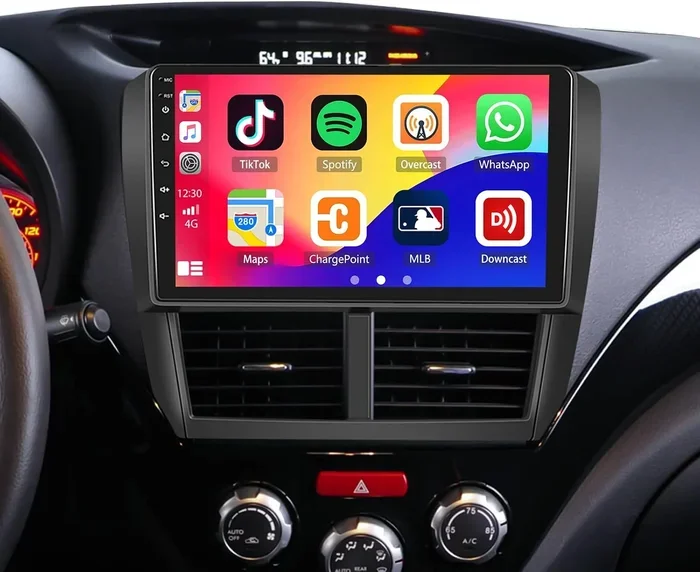
For car owners who also deal with interior electronics, keeping your 7 inch touch screen for car clean and free of dust can help maintain your overall electrical system. Dust and grime can build up around electronic components and cause intermittent connection issues over time.
Faulty Starter Motor
The starter motor is the heavy-duty electric motor that cranks your engine when you turn the key. When it goes bad, you might hear a single click or nothing at all when you try to start the car. Your radio and lights still work because they draw very little power compared to the starter motor.
Starter motors can fail for several reasons:
- Worn-out brushes inside the motor
- A bad solenoid that fails to engage
- Electrical wear from years of use
- Oil or coolant leaking onto the motor
If you suspect a bad starter motor, here is a simple test. Turn the key to the start position and listen carefully. Do you hear a single click? That is often the solenoid trying to engage but failing. Do you hear nothing at all? The starter motor itself might be dead.
Replacing a starter motor is a job best left to a professional mechanic in most cases. The part itself can cost between 200 and 500 dollars depending on your vehicle model. Labor costs vary, but most mechanics can swap out a starter motor in one to two hours.
Bad Ignition Switch
The ignition switch is the component that sends electrical signals to start your engine. When it fails, you might notice that your car refuses to start even though everything else works normally. Your radio plays, your dashboard lights up, but turning the key does nothing.
Ignition switches wear out over time, especially in vehicles that are driven daily. The internal contacts can erode, causing intermittent or complete failure.
Signs of a bad ignition switch include:
- The car does not start when you turn the key to the “on” position
- The engine stalls unexpectedly while driving
- Your key is hard to turn or feels loose in the ignition
- Accessories like the radio work but the engine does not crank
Replacing an ignition switch typically costs between 100 and 250 dollars including parts and labor. It is a relatively straightforward repair that most mechanics can handle quickly.
Starter Relay and Fuse Issues
Your car has a starter relay that acts as a bridge between the battery and the starter motor. It also has a fuse that protects the starting circuit. When either of these components fails, your car will not start even though the battery is fine.
Checking your fuses is one of the easiest things you can do. Open your fuse box and look for the starter fuse. Most cars have a diagram on the inside of the fuse box lid that shows which fuse controls what. If the starter fuse is blown, replacing it might solve your problem entirely.
However, if the new fuse blows again shortly after you replace it, there is a deeper electrical issue that needs professional attention. A short circuit or parasitic draw could be causing the problem.
Diagnostic Steps You Can Do at Home
Before you call a mechanic, try these diagnostic steps. They can help you narrow down the cause and might even save you a lot of money.
Step 1: Check the Battery Voltage
Get a simple multimeter from any hardware store. Set it to measure DC voltage. Touch the red probe to the positive terminal and the black probe to the negative terminal. A reading of 12.6 volts or higher means your battery is healthy. Anything below 12 volts means your battery needs charging or replacement.
Step 2: Test the Headlights
Turn on your headlights and watch the brightness. If they are bright and steady, your battery has enough charge for normal operation. If they are dim, your battery is weak and might not have enough power to start the engine.
Step 3: Listen for Clicking Sounds
When you turn the key to start, listen carefully. A single loud click often means the starter solenoid is engaging but the motor is not turning. Rapid clicking usually means the battery does not have enough power to turn the starter motor.
Step 4: Check the Battery Terminals
Pop the hood and inspect the battery terminals. Look for any white, blue, or greenish buildup. If you see corrosion, clean it with the baking soda method described earlier. Make sure the clamps are tight and secure.
For more car care tips, you might also want to read about maintaining your 7 inch music system for car to keep your audio system in great shape while you troubleshoot your starting issues.
Step 5: Try the Key Fob
If your car uses a push-button start, the key fob battery might be dead. This can prevent the car from recognizing the key and starting the engine. Try holding the fob directly against the start button or replacing the fob battery. This is a surprisingly common cause that many drivers overlook.
When to Call a Professional Mechanic
While many starting problems can be diagnosed at home, some issues require professional tools and expertise. You should call a mechanic if:
- You have checked the battery, terminals, and fuses, and everything looks fine
- The starter motor makes a grinding noise when you try to start
- Your car starts sometimes but not consistently
- You smell burning or notice fluid leaks under the hood
- The dashboard warning lights are flashing or behaving strangely
A professional mechanic has diagnostic tools that can read error codes from your car’s computer system. These tools can pinpoint exactly which component is failing, saving you time and guesswork. Most mechanics offer free or low-cost diagnostics, so it is always worth getting a professional opinion before spending money on parts you might not need.
Regular car maintenance can help prevent starting problems before they happen. Simple habits like cleaning your battery terminals once a year, checking your fluid levels, and replacing your battery every four years can keep your car running smoothly. For more information on keeping your vehicle in excellent condition, visit our 3M car care resources for professional-grade cleaning and maintenance products.
Preventive Tips to Avoid Starting Problems
The best way to deal with a car that won’t start is to prevent the problem from happening in the first place. Here are some simple tips that can extend the life of your starting system:
- Get your battery tested every year after it turns three years old
- Keep your terminals clean and tight with periodic inspections
- Turn off all accessories before starting the engine to reduce strain on the battery
- Drive your car regularly to keep the battery fully charged
- Replace your battery proactively every three to five years
- Keep jumper cables in your trunk for emergencies
- Check your starter motor and ignition switch during routine oil changes
These small habits take very little time but can save you from the hassle of a car that won’t start. Think of them as part of your regular car care routine, just like checking your tire pressure or changing your oil.
If you ever find yourself stranded with a car that won’t start, remember that the radio working is actually a good sign. It means your battery still has some charge, which gives you options for troubleshooting and temporary fixes.
Key Takeaways
- A working radio with a dead engine usually means your battery has enough power for electronics but not enough to crank the motor.
- Corroded battery terminals are the most common and easiest fix for this problem.
- A faulty starter motor, bad ignition switch, or blown fuse can all cause the same symptoms.
- Simple at-home diagnostics like checking battery voltage and inspecting terminals can save you time and money.
- Regular maintenance including battery checks and terminal cleaning can prevent starting problems.
- When in doubt, consult a professional mechanic with proper diagnostic equipment.
Conclusion
Dealing with a car won’t start but radio works situation can be frustrating, but it is almost always fixable. The most common causes are weak batteries, corroded terminals, faulty starter motors, and bad ignition switches. Most of these problems have straightforward solutions that you can handle yourself or that a mechanic can resolve quickly and affordably.
The key is to stay calm and follow a systematic diagnostic process. Start with the simplest checks like battery voltage and terminal condition before moving on to more complex components. This approach saves you time and helps you avoid unnecessary repairs.
Remember that your car’s electrical system is interconnected. A problem in one area can affect another in surprising ways. By staying proactive with regular maintenance and paying attention to early warning signs, you can keep your vehicle starting reliably for years to come.
Now that you know what to look for and how to fix it, you are better equipped to handle this common car problem. The next time your car refuses to start but the radio keeps playing, you will know exactly what to do.
Frequently Asked Questions
Why does my car radio work but the engine won’t start?
Your radio needs very little power to operate, while starting the engine requires a large burst of energy. If your battery is weak or your terminals are corroded, it might have enough charge for the radio but not enough to crank the engine. This is the most common reason for this exact problem.
Can a dead key fob battery cause the car not to start even though the radio works?
Yes, absolutely. If your car uses a push-button start system, a dead key fob battery can prevent the car from recognizing the key. Your radio and dashboard may still work on residual power, but the engine start function will fail. Replacing the fob battery is a quick and easy fix.
How much does it cost to replace a starter motor?
The cost varies depending on your vehicle model and where you live. On average, you can expect to pay between 300 and 600 dollars for parts and labor combined. The starter motor part itself costs between 200 and 500 dollars, while labor typically takes one to two hours.
Is it safe to drive with a car that won’t start but has a working radio?
No, it is not safe to drive a car that will not start. Even if the radio works, you may get stranded at any time if the battery continues to weaken. Have your car towed to a repair shop or try the diagnostic steps we outlined above before attempting to drive.
How can I tell if my battery is bad or if it is just the starter motor?
If you turn the key and hear nothing at all, the battery is likely the issue. If you hear a single click but the engine does not turn over, the starter motor is more likely the problem. You can also test your battery voltage with a multimeter. A reading below 12 volts suggests a weak or dead battery.
How often should I check my battery terminals for corrosion?
You should inspect your battery terminals at least twice a year, ideally before winter and summer when extreme temperatures put extra strain on your battery. Cleaning the terminals with a baking soda solution takes just a few minutes and can prevent many starting problems.