Delaware Window Tint Law Guide Everything You Need To Know
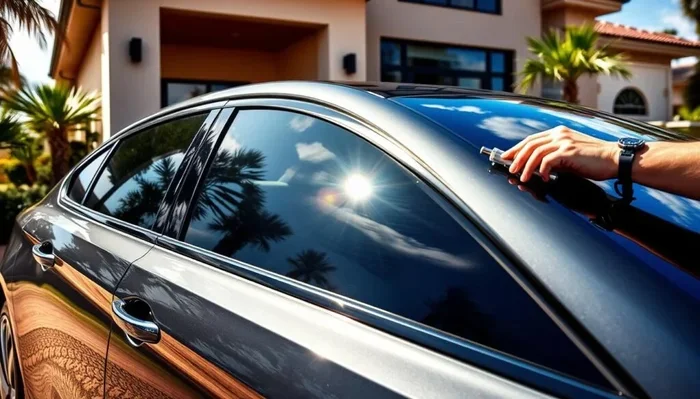
Delaware window tint law sets clear rules on how dark your car windows can be tinted. The state uses Visible Light Transmission (VLT) percentages to define legal limits for front side windows, rear side windows, and the rear windshield. Knowing these rules helps you avoid fines and keep your vehicle street legal.
Have you ever driven down a road in Delaware and noticed a car with super dark windows? Maybe you have thought about tinting your own car but worried about the rules. The Delaware window tint law can feel confusing at first. But it does not have to be.
This guide breaks down everything you need to know about car window tinting in Delaware. We will cover legal tint limits, reflectivity rules, medical exemptions, and what happens if you get caught with illegal tint. Whether you are a first-time car owner or just curious about the rules, this article has you covered.
Let us dive right in and make sure your car stays on the right side of the law.
Key Takeaways
- Front side windows must allow more than 70% VLT: This means your front windows need to stay fairly clear in Delaware.
- Rear side windows and rear windshield can be any darkness: Delaware allows darker tint on back windows with no VLT limit.
- Windshield tint is only allowed on the top 5 inches: A non-reflective strip is the only legal tint on your windshield.
- Medical exemptions are available: You can get a special permit for darker tint if you have a qualifying medical condition.
- Reflective tint is not allowed on front side windows: Delaware bans mirror-like finishes on front windows.
- Tint certificates are required: Your tint installer must provide a certificate proving compliance.
- Fines for illegal tint can be costly: Violations may result in tickets and fines up to $100 or more.
📑 Table of Contents
- What Is the Delaware Window Tint Law?
- Tint Reflectivity Rules in Delaware
- Medical Exemption for Window Tint in Delaware
- Tint Certificates and Stickers in Delaware
- Common Mistakes People Make with Car Window Tint
- Punishments and Fines for Illegal Tint in Delaware
- How to Choose the Right Tint Film for Your Car
- Tint Laws for Different Vehicle Types
- Frequently Asked Questions
- Final Thoughts on Delaware Window Tint Law
What Is the Delaware Window Tint Law?
The Delaware window tint law controls how dark or reflective you can make your car windows. Each state has its own set of rules, and Delaware is no different. The goal is to balance driver privacy with safety on the road.
Delaware uses something called Visible Light Transmission, or VLT, to measure tint darkness. VLT is the percentage of light that passes through your window film. The lower the number, the darker the tint. For example, a 5% VLT film lets in very little light, while a 70% VLT film lets in almost all light.
Understanding VLT is the first step to staying compliant. Let us look at the specific limits for each window.
Front Side Windows
In Delaware, your front side windows must allow at least 70% VLT. This means the tint on your front doors can only block up to 30% of light. This rule keeps the driver’s view clear, especially at night or in bad weather.
Many people choose a light tint film for the front windows. It adds a sleek look without breaking any laws. As long as your film allows more than 70% light through, you are good to go.
Rear Side Windows
Here is the good news. Delaware has no VLT limit for rear side windows. You can go as dark as you want on your back doors. This gives you a lot of freedom if you like a deep, dark look on your vehicle.
However, keep in mind that very dark rear windows can make it harder for police to see inside your car during a traffic stop. That is part of why the front windows have stricter rules.
Rear Windshield
The rear windshield also has no darkness limit in Delaware. You can apply any level of tint film to your back window. Just make sure your rearview mirror is not blocked if you tint the back glass.
Windshield Tint
Delaware only allows tint on the top 5 inches of your windshield. This strip must be non-reflective. The rest of your windshield must remain clear to ensure proper visibility.
This rule is common across many states. The top strip, often called a sunshade band, helps reduce glare from the sun without limiting your view of the road ahead.
Tint Reflectivity Rules in Delaware
Darkness is not the only thing Delaware regulates. The state also has rules about how reflective your tint can be. Reflective tint can mirror the sunlight, which can blind other drivers.
Front Side Windows
Reflective tint is not allowed on your front side windows. The film must be non-reflective. This ensures that other drivers can see your eyes and face, which is important for safety and communication on the road.
Rear Side Windows and Rear Windshield
There are no specific reflectivity restrictions for rear windows in Delaware. However, it is still a good idea to choose a non-reflective film. Highly reflective rear windows can create glare for drivers behind you.
Medical Exemption for Window Tint in Delaware
What if you need darker tint for medical reasons? Delaware does offer a medical exemption for window tint. This allows you to go darker than the standard 70% VLT limit on your front side windows.
Who Qualifies?
You may qualify for a medical exemption if you have a condition that makes your skin or eyes sensitive to sunlight. Common qualifying conditions include:
- Lupus or other autoimmune disorders
- Severe photosensitivity
- Skin cancer or a history of skin cancer
- Eye conditions that require reduced sun exposure
How to Apply
To get a medical exemption, you need a signed letter from your doctor. This letter should explain your condition and why darker tint is necessary. You then submit the letter to the Delaware DMV for approval.
Once approved, you will receive a certificate. Keep this certificate in your vehicle at all times. If you get pulled over, showing this certificate proves your tint is legal.
Tint Certificates and Stickers in Delaware
Delaware requires a tint certificate from your installer. This document proves that your window film meets state standards. Your installer should give you this certificate after the job is done.
You do not need a sticker on your windshield to prove compliance, but it is still smart to keep your certificate handy. If you ever sell your car, having the certificate can make the process smoother.
Why Certificates Matter
A tint certificate protects you in several ways:
- Proof of compliance: Shows you followed the law.
- Avoids tint tickets: Helps you during traffic stops.
- Eases resale: Buyers appreciate documented compliance.
Common Mistakes People Make with Car Window Tint
Even with good intentions, people make mistakes when tinting their windows. Here are some common errors to avoid.
Choosing the Wrong VLT
The biggest mistake is picking a film that is too dark for your front windows. Always check the VLT percentage before you buy. If you want a 50% VLT film for your front doors, that is perfectly legal. But if you pick a 35% VLT film, you will be breaking the law.
Skipping the Certificate
Some installers forget to provide a certificate. Always ask for one before you leave the shop. Without it, you have no way to prove your tint is legal if you get stopped.
Ignoring Reflectivity Rules
Shiny, mirror-like tint looks cool but is illegal on front windows in Delaware. Make sure your installer uses a non-reflective film for your front side windows.
Tinting the Wrong Part of the Windshield
Only the top 5 inches of the windshield can have tint. Going beyond that strip is illegal. Make sure your installer marks the correct line before applying the film.
Punishments and Fines for Illegal Tint in Delaware
What happens if you get caught with illegal tint? Delaware takes this seriously. Here is what you need to know.
Tint Tickets
If a police officer pulls you over and finds your tint too dark, you will likely receive a ticket. The fine for an illegal tint ticket in Delaware can range from around $50 to over $100. The exact amount depends on the situation and the officer’s discretion.
Having to Remove the Tint
In some cases, you may be required to remove the illegal tint within a certain time frame. This means paying for the removal and possibly re-tinting with a legal film. That can add up quickly.
Points on Your Record
While a tint violation is usually a non-moving violation, repeated offenses could lead to points on your driving record. It is not worth the risk.
How to Avoid Trouble
Here are some quick tips to stay out of trouble:
- Always check the VLT of your film before installation.
- Keep your tint certificate in your glove box.
- Choose a reputable window tint installer who knows Delaware laws.
- Get a medical exemption if you qualify.
How to Choose the Right Tint Film for Your Car
Now that you know the rules, let us talk about picking the right film. There are many options out there, and the choices can be overwhelming.
Dyed Film
Dyed film is the most affordable option. It blocks heat and reduces glare. However, it can fade over time and may not last as long as other types.
Metalized Film
Metalized film contains tiny metal particles that reflect heat. It is durable and looks great. But it can interfere with GPS and phone signals inside your car.
Carbon Film
Carbon film offers a matte finish and excellent heat rejection. It does not fade easily and does not block signals. This is a popular choice for many car owners in Delaware.
Ceramic Film
Ceramic film is the premium option. It blocks the most heat and UV rays without interfering with electronics. It is also the most expensive. If you want the best performance, ceramic is the way to go.
Choosing Based on Your Needs
Think about what matters most to you. Do you want to reduce heat? Block UV rays? Add privacy? Your priorities will help you pick the right film. And remember, no matter which film you choose, it must meet Delaware’s VLT requirements.
Tint Laws for Different Vehicle Types
Delaware tint laws apply to passenger cars, SUVs, and vans. The rules are generally the same across these vehicle types. However, there are a few things to keep in mind.
- Sedans: Front side windows must be over 70% VLT. Rear windows can be any darkness.
- SUVs and Vans: The same rules apply. Front windows over 70% VLT, rear windows unlimited darkness.
- Commercial Vehicles: Some commercial vehicles may have additional restrictions. Check with the Delaware DMV for specific rules.
No matter what type of vehicle you drive, the core rules stay the same. Keep your front windows clear and you will be fine.
Frequently Asked Questions
What is the legal tint limit for front windows in Delaware?
The front side windows in Delaware must allow at least 70% of visible light to pass through. This means the tint darkness cannot block more than 30% of light. Staying above this limit keeps you compliant with Delaware window tint law.
Can I tint my windshield in Delaware?
Yes, but only the top 5 inches of the windshield can have a non-reflective tint strip. The rest of the windshield must remain clear. This rule ensures the driver has an unobstructed view of the road.
Do I need a medical exemption for darker tint?
You need a medical exemption only if you want your front side windows darker than 70% VLT. Rear windows and the rear windshield have no darkness limits. A doctor’s letter and DMV approval are required for the exemption.
How much is a tint ticket in Delaware?
A tint ticket in Delaware can cost between $50 and $100 or more. The exact fine depends on the severity of the violation and the officer’s discretion. It is always better to stay compliant and avoid the fine altogether.
Can I use reflective tint on my car in Delaware?
No. Reflective tint is not allowed on front side windows in Delaware. The film must be non-reflective. There are no specific reflectivity rules for rear windows, but non-reflective film is still recommended.
Do I need a tint certificate in Delaware?
Yes. Your tint installer must provide a certificate proving your film meets state standards. Keep this certificate in your vehicle at all times. It serves as proof of compliance if you are ever stopped by law enforcement.
Final Thoughts on Delaware Window Tint Law
Understanding the Delaware window tint law does not have to be hard. The rules are straightforward once you know the basics. Keep your front side windows above 70% VLT, enjoy unlimited darkness on your rear windows, and only tint the top 5 inches of your windshield.
If you need darker front windows for medical reasons, apply for an exemption through the Delaware DMV. Always get a tint certificate from your installer, and choose a reputable professional who knows the state regulations.
Following these rules keeps you safe, legal, and looking great on the road. Take your time, do your research, and enjoy your new tint with peace of mind.