Top Dos and Donts After Getting Auto Glass Replacement
Knowing the right dos and donts after getting auto glass replacement can save you money and keep you safe on the road. Your new windshield needs time to cure, and improper care too early can weaken the seal. Follow these simple guidelines to ensure a strong bond and long-lasting protection.
Getting your auto glass replacement done is a relief. Whether it was a cracked windshield or a shattered side window, you are finally getting your car back to looking and feeling safe again. But here is the thing most people miss. The work is not really done the moment you leave the shop.
What happens in the hours and days after your windshield repair or replacement matters a lot. The adhesive needs time to cure. The seal needs to set. And your driving habits during that window can make or break the job. Get it right, and your new glass will last for years. Get it wrong, and you could be facing a costly redo or even a safety issue on the road.
This guide walks you through everything you need to know about post-replacement care. We will cover the dos, the donts, the timing, and the common mistakes that trip up so many car owners. By the end, you will feel confident knowing exactly how to take care of your new glass. Let us get into it.
Key Takeaways
- Wait at least 1-2 hours before driving: The urethane adhesive needs time to set properly for a safe seal.
- Keep windows rolled up for 24-48 hours: This prevents pressure changes from affecting the curing process.
- Avoid high-pressure car washes and power washers: Water pressure can weaken the fresh windshield seal.
- Skip harsh chemicals and abrasive cleaners: Gentle cleaning protects the new glass and adhesive bond.
- Avoid slamming doors: Sudden pressure spikes can compromise the curing adhesive.
- Follow your technicians specific advice: Every replacement may have slightly different care instructions.
📑 Table of Contents
- Why Post-Replacement Care Matters
- The Top Dos After Auto Glass Replacement
- The Critical Donts You Must Follow
- How Long Before You Can Return to Normal?
- Common Mistakes People Make After Glass Replacement
- When to Call Your Auto Glass Professional
- Expert Tips for Long-Lasting Auto Glass
- Final Thoughts
Why Post-Replacement Care Matters
Your new windshield is held in place by a special adhesive, usually a polyurethane sealant. This glue bonds the glass to the car frame. It also plays a major role in your vehicles structural integrity during a crash. That is why how you treat your car right after a replacement is so important.
Think of it this way. When you get a cut and put a bandage on it, you do not rip it off five minutes later. You let it heal. The same idea applies to auto glass curing. The adhesive needs time and the right conditions to reach full strength. Rushing the process can lead to a weak seal, wind noise, leaks, or even the windshield popping out in a collision.
Most technicians will give you a set of instructions when you pick up your car. But knowing the general rules helps you hold them accountable. It also helps you spot problems early. Here are the key things to keep in mind.
The Top Dos After Auto Glass Replacement
Wait Before You Drive
This is the number one rule. Do not drive your car immediately after the replacement. Most shops recommend waiting at least one to two hours before getting behind the wheel. Some technicians may ask you to wait longer depending on the type of adhesive they used and the weather conditions.
During this waiting period, the urethane adhesive starts to bond with the frame. Driving too soon can put stress on the windshield before the bond is strong enough. If you are unsure how long to wait, just ask the technician. A good shop will always tell you the minimum safe drive time.
If you have been wondering whether you can drive your car after a repair, the same caution applies here. Let the adhesive do its job before you hit the road.
Keep Your Windows Rolled Up
For at least 24 to 48 hours after the replacement, keep all your windows rolled up. This might feel uncomfortable if the weather is warm, but it is really important. Opening your windows creates air pressure changes inside the car. Those pressure shifts can put stress on the curing adhesive and weaken the bond.
Some people like to crack a window for fresh air. Resist that temptation. Even a small gap can allow enough pressure change to affect the seal. Keep everything sealed tight and let the adhesive cure undisturbed.
Clean Your Windshield Gently
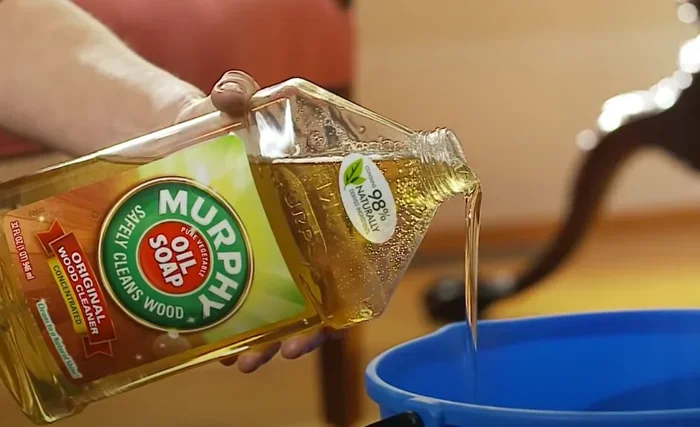
You will probably want to clean your new windshield right away. It is natural. But how you clean it matters a lot. Use a soft microfiber cloth and a gentle glass cleaner. Avoid anything with ammonia or harsh chemicals. These can degrade the adhesive bond over time.
Also, do not scrub the edges of the windshield where the adhesive sits. That area is the most critical part of the seal. Just gently wipe the glass surface and let the edges be. If you need to remove any stickers or residue, be very careful around the perimeter of the glass.
Speaking of stickers and designs, if you are thinking about adding any custom elements to your front glass, make sure you do not place anything near the adhesive area. Check with your technician first about safe placement spots for any car front glass sticker design work.
Check Your Insurance Coverage
Before you leave the shop, make sure you understand the costs and your insurance coverage. Many auto insurance policies cover windshield replacement with no deductible. This is a great benefit that not everyone takes advantage of. If you are unsure about your coverage, call your insurance provider and ask.
Knowing what your policy covers can save you a surprising amount of money. Some policies even cover the full cost of OEM auto glass (original equipment manufacturer glass), which is the same glass that came in your car from the factory. Aftermarket glass is cheaper but may not fit as precisely or be as strong.
The Critical Donts You Must Follow
Do Not Drive Too Soon
We mentioned this in the dos section, but it deserves its own spotlight. Do not drive your car for at least the recommended time after the replacement. The adhesive needs time to reach its full strength. Driving too soon can cause the windshield to shift or the seal to fail.
If you are in a situation where you absolutely must drive, keep your speed low and avoid sudden stops. But honestly, it is better to wait, call a friend for a ride, or use a taxi. The few hours of waiting are nothing compared to the cost and danger of a failed windshield bond.
Avoid High-Pressure Water
Do not use a pressure washer on your car for at least a week after the replacement. The high-pressure water can force its way under the windshield and weaken the adhesive bond. Even a regular car wash with high-pressure jets at the touchless tunnel can be risky during the first few days.
Stick to gentle hand washing if you need to clean your car. Use a soft sponge and mild soap. Avoid spraying water directly at the edges of the windshield where the seal sits. Let the adhesive fully cure before exposing it to any significant water pressure.
Do Not Slam Your Doors
This one might sound silly, but it is a real concern. Slamming your car doors creates sudden pressure spikes inside the vehicle. Those spikes transfer directly to the windshield and can disrupt the curing adhesive. For the first 24 to 48 hours, close your doors gently and firmly.
This also applies to playing loud music with heavy bass. The vibrations from a powerful sound system can put stress on the new windshield. Keep the volume moderate until the adhesive has fully set.
Avoid Removing the Retention Tape
Many technicians apply a piece of retention tape around the edges of the new windshield. This tape holds the glass in place while the adhesive cures. Do not remove this tape until your technician tells you it is safe to do so. Usually, this means waiting at least 24 to 48 hours.
Pulling off the tape too early can shift the glass slightly and compromise the bond. If the tape starts to peel or look ugly, that is fine. Leave it alone. It is working to keep your windshield secure.
Do Not Use Your Defroster on High
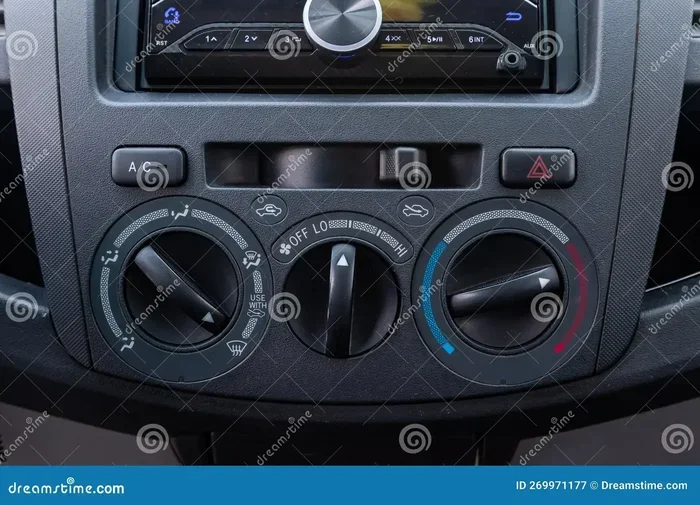
It is tempting to blast the defroster on a cold morning, especially if your old windshield had a bad crack. But for the first 24 hours after replacement, avoid using the defroster on high heat. The rapid temperature change can stress the curing adhesive and potentially cause the windshield to shift.
If you need to clear fog or frost, use a low setting and let the car warm up gradually. You can also use a soft ice scraper on the outside of the glass. Just be gentle and avoid scratching the new windshield.
How Long Before You Can Return to Normal?
The curing time for windshield adhesive varies depending on several factors. The type of adhesive used, the temperature outside, and the humidity levels all play a role. Here is a general timeline to help you understand what to expect.
First 1-2 hours: The adhesive begins to bond. Do not drive the car. Keep windows rolled up.
First 24 hours: The adhesive has gained most of its strength. You can drive normally, but still avoid high-pressure water, door slamming, and defroster on high. Keep the retention tape in place.
24-48 hours: The adhesive is mostly cured. You can remove the retention tape and resume most normal activities. Still avoid pressure washing and harsh chemicals.
After 48 hours: The adhesive has reached near-full strength. You can go back to your regular car wash routine and driving habits. The windshield is now securely bonded and ready for daily use.
In cold weather, curing takes longer. In warm, dry conditions, it goes faster. Always follow the specific advice from your technician, as they know exactly what adhesive was used and what conditions your car was exposed to during installation.
Common Mistakes People Make After Glass Replacement
Even with the best intentions, many car owners make mistakes after getting their glass replaced. Here are the most common ones to avoid.
Mistake 1: Driving off too quickly. You are excited to get home or to work. But leaving immediately puts stress on the uncured adhesive. Wait the recommended time.
Mistake 2: Ignoring wind noise. A little wind noise right after replacement is normal. But if it persists after a few days, it could indicate a poor seal. Contact your technician if you notice unusual sounds.
Mistake 3: Using the wrong cleaning products. Ammonia-based cleaners can damage the adhesive and the tint around the edges of the windshield. Stick to mild, ammonia-free glass cleaners.
Mistake 4: Forgetting about the rain. If it rains heavily within the first 24 hours, water can seep into the uncured edges of the windshield. This can weaken the bond. Park your car under cover if possible during the curing period.
Mistake 5: Skipping the follow-up check. Some shops offer a free follow-up inspection after a few days. Take them up on it. They can check the seal and make sure everything is holding properly.
When to Call Your Auto Glass Professional
Most replacements go smoothly. But sometimes, things do not go as planned. Knowing when to call your technician can save you from a bigger problem down the road.
Call if you notice any of these signs:
- The windshield feels loose or rattles when you drive over bumps.
- You see water leaking inside the car near the edges of the windshield.
- There is a persistent wind noise that does not go away after a few days.
- The adhesive seems to have pulled away from the frame.
- You notice a rainbow effect or distortion in the glass, which could indicate a bonding issue.
Most reputable shops will fix any issues at no extra cost if the problem is related to the installation. Do not hesitate to reach out. A good technician wants to make sure you are happy and safe.
Expert Tips for Long-Lasting Auto Glass
Taking care of your new windshield does not stop after the first few days. Here are some expert tips to keep your glass in great shape for years to come.
Tip 1: Avoid parking under trees. Birds, falling branches, and sap can all damage your windshield over time. Parking in a garage or covered area is the best protection.
Tip 2: Address chips and cracks immediately. A small rock chip can turn into a full crack if you ignore it. Quick windshield repair is cheaper and faster than a full replacement.
Tip 3: Choose quality glass. When it is time for a replacement, go with OEM or high-quality aftermarket glass. The difference in clarity, strength, and fit is noticeable.
Tip 4: Keep your wipers in good shape. Worn wiper blades can scratch your windshield over time. Replace them every six to twelve months for the best protection.
Tip 5: Be mindful of temperature changes. Sudden temperature swings can stress your windshield. In winter, let your car warm up gradually rather than blasting the heater on high right away.
Final Thoughts
Getting a new windshield is a big deal. It is one of the most important safety features on your car. Taking the right steps after the replacement ensures that your investment lasts and that you stay safe on the road.
Remember the basics. Wait before you drive. Keep your windows up. Clean gently. Avoid pressure and harsh chemicals. And if anything seems off, reach out to your technician right away.
These simple habits make a huge difference. Your new auto glass replacement will serve you well for years to come. Treat it right, and it will keep you safe through countless miles of driving.
Stay proactive about your cars maintenance. Check your windshield regularly for chips and cracks. Keep it clean with gentle products. And always trust a qualified professional for any glass work. Your safety and your wallet will thank you.
Frequently Asked Questions
How long should I wait before driving after auto glass replacement?
Most technicians recommend waiting at least one to two hours before driving your car. This gives the urethane adhesive time to begin bonding properly. Always follow the specific instructions provided by your installer, as curing times can vary based on the adhesive type and weather conditions.
Can I wash my car after getting a new windshield?
You should avoid washing your car for at least 24 to 48 hours after the replacement. High-pressure water from a car wash or pressure washer can weaken the fresh adhesive seal. Stick to gentle hand washing with mild soap if you must clean your car during the curing period.
Why does my windshield make noise after replacement?
Some wind noise right after a replacement is completely normal. It usually goes away within a few days as the adhesive fully cures. If the noise persists after a week, it could indicate a poor seal or installation issue. Contact your auto glass technician to have it checked.
Can I use my defroster immediately after windshield replacement?
You should avoid using the defroster on high heat for the first 24 hours. The rapid temperature change can stress the curing adhesive and potentially shift the windshield. Use a low setting and let your car warm up gradually until the adhesive has fully set.
What kind of adhesive is used in auto glass replacement?
Most modern auto glass replacements use a polyurethane urethane adhesive. This type of adhesive provides a strong bond and also contributes to the structural integrity of the vehicle during a crash. The curing time for this adhesive typically ranges from 24 to 48 hours depending on conditions.
How long does a windshield replacement take?
The actual installation usually takes about 30 to 60 minutes. However, you should plan to wait at least one to two hours before driving the car. If the weather is cold or humid, the curing process may take longer, so always confirm the safe drive time with your technician before leaving.
=== CONCLUSION ===
Taking care of your auto glass replacement after the fact is just as important as the installation itself. The dos and donts are simple, but they make a real difference in how well your new windshield holds up over time. Wait before you drive, keep your windows up, clean gently, and avoid anything that puts unnecessary stress on the curing adhesive.
Remember that your windshield is not just a piece of glass. It is a critical part of your vehicles safety system. A strong, properly bonded windshield helps protect you in a collision and maintains the structural integrity of your car. Treat it with care, and it will reward you with years of clear, safe driving.
Follow the tips in this guide, and you will have peace of mind knowing your replacement was done right. Share this information with friends and family who might need it. And whenever you have questions about your cars glass, always reach out to a trusted professional. Safe travels!