Does Changing Transmission Fluid Extend Your Vehicle Life
Changing your transmission fluid regularly is one of the most underrated ways to extend your vehicle life. Fresh fluid keeps gears shifting smoothly, reduces heat buildup, and prevents premature wear on expensive transmission components. Most drivers overlook this simple maintenance step, but it can save thousands in repairs down the road.
Does Changing Transmission Fluid Extend Vehicle Life?
You love your car. You wash it regularly. You change the oil on time. But what about your transmission fluid? Many car owners forget about this crucial fluid until something goes wrong. And by then, the repair bill can be staggering.
So does changing transmission fluid extend vehicle life? The short answer is yes. Absolutely. It is one of the simplest and most effective ways to keep your car running longer and avoid expensive transmission repairs. In this guide, we will walk you through everything you need to know about transmission fluid changes, how they protect your vehicle, and when you should schedule one.
Your transmission is one of the most complex and expensive systems in your car. It handles the job of transferring power from the engine to the wheels. Without proper care, it can wear out prematurely. Transmission fluid acts as the lifeblood of this system. It lubricates gears, cools components, and ensures smooth shifting. Over time, this fluid breaks down and becomes contaminated. Old fluid loses its ability to protect your transmission.
Think of it like engine oil. You would never skip oil changes and expect your engine to last forever. The same logic applies to transmission fluid. Neglecting it leads to increased friction, heat buildup, and eventual component failure. A routine fluid change can add years to your transmission and your vehicle overall.
Key Takeaways
- Regular fluid changes prevent costly transmission repairs that can easily exceed $1,000 or more.
- Clean transmission fluid improves gear shifting and overall drivetrain performance.
- Most vehicles need a fluid change every 30,000 to 60,000 miles, but check your owner manual for specifics.
- Ignoring transmission fluid leads to overheating, sludge buildup, and eventual transmission failure.
- A fluid change costs far less than a transmission rebuild, making it one of the best preventive maintenance investments you can make.
- Both automatic and manual transmissions benefit from regular fluid changes.
- Hybrid vehicles also need transmission fluid care, including models like the Ford Escape Hybrid, which switches between electric and gas power and relies on smooth transmission operation.
📑 Table of Contents
- What Does Transmission Fluid Do?
- Signs Your Transmission Fluid Needs Changing
- How Changing Transmission Fluid Extends Vehicle Life
- How Often Should You Change Transmission Fluid?
- DIY vs. Professional Transmission Fluid Change
- Common Mistakes to Avoid
- Expert Tips for Maximizing Transmission Life
- Conclusion
What Does Transmission Fluid Do?
Transmission fluid does several important jobs at once. Understanding these functions helps you see why staying on top of fluid changes matters so much.
Lubrication
Your transmission contains hundreds of moving parts. Gears, clutches, bearings, and shafts all work together to transfer power. Without proper lubrication, these metal parts would grind against each other. This causes rapid wear and eventual failure. Fresh fluid creates a protective layer between moving components. It reduces friction and prevents metal-on-metal contact.
Cooling
Transmissions generate a lot of heat, especially under load. Towing, hauling heavy cargo, or driving in stop-and-go traffic all increase heat production. Transmission fluid absorbs this heat and carries it away from critical components. Old fluid loses its cooling ability. This means your transmission runs hotter, which accelerates wear and can lead to premature failure.
Hydraulic Pressure
In automatic transmissions, fluid creates the hydraulic pressure needed to shift gears. Clean fluid maintains the right pressure levels. This ensures smooth, timely gear changes. Dirty fluid cannot maintain proper pressure. You may notice rough shifts, delayed engagement, or slipping gears when fluid quality declines.
Cleaning and Protection
Modern transmission fluids contain additives that clean internal components and prevent corrosion. These additives break down over time. Fresh fluid keeps the inside of your transmission clean and protected. It prevents sludge and varnish buildup that can clog passages and impair performance.
Signs Your Transmission Fluid Needs Changing
Not sure if your transmission fluid needs attention? Watch for these warning signs. Catching problems early can prevent major damage.
- Dark or burnt-smelling fluid: Fresh transmission fluid is typically red and translucent. If it looks brown or black and smells burnt, it is time for a change.
- Slipping gears: If your transmission unexpectedly shifts out of gear or feels like it is struggling, old fluid may be the culprit.
- Delayed shifting: A noticeable pause when shifting from park to drive or reverse signals fluid problems.
- Rough or jerky shifts: Smooth transitions between gears should feel effortless. Jerky movements indicate degraded fluid.
- Transmission overheating: If your temperature gauge reads higher than normal, old fluid may not be cooling the system properly.
- Unusual noises: Grinding or whining sounds during gear changes often point to inadequate lubrication from old fluid.
- Fluid leaks: Puddles of red fluid under your car mean you have a leak that needs attention along with a fluid change.
Do not ignore these symptoms. The longer you wait, the worse the damage becomes. A fluid change is inexpensive compared to a full transmission rebuild.
How Changing Transmission Fluid Extends Vehicle Life
This is the heart of the matter. Let us break down exactly how fresh transmission fluid adds years to your vehicle.
Prevents Heat Damage
Heat is the number one killer of transmissions. Fresh fluid dissipates heat efficiently. It keeps internal temperatures within safe operating ranges. When fluid degrades, it cannot manage heat effectively. Prolonged exposure to high temperatures breaks down fluid further, creating a vicious cycle. A timely fluid change breaks this cycle and protects your transmission from heat-related damage.
Reduces Wear on Internal Components
Clean fluid provides excellent lubrication. It forms a protective barrier between gears, clutches, and bearings. This reduces friction and minimizes wear. Over time, contaminants in old fluid act like abrasive particles. They accelerate wear on precision-machined surfaces. Fresh fluid removes these contaminants and replaces them with clean, protective lubricant.
Maintains Hydraulic Performance
Automatic transmissions rely on precise hydraulic control. Fluid pressure activates clutch packs and band assemblies to engage different gears. Clean fluid maintains the viscosity needed for proper hydraulic function. Old fluid becomes thin or develops sludge that clogs narrow passages. This impairs hydraulic performance and causes shifting problems. Regular fluid changes keep the hydraulic system working as designed.
Prevents Costly Repairs
A transmission fluid change typically costs between $100 and $300, depending on your vehicle. A transmission rebuild or replacement can cost anywhere from $1,500 to $5,000 or more. The math is simple. Investing in routine fluid changes saves you from catastrophic repair bills. It is one of the best returns on investment in car maintenance.
Keeps Your Drivetrain Healthy
Your transmission connects directly to your drivetrain. Problems in the transmission ripple through the entire drivetrain system. Worn fluid can affect your differential, driveshaft, and axles. Keeping your transmission fluid fresh supports overall drivetrain health and extends the life of multiple components simultaneously.
How Often Should You Change Transmission Fluid?
The answer depends on several factors. Your vehicle type, driving conditions, and transmission all play a role.
General Guidelines
Most manufacturers recommend changing automatic transmission fluid every 30,000 to 60,000 miles. Some newer vehicles claim “lifetime” fluid, but this is misleading. Even “lifetime” fluid degrades over time, especially under demanding conditions.
For manual transmissions, the interval is typically similar. Some manual transmissions use gear oil instead of traditional ATF. Check your owner manual for the correct fluid type and change interval.
Factors That Shorten Fluid Life
Certain driving conditions cause transmission fluid to break down faster. If any of these apply to you, consider changing your fluid more frequently:
- Towing heavy loads: The extra weight puts more stress on your transmission and generates more heat.
- Stop-and-go city driving: Frequent shifting increases fluid temperature and accelerates degradation.
- Extreme temperatures: Both very hot and very cold climates strain your transmission fluid.
- Aggressive driving: Hard acceleration and sudden braking put extra demand on your transmission.
- Hybrid vehicles: Hybrid cars like the Ford Escape Hybrid have unique drivetrain setups. The switching between electric and gas power in hybrid systems puts additional demands on the transmission. These vehicles benefit from staying on top of transmission fluid changes even more than conventional cars.
Type of Fluid Matters
Not all transmission fluids are the same. Using the wrong fluid can damage your transmission. Always check your owner manual for the correct specification. Common types include Dexron VI, Mercon LV, and various synthetic blends. Synthetic fluids generally last longer and provide better protection than conventional fluids.
DIY vs. Professional Transmission Fluid Change
You have two options for changing your transmission fluid. You can do it yourself or visit a professional. Each approach has pros and cons.
DIY Transmission Fluid Change
If you are mechanically inclined, a DIY fluid change can save you money. Here is what you need:
- The correct type and amount of transmission fluid
- A drain pan
- A socket wrench and appropriate size
- A funnel
- A jack and jack stands or ramps
- New transmission filter and gasket (if applicable)
The process involves draining the old fluid, replacing the filter, and refilling with fresh fluid. It takes about one to two hours for most vehicles. However, a DIY drain-and-fill only replaces about 30 to 50 percent of the total fluid. Some fluid remains in the torque converter and cooler lines.
Professional Transmission Fluid Change
A professional service typically offers two options:
- Drain and fill: This replaces the fluid in the transmission pan. It is quicker and less expensive but leaves some old fluid behind.
- Transmission flush: A machine pushes new fluid through the entire system, replacing nearly all old fluid. This provides a more complete service but costs more.
A professional flush typically costs between $200 and $500. While more expensive upfront, it provides superior results. Many mechanics recommend a flush for vehicles with over 60,000 miles on the odometer.
Which Option Is Right for You?
For most drivers, a professional drain and fill every 30,000 to 60,000 miles strikes the right balance between cost and effectiveness. If you have a high-mileage vehicle or drive under demanding conditions, consider a professional flush. If you are comfortable working on your car, a DIY drain and fill is a perfectly viable option.
Common Mistakes to Avoid
Even well-meaning car owners make mistakes when it comes to transmission fluid. Avoid these common pitfalls.
- Using the wrong fluid type: This can cause serious transmission damage. Always verify the correct specification for your vehicle.
- Overfilling or underfilling: Too much fluid can cause foaming and overheating. Too little fluid leads to poor lubrication and slipping.
- Ignoring fluid leaks: A small leak today becomes a big problem tomorrow. Address leaks promptly.
- Skipping the filter: Always replace the transmission filter when you change the fluid. A clogged filter restricts flow and reduces protection.
- Neglecting the transmission cooler lines: If your vehicle has an external transmission cooler, have the lines inspected during fluid changes.
- Waiting for symptoms: By the time you notice shifting problems, damage may already be done. Follow a proactive maintenance schedule instead.
Expert Tips for Maximizing Transmission Life
Want to get the most out of your transmission? Follow these expert-backed tips.
Check Your Fluid Regularly
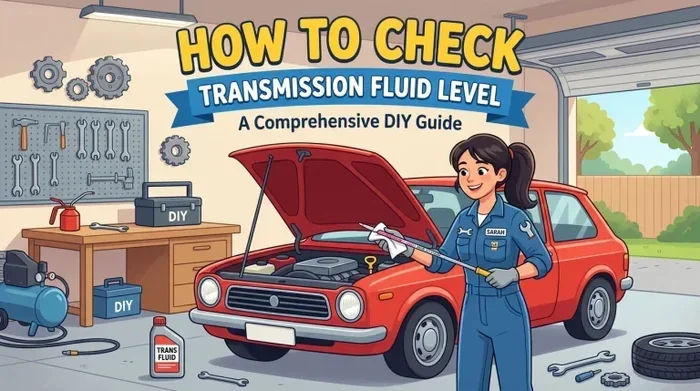
Make it a habit to check your transmission fluid at least once a month. Use the dipstick to check the level and condition. Healthy fluid should be red and smell slightly sweet. Any deviation is a signal to investigate further.
Warm Up Your Vehicle
Before shifting into drive, let your vehicle idle for 30 to 60 seconds. This allows the fluid to circulate and reach proper operating temperature. Cold fluid is thicker and does not lubricate as effectively.
Avoid Riding the Brake
Keeping your foot on the brake pedal while driving creates unnecessary strain on your transmission. This habit increases heat and accelerates wear. Keep your foot off the brake unless you are actively slowing down.
Address Problems Immediately
Do not ignore warning signs. A small slipping issue today can become a major transmission failure tomorrow. Early intervention saves money and prevents breakdowns.
Keep Up with Regular Maintenance
Transmission fluid changes are just one part of overall vehicle maintenance. Regular oil changes, coolant flushes, and spark plug replacements all contribute to vehicle longevity. A well-maintained vehicle simply lasts longer.
Conclusion
So does changing transmission fluid extend vehicle life? Without question, yes. Fresh transmission fluid protects your gears, reduces heat, maintains hydraulic performance, and prevents costly repairs. It is one of the simplest and most affordable maintenance tasks you can perform.
A routine fluid change costs a fraction of what a transmission repair or replacement costs. It takes minimal time and effort but pays enormous dividends in vehicle longevity. Whether you do it yourself or visit a professional, staying on top of your transmission fluid schedule is one of the smartest things you can do for your car.
Do not wait for symptoms to appear. Be proactive. Check your fluid regularly, follow your manufacturer recommended change interval, and never underestimate the power of clean, fresh transmission fluid. Your vehicle will thank you with years of reliable service.
Take action today. Look up your vehicle’s maintenance schedule and book a transmission fluid change if you are overdue. Your future self and your wallet will both be grateful.
Frequently Asked Questions
How much does a transmission fluid change cost?
A standard transmission fluid change typically costs between $100 and $300 at most shops. A transmission flush can range from $200 to $500. The exact price depends on your vehicle type, the type of fluid used, and whether you choose a drain-and-fill or a full flush service.
Can I just add new transmission fluid without draining the old fluid?
You can top off fluid, but this is not a substitute for a full change. Adding new fluid to old fluid dilutes the contaminants but does not remove them. For best results, always drain the old fluid completely and replace the filter at the same time.
Is a transmission flush better than a drain and fill?
A transmission flush replaces a higher percentage of old fluid compared to a drain and fill. Flushes are more thorough but also more expensive. For most vehicles, a drain and fill at regular intervals works well. High-mileage vehicles or those driven under harsh conditions may benefit more from a full flush.
What happens if I never change my transmission fluid?
Over time, transmission fluid breaks down and becomes contaminated. It loses its lubricating and cooling properties. This leads to increased friction, overheating, and accelerated wear on internal components. Eventually, the transmission can fail completely, resulting in repair costs that far exceed the price of regular fluid changes.
Do manual transmissions need fluid changes too?
Yes, manual transmissions also need fluid changes. They typically use gear oil or transmission fluid depending on the vehicle. The change interval is similar to automatic transmissions, usually every 30,000 to 60,000 miles. Check your owner manual for the specific recommendation.
Are there any signs that a transmission fluid change went wrong?
Watch for leaks under your vehicle after a fluid change. Also pay attention to any new noises, rough shifting, or warning lights on your dashboard. These can indicate overfilling, underfilling, or using the wrong type of fluid. If you notice any of these issues, have a mechanic inspect your vehicle right away.