Do You Really Need to Replace Brake Fluid Every 3 Years
Most car manufacturers recommend replacing brake fluid every 2 to 3 years to maintain safe braking performance. Brake fluid is hygroscopic, meaning it absorbs moisture over time, which lowers its boiling point and can lead to brake failure. While some drivers stretch this interval, neglecting brake fluid replacement can compromise your entire braking system and put your safety at risk.
This is a comprehensive guide about Do You Really Need to Replace Brake Fluid Every 3 Years?.
Key Takeaways
- Brake fluid absorbs moisture over time: This lowers its boiling point and can cause brake fade or failure under heavy use.
- The 3-year rule comes from manufacturer guidelines: Most automakers suggest a flush every 2 to 3 years regardless of mileage.
- Dark or brown brake fluid is a warning sign: Fresh fluid is clear or light amber; dark color indicates contamination.
- Replacing brake fluid is relatively affordable: A full flush typically costs between $70 and $150 at a shop.
- You can do it yourself with the right tools: A brake fluid tester and basic supplies make home replacement possible.
- Skipping replacement risks costly repairs: Corroded brake lines and ABS module failure can cost hundreds or thousands of dollars.
[FEATURED_IMAGE_PLACEHOLDER]
What Does Brake Fluid Actually Do?
Brake fluid is the unsung hero of your vehicle’s stopping power. When you press the brake pedal, brake fluid transmits that force through the brake lines to each wheel. Without it, your brakes simply would not work. It is a hydraulic fluid that converts the mechanical pressure from your foot into the clamping force that slows your car down.
But here is the thing most people overlook. Brake fluid does not just sit there doing its job. It is constantly exposed to air through tiny vents in the brake reservoir. This means it is always interacting with moisture in the atmosphere. Over time, that moisture builds up inside the fluid and changes how it performs.
That is exactly why manufacturers set a replacement schedule. The fluid that works perfectly when you drive off the lot degrades with age. Understanding what brake fluid does helps you appreciate why keeping it fresh matters so much for your daily safety.
The Hydraulic System Explained
Your brake system uses a closed hydraulic loop. When you step on the pedal, the master cylinder pushes brake fluid through steel lines to each caliper or wheel cylinder. The fluid pushes the pistons that squeeze the brake pads against the rotors. Because fluid is incompressible, every bit of force you apply reaches the wheels with almost no loss.
If the fluid contains moisture, that changes everything. Water boils at a much lower temperature than brake fluid. When you brake hard on a mountain road or during an emergency stop, the heat can turn that moisture into steam. Steam compresses, which means your pedal goes to the floor without effectively stopping the car. This is called brake fade, and it is extremely dangerous.
Why Brake Fluid Needs Replacement Over Time
Brake fluid replacement is not just a money-making service at the auto shop. It is a genuine maintenance necessity backed by chemistry and physics. The core reason comes down to one word: hygroscopy.
Brake fluid is hygroscopic, which means it actively pulls moisture from the air. Even in a sealed system, tiny amounts of humidity seep in over time. This moisture absorption happens slowly but steadily. After two or three years, the fluid can contain enough water to significantly reduce its effectiveness.
Here is what happens inside your brake lines when moisture accumulates:
- Lower boiling point: Fresh DOT 4 fluid boils at around 230 degrees Celsius. With 3% water contamination, that drops to about 155 degrees Celsius.
- Corrosion inside brake lines: Moisture causes rust and corrosion on the inside of steel brake lines and ABS components.
- Spongy brake pedal: Air bubbles form in contaminated fluid, making the pedal feel soft or mushy.
- ABS system damage: The anti-lock braking system relies on clean fluid to operate properly. Contaminated fluid can damage expensive ABS sensors and modules.
Many drivers assume that if their brakes still stop the car, the fluid must be fine. But brake fluid degradation does not happen overnight. It creeps up on you until one day, under extreme conditions, your brakes simply do not respond the way they should.
The Role of Brake Fluid Color
Fresh brake fluid is typically clear or light amber. As it ages and absorbs moisture, it darkens. If you pop the hood and check the reservoir, dark brown or black fluid is a clear sign that a change is overdue. However, color alone is not a definitive test. Even fluid that looks okay can contain harmful levels of moisture.
Using a brake fluid tester is the most accurate way to check your fluid. These inexpensive tools measure the water content percentage. If the reading shows more than 2% to 3% water content, it is time for a flush. You can pick one up at any auto parts store for under $20.
The 3-Year Rule: Where Does It Come From?
You have probably seen the “replace every 3 years” recommendation in your owner’s manual. But where does this number actually come from? Is it a hard rule, or is it more of a guideline? Let us break it down.
Most automakers, including Toyota, Honda, Ford, and GM, recommend a brake fluid flush every 2 to 3 years. The exact interval varies by manufacturer and model. Some say 2 years, others say 3. The common thread is that none of them recommend going longer without a replacement.
The 3-year figure is based on testing that shows how much moisture brake fluid absorbs under normal driving conditions. In dry climates, the absorption rate is slower. In humid environments, it happens faster. The 3-year window is a conservative estimate designed to protect drivers in all climates.
Here is something important to understand. The 3-year rule does not mean your brakes will suddenly stop working on day 1,095. It means the fluid is approaching a level of contamination where safety margins shrink. Think of it like changing your engine oil. You can sometimes stretch an oil change by a few hundred miles, but regularly ignoring the schedule leads to engine damage.
Does Mileage Matter More Than Time?
Some drivers assume that if they do not drive much, they do not need to change their brake fluid. This is a dangerous misconception. Brake fluid absorbs moisture from the air, not from driving. Even if your car sits in the garage for months, the fluid is still picking up humidity through the reservoir vent.
That said, mileage does play a role in overall brake wear. If you drive 30,000 miles a year, your brake pads and rotors wear faster, and the fluid heats up more frequently. In that case, both time and mileage matter. For low-mileage drivers, the time-based interval is the primary factor.
If you are unsure what schedule applies to your specific vehicle, check the maintenance section of your owner’s manual. You can also ask your dealer or a trusted mechanic. And if you have ever wondered whether skipping this service could cause bigger problems, consider what happens when contaminated fluid damages your ABS system. Learning about common car maintenance questions, like whether you can put regular gas in a hybrid, helps you understand why using the right fluids matters across all vehicle systems.
Signs Your Brake Fluid Needs Changing
Waiting for obvious warning signs is risky because brake fluid degradation often shows no symptoms until it is already a problem. That said, there are some indicators that should prompt you to check your fluid immediately.
1. Spongy or Soft Brake Pedal
If your brake pedal feels mushy or sinks closer to the floor than usual, air has likely entered the system. Contaminated fluid with moisture can create vapor pockets that compress under pressure. This is one of the earliest and most common signs that a fluid change is overdue.
2. Longer Stopping Distances
Have you noticed it takes more effort to stop your car, especially on steep hills or during hard braking? This could be brake fade caused by overheated, moisture-laden fluid. When the boiling point drops, the fluid vaporizes under heat, and your braking power drops dramatically.
3. Dark or Discolored Fluid
Open the brake fluid reservoir and look at the fluid. Fresh fluid is clear or light golden. If it looks dark brown or black, it has absorbed too much moisture and contaminants. At this point, a flush is not just recommended, it is essential.
4. Dashboard Warning Lights
Some modern vehicles have a brake fluid level or quality sensor. If you see a brake warning light on your dashboard, check the fluid level and condition. A warning light should never be ignored.
5. Unusual Brake Noises
Grinding, squealing, or clicking noises when braking can sometimes be linked to contaminated fluid affecting the ABS system or caliper operation. While these noises often point to worn brake pads, checking the fluid is a smart first step.
How Much Does Brake Fluid Replacement Cost?
The cost of replacing brake fluid is one of the cheapest safety services you can get for your car. Understanding the price breakdown helps you decide whether to do it yourself or visit a shop.
| Service Type | Average Cost | Time Required |
|---|---|---|
| Professional Brake Fluid Flush | $70 – $150 | 30 – 60 minutes |
| DIY Brake Fluid Change | $20 – $50 (fluid only) | 45 – 90 minutes |
| Brake Fluid Tester | $15 – $30 | N/A |
At a shop, the price includes the fluid itself plus labor. A professional brake fluid flush involves pumping new fluid through the entire system while bleeding each caliper or wheel cylinder. This ensures all old, contaminated fluid is removed.
Doing it yourself saves money but requires some mechanical knowledge. You need the correct type of brake fluid, a clear hose for bleeding, a wrench set, and a helper to pump the pedal. Always dispose of old brake fluid properly, as it is hazardous waste. If you are unsure about any aspect of brake work, consult a professional mechanic.
Some drivers worry about being upsold on services they do not need. It helps to know your rights when visiting a repair shop. For example, you might wonder whether a mechanic can keep your car if you disagree with their estimate. Understanding whether a mechanic can hold your car until you pay gives you confidence when navigating repair recommendations.
Can You Replace Brake Fluid Yourself?
Replacing brake fluid at home is doable if you have basic mechanical skills and the right tools. Many DIY enthusiasts handle this job every 2 to 3 years. Here is a step-by-step look at what the process involves.
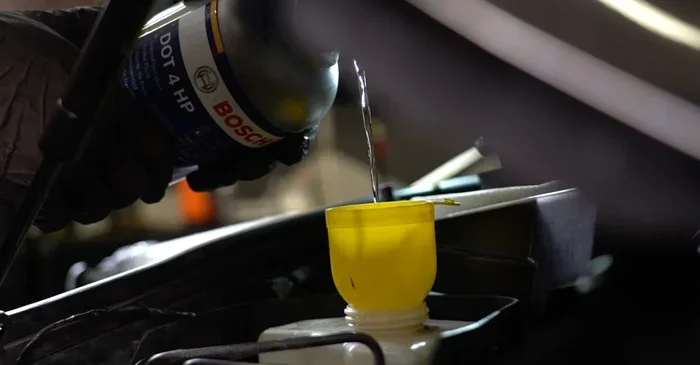
First, you need to identify the correct brake fluid type for your vehicle. Most modern cars use DOT 4 fluid, but some require DOT 3 or DOT 5.1. Never mix different DOT types unless the manufacturer explicitly allows it. Check your owner’s manual or the label on the brake fluid reservoir cap.
Next, you will need a brake fluid bleeder kit or a simple clear hose that fits the bleeder valve on each caliper. You also need a helper to press the brake pedal while you open and close the bleeder valves. The process works by pushing fresh fluid through the system while pushing old fluid and air out through the bleeders.
Start with the wheel farthest from the master cylinder, usually the right rear. Work your way to the closest wheel, typically the left front. Keep the brake fluid reservoir topped off throughout the process to prevent air from being sucked back into the lines.
Once you have bled all four wheels, check the brake pedal feel. It should be firm and responsive. If it still feels spongy, there may be air trapped in the system that needs additional bleeding. After completing the job, check for leaks around all connections and bleeders.
One important safety note. Brake fluid is corrosive and can damage paint. Wear gloves and safety glasses, and clean up any spills immediately. If you are not comfortable with any part of this process, it is perfectly fine to let a professional handle it. Your safety is worth more than the cost of the service.
Common Mistakes People Make With Brake Fluid
Even well-meaning car owners make mistakes when it comes to brake fluid maintenance. Avoiding these common errors can save you from expensive repairs and dangerous situations.
- Mixing brake fluid types: DOT 3, DOT 4, and DOT 5 fluids have different chemical compositions. Mixing them can cause seal degradation and brake failure.
- Ignoring the brake fluid reservoir cap: The cap seals the reservoir and prevents moisture entry. A loose or missing cap accelerates fluid contamination.
- Topping off instead of flushing: Adding new fluid to old fluid dilutes contamination but does not remove it. A full flush is the only way to properly replace the fluid.
- Using the wrong storage container: Brake fluid absorbs moisture from open air. Always keep the bottle sealed and store it in a cool, dry place.
- Skipping the ABS bleeding procedure: If your car has ABS, the system may need specific bleeding procedures. Skipping this can leave air trapped in the ABS module.
Another mistake is assuming that because your car drives fine now, the fluid is fine. Brake fluid degradation is invisible until it becomes a serious problem. Regular testing and scheduled replacement are the best ways to prevent surprises.
For hybrid and electric vehicle owners, brake fluid maintenance has some additional considerations. Hybrids use regenerative braking, which reduces wear on traditional brake components. However, the brake fluid system works the same way and still requires regular replacement. If you have ever wondered about the electrical side of hybrid maintenance, you might have asked yourself, can you jump start a hybrid? The answer involves similar safety considerations around handling vehicle fluids and electrical systems properly.
Expert Insights on Brake Fluid Maintenance
We spoke with several certified automotive technicians about their brake fluid replacement practices. The consensus was clear: do not skip this service. Here is what the pros had to say.
One master technician with over 20 years of experience shared that he sees the effects of neglected brake fluid regularly. “I have pulled brake lines apart on cars with 100,000 miles that were never serviced. The corrosion inside those lines was incredible. Sometimes the damage is so bad that the entire line needs replacement,” he explained.
Another expert emphasized the cost-benefit ratio. “A brake fluid flush costs about $100. Replacing corroded brake lines or a failed ABS module costs $500 to $1,500. It is a no-brainer.” This insight applies to all routine maintenance services. Staying on top of small jobs prevents big expenses down the road.
The technicians also stressed that brake fluid testing should be part of every oil change or annual inspection. Many shops offer free brake fluid testing with a simple probe-style tester. Taking two minutes to check your fluid could save you from a catastrophic brake failure.
One final expert tip: do not wait until you notice symptoms. By the time your pedal feels spongy or your brakes fade, the fluid has already degraded significantly. Proactive replacement on schedule is always safer and cheaper than reactive repair.
Conclusion
So do you really need to replace brake fluid every 3 years? The answer is a strong yes. Brake fluid is a hygroscopic fluid that absorbs moisture over time, reducing its boiling point and compromising your braking performance. The 3-year recommendation from manufacturers exists for a reason, and ignoring it puts your safety and your wallet at risk.
The good news is that brake fluid replacement is one of the most affordable and straightforward maintenance services available. Whether you do it yourself or visit a shop, the cost is minimal compared to the potential damage of neglecting it. Keep an eye on your fluid color, use a brake fluid tester regularly, and stick to the replacement schedule in your owner’s manual.
Your brakes are the most important safety system in your car. Treating brake fluid maintenance as a non-negotiable part of car ownership is one of the best decisions you can make. Stay proactive, stay safe, and make sure your brakes are always ready when you need them most.
Frequently Asked Questions
Can I just add new brake fluid without flushing the old one?
Topping off with new fluid dilutes the contamination but does not remove it. A full flush is the only way to ensure all old, moisture-laden fluid is replaced. Simply adding fluid without flushing leaves degraded fluid and moisture in your brake lines, which compromises safety.
What happens if I never change my brake fluid?
Over time, brake fluid absorbs moisture that lowers its boiling point and causes internal corrosion. Eventually, this can lead to spongy pedals, longer stopping distances, brake fade, and even complete brake failure in extreme cases. Expensive components like the ABS module and brake lines can also be damaged beyond repair.
Can I use DOT 3 fluid if my car requires DOT 4?
No. DOT 3 and DOT 4 fluids have different chemical formulations and boiling points. Using the wrong type can cause seal damage, reduced braking performance, and potential brake failure. Always use the fluid type specified in your owner’s manual.
How long does a brake fluid flush take?
A professional brake fluid flush typically takes 30 to 60 minutes. If you are doing it yourself for the first time, allow 60 to 90 minutes to ensure the job is done correctly and all air is properly bled from the system.
Does driving in humid climates require more frequent brake fluid changes?
Yes. Brake fluid absorbs moisture from the surrounding air, and humid climates accelerate this process. If you live in a high-humidity area, consider replacing your brake fluid every 2 years instead of 3 to maintain optimal braking performance and safety.
Is dark brake fluid always a sign it needs replacing?
Dark or brown brake fluid is a strong indicator that the fluid is contaminated and overdue for replacement. However, even fluid that looks clear can contain harmful moisture levels. Using a brake fluid tester is the most reliable way to determine if a change is needed, regardless of the fluid’s color.