Does Car Insurance Cover Maintenance for Your Vehicle
Car insurance does not cover routine maintenance. Standard policies cover accidents and unexpected damage, not oil changes, tire rotations, or brake replacements. However, some optional add-ons and extended warranties can help with certain repairs. Understanding what your policy covers saves you from surprise bills.
Does car insurance cover maintenance? This is one of the most common questions drivers ask when they face a big repair bill. The short answer is no. Standard car insurance policies do not pay for routine maintenance or gradual wear and tear. But there is more to the story than that simple fact.
Many drivers assume their auto insurance policy covers everything related to their vehicle. They expect their insurer to pay for oil changes, brake jobs, and engine repairs. That is not how it works. Insurance is designed to protect you from unexpected events, not planned upkeep. Understanding this distinction matters a lot for your wallet.
In this article, we will break down exactly what car insurance covers and what it does not. We will explore optional add-ons that can help with repairs. You will also learn about alternatives like extended warranties and mechanical breakdown insurance. By the end, you will know exactly where you stand with your current policy.
Let us dive into the details so you can make smart decisions about your vehicle maintenance and insurance coverage.
Key Takeaways
- Routine maintenance is not covered: Oil changes, tire rotations, and brake pads are your responsibility.
- Accidents and unexpected damage are covered: Collision and comprehensive coverage pay for covered incidents.
- Mechanical breakdown insurance exists: This optional add-on helps with major repair costs.
- Wear and tear is excluded: Gradual deterioration like worn brakes or aging engines are not covered.
- Read your policy carefully: Understanding your coverage prevents confusion when bills arrive.
- Extended warranties are an alternative: They can fill the gap left by standard insurance.
📑 Table of Contents
- What Car Insurance Actually Covers
- What Car Insurance Does Not Cover
- Optional Add-Ons That Can Help
- Car Insurance vs. Extended Warranties
- How to Protect Yourself from Maintenance Costs
- Common Mistakes Drivers Make About Insurance and Maintenance
- What to Do When Maintenance Becomes an Emergency
- Final Thoughts
What Car Insurance Actually Covers
Car insurance is built around protection from accidents and unforeseen events. It does not function like a maintenance plan. Your policy steps in when something sudden and unexpected happens to your vehicle. Let us look at the core types of coverage and what they mean for you.
Collision Coverage
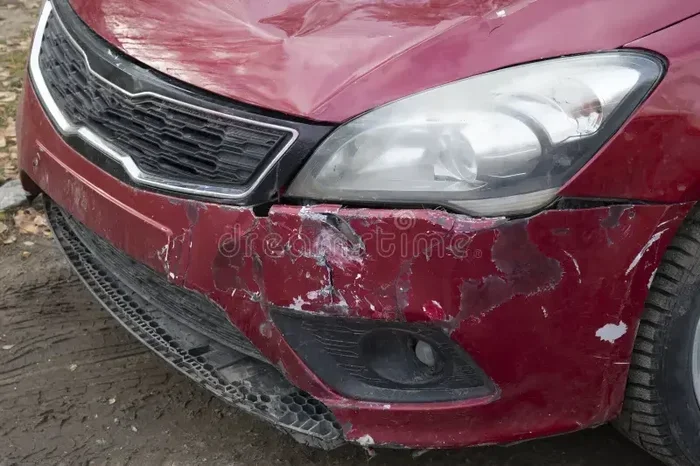
Collision coverage pays for damage to your car after an accident. This includes crashes with other vehicles or objects like fences and guardrails. If you hit a pothole and damage your suspension, collision coverage may apply. But normal wear from daily driving does not qualify. The key word here is “accident.”
For example, if you rear-end another car and damage your bumper, collision coverage helps pay for repairs. If your brakes wear out after 30,000 miles, that is not a covered event. The distinction is clear and important to remember.
Comprehensive Coverage
Comprehensive coverage handles damage from non-collision events. This includes theft, vandalism, fire, flooding, and falling objects. If a tree branch crashes onto your windshield during a storm, comprehensive coverage has you covered. But if your windshield cracks from normal driving debris over time, that falls under wear and tear.
Comprehensive coverage also protects against weather damage. A hail storm can dent your car, and comprehensive coverage would pay for the repairs. However, rust that develops over months of exposure is not covered. Rust is gradual deterioration, which insurance does not address.
Liability Coverage
Liability coverage pays for damage you cause to others. It does not cover your own vehicle at all. This is the most basic type of car insurance required in most states. It covers other people’s medical bills and property damage when you are at fault.
Since liability coverage focuses on others, it has nothing to do with your vehicle’s maintenance. You cannot file a liability claim for a broken transmission or worn-out tires. It simply is not designed for that purpose.
What Car Insurance Does Not Cover
Understanding what is excluded from your policy is just as important as knowing what is included. Insurance companies draw a clear line between unexpected damage and routine upkeep. Here is what falls outside the scope of standard coverage.
Routine Maintenance
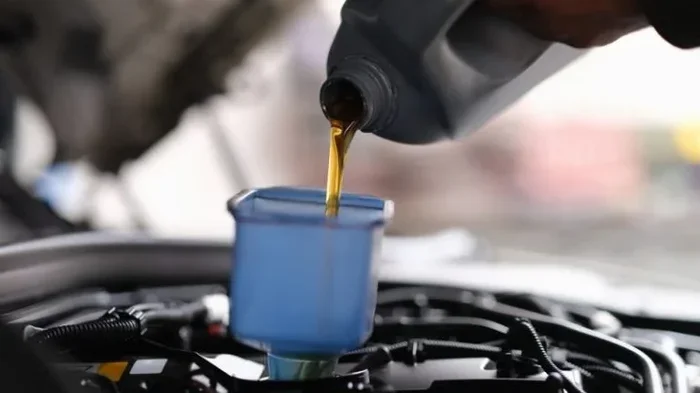
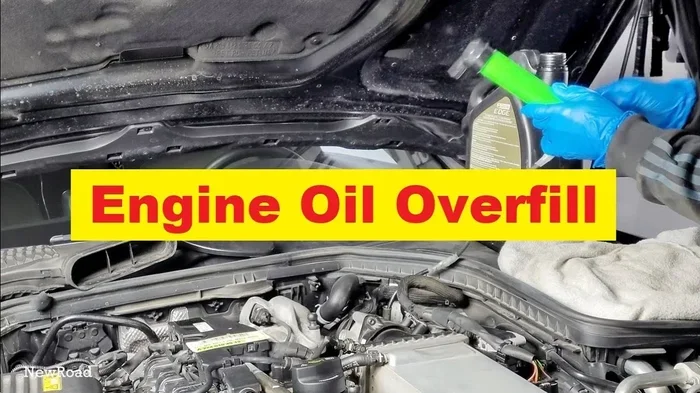
Routine maintenance includes all the regular services your car needs to stay running. Oil changes, tire rotations, brake pad replacements, and fluid top-offs all fall here. These are scheduled tasks you plan for as a car owner. Insurance treats them as normal ownership costs, not insurable events.
Think of it this way. You pay your insurance premium every month to protect against the unexpected. You pay for maintenance out of pocket because it is predictable and planned. Insurance companies do not cover predictable expenses.
Wear and Tear
Wear and tear is the gradual breakdown of parts over time. Worn brake rotors, thinning tire tread, and aging hoses all qualify. Your vehicle repair costs from normal use are entirely your responsibility. No standard insurance policy covers these expenses.
Even if a part fails due to age, insurance will not pay. A 10-year-old car with a worn engine is not a covered event. The failure happened over time, not from a sudden accident. This is one of the most misunderstood aspects of car insurance.
Mechanical Failures
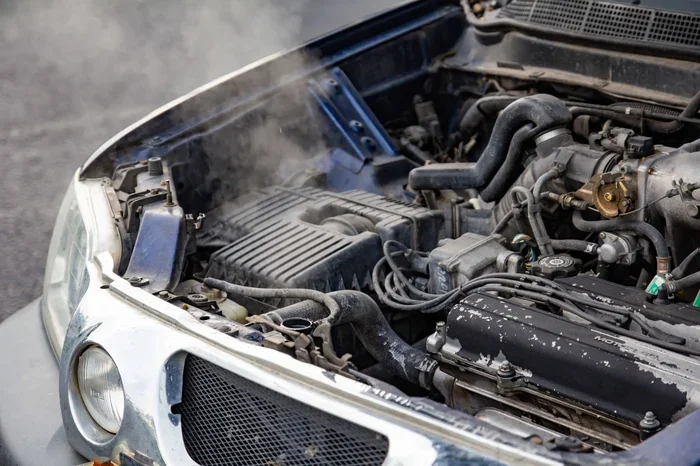
A blown transmission, a failed water pump, or a dead engine are mechanical failures. Standard insurance does not cover these unless they result from a covered accident. If your engine fails on a highway due to old age, you pay for the repair yourself.
However, if you were in a crash that damaged the engine, collision coverage would apply. The cause of the damage matters more than the damage itself. Insurance looks at whether the event was sudden and accidental, not gradual and predictable.
Optional Add-Ons That Can Help
While standard policies exclude maintenance, there are optional add-ons that fill some gaps. These endorsements and riders can save you significant money on unexpected repairs. Let us explore the most useful options available.
Mechanical Breakdown Insurance
Mechanical breakdown insurance, or MBI, is a valuable optional coverage. It functions somewhat like an extended warranty for your car. MBI pays for repairs to major systems like the engine, transmission, and electrical components. It kicks in when parts fail due to mechanical issues, not accidents.
MBI typically has a deductible and mileage limits. Most policies cap coverage at around 100,000 miles or a specific age of the vehicle. This coverage is not available for all cars. Newer vehicles with lower mileage are more likely to qualify.
If you have ever been stranded with a failed engine, you know how expensive repairs can be. MBI provides peace of mind for those unexpected mechanical failures. It is especially useful for newer cars still under their factory warranty period.
Roadside Assistance Coverage
Roadside assistance is another optional add-on worth considering. It covers towing, jump-starts, flat tire changes, and lockout services. While it does not pay for maintenance, it helps when your car breaks down unexpectedly.
Many insurance companies offer roadside assistance as a rider. You can also purchase it through your auto club or manufacturer. This coverage is affordable and provides real value when you need it most.
Rental Car Reimbursement
Rental car reimbursement pays for a temporary vehicle while yours is being repaired after a covered claim. It does not help with maintenance directly, but it reduces the inconvenience of major repairs. If your car is in the shop for a week after an accident, this coverage keeps you on the road.
Car Insurance vs. Extended Warranties
People often confuse car insurance with extended warranties. They serve very different purposes. Understanding the difference helps you make better financial decisions about protecting your vehicle.
Car insurance protects against sudden, unexpected events. Accidents, theft, and natural disasters fall under this category. You pay premiums, and the insurer covers eligible claims up to your policy limits.
An extended warranty covers mechanical failures and breakdowns over time. It is more like a maintenance safety net. Warranties pay for parts and labor when systems fail due to defects or normal aging. They do not cover accident damage.
Some drivers benefit from having both. Insurance handles the big unexpected events, while a warranty handles the mechanical failures. Together, they provide comprehensive protection for your vehicle. You can explore options like can a mechanic hold your car until you pay to understand how repair payment works in different scenarios.
| Feature | Car Insurance | Extended Warranty |
|---|---|---|
| Covers accidents | Yes | No |
| Covers mechanical failure | No (unless accident-related) | Yes |
| Covers theft | Yes | No |
| Covers routine maintenance | No | Sometimes |
| Monthly cost | Premium-based | One-time or monthly |
| Best for | Unexpected events | Age-related breakdowns |
How to Protect Yourself from Maintenance Costs
Since insurance does not cover maintenance, you need a strategy to manage these costs. Smart planning keeps your car running and your budget intact. Here are practical steps you can take right now.
Build a Maintenance Fund
Set aside money each month for car maintenance. Even $50 per month adds up to $600 per year. This fund covers oil changes, tire replacements, and minor repairs without stressing your budget. Treat it like a non-negotiable bill.
A dedicated maintenance fund also helps with larger unexpected repairs. When your car stopped running while driving and won’t start, you want cash available. Having a buffer prevents you from going into debt for vehicle repairs.
Follow Your Manufacturer’s Schedule
Stick to the maintenance schedule in your owner’s manual. Regular service prevents major breakdowns later. Skipping oil changes or ignoring warning lights leads to expensive repairs down the road. Prevention is always cheaper than cure.
Keep detailed records of all maintenance. These records prove your car was well cared for. They also help if you ever need to dispute a warranty claim or sell the vehicle.
Consider a Maintenance Plan
Many dealerships offer prepaid maintenance plans. You pay upfront for a set number of services at a discounted rate. These plans cover oil changes, tire rotations, and inspections. They can save you money compared to paying for each service individually.
Before purchasing a maintenance plan, read the fine print. Make sure the plan covers services you actually need. Compare the total cost to what you would pay without the plan.
Drive Defensively
Safe driving reduces the risk of accidents. It also minimizes wear on your vehicle. Gentle braking, smooth acceleration, and avoiding potholes all extend the life of your car. Defensive driving is one of the best forms of maintenance.
If you ever find yourself in a situation where your car won’t start after turning off the engine, you might search for answers like car won’t start right after turning off. Understanding common issues helps you stay prepared and avoid panic on the road.
Common Mistakes Drivers Make About Insurance and Maintenance
Many drivers make costly mistakes when it comes to understanding their coverage. Avoiding these errors saves you time, money, and frustration.
Mistake 1: Assuming full coverage means everything. Full coverage is a misleading term. It refers to collision and comprehensive coverage together. It does not mean your insurance pays for all car-related expenses.
Mistake 2: Ignoring your policy details. Many drivers never read their actual policy documents. You should know exactly what is covered and what is not. Call your agent if anything is unclear. A few minutes of reading can save thousands of dollars.
Mistake 3: Skipping maintenance to save money. This backfires quickly. Neglected maintenance leads to bigger problems and higher repair costs. A $50 oil change prevents a $5,000 engine replacement. Always keep up with scheduled service.
Mistake 4: Confusing insurance with warranty coverage. Your factory warranty and your insurance policy serve different purposes. Know what each covers and when each applies. Some drivers file insurance claims for issues that should go through their warranty instead.
Mistake 5: Not shopping for better coverage. Insurance needs change as your car ages. Review your policy annually. You may find better options or savings that fit your current situation.
What to Do When Maintenance Becomes an Emergency
Sometimes maintenance needs become urgent unexpectedly. A failing transmission or a cracked axle can leave you stranded. Here is what to do when routine maintenance turns into an emergency.
First, assess the situation safely. Pull over if needed and turn on your hazard lights. Call a trusted mechanic or roadside assistance for help. Do not attempt risky repairs on the side of the road.
Second, get multiple quotes for the repair. Prices vary widely between shops. A second opinion can save you hundreds of dollars. Ask about payment plans if the cost is higher than expected.
Third, check if any part of your policy applies. If the failure resulted from a covered event, you may have a claim. For example, if a recent accident contributed to a mechanical issue, collision coverage might help. You can also look into whether can an electric car overheat or similar scenarios are covered under your specific policy type.
Finally, learn from the experience. Adjust your maintenance fund and review your coverage. Every situation teaches you something valuable about protecting your vehicle and your finances.
Final Thoughts
So, does car insurance cover maintenance? The answer remains no for standard policies. Routine upkeep, wear and tear, and mechanical failures from aging are not covered. Your insurance protects you from sudden accidents and unexpected events, not planned maintenance.
However, you are not left without options. Mechanical breakdown insurance, roadside assistance, and extended warranties all provide additional layers of protection. Building a maintenance fund and staying on top of scheduled service keeps your car reliable and your costs manageable.
The best approach combines smart insurance choices with proactive vehicle care. Understand your policy, know your coverage limits, and plan for the maintenance costs that insurance will not cover. This strategy keeps you driving confidently and financially prepared for whatever the road brings.
Take time today to review your policy and assess your maintenance needs. A little planning goes a long way toward avoiding surprises and keeping your vehicle in top shape for years to come.
Frequently Asked Questions
Does full coverage car insurance cover maintenance?
No, full coverage does not cover maintenance. Full coverage refers to collision and comprehensive insurance, which pay for accident damage and non-collision events. Routine maintenance like oil changes, tire rotations, and brake replacements are never covered by any standard insurance policy.
What is mechanical breakdown insurance?
Mechanical breakdown insurance, or MBI, is an optional add-on that covers major repair costs for things like engine and transmission failures. It works like an extended warranty and pays for parts and labor when systems break down unexpectedly. MBI does not cover accident damage or routine maintenance.
Can I file an insurance claim for a car that won’t start?
It depends on why the car won’t start. If it is due to an accident or a covered event like theft or vandalism, you can file a claim. If the car won’t start because of age, a dead battery from neglect, or general wear, insurance will not cover it. Always check with your agent first.
How can I reduce my car maintenance costs?
Follow your manufacturer’s maintenance schedule and keep up with regular service. Build a dedicated maintenance fund and set aside money each month. Shop around for competitive repair quotes and consider prepaid maintenance plans from dealerships. Safe driving also reduces wear and lowers long-term costs.
Is car insurance the same as a car warranty?
No, they are completely different. Car insurance covers accidents, theft, and unexpected damage. A car warranty covers mechanical failures and defects, usually for a set period or mileage. Some drivers benefit from having both for comprehensive protection.
What should I do if a repair costs more than I can afford?
First, get a second opinion from another mechanic. Ask about payment plans or financing options through the repair shop. You can also check if any part of your insurance policy applies. Consider setting up a payment arrangement and building your maintenance fund to avoid this situation in the future.