Can a Bad Alternator Make Your Car Overheat Right Now
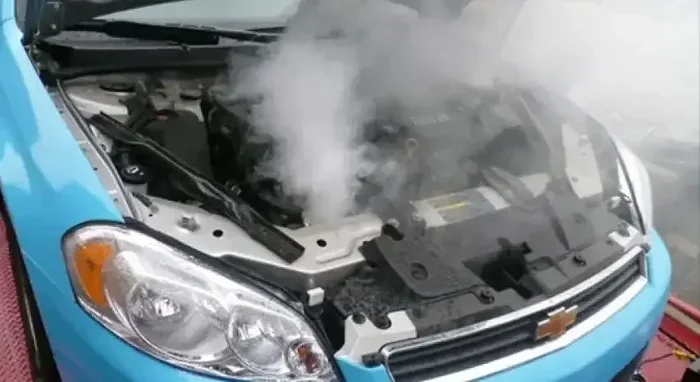
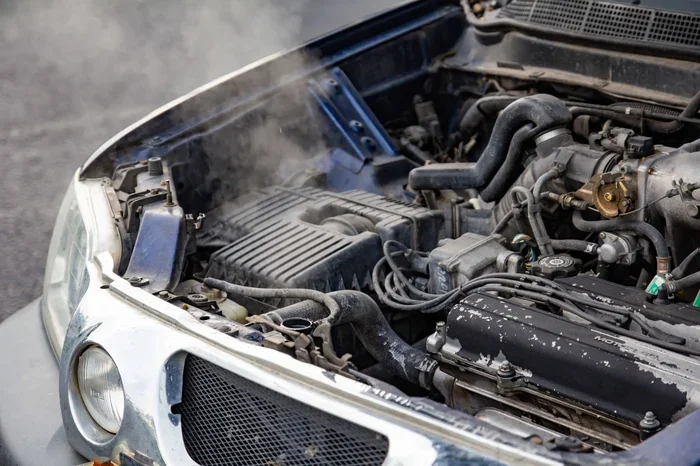
Yes, a bad alternator can absolutely cause your car to overheat. When the alternator fails, it disrupts the electrical system, which can disable the cooling fan and thermostat. This leads to car overheating symptoms that escalate fast if ignored. Understanding the connection between your alternator and engine temperature is critical for every car owner.
Your car has a lot of systems working together behind the scenes. The alternator keeps your battery charged and powers all the electrical components. But here is something most drivers do not think about. A failing alternator can actually cause your engine to overheat. It sounds surprising, but the connection is very real and very dangerous. When your alternator problems go unchecked, they can snowball into a full-blown cooling system failure.
Many people wonder, can a bad alternator make your car overheat? The short answer is yes. The long answer involves how your car’s electrical and cooling systems work hand in hand. When one part fails, the ripple effects can be serious. This article breaks down exactly how that happens, what warning signs to watch for, and what you can do about it.
Whether you are dealing with a car that keeps running hot or you just want to prevent problems, this guide has you covered. We will walk through every angle in plain, simple language. No jargon. No fluff. Just the facts you need to keep your car running safely.
Key Takeaways
- Electrical Failure Link: A failing alternator cuts power to the radiator fan and thermostat, directly causing overheating.
- Early Warning Signs: Dashboard lights, dimming headlights, and unusual sounds often signal alternator problems before overheating starts.
- Drive Belt Connection: The serpentine belt powers both the alternator and water pump, so a slipping belt affects both systems.
- Quick Action Matters: Pulling over and shutting off the engine at the first sign of overheating prevents costly damage.
- Regular Maintenance Helps: Routine checks of the electrical system and cooling system catch alternator issues early.
- Replacement Is Affordable: Fixing a bad alternator costs far less than repairing a seized engine from overheating.
📑 Table of Contents
- How Your Alternator Affects Engine Temperature
- Common Warning Signs of a Failing Alternator
- What Happens When an Overheating Engine Meets a Bad Alternator
- Can a Bad Alternator Cause Overheating While Driving?
- How to Diagnose Alternator-Related Overheating
- Prevention and Maintenance Tips
- Expert Insights on Alternator and Overheating
- How Much Does It Cost to Fix a Bad Alternator?
- Key Takeaways
- Frequently Asked Questions
- Conclusion
How Your Alternator Affects Engine Temperature
To understand the link between your alternator and engine heat, you need to know how these systems interact. Your alternator does more than charge the battery. It powers the entire electrical network in your car. That includes the radiator fan, the thermostat sensor, and even the water pump in some modern vehicles.
The Electrical System and Cooling Connection
Your cooling system relies on electricity in several key ways. The radiator fan kicks on when your engine reaches a certain temperature. The thermostat opens and closes based on sensor signals. The water pump circulates coolant through the engine block. All of these components need a steady flow of electrical power. That power comes from your alternator.
When the alternator starts to fail, the voltage drops. This means the radiator fan may not spin fast enough or may not come on at all. The thermostat sensor might send wrong readings. The water pump could lose power or stop entirely. Every one of these failures can cause your engine to run hot and eventually overheat.
Voltage Regulator Problems
Inside your alternator sits a small but important part called the voltage regulator. This component controls how much electricity flows to the rest of the car. When the voltage regulator goes bad, the electrical supply becomes unstable. Sometimes it sends too little power. Other times it sends too much. Either way, the cooling system suffers. Your radiator fan might work intermittently. The thermostat could behave erratically. These unpredictable patterns make it very hard to diagnose the real issue.
The Serpentine Belt Factor
Here is another important connection. The serpentine belt drives both your alternator and your water pump. If the belt is worn, loose, or cracked, it affects both components at the same time. A slipping belt means the alternator charges poorly and the water pump circulates coolant less effectively. This double whammy can quickly push your engine temperature into the danger zone. This is one of the most overlooked causes of car overheating symptoms.
Common Warning Signs of a Failing Alternator
The tricky thing about a bad alternator is that it does not just quit one day. It gives you warning signs. Most of these signs are easy to spot if you know what to look for. Catching them early can save you from a major overheating event.
Dashboard Warning Lights
The battery or alternator light on your dashboard is your first clue. If this light comes on, do not ignore it. It means your charging system is not working properly. A lit battery light combined with a rising temperature gauge is a double red flag. Pull over safely and turn off the engine.
Dimming or Flickering Lights
Your headlights, dashboard lights, and interior lights all depend on a steady electrical supply. If you notice your headlights dimming when you hit the brakes, that is a classic sign of alternator trouble. Flickering dashboard lights are another telltale signal. These electrical glitches mean the alternator is struggling to keep up with demand.
Unusual Sounds From the Engine Bay
A bad alternator often makes noise. You might hear a whining sound or a grinding noise coming from the front of the engine. These sounds usually mean the internal bearings are wearing out. If you also notice a squealing noise, the serpentine belt might be slipping. Both of these issues can contribute to cooling system problems and eventual engine overheating.
Weak or Dead Battery
Your alternator and battery work as a team. The battery starts the car, and the alternator keeps it running. If your battery keeps dying or needs frequent jumps, the alternator is likely not doing its job. A weak battery combined with overheating should raise serious concerns about your electrical system.
What Happens When an Overheating Engine Meets a Bad Alternator
When your car overheats and the alternator is failing, the damage can compound quickly. Let us walk through what actually happens inside your engine when things go wrong.
Coolant Circulation Stops
Without enough electrical power, the water pump slows down or stops. Coolant stops flowing through the engine block. The heat has nowhere to go. Within minutes, engine temperatures can spike past safe levels. This is one of the fastest ways to cause serious engine damage.
Radiator Fan Fails to Kick In
The radiator fan is responsible for pulling air through the radiator when you are sitting in traffic or driving at low speeds. If the alternator cannot power the fan, it stays off. Your engine heats up even more because there is no airflow to cool the radiator. This is especially dangerous during summer months or in stop-and-go traffic.
Thermostat Gets Confused
The thermostat relies on electrical sensors to open and close at the right temperatures. When the alternator sends unstable voltage, the thermostat can get stuck in the closed position. This traps hot coolant inside the engine and prevents fresh cool air from flowing through. The result is a rapid temperature climb.
Long-Term Engine Damage
Sustained overheating warps engine components. The head gasket can blow. Cylinder heads can crack. Pistons can seize. These repairs are extremely expensive. In many cases, a blown head gasket alone can cost more than replacing the entire alternator. This is why addressing alternator problems early is so important.
Can a Bad Alternator Cause Overheating While Driving?
Absolutely. In fact, overheating while driving is one of the most common scenarios where a failing alternator plays a role. When you are driving, your engine works hard and generates a lot of heat. The cooling system needs full electrical power to keep up. If the alternator is struggling, the cooling system cannot keep pace.
You might notice the temperature gauge climbing slowly at first. Then it shoots up quickly. This often happens on highway drives or during hot weather. The combination of high engine load and reduced electrical power creates a perfect storm for overheating.
If you experience car overheating while driving, turn on the heater to full blast. This pulls heat away from the engine temporarily. Roll down the windows and pull over as soon as it is safe. Do not keep driving with a high temperature gauge. Shut off the engine and let it cool before checking anything.
How to Diagnose Alternator-Related Overheating
Figuring out if your alternator is causing your car to overheat takes a bit of detective work. Here are the steps you can take to get to the bottom of it.
Step 1: Check the Voltage Output
Use a multimeter to test the alternator output. A healthy alternator should produce between 13.5 and 14.5 volts. Anything below 13 volts means the alternator is not charging properly. This low voltage can directly affect the cooling fan and other electrical cooling components.
Step 2: Inspect the Serpentine Belt
Look at the belt that runs from the alternator to the water pump and other components. Check for cracks, glazing, or looseness. A worn belt can slip and cause both the alternator and water pump to underperform. Replacing a serpentine belt is cheap and easy compared to engine repairs.
Step 3: Test the Radiator Fan
Start the car and let it idle until the temperature gauge rises. The radiator fan should kick on automatically. If it does not, check the fuse, relay, and wiring. A fan that does not work is a common sign of electrical problems tied to the alternator.
Step 4: Monitor the Temperature Gauge
Keep an eye on your temperature gauge during normal driving. If it fluctuates between normal and hot, that is a red flag. Erratic temperature readings often point to electrical issues, including a failing alternator or a faulty thermostat.
Step 5: Listen and Feel
Pay attention to sounds coming from the engine bay. A whining or grinding noise from the alternator area is a bad sign. Also feel the hoses leading to the radiator. If they are not getting hot, coolant is not circulating properly. This could be an electrical or mechanical issue, and the alternator is often the culprit.
Prevention and Maintenance Tips
The best way to deal with alternator-related overheating is to prevent it from happening in the first place. Regular maintenance goes a long way in keeping both your electrical and cooling systems in good shape.
Schedule Regular Electrical System Checks
Have a mechanic test your alternator output at every oil change or at least twice a year. Catching a weak alternator early can save you from a cascade of problems, including engine overheating and cooling system failure.
Replace the Serpentine Belt on Schedule
Most manufacturers recommend replacing the serpentine belt every 60,000 to 100,000 miles. Check your owner manual for the exact interval. A fresh belt ensures the alternator and water pump both operate at full capacity.
Keep Your Coolant System in Top Shape
Flush and replace your coolant according to the manufacturer’s schedule. Old coolant loses its ability to transfer heat effectively. This puts extra strain on the entire cooling system, including the electrical components powered by the alternator.
Watch for Early Warning Signs
Do not wait for the temperature gauge to spike. If you notice dimming lights, a flickering dashboard, or strange noises under the hood, get your car checked right away. These are early signals that your alternator problems are developing.
Keep a Coolant Top-Up Kit in Your Trunk
It is always smart to carry extra coolant and water in your vehicle. If you notice the temperature climbing while driving, you can add coolant temporarily to prevent further damage. This simple step can buy you time to get to a mechanic safely.
Expert Insights on Alternator and Overheating
Experienced mechanics often see cases where a bad alternator is the hidden cause of overheating. The pattern is almost always the same. The driver ignores early warning signs like a dimming dash light or a slow crank when starting the car. Weeks later, the engine overheats on the highway. The damage is already done.
The key takeaway is simple. Your car’s electrical system and cooling system are deeply connected. A problem in one area will almost always affect the other. Do not treat them as separate systems. When one fails, the other is at risk too.
One thing many drivers overlook is the connection between the alternator and the drive belt. The same belt that spins the alternator also powers the water pump. When that belt wears out, both systems suffer simultaneously. This is why a comprehensive inspection of the belt, alternator, and cooling system should always happen together.
Another insight from seasoned technicians is that modern cars are more vulnerable to alternator issues than older models. Today’s vehicles rely heavily on electronic sensors and electric fans. A failing alternator disables these electronic systems more quickly than it would in a car from the 1980s. This makes regular electrical system checks even more important for newer vehicles.
How Much Does It Cost to Fix a Bad Alternator?
The good news is that replacing an alternator is much cheaper than repairing engine damage from overheating. On average, a new alternator costs between $300 and $800, including parts and labor. The exact price depends on your vehicle make and model. Some high-end or luxury vehicles may cost more.
If you catch the problem early, you might only need to replace the voltage regulator, which is a much smaller repair. Some mechanics can rebuild your existing alternator for a lower cost. But the most important thing is to act quickly. Every day you drive with a failing alternator, you risk overheating and serious engine damage.
Compare this to the cost of repairing a blown head gasket, which can range from $1,000 to $3,000 or more. Or a cracked cylinder head, which can cost even more. The alternator repair is a fraction of the price. It is one of the best investments you can make in your vehicle’s long-term health.
Key Takeaways
- Electrical Failure Link: A failing alternator cuts power to the radiator fan and thermostat, directly causing overheating.
- Early Warning Signs: Dashboard lights, dimming headlights, and unusual sounds often signal alternator problems before overheating starts.
- Drive Belt Connection: The serpentine belt powers both the alternator and water pump, so a slipping belt affects both systems.
- Quick Action Matters: Pulling over and shutting off the engine at the first sign of overheating prevents costly damage.
- Regular Maintenance Helps: Routine checks of the electrical system and cooling system catch alternator issues early.
- Replacement Is Affordable: Fixing a bad alternator costs far less than repairing a seized engine from overheating.
Frequently Asked Questions
Can a bad alternator cause your car to overheat while idling?
Yes, it can. When your car is idling, the radiator fan relies on electrical power to pull air through the radiator. A bad alternator may not supply enough voltage to keep the fan running. Without the fan, heat builds up quickly, especially in hot weather or heavy traffic. This is one of the most common situations where alternator failure leads to overheating.
How do I know if my car is overheating because of the alternator or something else?
Start by checking the voltage output with a multimeter. If it reads below 13 volts, the alternator is likely the cause. Next, check if the radiator fan is working. If the fan is not kicking on but the coolant level is full, the alternator is probably not delivering enough power. A mechanic can run a full electrical and cooling system diagnostic to confirm the root cause.
Will my car still run if the alternator goes completely bad?
Your car can run briefly on battery power alone after the alternator fails. However, the battery will drain quickly, and all electrical systems will start to fail. The radiator fan, fuel pump, and ignition system all need electricity. Once the battery dies, the car will stall. If this happens while driving, it can also lead to engine overheating because the cooling systems lose power.
Can a slipping serpentine belt cause both alternator and overheating problems at the same time?
Absolutely. The serpentine belt drives the alternator, water pump, and in many cars, the radiator fan. A loose or worn belt can slip on the pulleys, causing the alternator to charge poorly and the water pump to circulate coolant inadequately. This double failure creates the perfect conditions for engine overheating. Replacing the belt usually resolves both issues at once.
Is it safe to keep driving if the temperature gauge is rising and the alternator light is on?
No, it is not safe. A rising temperature gauge combined with an alternator warning light means your electrical system is failing and your cooling system is at risk. Continuing to drive can cause the engine to seize, the head gasket to blow, or the cylinder head to crack. Pull over safely, turn off the engine, and call for roadside assistance if needed.
How often should I have my alternator checked to prevent overheating issues?
Most mechanics recommend having the alternator tested every 12,000 miles or once a year, whichever comes first. If you drive in extreme heat or tow heavy loads, you should have it checked more frequently. Regular testing catches weak alternators before they fail and cause overheating. It is a small investment that can save you thousands in engine repairs.
Conclusion
The answer to the question can a bad alternator make your car overheat is a definitive yes. Your alternator powers critical cooling components like the radiator fan, water pump, and thermostat sensor. When it fails, these systems lose the electrical support they need to function properly. The result can be rapid engine overheating and expensive damage.
The good news is that you can prevent this scenario. Watch for warning signs like dimming lights, dashboard warnings, and unusual engine noises. Keep up with regular maintenance, especially belt replacements and electrical system checks. If you notice your car running hot, do not ignore it. Take action immediately.
Remember, a simple alternator replacement costs a few hundred dollars. Ignoring the problem can lead to engine repairs that cost thousands. Your car’s electrical system and cooling system are partners. Take care of one, and you protect the other. Stay proactive, stay informed, and keep your car running cool and safe for miles to come.
If you are dealing with persistent overheating issues, consider exploring whether can a car overheat in the winter too, since temperature extremes of any kind can stress your cooling system. Also, if your car is running rough along with overheating, understanding can you drive a car with a misfire can help you identify related engine problems. And for general engine health, knowing can a timing chain last 300 thousand miles gives you a solid benchmark for when major internal components may need attention.