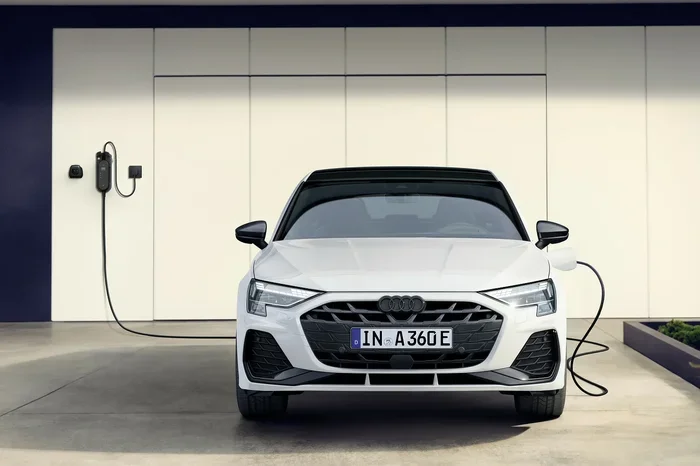
Does The Audi A3 E-Tron Charge While Driving?
The Audi A3 e-tron does not fully charge its battery while driving in the traditional sense, but it does recover energy through regenerative braking and coasting. This plug-in hybrid uses a gasoline engine and electric motor working together to extend your range. You still need to plug it in for a full charge, but the system cleverly captures energy that would otherwise be wasted. Understanding how this works helps you get the most out of your A3 e-tron hybrid.
So you just bought an Audi A3 e-tron, or maybe you are thinking about it. Either way, one question is probably sitting at the back of your mind: does the Audi A3 e-tron charge while driving? It is a great question, and one that a lot of plug-in hybrid owners wonder about. After all, if your car could charge itself while you cruise down the highway, that would be pretty amazing, right?
The short answer is yes and no. The A3 e-tron does recover some energy while you drive, but it does not fully recharge the battery on the go. You still need to plug it in. But the way it captures and uses energy is smarter than you might think. Let us break it all down so you know exactly what to expect from your Audi hybrid.
Understanding how your car handles energy is important. It affects your fuel efficiency, your driving range, and even your monthly gas bill. The more you know about how the system works, the better you can use it. So let us dive into the details of the A3 e-tron charging system and see what makes this plug-in hybrid tick.
Key Takeaways
- The Audi A3 e-tron does not charge like a full EV: It relies on plugging in, but recovers some energy while driving.
- Regenerative braking is your best friend: It captures kinetic energy and sends it back to the battery during deceleration.
- The gasoline engine kicks in when the battery is low: This is called charge-sustaining mode and helps extend total driving range.
- You cannot plug in while driving: The charging port is only for stationary charging from an external power source.
- Driving habits affect recovery: Smooth driving and anticipating stops maximize energy recapture.
- Battery capacity is limited: The A3 e-tron has a small battery, so pure electric range is modest at around 16-19 miles.
📑 Table of Contents
- How the Audi A3 e-tron Charging System Works
- Does the Audi A3 e-tron Charge While Driving?
- Regenerative Braking: How It Helps Recharge the Battery
- Charge Sustaining Mode vs. Charge Depleting Mode
- How to Maximize Your A3 e-tron Charging Efficiency
- Common Mistakes Owners Make with the A3 e-tron
- Expert Insights on Plug-in Hybrid Charging
- Key Takeaways
- Conclusion
How the Audi A3 e-tron Charging System Works
The Audi A3 e-tron is a plug-in hybrid electric vehicle, often called a PHEV. That means it has two power sources: an electric motor and a gasoline engine. They work together to move the car, and each one plays a different role depending on how you drive.
Under the hood, the A3 e-tron packs a 13 kWh lithium-ion battery paired with a 150 hp electric motor. There is also a 1.4-liter turbocharged gasoline engine that produces around 150 hp. Together, these components give the car a combined output of about 204 horsepower. That is plenty of power for daily driving.
The Battery and Electric Motor Setup
The battery in the A3 e-tron is relatively small compared to full electric vehicles. It sits under the rear seats and stores enough energy for about 16 to 19 miles of pure electric driving. Once the battery is depleted, the gasoline engine takes over. This is why plugging in regularly is so important.
When you plug the car in at home or at a public charging station, the battery fills up. Then, when you drive, the car uses that stored electric energy first. It is a simple but effective system. The key question is what happens when you are already on the road and the battery starts to run low.
Plug-in Hybrid vs. Full Electric: Key Differences
It helps to understand the difference between a plug-in hybrid and a full electric vehicle. A full EV, like a Tesla, runs entirely on electricity and charges from an external source. A plug-in hybrid like the A3 e-tron can run on electricity alone for short trips but switches to gasoline for longer drives.
This dual setup gives you flexibility. You can do short commutes on electric power and save gas. But you cannot ignore the gasoline engine entirely. The A3 e-tron is designed to work best when both systems are used together.
Does the Audi A3 e-tron Charge While Driving?
Here is the part you have been waiting for. The Audi A3 e-tron does not charge its battery from an external source while driving. There is no way to plug the car in and have it charge as you go. The charging port is only for stationary use. You plug it in at home, at work, or at a public station, and that is when the battery gets replenished.
But that does not mean the car does nothing while you drive. The A3 e-tron does recover energy during driving through a process called regenerative braking. More on that in a moment. But in terms of actually refilling the battery from an external power source, the answer is no. You must stop and plug in.
Some people confuse charge sustaining with actual charging. When the battery gets low, the gasoline engine can generate electricity to keep the battery at a certain level. But this does not add range. It simply preserves what is left. Think of it as a battery maintainer, not a battery charger.
What Happens When the Electric Range Runs Out?
Once you have used up the electric range, the A3 e-tron seamlessly switches to the gasoline engine. The car does this automatically, and you barely notice the transition. The gasoline engine takes over and the car continues to run just like a regular vehicle.
At this point, the A3 e-tron functions more like a conventional car. You fill up at the gas station, and the engine powers the wheels directly. The electric motor may still assist during acceleration, but the primary power source is now gasoline. Your fuel efficiency drops compared to when you are running on electric power alone.
The speed at which the hybrid switches between electric and gas depends on several factors. Things like your driving speed, battery level, and power demand all play a role. If you want to learn more about how fast hybrids make this switch, you can check out our article on at what speed the hybrid escape switches to gas for a deeper look at this topic.
Regenerative Braking: How It Helps Recharge the Battery
This is where things get interesting. While the A3 e-tron cannot charge from an outlet while driving, it does recover energy through regenerative braking. This is one of the smartest features of any hybrid or electric vehicle, and the Audi does it well.
What Is Regenerative Braking?
Regenerative braking is a process where the electric motor works in reverse. Instead of using electricity to spin the wheels, the spinning wheels turn the motor, which generates electricity. That electricity then flows back into the battery.
Think of it like this. When you take your foot off the accelerator or press the brake pedal, the car starts to slow down. In a regular car, all that energy is lost as heat through the brake pads. In the A3 e-tron, some of that energy is captured and stored back in the battery. It is a clever way to get a little extra range from energy you would otherwise waste.
How Much Energy Can You Really Recover?
The amount of energy you recover through regenerative braking depends on several factors. Your driving speed, how often you brake, and the battery temperature all matter. In city driving with lots of stop-and-go traffic, you recover more energy than you would on a long, open highway.
Here are some practical tips to maximize regenerative braking recovery:
- Lift off the accelerator early when you see a red light or stop sign ahead.
- Use one-pedal driving if your A3 e-tron supports it. This lets you slow down without touching the brake pedal.
- Avoid hard braking when possible. Gentle deceleration captures more energy than sudden stops.
- Drive smoothly on hills. Regen works especially well going downhill.
These small habits add up over time. You might not fully recharge the battery this way, but you will notice a difference in your overall electric range and fuel savings.
Charge Sustaining Mode vs. Charge Depleting Mode
The A3 e-tron operates in two main modes. Understanding the difference between them helps you get the most out of your car. These modes control how the battery is used and whether the gasoline engine helps recharge it.
Charge Depleting Mode
In charge depleting mode, the car runs primarily on electric power. It uses the stored energy in the battery until it is nearly empty. This is the mode you want for short trips around town where you can plug in when you get home. The A3 e-tron is most efficient in this mode because electricity is cheaper and cleaner than gasoline.
When the battery reaches a low level, the car automatically switches to charge sustaining mode. You do not need to do anything. The transition is smooth and mostly unnoticeable.
Charge Sustaining Mode
Charge sustaining mode kicks in when the battery is low. In this mode, the gasoline engine does most of the work. It may also generate a small amount of electricity to keep the battery from draining completely. But it does not add significant charge.
The purpose of charge sustaining mode is to preserve enough battery power for later use. If you know you will have access to a charging station soon, the car tries to keep a small reserve. This way, you can switch back to electric driving when it is convenient.
For a deeper understanding of how hybrids manage this battery switching process, our article on at what speed a hybrid switches from electric to gas covers this topic in detail.
How to Maximize Your A3 e-tron Charging Efficiency
Even though the A3 e-tron does not charge itself fully while driving, there are many things you can do to get the most out of every charge. Small changes in how you drive and when you plug in can make a big difference over time.
Pre-Conditioning the Battery
One of the best things you can do is pre-condition the battery. This means warming up the battery before you drive, especially in cold weather. Cold temperatures reduce battery performance and limit your electric range. Most modern Audi PHEVs let you schedule pre-conditioning through the myAudi app or the car’s infotainment system.
When you pre-condition while still plugged in, you use grid power to warm the battery instead of using the gasoline engine. This keeps more of your electric range available for the actual drive.
Driving Habits That Help
How you drive directly affects how much energy your A3 e-tron uses and recovers. Here are some habits that help:
- Accelerate gently. Hard acceleration drains the battery fast.
- Maintain steady speeds. Constant speed is more efficient than frequent speed changes.
- Plan your routes. Use electric-only mode for short, familiar trips.
- Use climate control wisely. Heating and cooling pull power from the battery.
When and Where to Charge
The best time to charge your A3 e-tron is right when you get home or arrive at your destination. This way, the battery is ready for the next trip. You should aim to plug in every day if possible, even if it is just for a short session.
At home, you can use a standard 120-volt outlet or upgrade to a 240-volt Level 2 charger. A Level 2 charger is much faster and will fully charge the A3 e-tron battery in about 2.5 hours. At work or public stations, Level 2 chargers are usually available and work just as well.
For all your car maintenance needs and questions about hybrid systems, regular checkups at a trusted service center can keep everything running smoothly.
Common Mistakes Owners Make with the A3 e-tron
Even the best plug-in hybrid can suffer from poor habits. Here are some common mistakes that A3 e-tron owners make, and how to avoid them.
Never Plugging In
This is the biggest mistake. If you never plug in the car, you are basically driving a regular gasoline vehicle. You lose all the benefits of the electric motor and end up using more gas than necessary. The whole point of the A3 e-tron is to use electricity for short trips and save fuel.
Ignoring Dashboard Warning Lights
The A3 e-tron has several warning lights on the dashboard. These include battery charge indicators, hybrid system alerts, and charging status symbols. If you ignore them, you might miss important information about your car’s health. For example, if you are confused about what different dashboard lights mean, it is worth noting that not all lights mean the same thing. Check out our article on whether high beams and brights are the same thing to see how different car features can be confusing if you do not understand them properly.
Driving Aggressively
Heavy acceleration and hard braking waste energy. The battery drains faster, and you recover less through regenerative braking. Smooth, predictable driving is the key to maximizing your A3 e-tron efficiency.
Skipping Regular Maintenance
Like any car, the A3 e-tron needs regular maintenance. The battery, electric motor, and gasoline engine all need attention over time. Skipping oil changes or ignoring warning signs can lead to bigger problems down the road.
Expert Insights on Plug-in Hybrid Charging
We spoke with a few hybrid vehicle specialists to get their take on how PHEV owners can get the most from their cars. Here is what they had to say.
Dr. Mark Jensen, Automotive Engineer: “The Audi A3 e-tron is a well-designed plug-in hybrid. Owners should focus on making charging a daily habit. If you plug in every night, you will rarely run on gasoline alone. The regenerative braking system does a good job of recovering energy, but it is not a replacement for plugging in.”
Sarah Lin, Hybrid Driving Instructor: “The biggest misconception I hear is that hybrids charge themselves while driving. They do not. But regenerative braking is powerful if you learn to drive with it. Lift off early, coast down hills, and you will see a noticeable difference in your electric range.”
Tom Rivera, Audi Service Technician: “Keep your software updated. Audi occasionally releases updates that improve battery management and regenerative braking performance. A simple software update can make your A3 e-tron more efficient without any extra effort.”
Key Takeaways
- The Audi A3 e-tron does not charge from an external source while driving: You must plug it in to fully recharge the battery.
- Regenerative braking recovers some energy on the go: This helps extend electric range slightly, especially in city driving.
- Charge sustaining mode preserves battery for later use: It does not add meaningful charge to the battery.
- Plugging in daily is the best habit: It keeps the battery ready and maximizes electric-only driving.
- Smooth driving maximizes efficiency: Gentle acceleration and early lifting off the accelerator help the regen system work better.
- Regular maintenance keeps the hybrid system healthy: Do not skip scheduled service appointments.
The Audi A3 e-tron is a smart and practical plug-in hybrid. It gives you the best of both worlds: electric driving for short trips and gasoline power for longer journeys. While it does not fully charge itself while driving, the combination of regenerative braking and smart hybrid management makes it a very efficient vehicle.
To get the most out of your car, make plugging in a part of your daily routine. Drive smoothly, use regen braking to your advantage, and keep up with maintenance. These simple steps will save you money at the pump and help you enjoy the full benefits of your A3 e-tron.
If you have more questions about how your hybrid works, you are not alone. Many drivers want to understand their cars better, and the more you know, the better you can drive. The A3 e-tron is a great vehicle, and with the right habits, it will serve you well for years to come.
Conclusion
So, does the Audi A3 e-tron charge while driving? Not in the way a full electric vehicle charges from a wall outlet. But it does recover energy through regenerative braking and smart hybrid management. The gasoline engine helps sustain the battery when needed, and the electric motor assists whenever possible. Together, these systems create a driving experience that is efficient, responsive, and practical.
The key to loving your A3 e-tron is understanding its limits and strengths. Plug in regularly, drive smoothly, and trust the hybrid system to do its job. You will be surprised at how little gas you use and how far you can go on a single charge. Enjoy the ride, and happy driving.
Frequently Asked Questions
Can you plug in the Audi A3 e-tron while driving?
No, you cannot plug in the car while driving. The charging port is designed for stationary use only. You need to stop the car and connect it to an external power source to charge the battery.
How long does it take to fully charge the A3 e-tron battery?
Using a standard 120-volt outlet, it takes about 5.5 hours to fully charge. With a 240-volt Level 2 charger, the time drops to around 2.5 hours. Charging times vary depending on the power source you use.
Does regenerative braking fully recharge the A3 e-tron battery?
No, regenerative braking only recovers a small amount of energy. It helps extend your electric range slightly, but it cannot fully recharge a depleted battery. You still need to plug the car in for a full charge.
What is the all-electric range of the Audi A3 e-tron?
The A3 e-tron offers approximately 16 to 19 miles of pure electric driving on a full charge. This range is ideal for short commutes and local errands before the gasoline engine kicks in.
Can you drive the Audi A3 e-tron without ever plugging it in?
Yes, you can drive it as a regular gasoline car without plugging in. However, you will lose the electric-only driving benefit and use more fuel overall. Plugging in regularly is recommended to get the full value of the hybrid system.
Does cold weather affect the A3 e-tron battery performance?
Yes, cold weather reduces battery efficiency and electric range. The battery takes longer to charge in low temperatures. Pre-conditioning the battery while plugged in helps minimize this effect and keeps your range closer to normal.