Does the Toyota Highlander Retain Its Value Over Time
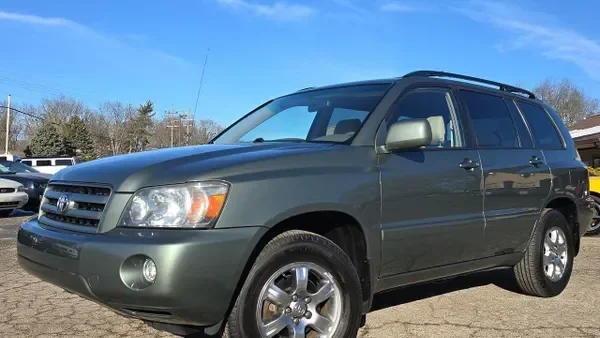
The Toyota Highlander is one of the most reliable SUVs on the road, and it holds its value remarkably well. Thanks to Toyota’s strong brand reputation, low maintenance costs, and high consumer demand, the Highlander depreciates slower than many competitors. Whether you own a gas model or a hybrid Highlander, understanding how and why this SUV retains value can help you make smarter buying and selling decisions.
The Toyota Highlander has been a favorite among families and SUV buyers for years. But one question keeps coming up: does the Toyota Highlander retain its value over time? The short answer is yes. The Highlander consistently outperforms many rivals when it comes to holding onto its worth. In this article, we will break down everything you need to know about Highlander depreciation, resale trends, and what you can do to protect your investment.
If you are thinking about buying or selling a Highlander, understanding its value retention can save you thousands of dollars. Toyota has built a reputation for durability, and the Highlander benefits greatly from that trust. Let us dive into the numbers, the factors that matter, and the practical steps you can take to keep your SUV worth as much as possible.
Key Takeaways
- Strong Resale Performance: The Toyota Highlander consistently ranks above average in SUV value retention compared to competitors.
- Toyota Reliability Drives Value: Buyers trust the Highlander’s proven track record, which keeps demand high in the used market.
- Hybrid Models Add Appeal: The hybrid Highlander holds value even better than its gas-only counterpart due to fuel savings.
- Maintenance Matters: Keeping up with regular service like serpentine belt replacements and quality oil changes helps preserve resale worth.
- Trim Level Affects Depreciation: Higher trims like the Limited and Platinum tend to hold value longer than base models.
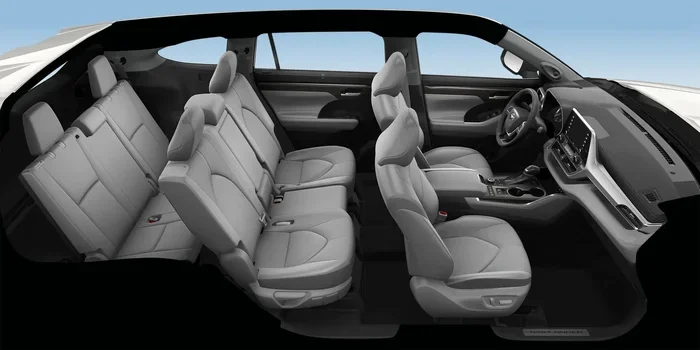
- Third-Row Seating Is a Selling Point: The spacious interior gives the Highlander an edge over smaller SUVs in the resale market.
📑 Table of Contents
- Why the Toyota Highlander Holds Its Value So Well
- How Fast Does the Highlander Depreciate?
- The Role of Maintenance in Value Retention
- How Trim Levels Affect the Toyota Highlander Resale Value
- The Hybrid Advantage: Does the Hybrid Highlander Hold Value Better?
- Features That Boost the Highlander’s Resale Value
- Common Mistakes That Hurt the Highlander’s Value
- Expert Insights on Toyota Highlander Value Retention
- Key Takeaways
- Conclusion
Why the Toyota Highlander Holds Its Value So Well
There are several reasons the Highlander stands out in the used SUV market. Toyota engineers these vehicles to last. The brand’s commitment to quality means fewer surprises for buyers down the road. This reliability translates directly into stronger resale numbers.
Brand Trust and Reputation
Toyota has one of the strongest brand loyalties in the automotive world. Buyers know that a Toyota vehicle will not let them down. When you look at Toyota resale rates, the brand consistently outperforms most competitors. The Highlander benefits from this trust every single day.
Consumer Reports and J.D. Power regularly give the Highlander high reliability scores. These ratings influence used car buyers. When a buyer sees a well-maintained Highlander, they feel confident. That confidence keeps demand steady, which keeps prices higher.
Comparison With Competitors
Let us put things into perspective. The Highlander faces competition from the Honda Pilot, Ford Explorer, and Chevrolet Traverse. Here is how they compare when it comes to value retention:
- Toyota Highlander: Depreciates about 35-40% over five years.
- Honda Pilot: Depreciates about 38-43% over five years.
- Ford Explorer: Depreciates about 42-48% over five years.
- Chevrolet Traverse: Depreciates about 45-50% over five years.
As you can see, the Highlander sits at the top of the pack. Its SUV value retention is among the best in the segment. This is not a coincidence. It is the result of decades of engineering excellence and brand loyalty.
How Fast Does the Highlander Depreciate?
Depreciation is the biggest factor in value retention. Most cars lose value the moment you drive them off the lot. But some vehicles lose value faster than others. The Highlander depreciates at a moderate and predictable rate.
Year-by-Year Depreciation Breakdown
Here is a general look at how the Highlander loses value over time:
- Year 1: About 15-20% depreciation. This is standard for most new SUVs.
- Year 2: Another 10-15% drop. The steepest decline usually happens in the first two years.
- Year 3: Around 8-12% further depreciation. The curve starts to flatten.
- Year 4-5: About 5-8% per year. The Highlander holds value better than most after the five-year mark.
A brand-new Highlander priced at around $40,000 might be worth $24,000 to $26,000 after five years. That is a solid retention rate compared to the industry average. The Toyota Highlander depreciation rate is one of the reasons this SUV remains a smart purchase.
Factors That Speed Up or Slow Down Depreciation
Not all Highlanders depreciate at the same rate. Several factors play a role in how quickly your SUV loses value.
- Mileage: Lower mileage means higher resale value. A Highlander with 40,000 miles will fetch more than one with 80,000 miles.
- Condition: Interior and exterior condition matter a lot. Regular cleaning and prompt repairs make a big difference.
- Service History: A full service record builds buyer confidence. It shows the vehicle was well cared for.
- Trim Level: Higher trims like the Limited and Platinum hold value better than the base LE model.
- Color: Popular colors like white, black, and silver tend to sell faster and hold value slightly better.
The Role of Maintenance in Value Retention
Here is a truth that many buyers overlook: maintenance directly impacts resale value. A well-maintained Highlander will always outperform a neglected one in the used market. Buyers are willing to pay more for a vehicle with a clean history.
Routine Maintenance That Protects Value
Staying on top of routine service is one of the best investments you can make. Here are the key maintenance items that matter most:
- Oil Changes: Regular oil changes keep the engine running smoothly. Using quality synthetic oil, such as Mobil 1, can help extend engine life and demonstrate diligent care to future buyers.
- Belt and Hose Inspections: A worn serpentine belt can cause bigger problems if ignored. Keeping up with serpentine belt replacements ensures the vehicle runs at its best and signals to buyers that it was properly maintained.
- Brake Service: Fresh brakes are a selling point. Replace pads and rotors on schedule.
- Tire Maintenance: Rotate tires regularly and keep them properly inflated. Even tread wear adds to curb appeal.
- Fluid Flushes: Transmission fluid, coolant, and brake fluid should be changed at recommended intervals.
Quick Tips for Keeping Your Highlander in Top Shape
Follow these simple steps to protect your investment:
- Keep a detailed maintenance log.
- Address small issues before they become big problems.
- Wash and wax the exterior regularly.
- Clean the interior thoroughly, especially the third-row seats.
- Store the vehicle in a garage or covered area when possible.
How Trim Levels Affect the Toyota Highlander Resale Value
The Highlander comes in several trim levels, and each one holds value differently. Understanding these differences can help you choose the right model or decide which one to sell.
| Trim Level | Approx. New Price | 5-Year Retention | Resale Appeal |
|---|---|---|---|
| LE | $38,000 | ~55-60% | Good |
| XLE | $42,000 | ~58-63% | Very Good |
| XSE | $44,000 | ~57-62% | Very Good |
| Limited | $48,000 | ~60-65% | Excellent |
| Platinum | $52,000 | ~58-63% | Excellent |
The Limited and Platinum trims tend to hold the best value. They come loaded with features that buyers want. Leather seats, advanced safety tech, and premium audio systems all add appeal. However, the XLE offers a great balance of features and value, making it a popular choice in the used market.
Why Higher Trims Hold Value Better
Buyers in the used SUV market often look for the most features at the lowest price. A well-equipped Limited or Platinum Highlander offers luxury-level comfort at a fraction of the original cost. This makes them highly desirable. The Toyota Highlander trim value difference is real and measurable.
The Hybrid Advantage: Does the Hybrid Highlander Hold Value Better?
The hybrid Highlander has gained popularity in recent years. It offers better fuel economy and a greener driving experience. But does it also hold value better? The answer is yes.
Hybrid SUVs tend to depreciate slightly slower than their gas-only counterparts. Buyers are willing to pay a premium for the fuel savings. The hybrid Highlander value advantage is especially noticeable in urban areas where fuel efficiency matters most.
Here are some reasons the hybrid holds value well:
- Fuel Savings: The hybrid delivers around 36 mpg combined, which saves owners thousands over the years.
- Environmental Appeal: More buyers are looking for eco-friendly options.
- Tax Incentives: Some hybrid models qualify for tax credits, adding to their appeal.
- Modern Technology: Hybrid systems are becoming more advanced, which keeps them relevant longer.
Overall, the hybrid Highlander is a strong choice for anyone who wants to maximize long-term value. It combines Toyota reliability with the added benefit of fuel efficiency.
Features That Boost the Highlander’s Resale Value
Not all Highlanders are created equal when it comes to resale. Certain features make the vehicle more attractive to used buyers. These features can slow depreciation and boost your return on investment.
Must-Have Features for Value Retention
- All-Wheel Drive (AWD): AWD is highly sought after in the used SUV market. It adds capability and safety.
- Third-Row Seating: The Highlander’s spacious third row sets it apart from many competitors. Families love this feature.
- Advanced Safety Tech: Toyota Safety Sense comes standard on most trims. Features like adaptive cruise control and lane-keeping assist are major selling points.
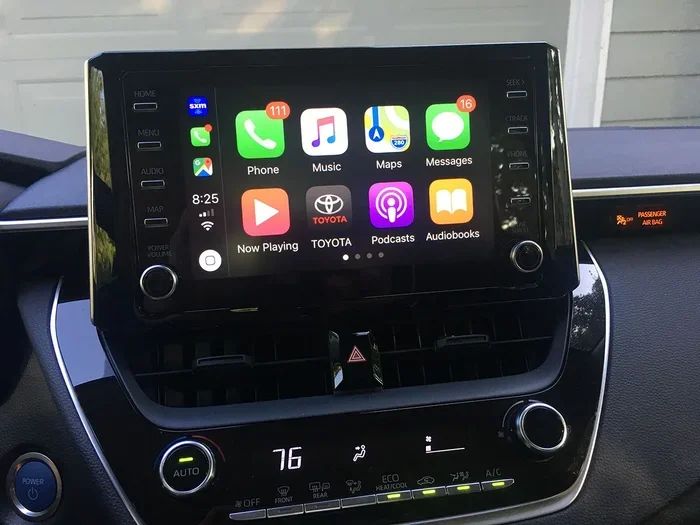
- Apple CarPlay and Android Auto: Smartphone integration is now a must-have for most buyers.
- Panoramic Moonroof: A moonroof that opens completely adds a premium feel and appeals to buyers looking for a more upscale experience.
What Buyers Look For in a Used Highlander
When shopping for a used Highlander, buyers typically focus on a few key areas. Mileage is always top of mind. They also inspect the interior condition carefully. The third-row seats get extra attention because they can be expensive to repair or replace. Buyers also check for accident history and verify the service records. A clean Carfax report goes a long way toward commanding a higher price.
Common Mistakes That Hurt the Highlander’s Value
Avoiding these mistakes can help you protect your Highlander’s resale worth. Many owners unknowingly damage their vehicle’s value over time.
Skipping Regular Service
This is the biggest mistake you can make. Skipping oil changes or ignoring warning lights can lead to serious engine problems. Future buyers will question the vehicle’s overall care if service records are incomplete.
Ignoring Minor Damage
Small dents, scratches, and interior stains may seem harmless. But they add up. A well-cared-for exterior and interior make a strong first impression. Fix minor issues promptly to keep your Highlander looking its best.
Modifying the Vehicle
Aftermarket modifications can be polarizing. Custom wheels, aggressive body kits, or lifted suspensions may turn off potential buyers. Stick with factory-original features whenever possible. If you do modify, choose changes that are easily reversible.
Overloading the Vehicle
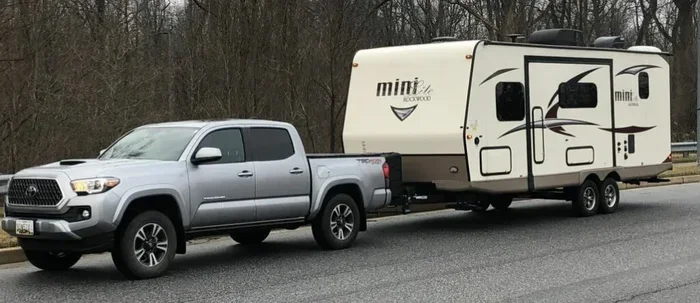
The Highlander is a capable SUV, but constant heavy towing or overloading can wear out components faster. This shows up in suspension issues and reduced fuel economy. Both of these factors hurt resale value.
Expert Insights on Toyota Highlander Value Retention
Industry experts consistently rank the Highlander as one of the top SUVs for value retention. According to data from Kelley Blue Book and Edmunds, the Highlander regularly appears on their best resale value lists. These rankings are based on real market data and buyer behavior.
Automotive analysts point to several factors that set the Highlander apart. The combination of Toyota reliability, practical seating for seven or eight passengers, and strong brand recognition creates a vehicle that buyers trust. The Toyota Highlander market value remains stable even as the vehicle ages, which is rare in the SUV segment.
Experts also note that the Highlander’s popularity creates a strong used market. High demand means more buyers competing for each vehicle. This competition drives prices up and helps owners get more money when they sell.
Key Takeaways
- Strong Resale Performance: The Toyota Highlander consistently ranks above average in SUV value retention compared to competitors.
- Toyota Reliability Drives Value: Buyers trust the Highlander’s proven track record, which keeps demand high in the used market.
- Hybrid Models Add Appeal: The hybrid Highlander holds value even better than its gas-only counterpart due to fuel savings.
- Maintenance Matters: Keeping up with regular service helps preserve resale worth and signals quality to future buyers.
- Trim Level Affects Depreciation: Higher trims like the Limited and Platinum tend to hold value longer than base models.
- Third-Row Seating Is a Selling Point: The spacious interior gives the Highlander an edge over smaller SUVs in the resale market.
Conclusion
So, does the Toyota Highlander retain its value? Absolutely. The Highlander is one of the strongest performers in the SUV segment when it comes to holding onto its worth. Its combination of Toyota reliability, practical design, and strong brand reputation makes it a standout choice for buyers who care about long-term value.
Whether you choose the gas model or the hybrid Highlander, you are making a smart investment. The key is to stay on top of maintenance, keep the vehicle in good condition, and choose a trim level that appeals to used buyers. By following these simple steps, you can maximize your Highlander’s resale value and get the best return when it is time to sell.
If you are still on the fence about buying a Highlander, the numbers speak for themselves. This SUV holds its value better than most competitors. It offers a driving experience that is both comfortable and capable. And it gives you the peace of mind that comes from owning a Toyota. The Highlander is not just a great vehicle to drive. It is a great vehicle to own for the long haul.
Frequently Asked Questions
How much does a Toyota Highlander depreciate per year?
On average, the Toyota Highlander depreciates about 15-20% in the first year and around 10-15% in the second year. After the initial steep drop, the rate slows to about 5-8% per year. Over five years, most Highlanders retain 55-65% of their original value, which is above the industry average.
Is the Toyota Highlander a good car to buy used?
Yes, the Highlander is an excellent choice for used car buyers. It holds its value well, has a strong reliability record, and offers spacious seating for families. A three to five year old Highlander gives you the best balance of modern features and affordable pricing.
Does the hybrid Highlander hold value better than the gas model?
Generally, yes. The hybrid Highlander tends to hold its value slightly better than the gas-only version. Fuel efficiency is a major selling point for used SUV buyers, and the hybrid system adds proven technology that boosts buyer confidence and resale appeal.
What trim level of the Highlander holds value the best?
The Limited and Platinum trims tend to hold the best value in the used market. They come with premium features like leather seating, advanced safety technology, and upscale interiors. However, the XLE trim offers an excellent balance of features and value for budget-conscious buyers.
How can I maximize my Highlander’s resale value?
Keep up with all scheduled maintenance, store the vehicle in a covered area when possible, and address any damage promptly. Maintaining a clean interior, keeping mileage low, and avoiding aftermarket modifications all help preserve your Highlander’s worth over time.
Does the Highlander’s third-row seating affect its resale value?
Yes, the third-row seating is a major resale advantage. Many SUVs in the Highlander’s class only offer seating for five. The ability to seat seven or eight passengers makes the Highlander more versatile and attractive to families, which keeps demand strong in the used market.