Harley-Davidson Street 500 Problems and Fixes Explained
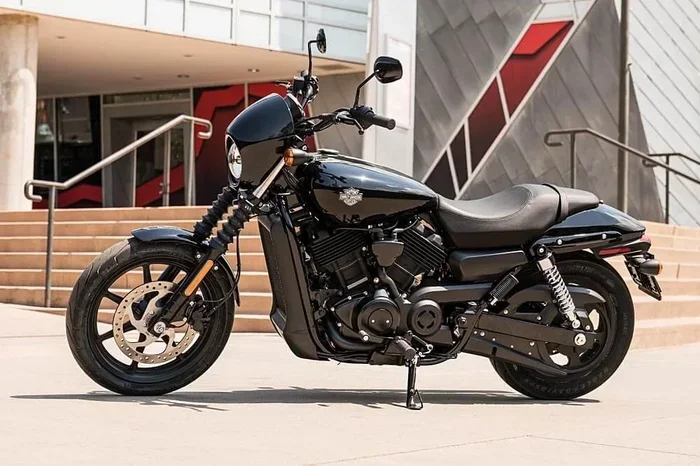
The Harley-Davidson Street 500 is a popular middleweight cruiser, but it comes with its share of known issues. From fuel injection quirks to electrical gremlins, Street 500 problems are well-documented among owners. This guide covers the most common failures, practical DIY fixes, and expert advice to help you solve them fast.
The Harley-Davidson Street 500 is a sleek, powerful middleweight cruiser that turns heads on every street. But beneath that bold exterior, some owners face frustrating issues that can put a damper on the riding experience. Harley-Davidson Street 500 problems range from minor annoyances to serious mechanical concerns.
If you own a Street 500 or are thinking about buying one, understanding these common issues is essential. This guide breaks down every major problem area, explains why things go wrong, and gives you clear fixes you can do yourself or leave to a pro. Let’s dive in.
The Street 500 engine is a liquid-cooled 60-degree V-twin that produces around 60 horsepower. It’s a solid engine for city riding and light touring. However, like any machine, it has its quirks. Many owners report issues within the first few thousand miles.
The good news? Most of these problems have well-known solutions. You just need to know what to look for.
Harley-Davidson Street 500 problems often start with the fuel system. The bike uses fuel injection, which is generally more reliable than carburetors. But that doesn’t mean it’s immune to issues. Let’s look at the most common fuel and engine problems first.
### Fuel Injection Misfires
One of the most frequent complaints from Street 500 owners is engine misfires. You might feel a jerky sensation at idle or notice the bike surging forward unexpectedly. This usually points to a problem with the fuel injectors.
Dirty or clogged injectors can’t deliver fuel evenly. Over time, carbon buildup gums up the tiny nozzles. The result is an uneven air-fuel mixture that causes misfires.
How to fix it:
- Use a fuel injector cleaner additive every few tank fills.
- Replace the fuel filter at regular intervals.
- Have a mechanic run a diagnostic scan to check injector performance.
A simple cleaner can often solve the problem without costly repairs. But if the injectors are severely clogged, replacement might be necessary.
### Rough Idle and Stalling
A rough idle is another common Street 500 problem. The bike might shake at a stoplight or die unexpectedly when coming to a halt. This can be caused by several factors.
Air leaks in the intake system are a frequent culprit. Even a tiny crack in a vacuum hose can throw off the air-fuel ratio. The bike’s computer (ECU) relies on precise measurements to keep the engine running smoothly.
Quick tip: Check all vacuum hoses and intake gaskets for cracks or loose connections. This is an easy fix that costs almost nothing.
Another cause is a faulty idle air control valve. If the valve sticks or fails, the engine can’t maintain a steady idle speed. Replacement is straightforward and usually affordable.
### Excessive Carbon Buildup
The Street 500’s engine design tends to accumulate carbon deposits, especially if you mostly ride short trips around town. Carbon buildup affects valve sealing, compression, and overall engine performance.
Signs of carbon buildup include:
- Reduced fuel efficiency
- Loss of power at higher RPMs
- Engine knocking or pinging sounds
- Rough acceleration
To prevent this, take your bike on longer highway rides periodically. The higher RPMs and temperatures help burn off deposits. You can also perform a walnut blast decarbonization service at a Harley-Davidson service center.
The electrical system on the Street 500 is another area where owners run into trouble. Modern motorcycles rely heavily on electronics, and the Street 500 is no exception.
### Battery Drain and Starting Issues
A dead battery is one of the most annoying Harley-Davidson Street 500 problems. Some owners report that their battery dies after just a few days of sitting idle.
The root cause is often a parasitic draw. Something in the electrical system continues to draw power even when the bike is off. Common offenders include aftermarket accessories, faulty voltage regulators, or corroded wiring connections.
How to diagnose battery drain:
- Disconnect the negative battery terminal.
- Connect a multimeter in series between the terminal and battery post.
- A reading above 50 milliamps suggests a parasitic draw.
- Remove fuses one at a time to isolate the culprit circuit.
Once you find the problem, fixing it is usually simple. Replace faulty wiring, remove unnecessary accessories, or install a battery tender for storage.
### Faulty Wiring and Connector Corrosion
The Street 500 has a complex wiring harness that runs through the frame and body panels. Over time, moisture and road grime can cause connectors to corrode. Corroded connections lead to intermittent electrical failures.
You might notice flickering headlights, a malfunctioning fuel gauge, or erratic dashboard warnings. These are all signs of wiring issues.
Quick fix: Spray dielectric grease on all exposed connectors. This prevents moisture intrusion and keeps connections clean. It’s a cheap and effective way to protect your electrical system.
### Clutch and Transmission Problems
The clutch and transmission are where a lot of Street 500 reliability concerns come from. These components take a lot of abuse, especially in stop-and-go city traffic.
### Clutch Slipping
Clutch slipping is a serious issue that affects your ability to accelerate properly. If you notice the engine revving higher without a corresponding increase in speed, your clutch is likely slipping.
This happens when the clutch plates wear out or the clutch cable loses proper tension. On the Street 500, the cable-adjustment mechanism is a known weak point.
How to fix clutch slipping:
- Check and adjust the clutch cable free play regularly.
- Replace worn clutch plates as a set.
- Consider upgrading to a high-performance clutch kit if you ride aggressively.
Ignoring a slipping clutch will only make the problem worse. Eventually, you might lose the ability to transfer power to the rear wheel entirely.
### Difficulty Shifting Gears
Hard or clunky shifting is another common complaint. You might hear grinding noises or feel resistance when trying to engage gears. This often points to low or contaminated transmission fluid.
Transmission maintenance tips:
- Change the transmission fluid every 5,000 to 10,000 miles.
- Use only Harley-Davidson recommended transmission oil.
- Avoid shifting too aggressively, especially when the engine is cold.
Regular fluid changes keep the gears shifting smoothly and extend the life of your transmission.
### Suspension and Handling Issues
Rider comfort and handling are important on any motorcycle, and the Street 500 is no different. Several suspension-related problems affect the riding experience.
### Front Fork Leaks
The telescopic front forks on the Street 500 can develop leaks over time. You’ll notice oil weeping from the fork tubes or a decrease in suspension performance.
Fork seal replacement is the standard fix. While it’s a bit messy, it’s a job many riders can handle at home with basic tools. Just make sure you use the correct seal size and lubricant.
### Rear Shock Wear
The rear shock absorber also wears out with time. A sagging or bouncing rear end affects handling and safety. If your bike feels unstable over bumps, inspect the rear shock for damage or fluid leaks.
Replacing the rear shock restores proper ride quality and handling. Consider upgrading to an adjustable shock for better tuning options.
### Overheating and Cooling System Failures
The Street 500 uses a liquid cooling system, which is generally effective. But cooling system failures can lead to overheating, especially in hot weather or during heavy traffic.
### Thermostat Failure
A stuck thermostat is a common cause of overheating. If the thermostat fails in the closed position, coolant can’t flow through the radiator. The engine temperature rises rapidly.
Signs of thermostat failure include:
- Temperature gauge reading higher than normal
- Steam or coolant smell from the engine area
- Heater blowing cold air when the engine is hot
Replacing a thermostat is inexpensive and straightforward. It’s one of the easiest Harley-Davidson troubleshooting jobs you can do yourself.
### Water Pump Issues
The water pump circulates coolant through the engine and radiator. If the pump fails, cooling stops and the engine overheats quickly. Listen for unusual whining noises from the engine area as an early warning sign.
### Brake System Concerns
Brakes are non-negotiable when it comes to safety. The Street 500 uses a disc brake setup on both wheels, but several issues can arise.
### Brake Pad Wear
Brake pads wear down over time, and ignoring them is dangerous. If you hear a grinding noise when braking, your pads are likely completely worn through. Replace them immediately.
Brake maintenance checklist:
- Inspect brake pads every 3,000 miles
- Check brake fluid level monthly
- Bleed the brake lines every two years
- Replace brake fluid with DOT 4 specification
### Brake Disc Warping
Brake discs can warp from excessive heat, especially if you ride aggressively or descend long hills. A warped disc causes vibration when you apply the brakes.
Resurfacing or replacing the discs fixes the problem. To prevent warping, avoid riding the brakes hard for extended periods.
### Exhaust and Emissions Problems
The Street 500’s exhaust system plays a role in both performance and emissions. Several exhaust-related issues can affect how your bike runs.
### Exhaust Leaks
Exhaust leaks are more than just a noise problem. They can cause poor engine performance, reduced fuel efficiency, and increased emissions. You might hear a ticking or hissing sound from the exhaust area.
Check all exhaust bolts and gaskets for looseness or damage. Tightening or replacing gaskets usually resolves the issue.
### Clogged Catalytic Converter
The Street 500’s catalytic converter can become clogged over time, especially if the bike has high mileage or has been run rich frequently. A clogged converter restricts exhaust flow and causes power loss.
If you suspect a clogged converter, have a mechanic perform a back-pressure test. Replacement is the only real fix, but it’s a worthwhile investment for restoring performance.
### Preventive Maintenance Schedule
The best way to avoid Street 500 problems is through regular preventive maintenance. Here’s a simple schedule to follow.
| Maintenance Task | Interval |
|—|—|
| Oil change | Every 5,000 miles |
| Transmission fluid change | Every 5,000-10,000 miles |
| Brake pad inspection | Every 3,000 miles |
| Chain adjustment and lubrication | Every 500 miles |
| Air filter replacement | Every 10,000 miles |
| Spark plug replacement | Every 12,000 miles |
| Coolant flush | Every 2 years |
| Clutch cable adjustment | Every 5,000 miles |
Sticking to this schedule keeps your Street 500 running at its best. It also helps you catch small problems before they become big ones.
### DIY Fixes vs. Professional Repairs
Knowing when to handle a repair yourself and when to visit a mechanic is an important skill. Simple tasks like adjusting the clutch cable, changing brake pads, or replacing spark plugs are well within the capabilities of most home mechanics.
However, more complex jobs like engine teardowns, electrical diagnostics, or transmission rebuilds are best left to professionals. The 500 lbs towing capacity of many support vehicles used for hauling parts and tools means you need to be mindful of weight limits when transporting your bike or equipment to a shop.
When to DIY: Simple maintenance tasks, fluid changes, filter replacements, cable adjustments.
When to see a mechanic: Engine internals, electrical diagnostics, transmission work, warranty-covered repairs.
### Common Mistakes That Cause Street 500 Problems
Many Street 500 problems are preventable. Here are the most common mistakes owners make.
- Skipping oil changes. Dirty oil causes engine wear and reduces performance.
- Ignoring warning lights. Dashboard warnings are there for a reason. Address them promptly.
- Using low-quality fuel. Poor fuel can cause injector problems and carbon buildup.
- Neglecting chain maintenance. A dry or loose chain wears out fast and affects handling.
- Overloading the bike. Exceeding the weight limit puts stress on the engine, suspension, and brakes.
- Riding without warm-up. Cold starts are hard on the engine. Let it warm up for a minute or two.
Avoiding these mistakes alone can significantly extend the life of your Street 500.
### Expert Insights on Street 500 Reliability
Experienced Harley-Davidson mechanics agree that the Street 500 is a solid bike with room for improvement. The most common issues stem from neglected maintenance rather than design flaws.
“Most Street 500 problems I see are preventable,” says one veteran Harley technician. “Owners who stay on top of oil changes, fluid changes, and regular inspections rarely have major issues. The bike is designed to be reliable, but it needs basic care.”
Regular Harley motorcycle maintenance is the single most important factor in long-term reliability.
### The Importance of Using Genuine Parts
When repairing your Street 500, always use genuine Harley-Davidson parts or high-quality aftermarket alternatives. Cheap replacement parts may save money upfront but can lead to repeat repairs and additional problems down the road.
Genuine parts are designed specifically for the Street 500’s engine, electrical system, and other components. They meet strict quality and fitment standards that aftermarket parts sometimes can’t match.
Benefits of genuine parts:
- Perfect fit and compatibility
- Backed by Harley-Davidson warranty
- Better long-term durability
- Maintains resale value of the bike
### Long-Term Ownership Experience
Owners who put 20,000+ miles on their Street 500 generally report high satisfaction with the bike. The key is staying proactive about maintenance and addressing small issues before they grow.
Many long-term owners also recommend upgrading certain components early on. Aftermarket exhausts, better suspension, and improved lighting are popular modifications that enhance both performance and safety.
If you’re considering hauling gear or accessories with your Street 500, make sure your setup respects the 500 lbs towing capacity limits to avoid stressing the engine and frame.
### Final Thoughts on Harley-Davidson Street 500 Problems
The Harley-Davidson Street 500 is a fantastic middleweight cruiser that offers style, performance, and versatility. But like any motorcycle, it comes with its share of common problems that every owner should know about.
From fuel injection issues to electrical gremlins, clutch wear to cooling system failures, understanding these problems puts you ahead of the game. The fixes are often simpler and cheaper than you might expect.
The best approach is preventive. Follow a regular maintenance schedule, use quality parts, and don’t ignore warning signs. Your Street 500 will reward you with years of reliable, enjoyable rides.
Remember, every motorcycle has quirks. The Street 500 is no exception. But with the knowledge in this guide, you’re well-equipped to handle whatever comes your way. Keep riding, keep maintaining, and keep enjoying the open road.
Key Takeaways
- Fuel injection and carburetor issues are the top complaint among Street 500 owners.
- Electrical problems like faulty wiring and battery drain are common but fixable.
- Clutch and transmission wear can be prevented with proper maintenance.
- Many Street 500 problems have simple DIY solutions that save you money.
- Knowing when to see a mechanic saves time and prevents costly damage.
- Regular Harley-Davidson maintenance keeps your Street 500 reliable for years.
- Understanding your 500 lbs towing capacity helps you avoid overloading the bike.
Frequently Asked Questions
What are the most common Harley-Davidson Street 500 problems?
The most common issues include fuel injection misfires, rough idle, electrical battery drain, clutch slipping, and overheating. Most of these problems are preventable with regular maintenance and can be fixed affordably when caught early.
How often should I change the oil on my Street 500?
Harley-Davidson recommends changing the oil every 5,000 miles for the Street 500. Sticking to this interval keeps the engine properly lubricated and prevents premature wear. Using high-quality synthetic oil can extend this interval slightly.
Can I fix electrical problems on my Street 500 myself?
Yes, many electrical issues like corroded connectors, loose grounds, and battery drain can be diagnosed and fixed at home with basic tools. A multimeter is your best friend for troubleshooting electrical problems. However, complex wiring harness issues should be handled by a professional.
Why does my Street 500 idle roughly?
A rough idle is often caused by vacuum leaks, dirty fuel injectors, or a faulty idle air control valve. Start by checking for loose or cracked vacuum hoses, as this is the most common and easiest fix. A fuel injector cleaner can also help resolve the issue.
How do I prevent clutch slipping on my Street 500?
Regular clutch cable adjustment is the key to preventing clutch slipping. Keep the cable free play within the manufacturer’s specification. Also, avoid holding the clutch partially engaged for long periods, as this accelerates wear on the clutch plates.
Is the Harley-Davidson Street 500 reliable for long-distance touring?
The Street 500 is capable of long-distance touring, but it’s best suited for moderate distances. Staying on top of maintenance, checking fluid levels before each trip, and respecting the bike’s weight limits all contribute to reliable long rides. Plan for regular fuel and rest stops to keep both you and the bike comfortable.
=== CONCLUSION ===
Harley-Davidson Street 500 problems are manageable when you know what to look for and how to fix them. From fuel system quirks to electrical gremlins, clutch wear to cooling failures, this guide has covered the major issues you’re likely to encounter. The best defense against these problems is a solid maintenance routine and a proactive approach to repairs. Keep your bike well-maintained, use quality parts, and address issues early, and your Street 500 will serve you reliably for miles to come.