How Many Spark Plugs Are in a V6 Dodge Charger Exactly
A V6 Dodge Charger typically has either 6 or 12 spark plugs, depending on the engine and model year. The 3.6L Pentastar V6 uses twin spark plugs per cylinder, giving you 12 total. Older V6 models use one plug per cylinder, totaling 6. Knowing the right count helps with maintenance, performance, and fuel economy.
If you own or are thinking about buying a V6 Dodge Charger, one question that often comes up is how many spark plugs this engine actually uses. The answer might surprise you. It is not always a simple one-per-cylinder rule. Some Dodge Charger V6 engines use 6 spark plugs, while others use 12. The difference depends on the engine type, the model year, and the specific design Dodge chose for that particular generation.
Understanding your spark plug count matters more than most people realize. Spark plugs ignite the air-fuel mixture inside each cylinder. If even one plug is worn or failing, your engine runs rough. You lose power. Your fuel economy drops. You might even notice the engine misfiring. That is why knowing the exact number and type of spark plugs for your specific V6 Dodge Charger is so important.
In this guide, we will walk you through everything you need to know. We will cover the different engine versions, the spark plug counts for each, how to replace them, and how to keep your engine running at its best. Whether you are a DIY mechanic or just someone who wants to understand your car better, this article has you covered.
Key Takeaways
- Most modern V6 Dodge Chargers use 12 spark plugs due to twin-spark technology
- Older V6 models from before 2011 typically use 6 spark plugs
- The 3.6L Pentastar engine is the most common V6 in the Charger and uses dual spark plugs
- Spark plug type matters — iridium plugs last longer and perform better
- Replacing all plugs at once ensures even engine performance
- Spark plug gaps must be set correctly for optimal ignition
- Regular maintenance of your spark plugs improves fuel efficiency and engine life
📑 Table of Contents
- How Many Spark Plugs Are in a V6 Dodge Charger?
- Understanding the V6 Dodge Charger Engine
- How Spark Plugs Work in Your Dodge Charger
- When to Replace Your Spark Plugs
- Spark Plug Replacement Guide for the V6 Dodge Charger
- Common Spark Plug Problems in V6 Dodge Chargers
- How Spark Plugs Affect Fuel Economy and Performance
- Frequently Asked Questions About V6 Dodge Charger Spark Plugs
- Final Thoughts
How Many Spark Plugs Are in a V6 Dodge Charger?
The short answer is that a V6 Dodge Charger has either 6 or 12 spark plugs. The long answer depends on which engine your Charger has and what year it was made. Let us break it down by engine type and generation.
The 3.6L Pentastar V6 Engine (2011 and Newer)
The 3.6L Pentastar V6 is the most common engine found in modern Dodge Chargers. This engine uses a twin spark plug design. That means each cylinder gets two spark plugs instead of one. Since a V6 has six cylinders, you multiply six by two. The result is 12 spark plugs total.
This twin-spark design was introduced to improve combustion efficiency. Two sparks per cylinder mean a more complete burn of the air-fuel mixture. You get better power, cleaner emissions, and improved fuel economy. The Pentastar engine has been a favorite among drivers because it balances performance with everyday reliability.
Older V6 Dodge Chargers (Before 2011)
If your Dodge Charger was made before 2011, it likely uses a standard single spark plug per cylinder design. This means your V6 engine has 6 spark plugs total. The older 2.7L V6 and 3.5L V6 engines found in earlier Charger models follow this simpler setup. Each cylinder gets one spark plug, and that is all it needs.
These older engines are still very capable. They may not have the same advanced twin-spark technology, but they are straightforward to maintain. Finding replacement parts for 6-spark plug setups is also easier and often less expensive.
Special Edition and SRT Models
Some special edition and performance versions of the Dodge Charger may have different engine configurations. The SRT and R/T models typically use V8 engines, which have a different spark plug count altogether. But for the standard V6 models, the 6 or 12 spark plug rule applies depending on the year. Always double check your specific model to be sure.
Understanding the V6 Dodge Charger Engine
The Dodge Charger has gone through several generations since it was first introduced. Each generation brought changes to the engine lineup, including the V6 options. Understanding which engine your Charger has is the first step in figuring out your spark plug count.
Engine Generations and Their Spark Plug Counts
Here is a quick look at the different V6 Charger engines and their spark plug counts:
- 2.7L V6 (2006-2010): 6 spark plugs, one per cylinder
- 3.5L V6 (2006-2010): 6 spark plugs, one per cylinder
- 3.6L Pentastar V6 (2011-2023): 12 spark plugs, twin spark per cylinder
- 3.6L Pentastar V6 (2024+): 12 spark plugs, twin spark per cylinder
The shift from 6 to 12 spark plugs happened when Dodge introduced the Pentastar engine. This was a major upgrade in the Charger lineup. The twin-spark design was borrowed from high-performance engines and brought into the mainstream. It was a smart move by Dodge engineers.
Why the V6 Engine Matters for Spark Plug Choice
The engine type directly affects which spark plugs you need. The 3.6L Pentastar requires specific spark plugs designed for twin-spark operation. Using the wrong plugs can cause engine problems. You might experience rough idling, poor acceleration, or even engine damage over time. Always check your owner manual or consult a trusted mechanic before purchasing replacement plugs.
For those comparing engine types, the V6 engine offers a nice balance of power and efficiency. It is not as thirsty as a V8, but it still delivers strong performance. If you are curious about how different engine configurations compare, you might find our article on 4 Cylinder Petrol Cars In India interesting for a broader look at engine types and their efficiency.
How Spark Plugs Work in Your Dodge Charger
Spark plugs might be small, but they play a huge role in how your engine runs. Each spark plug creates a tiny electrical spark inside the combustion chamber. This spark ignites the compressed air-fuel mixture. That ignition is what creates the power that moves your car forward.
The Twin Spark Advantage
The twin spark plug design used in the 3.6L Pentastar V6 is clever. Instead of one spark igniting the fuel mixture, two sparks fire at the same time. This creates a more thorough and faster combustion. The result is better power delivery and cleaner burning of fuel. It also helps reduce harmful emissions coming from your exhaust.
Think of it like lighting a candle with one match versus two matches at the same time. Two sparks create a more complete and efficient burn. Your engine runs smoother, and you get better performance from every drop of fuel.
Single Spark Plug Simplicity
The older V6 models with 6 spark plugs use a simpler single-spark design. One plug per cylinder does the job just fine. These engines are easier to maintain and the spark plugs are less expensive to replace. While they may not match the efficiency of twin-spark engines, they are proven and reliable workhorses.
Spark plugs work closely with other ignition components in your Charger. The ignition coil sends high voltage to each plug. The spark plug wire (if your model uses one) carries that voltage to the plug. Together, these components form the ignition system that keeps your engine running.
When to Replace Your Spark Plugs
Spark plugs do not last forever. They wear out over time. Knowing when to replace them can save you from bigger engine problems down the road. Here are the signs that your Dodge Charger spark plugs need attention.
Warning Signs of Worn Spark Plugs
- Rough idle: Your engine shakes or sounds uneven when stopped at a light
- Misfiring: You feel a jerking sensation when accelerating
- Poor fuel economy: You notice you are filling up more often than usual
- Difficulty starting: The engine takes longer to turn over
- Loss of power: Your Charger feels sluggish, especially when climbing hills
- Check engine light: The dashboard warning light comes on
Recommended Replacement Intervals
For the 3.6L Pentastar V6 with 12 spark plugs, Dodge recommends replacing the plugs every 30,000 to 60,000 miles. The exact interval depends on the type of spark plugs you use. Standard copper plugs wear faster and need replacement sooner. Iridium or platinum plugs can last much longer, sometimes up to 100,000 miles.
For older V6 models with 6 spark plugs, the replacement interval is similar. Check your owner manual for the specific recommendation for your model year. Staying on top of replacement intervals is one of the easiest ways to keep your Charger running strong.
Quick Tip
Mark your calendar or set a phone reminder when your spark plugs are due for replacement. It is easy to forget, and skipping this maintenance can lead to bigger problems and higher repair costs later.
Spark Plug Replacement Guide for the V6 Dodge Charger
Replacing spark plugs on a V6 Dodge Charger is a task many car owners can handle themselves. With the right tools and a little patience, you can save money on labor costs. Here is a step-by-step guide to help you through the process.
Tools You Will Need
- Spark plug socket (14mm for most Pentastar engines)
- Ratchet and extension
- Spark plug gap tool
- Compressed air or compressed air can
- Anti-seize compound
- Dielectric grease
- Torque wrench
Step-by-Step Replacement Process
Follow these steps carefully for a smooth spark plug replacement:
- Let the engine cool completely. The engine needs to be cold before you start. Hot engine parts can cause burns.
- Locate the ignition coils. On the 3.6L Pentastar, the coils sit on top of the engine. You will need to remove them to access the spark plugs.
- Remove the ignition coils one at a time. Unplug the electrical connector and remove the bolts holding each coil in place.
- Clean the spark plug wells. Use compressed air to blow out any debris or dirt from around the spark plugs. This prevents contaminants from falling into the engine.
- Remove the old spark plugs. Attach the spark plug socket to your ratchet and carefully turn each plug counterclockwise to remove it.
- Check the spark plug gap. Use a gap tool to verify the gap on your new plugs. The Pentastar V6 typically requires a gap of 0.044 inches.
- Install the new spark plugs. Hand-thread each plug first to avoid cross-threading. Then use the torque wrench to tighten to the manufacturer specification.
- Apply dielectric grease. Put a small amount of grease inside the ignition coil boot before reinstalling the coil.
- Reinstall the ignition coils. Replace each coil and tighten the bolts securely.
- Start the engine and test. Listen for smooth operation. Take your Charger for a short test drive to confirm everything is working properly.
Important Tips for Spark Plug Replacement
Always replace all spark plugs at the same time. Mixing old and new plugs can cause uneven engine performance. Use the spark plug type recommended by Dodge for your specific engine. And never overtighten the plugs. Over-torquing can damage the cylinder head threads, which is an expensive repair.
If you are new to car maintenance, it might be helpful to watch a few video tutorials before starting. The 3.6L Pentastar V6 is considered one of the easier engines to work on, but having visual guidance always helps.
Common Spark Plug Problems in V6 Dodge Chargers
Even with regular maintenance, spark plug problems can occur. Knowing what to watch for can help you catch issues early before they turn into costly repairs.
Spark Plug Fouling
Spark plug fouling happens when deposits build up on the plug electrodes. Oil fouling is common in higher-mileage engines. Carbon fouling can occur from frequent short trips or rich fuel mixtures. A fouled plug cannot create a strong spark, leading to misfires and poor performance.
Spark Plug Cross-Threading
This happens when a spark plug is installed at an angle and the threads get damaged. Cross-threading can strip the threads in the cylinder head. Always hand-start each plug before using tools. If you feel resistance, stop and check the alignment.
Ignition Coil Failure
The ignition coils work hand in hand with the spark plugs. When a coil fails, it can mimic spark plug symptoms. You might notice a misfire or rough running. On the 3.6L Pentastar V6, ignition coil failure is a known issue that can affect the coils and plugs. If you replace your plugs and still have problems, the coils might be the real culprit.
Expert Insight
Many Dodge Charger owners report that using iridium spark plugs significantly extends the lifespan of their ignition system. Iridium plugs are more durable and maintain a consistent spark over a longer period. While they cost a bit more upfront, they save money in the long run by reducing replacement frequency.
How Spark Plugs Affect Fuel Economy and Performance
Your spark plugs have a direct impact on how your Dodge Charger performs and how much fuel it uses. Fresh spark plugs create a strong, consistent spark. This leads to complete combustion of the fuel-air mixture. Complete combustion means more power and better fuel economy.
Worn or dirty spark plugs cause incomplete combustion. Unburned fuel escapes through the exhaust. Your engine works harder to produce the same amount of power. You end up using more fuel and getting fewer kilometers per liter. If you are interested in how different fuel types and engine setups affect efficiency, you might enjoy reading about 1 Litre Petrol How Many Km In Car for insights on fuel economy across different engines.
For the V6 Dodge Charger, keeping your spark plugs in top condition is one of the simplest ways to maintain performance. A set of fresh plugs can restore lost power and improve throttle response. You will notice the difference right away, especially during acceleration and highway driving.
Choosing the Right Spark Plug for Your Charger
Not all spark plugs are the same. Here are the most common types used in V6 Dodge Chargers:
- Copper core plugs: Affordable and reliable, but shorter lifespan. Good for older models with 6 plugs.
- Platinum plugs: Better durability than copper. Last longer and maintain consistent performance.
- Iridium plugs: The best option for longevity and performance. Most recommended for the 3.6L Pentastar V6 with 12 plugs.
Check your owner manual for the recommended spark plug type and heat range. Using the wrong plug can cause engine problems and void your warranty.
Frequently Asked Questions About V6 Dodge Charger Spark Plugs
Here are some of the most common questions we get about spark plugs in the V6 Dodge Charger. If you have a question that is not covered here, feel free to reach out or leave a comment below.
Can I use a different spark plug brand than what Dodge recommends?
Yes, you can use aftermarket spark plugs as long as they meet the specifications listed in your owner manual. The key is to match the correct thread size, reach, gap, and heat range. Popular brands like NGK, Denso, and Bosch all make quality plugs that work well in the 3.6L Pentastar V6. Just make sure the plugs are rated for your specific engine and driving conditions.
How much does it cost to replace all 12 spark plugs in a V6 Dodge Charger?
The cost varies depending on the type of spark plugs you choose and whether you do the job yourself or visit a mechanic. DIY parts cost typically ranges from 80 to 200 dollars for a full set of 12 plugs. If you take it to a shop, labor costs can add another 100 to 200 dollars. Using iridium plugs will cost more upfront but they last longer, which saves money over time.
What happens if I only replace half of the spark plugs?
You should always replace all spark plugs at the same time. If you only replace some, the new plugs will fire differently than the old ones. This creates uneven combustion, which leads to rough running, reduced power, and poor fuel economy. The old plugs will also put extra stress on the new ones, shortening their lifespan. Always replace the full set for best results.
Does the 3.6L Pentastar V6 really need 12 spark plugs?
Yes, the 3.6L Pentastar V6 is designed with a twin-spark system that uses two plugs per cylinder. This is not a mistake or an over-engineered design. Dodge engineers chose this setup specifically to improve combustion efficiency, reduce emissions, and boost performance. The 12-plug system is a key reason why the Pentastar engine has such a strong reputation for reliability and power delivery.
How can I tell if my V6 Dodge Charger has 6 or 12 spark plugs?
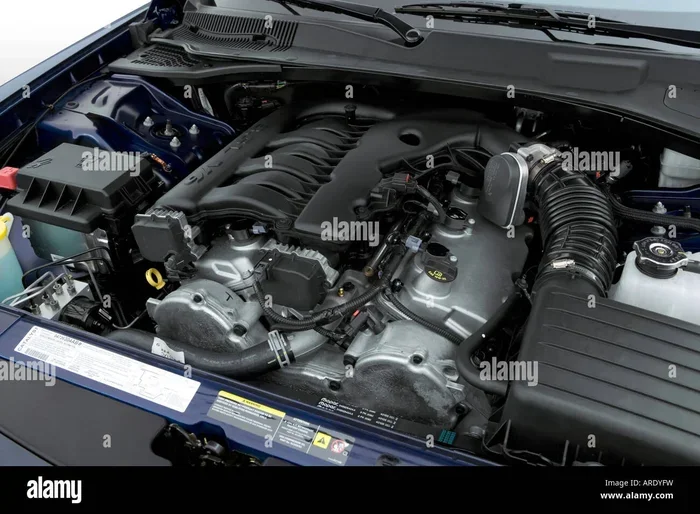
The easiest way is to check your owner manual or look up your specific model year and engine code. If your Charger was made from 2011 onward and has the 3.6L Pentastar engine, it uses 12 spark plugs. If your Charger is from 2006 to 2010 with a 2.7L or 3.5L V6, it uses 6 spark plugs. You can also visually inspect the engine. Twin-spark engines have two spark plug wires or coils per cylinder, while single-spark engines have one.
Are spark plug replacement intervals different for the 6-plug and 12-plug setups?
The replacement intervals are similar in terms of mileage, but the number of plugs changes the total cost and time. Replacing 12 plugs takes more time and costs more in parts than replacing 6 plugs. However, the recommended mileage intervals are comparable. Most manufacturers suggest replacing plugs every 30,000 to 60,000 miles regardless of whether your engine has 6 or 12 plugs. Always follow the schedule in your owner manual for the best results.
Final Thoughts
The V6 Dodge Charger is a fantastic car that combines style, performance, and practicality. Understanding your spark plug setup is a small but important part of being a responsible car owner. Whether your Charger has 6 plugs or 12 plugs, keeping them in good condition pays off in the long run.
Regular spark plug replacement keeps your engine running smoothly. It improves your fuel economy. It preserves your engine’s longevity. And it prevents those annoying symptoms like rough idling and misfires that nobody wants to deal with.
Now that you know exactly how many spark plugs your V6 Dodge Charger needs, you can take charge of your maintenance schedule with confidence. Whether you do the work yourself or trust a professional, staying on top of your spark plugs is one of the best investments you can make in your car. Keep your Charger firing on all cylinders, and it will reward you with years of reliable, enjoyable driving.