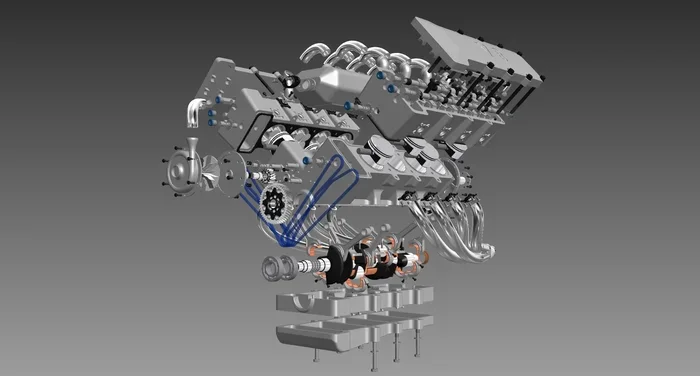
How Does a Car Engine Work Step by Step for Beginners
Understanding how a car engine works step by step helps you appreciate the amazing process that powers every drive. This guide breaks down the four-stroke combustion cycle, explains each engine part’s role, and gives beginners a clear picture of internal combustion in action. By the end, you will know exactly what happens under the hood every time you turn the key.
Have you ever wondered what happens inside your car the moment you turn the key? It is not magic. It is a carefully choreographed process that has been refined over more than a century of engineering. How does a car engine work step by step? Let us find out together.
Every time you start your car, a complex sequence of events unfolds in a matter of seconds. Fuel mixes with air, gets compressed, ignites, and pushes pistons that turn your wheels. This process repeats thousands of times every minute. It is called internal combustion, and it is the reason your car moves.
Whether you are a new driver, a curious car owner, or someone who just wants to understand their vehicle better, this guide is for you. We will walk through every stage of the engine cycle in plain, simple language. No jargon overload. No confusing diagrams. Just clear explanations that make the invisible process under your hood easy to understand.
Key Takeaways
- The four-stroke cycle (intake, compression, power, exhaust) is the heart of how every car engine works step by step.
- Pistons, spark plugs, and the crankshaft work together in perfect timing to create engine power.
- Fuel injection and air intake must be balanced for efficient combustion and smooth performance.
- Regular car maintenance keeps all engine parts working properly and prevents costly repairs.
- Understanding basic engine operation helps you spot warning signs early and communicate better with mechanics.
- The camshaft controls valve timing, which is essential for the engine cycle to run correctly.
- Engine troubleshooting becomes easier when you understand the core process of how your engine runs.
📑 Table of Contents
- The Basics of How a Car Engine Works
- Key Engine Parts and What They Do
- The Combustion Process Explained
- Why Engine Maintenance Matters
- Common Engine Problems and What They Mean
- How to Tell if Your Engine Is Healthy
- Electric vs Gasoline Engines: A Quick Comparison
- Quick Tips for Beginners
- Final Thoughts
The Basics of How a Car Engine Works
At its core, a car engine converts fuel into motion. This is called engine power. The process involves several engine parts working in harmony. Let us look at the big picture first.
Most cars use what is called a four-stroke engine. This means the engine goes through four distinct steps to complete one full cycle. Each step has a specific job. Together, they create the continuous power that keeps your car moving.
The Four-Stroke Engine Cycle
The four-stroke engine is the most common type found in modern cars. Each stroke is one full movement of the piston up or down inside the cylinder. Here are the four strokes:
- Intake Stroke — The piston moves down and pulls in a mix of air and fuel.
- Compression Stroke — The piston moves up and squeezes the air-fuel mixture tight.
- Power Stroke — The spark plug ignites the mixture, creating a small explosion that pushes the piston down.
- Exhaust Stroke — The piston moves up again and pushes the burned gases out through the exhaust system.
These four strokes happen in a fraction of a second. The engine repeats this cycle hundreds of times per minute at idle speed and thousands of times when you are driving fast. The crankshaft converts the up-and-down motion of the pistons into rotational energy that turns your wheels.
Key Engine Parts and What They Do
Now that you understand the four-stroke cycle, let us look at the main engine parts that make it all happen. Each part has a specific role in the combustion process.
The Cylinder and Piston
The cylinder is the chamber where the magic happens. Inside each cylinder sits a piston. The piston moves up and down during the four-stroke cycle. Most cars have between four and eight cylinders. More cylinders generally mean more engine power, but also more fuel use.
The Spark Plug
The spark plug creates the tiny electrical spark that ignites the compressed air-fuel mixture. Without a working spark plug, the engine cannot complete the power stroke. This is one of the most common reasons for engine troubleshooting in everyday driving.
The Crankshaft and Camshaft
The crankshaft connects to the pistons and converts their up-and-down motion into spinning rotation. The camshaft controls when the intake and exhaust valves open and close. Engine timing depends on both of these parts working together perfectly.
Fuel Injection and Air Intake
Modern engines use fuel injection to spray the exact amount of fuel needed into the cylinder. The air intake system draws in fresh air to mix with the fuel. Getting this balance right is critical for smooth operation and good fuel economy.
The Combustion Process Explained
The combustion process is where fuel energy becomes mechanical energy. Let us break it down step by step so it is easy to follow.
First, the air intake valve opens and the piston pulls a precise mixture of air and fuel into the cylinder. Next, the valve closes and the piston compresses the mixture. This compression makes the mixture much more volatile and powerful.
Then comes the moment of ignition. The spark plug fires, creating a controlled explosion. This explosion forces the piston downward with tremendous force. That downward force is what generates engine power. Finally, the exhaust valve opens and the piston pushes the spent gases out through the exhaust system.
This entire process repeats continuously while your engine is running. It is happening so fast that you never even notice. But every single drive depends on this cycle working flawlessly.
Why Engine Maintenance Matters
Understanding how a car engine works step by step also helps you see why regular car maintenance is so important. Every engine part wears over time. Spark plugs get old. Oil gets dirty. Filters get clogged. All of these affect the combustion process.
Here are some simple maintenance tips that keep your engine running strong:
- Change your oil regularly — Clean oil reduces friction and keeps engine parts lubricated.
- Replace spark plugs on schedule — Old spark plugs cause misfires and reduce engine power.
- Check your air filter — A clogged filter restricts airflow and hurts fuel efficiency.
- Listen for unusual sounds — Knocking or tapping noises can signal engine problems early.
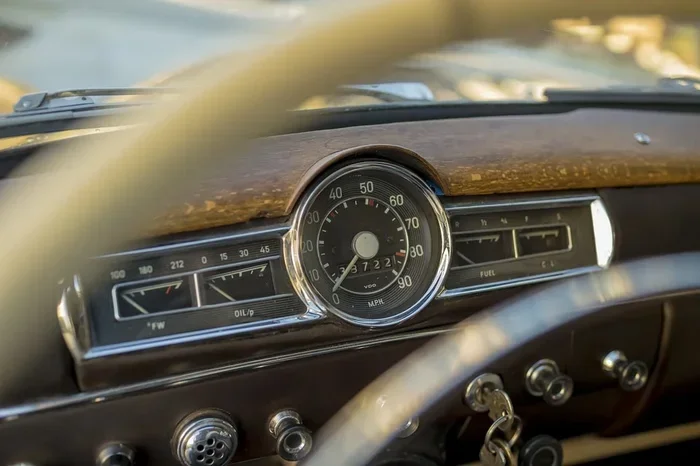
- Watch your dashboard warning lights — The check engine light is your first clue that something needs attention.
When you take care of your engine, it takes care of you. A well-maintained engine runs smoother, lasts longer, and saves you money on fuel and repairs. Many drivers ignore small warning signs until they become big expensive problems. Learning about your engine helps you avoid that trap.
Common Engine Problems and What They Mean
Even with good maintenance, engines can develop issues. Knowing the basics of the engine cycle helps you understand what might be wrong when something goes wrong.
For example, if your car cranks but won’t start, the problem could be with spark plugs, fuel delivery, or the ignition system. This guide on why your car cranks but won’t start walks through the most common causes in detail.
If your engine suddenly stops while driving and refuses to restart, it could be a fuel pump failure or an electrical issue. Check out this article on car stopped running while driving for helpful troubleshooting steps.
Sometimes your engine starts fine but then dies shortly after. This can point to a failing fuel injector or sensor problem. Learn more about why your car won’t start then starts later for more insight into this frustrating issue.
Another common problem is a complete loss of engine power. If your car has no power at all, it could be related to the combustion process, timing issues, or a blocked exhaust. This detailed breakdown of why your car has no power at all covers the most likely culprits.
Understanding these common problems helps you act faster and make smarter decisions about repairs. You do not need to be a mechanic to recognize when something sounds or feels off with your engine.
How to Tell if Your Engine Is Healthy
You do not need special tools to check if your engine is running well. Your senses are powerful diagnostic tools. Here are some simple things to watch and listen for:
- Smooth idle — A healthy engine runs steady and even when parked.
- Consistent acceleration — Your car should respond smoothly when you press the gas pedal.
- Normal exhaust color — Clear or slightly white exhaust is normal. Blue or black smoke signals trouble.
- Good fuel economy — A well-running engine uses fuel efficiently.
- No unusual smells — Burning smells or sweet odors can indicate engine problems.
- No warning lights — A clean dashboard means your engine systems are functioning properly.
Paying attention to these simple signs can catch problems before they become serious. Early detection saves money and keeps you safe on the road.
Electric vs Gasoline Engines: A Quick Comparison
The internal combustion engines described above run on gasoline or diesel. Electric vehicles use a completely different system. Electric motors get their power from batteries and have far fewer moving parts. There is no combustion process and no exhaust system.
Gasoline engines are more complex but also more familiar to most drivers. They require regular maintenance like oil changes and spark plug replacements. Electric engines are simpler and require less routine care. However, both types of engines need attention to stay in good working order.
If you are curious about electric engines, many of the principles still apply. Understanding how energy converts into motion is helpful whether your car runs on fuel or electricity.
Quick Tips for Beginners
Here are some fast, practical tips to remember:
- Read your owner’s manual — It contains the maintenance schedule and specs for your specific engine.
- Keep a log of repairs — Tracking what you do helps spot patterns and recurring issues.
- Do not ignore small sounds — A slight knock or tick can become a big problem fast.
- Use the right fuel — Check what octane level your engine needs and stick with it.
- Warm up your car gently — Give the engine a minute or two before driving hard in cold weather.
These small habits add up to a healthier engine and fewer surprises at the repair shop.
Final Thoughts
How does a car engine work step by step? Now you know. From the intake stroke to the exhaust stroke, every part of the engine cycle plays a vital role in creating the power that moves your car. The combustion process is a beautiful example of engineering working in perfect harmony.
Understanding your engine does not require a degree in mechanical engineering. It just takes curiosity and a willingness to learn. With the knowledge you have gained from this guide, you can better care for your vehicle, spot problems early, and talk with confidence to any mechanic you meet.
Your engine works hard every single day. A little knowledge goes a long way toward keeping it running strong for years to come. Take what you have learned here, apply it to your own car, and enjoy the confidence that comes with understanding what happens under your hood.
Frequently Asked Questions
What is the four-stroke engine cycle in simple terms?
The four-stroke cycle is the process every car engine goes through to create power. It involves intake (pulling in air and fuel), compression (squeezing the mixture), power (igniting it to push the piston), and exhaust (pushing out the burned gases). These four steps repeat continuously while the engine runs.
How many times does the engine cycle repeat per minute?
At idle speed, the engine cycle repeats about 600 to 1000 times per minute. When you are driving at highway speeds, it can repeat several thousand times per minute. This is why engine parts need to be strong and well-maintained to handle so much repeated action.
What causes a car engine to misfire?
A misfire usually happens when one of the cylinders fails to complete the combustion process correctly. Common causes include worn spark plugs, clogged fuel injectors, or a problem with the air intake. Misfires reduce engine power and should be addressed quickly to prevent further damage.
Do all car engines work the same way?
Most gasoline car engines use the same four-stroke process. However, the number of cylinders, engine size, and design can vary. Diesel engines also use four strokes but ignite fuel through compression rather than a spark plug. Electric engines work on a completely different principle.
How often should I change my engine oil?
Most manufacturers recommend changing oil every 5000 to 7500 miles for modern vehicles. However, this can vary based on your driving habits and the type of oil you use. Always check your owner’s manual for the specific recommendation for your car’s engine.
Can I drive my car if it is making a strange noise?
It depends on the noise. A slight ticking might not be urgent, but a loud knocking or grinding sound is a warning sign. Strange noises can indicate problems with the crankshaft, pistons, or other critical engine parts. It is best to get it checked by a professional as soon as possible.