How Do You Start a Dead Battery Without Jumper Cables
A dead car battery can leave you stranded, but you do not always need jumper cables to get back on the road. There are several simple and effective ways to start your vehicle when your dead battery has no charge. From push starting to using a portable jump starter, these emergency starting methods can save your day.
There is nothing worse than turning your key or pressing the start button and hearing nothing but silence. Your dead battery has left you stranded, and you do not have jumper cables in sight. Maybe you forgot the cables at home, or perhaps you are parked in a remote spot with no other car around. Whatever the reason, you need to know how to start your car without them.
The good news is that you have several options. You can push start a manual transmission car, use a portable jump starter, or even rely on a battery charger. Each method is simple, and you do not need to be a mechanic to try them. In this article, we will walk you through every emergency starting method that works when your car won’t start because of a dead battery.
We will also cover how to prevent this problem in the future and when it is time to replace your battery altogether. By the end, you will feel confident handling a dead battery situation like a pro.
Key Takeaways
- Push starting works for manual transmission cars: It is one of the oldest and most reliable ways to start a dead battery without cables.
- Portable jump starters are compact and powerful: They fit in your trunk and can start your car in seconds without another vehicle.
- A battery charger can slowly bring your battery back to life: This method is safe and great for batteries that just need a slow recharge.
- Regular maintenance prevents dead batteries: Checking your battery terminals and voltage can save you from unexpected breakdowns.
- Know when to replace your battery: If your battery is old or damaged, no starting trick will fix it permanently.
- Cold weather kills batteries faster: Understanding how temperature affects your battery helps you prepare for winter.
- Roadside assistance is always an option: When nothing else works, professional help can get your car running again.
📑 Table of Contents
Why Do Car Batteries Die?
Before we dive into the solutions, let us quickly talk about why batteries die in the first place. Understanding the cause helps you avoid the problem next time. A dead battery does not just happen randomly. There is always a reason behind it.
Common Causes of a Dead Battery
- Leaving lights or accessories on: This is the number one cause. A forgotten dome light or phone charger can drain your battery overnight.
- Old age: Most car batteries last three to five years. After that, they lose their ability to hold a charge.
- Cold weather: Low temperatures slow down the chemical reactions inside your battery. A cold weather battery struggles to deliver power when it is freezing outside.
- Corroded battery terminals: Dirt and buildup on your battery terminals create resistance and prevent proper electrical flow.
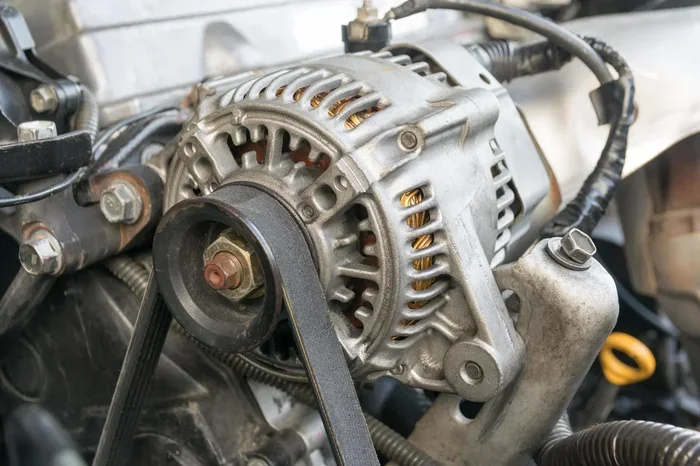
- A faulty alternator: Your alternator charges the battery while you drive. If it fails, your battery slowly loses power.
- Short trips: Frequent short drives do not give your battery enough time to fully recharge.
- Parasitic drain: Some car systems draw power even when the engine is off. Over time, this can kill a healthy battery.
Knowing these causes helps you troubleshoot. If your car cranks but won’t start, the problem might not be the battery at all. You can learn more about what causes this issue in our detailed guide on car cranks but won’t start causes. And if your car won’t start then starts later, that is often a sign of a weak battery or loose connection.
Methods to Start a Dead Battery Without Jumper Cables
Now let us get to the good stuff. Here are the most effective ways to start your car when you do not have jumper cables. Each method has its own strengths, so pick the one that fits your situation.
Method 1: Push Start (Bump Start)
The push start method, also called a bump start, is the oldest trick in the book. It works great for cars with a manual transmission. You need a few friends or a gentle slope to make this work.
Here is how it works. You turn the ignition to the “on” position, press the clutch pedal all the way down, and put the car in second gear. Then, you push the car forward until it reaches walking speed. Once you are moving, you quickly release the clutch. The engine turns over and fires up.
This method uses the momentum of the wheels to spin the engine. It does not need any electrical power from the battery at all. However, it only works on vehicles with a manual gearbox. If you drive an automatic, skip to the next method.
Method 2: Use a Portable Jump Starter
A portable jump starter is a small device that fits in your trunk or glove box. It acts like a mini battery pack that can start your car on its own. This is the most convenient option if you drive an automatic or do not have anyone around to help push your car.
Portable jump starters are affordable and rechargeable. You charge them every few months, and they are ready when you need them. Some models even include USB ports to charge your phone, which is a nice bonus when you are stranded.
To use one, you simply clamp the positive and negative cables to your battery terminals, turn on the device, and press the start button on your car. It is fast, clean, and does not require another vehicle. If you own a keyless car, you might be wondering if you can still use these methods. You can learn more about starting a keyless car without the key fob in our article on starting a keyless car without the key.
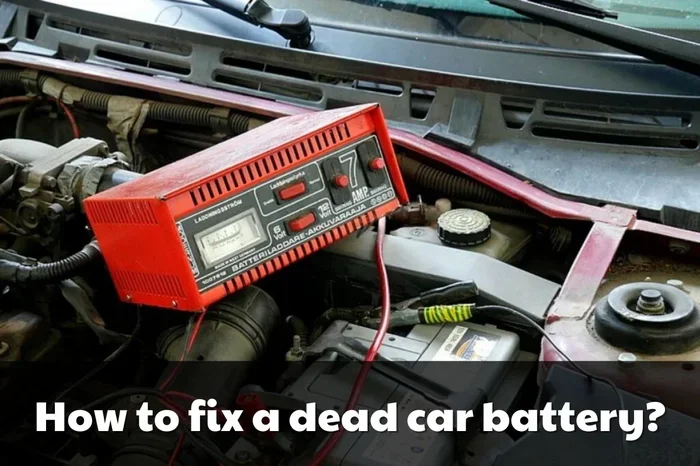
Method 3: Use a Battery Charger
If you have access to a wall outlet, a battery charger is a safe and slow way to bring your dead battery back to life. This method is perfect if you are parked at home, at work, or near a building with an electrical outlet.
You connect the charger to your battery terminals, set it to the correct voltage, and let it do its job. A full charge can take anywhere from four to twelve hours depending on how dead the battery is. The slow charging process is gentle on the battery and helps restore its full capacity.
The downside is that this method takes time. You cannot use it if you are in a rush. But it is excellent for batteries that have been sitting unused for a long time or have been drained by something as simple as a left-on radio.
Method 4: Call for Roadside Assistance
Sometimes the best solution is to call for help. If none of the above methods work, or if you do not feel comfortable trying them, roadside assistance is always a solid choice. Services like AAA or your insurance roadside package can send a professional to jump your battery or tow you to a nearby shop.
Many newer cars also come with built-in roadside assistance programs. Check your owner’s manual or contact your dealer to see what is included. This option costs a little money, but it gives you peace of mind and professional support.
Step-by-Step Guide to Push Starting Your Car
Push starting is the most hands-on method, and it works well when done correctly. Follow these steps carefully to avoid damage to your car or injury to yourself.
- Turn the ignition to “on”: This powers the car’s electrical systems without starting the engine.
- Press the clutch pedal all the way down: This disconnects the engine from the wheels, which protects your transmission.
- Put the car in second gear: Second gear is ideal for push starts. It provides enough resistance to turn the engine without being too harsh.
- Release the parking brake: Make sure the car can roll freely.
- Have someone push the car: Find a flat stretch of road or a gentle downhill slope. Push until you reach walking speed or faster.
- Release the clutch quickly: As the car rolls, let the clutch pedal go fast. The engine should turn over and start.
- Press the clutch again immediately: This prevents the car from lurching forward unexpectedly.
- Let the engine idle: Once started, let the car run for a few minutes to recharge the battery.
Remember, push starting only works on manual transmission vehicles. If you have an automatic, do not attempt this method. It can damage your transmission and is not safe.
How to Use a Portable Jump Starter
A portable jump starter is one of the best investments you can make for your car. It is small, lightweight, and incredibly useful. Here is how to use one step by step.
- Turn off all accessories: This includes the radio, lights, and air conditioning. It reduces the load on the battery.
- Place the jump starter on the ground: Keep it away from moving engine parts and hot surfaces.
- Connect the red clamp to the positive battery terminal: Look for the “+” symbol on your battery.
- Connect the black clamp to the negative battery terminal or a metal ground: Some devices recommend connecting to a bare metal part of the engine block instead of the negative terminal for safety.
- Turn on the jump starter: Most models have a power button or switch. Turn it on before attempting to start the car.
- Press the start button on your car: The jump starter will provide the power needed to turn over the engine.
- Disconnect the clamps in reverse order: Remove the black clamp first, then the red clamp.
- Let the car run for at least 15 minutes: This allows the alternator to recharge the battery partially.
Always refer to your jump starter’s manual for specific instructions. Different brands may have slightly different procedures.
Preventing a Dead Battery
The best way to deal with a dead battery is to never have one in the first place. Regular battery maintenance takes just a few minutes and can save you from a lot of frustration.
Regular Battery Maintenance Tips
- Check your battery voltage regularly: A healthy battery should read around 12.6 volts when the engine is off. Anything below 12.0 volts means it is time to recharge or replace the battery.
- Clean the battery terminals: Use a wire brush and a baking soda solution to remove corrosion from your battery terminals. Clean terminals ensure good electrical contact.
- Drive your car regularly: The alternator needs the engine running to charge the battery. If your car sits unused for weeks, the battery will slowly lose power.
- Turn off all lights and accessories before shutting off the engine: This simple habit prevents many dead battery situations.
- Inspect your battery case: Look for cracks, leaks, or swelling. A damaged battery case means the battery needs replacement.
- Keep your battery secured: Vibrations from driving can damage the internal plates of the battery. Make sure the battery hold-down clamp is tight.
Signs Your Battery Is Failing
Your car usually gives you warning signs before a battery completely dies. Watch for these red flags:
- Slow engine crank: When you turn the key, the engine cranks slowly or weakly. This is one of the first signs of a weak battery.
- Dashboard warning lights: A battery-shaped warning light on your dashboard means the electrical system has detected a problem.
- Dim headlights: If your headlights are dimmer than usual, especially when idling, your battery may be losing its charge.
- Clicking sound when turning the key: A rapid clicking noise usually means the battery has just enough power to engage the starter, but not enough to turn the engine over.
- Swollen battery case: Extreme heat or cold can cause the battery case to swell. A swollen battery is a failing battery.
If you notice any of these signs, get your battery tested at an auto parts store. Most stores offer free battery testing. And if your battery is more than three years old, consider replacing it before it leaves you stranded.
When to Replace Your Battery
No matter how well you maintain it, every battery eventually reaches the end of its life. Knowing when to replace it saves you from unexpected breakdowns and the hassle of calling for help.
Most experts recommend replacing your battery every three to five years. However, this depends on your driving habits, climate, and the quality of the battery. If you live in an area with extreme hot or cold temperatures, your battery may wear out faster.
Here are some signs that replacement is the right choice:
- Your battery is more than four years old and has been showing weakness.
- You need to jump start your car more than twice in a single week.
- The battery case is cracked, leaking, or swollen.
- Your alternator has been tested and is working fine, but the battery still will not hold a charge.
- You live in a very hot or very cold climate and your battery struggles seasonally.
When replacing your battery, make sure to choose the right size and type for your vehicle. Check your owner’s manual for the recommended specifications. A properly matched battery will last longer and perform better.
Final Thoughts
Dealing with a dead battery is frustrating, but it does not have to ruin your day. You now know several ways to start your car without jumper cables, from push starting to using a portable jump starter. Each method is practical and easy to learn.
The key is preparation. Keep a portable jump starter in your trunk, check your battery terminals regularly, and watch for warning signs of a failing battery. These simple steps can save you time, money, and a lot of stress.
And if nothing works, remember that roadside assistance is just a phone call away. You are never truly alone on the road. Stay prepared, stay safe, and keep your battery in top shape so you are always ready to go.
Frequently Asked Questions
Can you start a car with a dead battery using just a screwdriver?
No, using a screwdriver to bypass the ignition is not safe and can damage your car’s electrical system. It is also illegal in many places. Stick to the safe methods we covered, like push starting or using a portable jump starter, to get your car running again without jumper cables.
How long does it take to charge a dead battery with a charger?
A full charge typically takes between four and twelve hours, depending on the battery size and how dead it is. A slow charger is gentler on the battery and helps restore its full capacity. Always follow the charger instructions for best results.
Can a completely dead battery be recharged?
Yes, in most cases a completely dead battery can be recharged using a battery charger or by driving the car for 30 minutes or more. However, if the battery is old or damaged, it may not hold a charge even after recharging. In that case, replacement is the best option.
Is push starting bad for your car?
Push starting is safe for manual transmission cars when done correctly. It does not harm the engine or transmission. However, it only works on vehicles with a manual gearbox. Attempting to push start an automatic car can cause serious damage to the transmission.
What should I do if my battery dies in a remote area?
Stay calm and call for roadside assistance if you have a membership or insurance coverage. If you have a portable jump starter, use it to start your car. If neither option is available, stay with your vehicle and wait for help. Never try to walk for help in an unfamiliar or unsafe area.
How can I tell if my battery is dead or if the alternator is the problem?
If your lights and accessories work but the engine will not crank, the battery might be dead. If the engine cranks but will not start, the alternator could be the issue. A simple voltage test with a multimeter can help you tell the difference. A healthy battery reads 12.6 volts, while a dead one reads below 12.0 volts.