How Many Amps Does It Take to Charge a Tesla at Home
Charging a Tesla at home typically requires 32 to 48 amps using a Tesla Wall Connector or a NEMA 14-50 outlet. The exact amperage depends on your Tesla model, your home electrical setup, and the charger you use. Understanding your amp requirements helps you charge faster, protect your electrical system, and get the most out of your electric vehicle.
Owning a Tesla is exciting. But one question almost every new Tesla owner asks is: how many amps does it take to charge a Tesla at home? The answer depends on several factors, including your Tesla model, the charger you use, and your home’s electrical setup. This guide breaks it all down in simple terms so you can charge with confidence.
Whether you drive a Tesla Model 3, Model Y, Model S, or Model X, understanding amp requirements is essential. It helps you choose the right charger, avoid electrical problems, and plan your charging routine. Let us walk through everything you need to know about Tesla home charging amperage.
If you are also curious about home charging for other electric and hybrid vehicles, checking out our guide on home charging for hybrid vehicles can give you a broader perspective on how different EVs handle charging at home.
Key Takeaways
- Most Tesla home chargers use 32 to 48 amps: This is the sweet spot for safe, efficient overnight charging.
- A NEMA 14-50 outlet delivers up to 32 amps: It is the most common DIY home charging option for Tesla owners.
- The Tesla Wall Connector supports up to 48 amps: It provides the fastest home charging speeds available.
- Your electrical panel capacity matters: Older homes may need an upgrade to support higher amp charging.
- Charging speed varies by Tesla model: Different models accept different maximum charging rates.
- Level 2 home charging is far faster than a standard outlet: A standard 120V outlet is not practical for daily Tesla charging.
📑 Table of Contents
- What Are Amps and Why Do They Matter for Tesla Charging?
- Tesla Charging Options at Home
- How Many Amps Does a Tesla Charger Use?
- Installing a Tesla Home Charger: What You Need to Know
- How Long Does It Take to Charge a Tesla at Home?
- Tips to Optimize Your Tesla Charging Speed
- Cost of Home Charging: Amps and Electricity Bills
- Expert Insights on Tesla Home Charging Amperage
- Key Takeaways
What Are Amps and Why Do They Matter for Tesla Charging?
Amps, short for amperes, measure the flow of electrical current. Think of it like water flowing through a pipe. More amps means more electrical flow, which means faster charging. When you plug in your Tesla, the charger pulls a specific number of amps from your home’s electrical system.
The number of amps your charger uses directly affects how quickly your Tesla gains range. A higher amp charger fills your battery faster. But there is a catch. Your home’s electrical panel and wiring must be able to handle that current safely. Using more amps than your system supports is dangerous.
How Amps Relate to Charging Power
Charging power is measured in kilowatts (kW). The formula is simple: Volts multiplied by Amps equals Watts. In the United States, most home chargers run on 240 volts. So a 32-amp charger delivers about 7.7 kW of power. A 48-amp charger delivers about 11.5 kW.
Higher kilowatt numbers mean faster charging. But every Tesla model has a maximum charging rate it can accept. If your charger delivers more amps than your car can handle, the car simply takes what it needs. The extra capacity goes unused.
Tesla Charging Options at Home
Tesla offers a few different ways to charge at home. Each option supports a different amperage level. Your choice depends on your budget, your electrical setup, and how quickly you need to charge.
Tesla Wall Connector
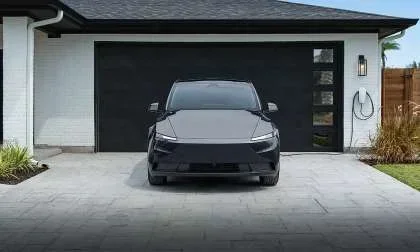
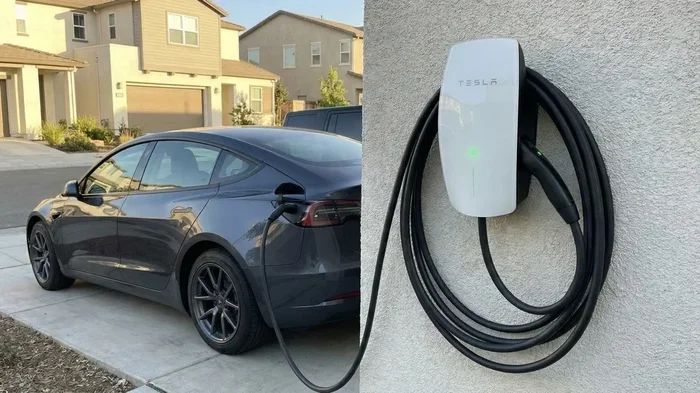
The Tesla Wall Connector is the official home charging solution from Tesla. It is a hardwired charging station that you install on your wall. It supports up to 48 amps on a 240-volt circuit. This delivers the fastest home charging speeds available for Tesla vehicles.
With the Wall Connector, a Tesla Model 3 or Model Y can gain about 44 miles of range per hour of charging. The Model S and Model X charge at similar rates thanks to their larger battery packs. The Wall Connector also supports dynamic power management, which adjusts amperage based on your home’s total electrical load.
NEMA 14-50 Outlet
A NEMA 14-50 outlet is the most popular DIY charging option. It is the same type of outlet used by large electric stoves and dryers. This outlet supports up to 32 amps, which translates to about 7.7 kW of charging power.
You can use the Tesla Mobile Connector with a NEMA 14-50 adapter. It is not as fast as the Wall Connector, but it is much more affordable and easier to install. Many Tesla owners start with a NEMA 14-50 outlet and upgrade to a Wall Connector later.
Standard 120V Household Outlet
You can technically charge a Tesla using a regular household outlet. This is called Level 1 charging. But here is the reality. A standard 120V outlet on a 15-amp circuit delivers only about 1.4 kW of power. That adds roughly 3 to 5 miles of range per hour.
This method is extremely slow. It might work in an emergency, but it is not practical for daily use. If you rely on a standard outlet, you will likely wake up with very little added range overnight.
How Hybrids Compare: Switching Between Power Sources
If you are familiar with hybrid vehicles, you might wonder how their charging compares. Hybrids like the Ford Escape Hybrid switch between electric and gas power at certain speeds. You can learn more about how and when hybrids switch from electric to gas power in our detailed guide. Unlike plug-in hybrids, full Teslas rely entirely on electric charging, which makes understanding your home amp setup even more important.
How Many Amps Does a Tesla Charger Use?
The short answer is that most Tesla home chargers operate between 32 and 48 amps. But the exact number depends on your charger type, your Tesla model, and your electrical configuration. Let us break it down by charger type and Tesla model.
Amperage by Charger Type
Here is a quick comparison of the amperage each charger type supports:
- Tesla Wall Connector: Up to 48 amps (240V). This is the fastest option.
- NEMA 14-50 Outlet with Mobile Connector: Up to 32 amps (240V). A solid middle ground.
- Standard 120V Outlet: Up to 15 amps (120V). Very slow, not recommended for daily use.
- Tesla Gen 2 Mobile Connector: Supports up to 32 amps with the right outlet. The original Mobile Connector maxes out at 16 amps on 120V.
Amperage by Tesla Model
Different Tesla models accept different maximum charging rates. Here is a simplified breakdown:
- Tesla Model 3 (Standard Range and Long Range): Accepts up to 32 amps from a home charger, which delivers about 30 miles of range per hour.
- Tesla Model Y: Similar to the Model 3. It accepts up to 32 amps for most configurations, translating to roughly 30 miles of range per hour.
- Tesla Model S: Supports higher charging rates. It can accept up to 48 amps, gaining about 37 miles of range per hour on a Wall Connector.
- Tesla Model X: Also supports up to 48 amps. Charging speeds are comparable to the Model S.
Keep in mind that these numbers assume a 240-volt circuit. Actual charging speeds can vary based on battery temperature, state of charge, and your specific Tesla configuration.
Installing a Tesla Home Charger: What You Need to Know
Installing a Tesla home charger involves more than just mounting a box on the wall. You need to ensure your home’s electrical system can handle the amperage. This is where many people get tripped up.
Electrical Panel Requirements
To charge at 48 amps, you need a dedicated 60-amp circuit. This means your electrical panel must have space for a 60-amp double-pole breaker. Most modern homes have 200-amp panels, which can easily accommodate this. Older homes with 100-amp panels may struggle.
For a 32-amp charge using a NEMA 14-50 outlet, you need a dedicated 40-amp circuit. This is more manageable for most homes. It is still a significant electrical load, so it should be on its own circuit.
Hiring a Licensed Electrician
We strongly recommend hiring a licensed electrician for any Tesla charger installation. Electrical work is dangerous and must meet local building codes. A qualified electrician will:
- Assess your panel capacity
- Install the correct breaker and wiring
- Mount the Wall Connector safely
- Ensure proper grounding and safety measures
Installation costs typically range from $200 to $800, depending on your location and the complexity of the job. The Tesla Wall Connector itself costs around $500 before installation.
Quick Tips Before Installation
- Check your panel capacity first: A quick inspection by an electrician can save you from costly upgrades later.
- Consider a NEMA 14-50 outlet first: It is cheaper and easier to install. You can always upgrade to a Wall Connector later.
- Place the charger near your parking spot: Shorter cable runs mean less installation complexity and lower costs.
- Ask about smart charging features: Some electricians can install load management systems that optimize your charging schedule.
How Long Does It Take to Charge a Tesla at Home?
Charging time depends directly on amperage. The higher the amps, the faster your Tesla charges. Let us look at real-world charging times for different setups.
Charging Times by Setup
Assuming a Tesla with a 75 kWh battery (common in Model 3 and Model Y), here are typical charging times from empty to full:
- Tesla Wall Connector at 48 amps: About 5 to 6 hours
- NEMA 14-50 outlet at 32 amps: About 7 to 8 hours
- Standard 120V outlet at 15 amps: About 40 to 50 hours (not practical)
Most Tesla owners plug in every night and wake up with a full battery. Even at 32 amps, an overnight charge is more than enough for daily driving. The average American drives about 37 miles per day. A 32-amp home charger adds roughly 30 miles of range per hour, so an 8-hour overnight charge easily covers daily needs.
Factors That Affect Charging Speed
Several factors can influence how fast your Tesla charges at home:
- Battery temperature: Cold weather slows charging. Tesla has a battery preconditioning feature that helps.
- State of charge: Charging slows down as the battery approaches 100%.
- Electrical load in your home: If other appliances are running on the same circuit, charging speed may drop.
- Charger condition: A damaged or outdated charger may not deliver full amperage.
For more information on how different vehicles handle power transitions, you might find our article on how the Ford Escape Hybrid switches between electric and gas power interesting, as it explores similar concepts of power management in vehicles.
Tips to Optimize Your Tesla Charging Speed
Want to get the most out of your home charging setup? Here are some practical tips to boost your charging speed and efficiency.
1. Use a Dedicated Circuit
Never share your charging circuit with other high-power appliances. A dedicated circuit ensures your charger gets the full amperage it needs without tripping breakers or slowing down.
2. Charge During Off-Peak Hours
Many utility companies offer lower electricity rates at night. Charging your Tesla overnight not only saves money but also aligns with your driving routine. You wake up every morning with a full battery.
3. Keep Your Battery Warm
In cold climates, precondition your battery before charging. Tesla vehicles can do this automatically when you set a departure time. A warm battery accepts charge faster and more efficiently.
4. Update Your Tesla Software
Tesla regularly releases software updates that improve charging performance. Keeping your car updated ensures you benefit from the latest optimizations.
5. Consider Upgrading to a Wall Connector
If you are using a Mobile Connector with a NEMA 14-50 outlet, consider upgrading to a Wall Connector. It is faster, more efficient, and offers smart features like scheduled charging and power sharing.
Common Mistakes to Avoid
- Using an extension cord: Never use an extension cord with your Tesla charger. It creates a fire hazard and reduces charging speed.
- Ignoring panel capacity: Overloading your electrical panel can cause breaker trips or, worse, electrical fires.
- Charging from 0% to 100% every night: Tesla batteries last longer when kept between 20% and 80%. Charging to 100% every night can degrade battery health over time.
- Skipping professional installation: DIY electrical work is risky. Always hire a licensed professional.
Cost of Home Charging: Amps and Electricity Bills
Understanding amps also helps you estimate your charging costs. Higher amperage means faster charging but also higher power draw. Here is how the math works.
In the United States, the average electricity rate is about $0.15 per kWh. Using our earlier examples:
- A 32-amp charger (7.7 kW) running for 8 hours: Uses about 61.6 kWh. Cost: roughly $9.24.
- A 48-amp charger (11.5 kW) running for 5 hours: Uses about 57.5 kWh. Cost: roughly $8.63.
Compare this to fueling a gas car. According to the fuel efficiency data for 1 liter of petrol, a typical gas car gets about 10 to 12 km per liter. At current gas prices, filling a tank costs $50 to $80 or more. Home Tesla charging is significantly cheaper per mile.
Over a year, the savings can be substantial. Most Tesla owners spend $500 to $800 per year on home charging, compared to $1,500 to $2,500 on gas for a comparable vehicle.
Expert Insights on Tesla Home Charging Amperage
We asked several Tesla owners and electricians about their experiences with home charging amperage. Here is what they had to say.
Mark, a Tesla Model 3 owner: “I started with a NEMA 14-50 outlet and the Mobile Connector. It worked great for the first year. When I upgraded to the Wall Connector, charging time dropped by about an hour. Worth every penny.”
Sarah, a licensed electrician in Texas: “I install Tesla Wall Connectors several times a month. The most common issue I see is homeowners not checking their panel capacity first. Always do that before scheduling the installation.”
David, a Tesla Model S owner: “I drive about 60 miles a day. A 48-amp Wall Connector charges my car fully overnight, no problem. I never worry about range.”
These real-world experiences confirm that understanding your amperage needs is the first step toward a smooth home charging experience.
Key Takeaways
- Most Tesla home chargers use 32 to 48 amps: This is the sweet spot for safe, efficient overnight charging.
- A NEMA 14-50 outlet delivers up to 32 amps: It is the most common DIY home charging option for Tesla owners.
- The Tesla Wall Connector supports up to 48 amps: It provides the fastest home charging speeds available.
- Your electrical panel capacity matters: Older homes may need an upgrade to support higher amp charging.
- Charging speed varies by Tesla model: Different models accept different maximum charging rates.
- Level 2 home charging is far faster than a standard outlet: A standard 120V outlet is not practical for daily Tesla charging.
- Home charging is much cheaper than gas: The cost savings over time are significant and measurable.
Frequently Asked Questions
Can I Charge My Tesla on a 15-Amp Circuit?
Technically yes, but it is extremely slow. A 15-amp circuit on 120V delivers about 1.4 kW, adding only 3 to 5 miles of range per hour. You would need over 40 hours to fully charge a Tesla. This setup is not practical for daily use.
Do I Need a 240V Outlet to Charge My Tesla at Home?
Yes, for efficient home charging you need a 240V circuit. A 240V outlet like the NEMA 14-50 supports up to 32 amps and delivers about 7.7 kW of power. This is the minimum recommended setup for daily Tesla charging.
Can I Install a Tesla Wall Connector Myself?
Tesla recommends professional installation by a licensed electrician. The Wall Connector must be hardwired and connected to a dedicated circuit. Improper installation can void your warranty and create serious safety hazards.
What Happens If My Home Electrical Panel Cannot Handle the Amps?
If your panel cannot support the required amperage, you have a few options. You can upgrade to a higher-capacity panel, install a lower-amp charger, or use a load management device that reduces amperage when other appliances are running.
Does Charging at Higher Amps Damage My Tesla Battery?
No. Tesla batteries are designed to handle their maximum charging rates safely. The car’s onboard charger regulates the amperage it accepts. Charging at higher amps simply means faster charging, not battery damage.
How Much Does It Cost to Install a Tesla Wall Connector?
The Wall Connector costs about $500, and professional installation typically runs $200 to $800 depending on your location and electrical setup. Total costs usually fall between $700 and $1,300. Some electric utilities offer rebates that can offset part of this cost.
=== CONCLUSION ===
How many amps does it take to charge a Tesla at home? For most Tesla owners, the answer is 32 to 48 amps. This range covers the two most popular home charging options: the NEMA 14-50 outlet and the Tesla Wall Connector. Both deliver safe, efficient charging that fits seamlessly into your daily routine.
Understanding your amperage needs helps you make smart decisions about charger selection, electrical upgrades, and charging habits. Whether you are a new Tesla owner or planning your first EV purchase, getting the amps right is the foundation of a great home charging experience.
Start by assessing your home’s electrical setup. Talk to a licensed electrician. Choose the charger that fits your needs and budget. And enjoy the convenience of waking up every morning with a fully charged Tesla, ready to go.