How Much Can a Kia Sorento Tow and What You Need to Know
The Kia Sorento towing capacity ranges from about 3,500 to 5,000 pounds depending on the model year and engine type. Towing with your Sorento requires the right hitch, brakes, and safety gear. This guide covers everything from towing limits to fuel economy and legal requirements so you can tow safely and confidently.
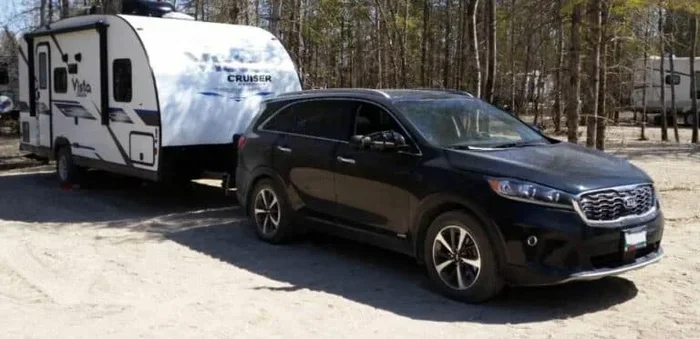
The Kia Sorento is one of the most popular SUVs on the road today. Families love it for the spacious cabin, strong safety ratings, and reliable performance. But if you plan to haul a trailer, boat, or camper, you need to know the Kia Sorento towing capacity before you hit the road.
Towing is not just about hooking up and driving. There are weight limits, hitch requirements, braking systems, and even fuel economy changes to consider. In this guide, we break down everything you need to know about towing with your Sorento. Whether you are pulling a small utility trailer or a large travel trailer, this article has you covered.
We will look at the different engine options, towing specs by model year, and practical tips to keep you safe. You will also learn about towing regulations, fuel costs, and common mistakes to avoid. Let us get into it.
Key Takeaways
- Towing Capacity Varies: The Kia Sorento can tow between 3,500 and 5,000 pounds depending on the trim and engine.
- Engine Matters: The V6 engine offers the highest towing capacity compared to the 4-cylinder options.
- Towing Package Is Key: Adding a towing package gives you the right hitch, wiring, and cooling upgrades.
- Safety First: Proper brakes, mirrors, and load distribution are essential for safe towing.
- Fuel Economy Drops: Towing reduces your Sorento’s fuel efficiency, so plan your trips accordingly.
- Check Local Laws: Towing regulations vary by state and country, so always verify before you go.
📑 Table of Contents
Understanding Kia Sorento Towing Capacity
The towing capacity of a Kia Sorento depends on several factors. These include the engine type, drivetrain, and whether you have the towing package installed. The numbers have changed across different model years, so it is important to check your specific vehicle.
Towing Capacity by Engine Type
The Sorento comes with different engine options, and each one has a different towing limit. Here is a general breakdown:
- 2.5L 4-Cylinder Engine: This engine is found in base and mid-level trims. It typically offers a towing capacity of around 3,500 pounds.
- 2.5L Turbo 4-Cylinder Engine: Found in higher trims, this engine bumps up the towing capacity to around 5,000 pounds.
- 3.5L V6 Engine (older models): The V6 version in older Sorentos could tow up to 5,000 pounds as well.
- Hybrid Models: The Sorento Hybrid offers decent towing capacity, usually around 3,500 to 4,000 pounds. Hybrid powertrains behave differently under load, so keep that in mind.
The numbers above are approximate and can vary. Always check your owner’s manual or the sticker on the driver’s door jamb for the exact towing capacity of your specific vehicle.
What Affects Towing Capacity?
Several factors influence how much your Sorento can safely tow. Understanding these helps you stay within safe limits.
- Engine Power: More horsepower and torque mean a higher towing limit.
- Drivetrain: All-wheel drive (AWD) models may have slightly different towing ratings than front-wheel drive (FWD) models.
- Transmission: The type of transmission affects how the vehicle handles heavy loads.
- Towing Package: Vehicles with a factory towing package are rated for higher loads because they include upgraded cooling, wiring, and hitch hardware.
- Payload: The weight of passengers and cargo inside the vehicle reduces the amount you can tow safely.
Think of it this way. Your vehicle has a total weight budget. That budget covers the car itself, the people inside, the cargo in the trunk, and the trailer you are pulling. If you fill up the car with heavy gear and four adults, your towing capacity goes down.
What You Need to Tow Safely
Towing safely is about more than just knowing your maximum towing weight. You need the right equipment and a good understanding of how your vehicle handles under load.
Choosing the Right Hitch
The hitch is the connection point between your Sorento and the trailer. There are different classes of hitches, and each one is rated for a specific weight range.
- Class II Hitch: Rated for up to 3,500 pounds of towing and 300 pounds of tongue weight. This is the most common hitch for the base Sorento.
- Class III Hitch: Rated for up to 5,000 pounds of towing and 500 pounds of tongue weight. This is what you need for the higher towing capacity models.
Make sure your hitch is installed correctly. A poorly installed hitch can come loose on the road, which is extremely dangerous. If you are not confident about installation, have a professional do it for you.
Towing Brakes and Lighting
If your trailer weighs over a certain amount, it may need its own braking system. Most states require separate trailer brakes for trailers over 1,500 to 2,000 pounds. These brakes sync with your Sorento’s braking system so both the vehicle and the trailer stop together.
You also need proper lighting on your trailer. Breakaway lights, turn signals, and brake lights on the trailer are often required by law. Wiring kits connect your Sorento’s electrical system to the trailer lights, and a towing package usually includes everything you need.
Towing Mirrors
Standard side mirrors may not give you a clear view of the trailer behind you. Extended towing mirrors or clip-on mirror extensions solve this problem. Good visibility is essential for safe lane changes and turns when you are towing.
Fuel Economy and Towing
Towing puts a significant strain on your engine, and that affects your fuel economy. When you pull a heavy trailer, your Sorento uses more gas than it would without a load.
For reference, the Sorento gets around 24 to 26 miles per gallon on the highway when not towing. When you add a trailer, that number can drop by 2 to 4 mpg depending on the weight. If you are planning a long trip, this is something to factor into your budget.
Some drivers find that carrying extra fuel in a secondary tank helps with long towing trips. However, you should never exceed your vehicle’s payload capacity by adding too much extra fuel or cargo. Fuel efficiency while towing depends on speed, load weight, and road conditions.
Here are a few quick tips to improve fuel economy when towing:
- Keep your speed steady and avoid rapid acceleration.
- Use cruise control on flat highways when safe to do so.
- Keep your tires properly inflated, including the trailer tires.
- Remove unnecessary weight from both the vehicle and the trailer.
- Check your air filters and oil before a long towing trip.
Towing Regulations and Legal Requirements
Every state and country has its own rules about towing. These laws cover weight limits, speed limits, equipment requirements, and more. Ignorance of the law is not an excuse, so it is worth doing your homework before you tow.
Common Towing Regulations
- Maximum Towing Weight: Some states have limits on how much weight a vehicle can tow on public roads.
- Speed Limits: Certain states impose lower speed limits for vehicles towing trailers, especially on highways.
- Breakaway Brake Requirements: Many jurisdictions require trailers to have a breakaway braking system that activates if the trailer separates from the tow vehicle.
- Width and Length Restrictions: Trailers that are too wide or too long may require special permits.
Before your trip, check the towing laws for every state or province you will be driving through. Rules can change at state lines, and what is legal in one place may not be legal in another.
Common Towing Mistakes to Avoid
Even experienced drivers make towing mistakes. Here are some common errors that can lead to accidents or damage to your vehicle.
- Exceeding the Towing Limit: This is the most dangerous mistake. Overloading your trailer puts stress on the engine, brakes, and transmission.
- Ignoring Tongue Weight: The tongue weight is the downward force the trailer puts on the hitch. Too much or too little tongue weight causes handling problems.
- Not Distributing Load Properly: A trailer with uneven weight distribution can sway dangerously on the highway.
- Skipping the Breakaway System: If your trailer separates from the vehicle, a breakaway brake system is your last line of defense.
- Neglecting Maintenance: Towing wears out your vehicle faster. Regular oil changes, brake checks, and tire inspections are even more important when you tow frequently.
One thing many people overlook is the impact of towing on their vehicle’s resale value. If you plan to sell your Sorento later, a well-documented maintenance history that includes towing care will help you get a better price.
Expert Tips for Towing with Your Sorento
Here are some practical tips from experienced towing enthusiasts that make a real difference on the road.
Do a Pre-Trip Inspection
Before every towing trip, walk around your vehicle and trailer. Check the hitch connection, safety chains, tire pressure, and all lighting. This simple habit takes about five minutes and can prevent serious problems on the road.
Practice Driving with a Trailer
If you are new to towing, practice in an empty parking lot before you hit the open road. Towing changes how your vehicle handles. Turns take wider arcs, braking distances increase, and wind gusts affect you more than usual.
Plan Your Route
Not all roads are towing-friendly. Some highways have steep grades, sharp curves, or low bridges. Plan your route with towing in mind. Use GPS apps that allow you to set vehicle height and weight so you avoid obstacles.
Keep a Safe Following Distance
A loaded trailer increases your stopping distance significantly. Leave plenty of space between you and the vehicle ahead. A good rule of thumb is to double your normal following distance when towing.
Remember, towing is not just about getting from point A to point B. It is about doing so safely and without damaging your vehicle. The Kia Sorento is a capable tow vehicle when used correctly, and following these tips will help you get the most out of it.
Frequently Asked Questions About Kia Sorento Towing
Here are answers to some of the most common questions people have about towing with a Kia Sorento.
Can a Kia Sorento Tow a Travel Trailer?
Yes, a Kia Sorento can tow a travel trailer within its rated capacity. The exact trailer weight you can tow depends on your specific model year and engine. Most Sorentos can handle small to mid-size travel trailers weighing up to 5,000 pounds. Always check your vehicle’s towing capacity and make sure your trailer is within that limit.
Do I Need a Special License to Tow with a Sorento?
In most cases, a standard driver’s license is sufficient for towing within the Sorento’s rated capacity. However, if you are towing a very heavy trailer that exceeds certain weight thresholds, some states or countries may require a special endorsement or license. Check your local Department of Motor Vehicles regulations before towing.
How Does Towing Affect My Sorento’s Warranty?
Towing within the manufacturer’s recommended limits should not void your warranty. However, if towing causes damage that exceeds the rated capacity, the manufacturer may deny the claim. Always follow the guidelines in your owner’s manual and keep records of your towing activities.
What Is Tongue Weight and Why Does It Matter?
Tongue weight is the downward force the trailer exerts on the hitch ball. It typically should be about 10 to 15 percent of the total trailer weight. Proper tongue weight ensures stable handling. Too little tongue weight can cause the trailer to sway, while too much can make the front of your Sorento feel light and unresponsive.
Can I Tow with a Sorento Hybrid?
Yes, the Sorento Hybrid can tow, but its capacity is generally lower than the gas-powered versions. The hybrid system adds weight to the vehicle, which slightly reduces the towing limit. Always check the specific towing rating for the hybrid model year you own.
What Is the Best Hitch for a Kia Sorento?
The best hitch depends on your towing needs. For lighter loads up to 3,500 pounds, a Class II hitch works well. For heavier loads up to 5,000 pounds, a Class III hitch is recommended. Always have your hitch installed by a certified professional to ensure safety and proper fit.
Conclusion
The Kia Sorento is a versatile SUV that handles towing duties well. With a towing capacity ranging from 3,500 to 5,000 pounds, it can handle everything from small utility trailers to mid-size travel trailers. The key is knowing your specific vehicle’s limits and following all safety guidelines.
Always use the right hitch, ensure your trailer has proper brakes and lighting, and keep your load balanced. Pay attention to fuel economy changes when towing, and familiarize yourself with local towing regulations. These steps will keep you safe and protect your investment.
Towing does not have to be stressful. With the right preparation and knowledge, your Kia Sorento can handle the job with confidence. Now that you know what your vehicle can do, you are ready to plan your next towing adventure safely and responsibly.