Is Diesel Better Than Gas Heres What You Need To Know
Is diesel better than gas? The answer depends on what you need your vehicle for. Diesel engines deliver more torque, better fuel economy, and superior towing power, but they also come with higher upfront costs and pricier maintenance. Whether you are hauling heavy loads or just commuting to work, this guide breaks down everything you need to know to make the right choice.
Key Takeaways
- Diesel engines offer better fuel economy: They can go 20-30% farther on a gallon of fuel compared to gasoline engines.
- Diesel wins for towing and hauling: The higher torque output makes diesel engines ideal for heavy-duty tasks.
- Upfront costs are higher for diesel: You will pay more to buy a diesel vehicle and more for diesel fuel at the pump.
- Maintenance can be pricier: Diesel engines have complex emissions systems and higher repair costs.
- Diesel engines last longer: With proper care, a diesel engine can easily surpass 300,000 miles.
- Emissions differ between the two: Diesel produces more nitrogen oxide but less carbon dioxide than gasoline.
- Your driving habits matter most: The best fuel type depends on how, where, and why you drive.
📑 Table of Contents
Is Diesel Better Than Gas? Heres What You Need to Know
Every time you shop for a new truck or SUV, you face the same big question. Is diesel better than gas? It is a debate that has been going on for decades. Car buyers, truck fans, and everyday drivers all have strong opinions. Some swear by the rumble of a diesel engine. Others think gasoline is the only way to go.
The truth is, neither fuel type is perfect. Each one has real strengths and real weaknesses. Diesel engines shine when it comes to fuel economy and towing power. Gasoline engines are often cheaper to buy and easier to maintain. Your best choice depends on your needs, your budget, and how you use your vehicle every day.
In this article, we will break down everything you need to know. We will compare costs, performance, maintenance, and emissions side by side. By the end, you will have a clear answer to the diesel vs gas question for your own situation. Let us dive in.
How Diesel and Gas Engines Work
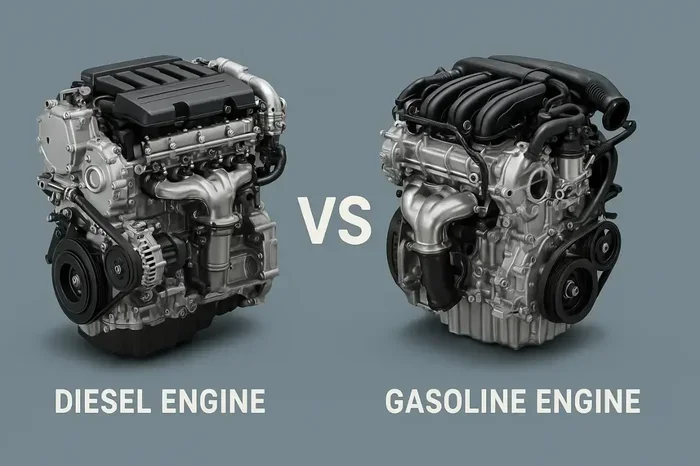
Before we compare the two fuels, it helps to understand how each engine type works. The basic idea is the same. Both engines turn fuel into motion. But the way they do it is quite different.
How Gasoline Engines Ignite Fuel
A gasoline engine uses what is called a spark ignition system. Here is how it works in simple terms.
- Air and fuel mix together in the combustion chamber.
- A spark plug creates a small spark.
- The spark ignites the mixture.
- The explosion pushes a piston down.
- This motion turns the wheels.
Gasoline engines run at higher RPMs. They rev up quickly and feel responsive. This is why most daily drivers and sporty cars use gasoline. The spark ignition process is simple and reliable. It has been refined over more than a century of development.
How Diesel Engines Ignite Fuel
A diesel engine works very differently. It does not use spark plugs at all. Instead, it relies on compression ignition. Here is the process.
- Air gets squeezed into a very small space.
- The compression makes the air extremely hot.
- Fuel is sprayed into the hot air.
- The heat alone ignites the fuel.
- The explosion pushes the piston down.
This compression process is what gives diesel engines their famous torque. Diesel engines also run at lower RPMs. They produce more power at lower speeds. This makes them excellent for heavy-duty work. The compression ignition method is also more efficient, which leads to better fuel economy.
Diesel vs Gas: Cost and Fuel Economy
For most people, the fuel economy comparison is the first thing they look at. And diesel has a clear edge here. But the full cost picture is more complicated than you might think.
Fuel Economy Comparison
Diesel engines are simply more efficient. They extract more energy from each drop of fuel. Here is a quick look at what you can expect.
- Diesel fuel economy: Typically 20 to 30 percent better than gasoline.
- Gasoline fuel economy: Good for light-duty driving but less efficient overall.
- Real-world example: A diesel truck might get 30 mpg on the highway. A gas version of the same truck might get 22 mpg.
Over time, those extra miles per gallon add up. If you drive a lot of miles each year, diesel can save you real money at the pump. But you also need to consider the cost of diesel fuel itself.
Fuel Price Differences
Diesel fuel often costs more than regular gasoline. The price difference varies by region and season. In some areas, diesel is only a few cents more per gallon. In others, it can be 50 cents or more higher.
Here is a simple way to think about it.
- Diesel fuel is denser than gasoline. It contains more energy per gallon.
- Even if diesel costs more per gallon, you may use less of it.
- The savings depend on how much you drive and the price gap in your area.
If you do a lot of highway driving, the fuel economy advantage of diesel often outweighs the higher fuel price. For short city trips, the math is less clear.
Purchase Price Differences
One thing that surprises many buyers is the upfront cost. Diesel vehicles almost always cost more than their gasoline counterparts. A diesel truck might have a price tag that is $5,000 to $10,000 higher than the gas version.
You need to do the math carefully. Ask yourself this question. How long will I keep this vehicle? If you plan to drive it for many years or put lots of miles on it, the diesel fuel economy savings can help you recoup that higher purchase price. If you trade in your car every few years, gasoline might make more financial sense.
| Cost Factor | Diesel | Gasoline |
|---|---|---|
| Higher Purchase Price | Yes ($5,000-$10,000 more) | No |
| Fuel Cost Per Gallon | Usually higher | Usually lower |
| Miles Per Gallon | 20-30% better | Standard |
| Annual Fuel Savings | Higher for high-mileage drivers | Lower overall |
| Break-Even Point | 3-5 years for heavy drivers | N/A |
Towing and Performance Comparison
If you need to pull a trailer, boat, or heavy load, the diesel vs gas debate shifts quickly. Towing performance is where diesel really stands out.
Torque: The Diesel Advantage
Torque is the twisting force that moves your vehicle. It is what gives you pulling power. Diesel engines produce significantly more torque than gasoline engines of the same size.
- A diesel V8 might produce over 1,000 lb-ft of torque.
- A gas V8 of similar size might produce around 650 lb-ft.
- More torque means easier towing and better acceleration under load.
This is why diesel trucks are the go-to choice for contractors, ranchers, and anyone who hauls heavy equipment regularly. The low-end torque makes pulling heavy loads feel effortless.
Horsepower and Driving Feel
Gasoline engines often have an edge in raw horsepower. They rev higher and feel more responsive in everyday driving. If you enjoy spirited driving on open roads, a gasoline engine might feel more exciting.
Diesel engines are built for low-end grunt. They are not designed for high-speed racing. But for real-world tasks like merging onto highways with a full load or climbing steep grades, diesel has the advantage. The diesel torque delivery is smooth and strong right from the start.
Which Is Better for Towing?
For heavy towing, diesel is the clear winner. Here are some quick reasons why.
- Better low-end power: Diesel pulls strong from idle.
- Higher towing capacity: Many diesel trucks can tow over 10,000 pounds.
- Better fuel economy while towing: Diesel still wins even under heavy load.
- Less strain on the engine: Diesel engines are built tougher to handle heavy work.
If you tow occasionally with a light load, a gasoline engine is likely fine. But if towing is a regular part of your life, diesel towing capacity is hard to beat.
Maintenance and Long-Term Ownership
Owning any vehicle means dealing with maintenance. The diesel engine maintenance picture is quite different from gasoline. Let us look at what to expect.
Routine Maintenance Costs
Diesel engines are built to be durable. They have heavier components and stronger internal parts. This means they often last longer than gasoline engines. But the maintenance itself can be more expensive.
- Oil changes: Diesel oil changes cost more because there is more oil and diesel oil is pricier.
- Filters: Diesel engines have more filters, including a fuel filter and a diesel particulate filter.
- Tire wear: Diesel trucks are heavier, so tires may wear faster.
- Brake pads: The extra weight can also mean brakes wear more quickly.
Overall, routine maintenance for a diesel vehicle tends to run 10 to 20 percent higher than for a comparable gasoline model. But the good news is that diesel engines often need less frequent major repairs.
Common Diesel Maintenance Issues
Every engine type has its quirks. Here are some common issues to watch for with diesel engines.
- Diesel particulate filter (DPF): This system traps soot from the exhaust. It can clog if you do a lot of short trips.
- EGR valve problems: The exhaust gas recirculation valve can fail over time.
- Turbocharger issues: Turbo failures can be expensive to repair.
- Fuel system repairs: Diesel fuel injectors are precision parts and can be costly to replace.
Most of these issues are avoidable with proper care. Regular highway driving helps keep the DPF clean. Following the maintenance schedule is essential for a long-lasting diesel engine.
How Long Do Diesel Engines Last?
Here is one of the biggest advantages of diesel. These engines are famous for their longevity. It is not unusual for a well-maintained diesel engine to reach 300,000 miles or more. Some even push past 500,000 miles.
Compare that to a gasoline engine, which might last 200,000 miles with good care. The diesel engine lifespan is significantly longer. This is partly because diesel engines are built with stronger components. The lower RPMs also mean less wear and tear over time.
If you are a high-mileage driver, this longevity can offset the higher upfront and maintenance costs. You simply get more life out of a diesel engine.
Environmental Impact and Emissions
The diesel emissions conversation is complex. Both fuel types have environmental impacts. But they affect the air in different ways.
Carbon Dioxide Output
Diesel engines produce less carbon dioxide per mile than gasoline engines. This is because they are more efficient and burn less fuel overall. If your goal is to reduce your carbon footprint, diesel has an advantage here.
- CO2 from diesel: About 13 percent lower than gasoline per mile.
- CO2 from gasoline: Higher due to lower fuel efficiency.
However, the full picture is not just about CO2. Other pollutants also matter.
Nitrogen Oxide and Particulate Matter
Diesel engines produce more nitrogen oxide, or NOx, than gasoline engines. NOx contributes to smog and respiratory problems. Diesel engines also emit more particulate matter, which is essentially tiny soot particles.
This is why modern diesel vehicles have sophisticated emissions systems. The diesel particulate filter and selective catalytic reduction systems help clean up the exhaust. But these systems add complexity and cost.
Gasoline engines produce more carbon monoxide and hydrocarbons. They also contribute to ground-level ozone formation. Neither fuel type is perfect for the environment. But the impact depends on what you are measuring.
Are Clean Diesel Vehicles Worth It?
Modern clean diesel technology has come a long way. Newer diesel engines are much cleaner than older ones. If you buy a recent model year diesel vehicle, its emissions controls are quite effective.
Still, some regions have strict emissions rules that limit diesel vehicle use. Before you buy, check your local regulations. Some areas have diesel emissions standards that make ownership more complicated.
Which Fuel Type Is Right for You?
By now, you have seen the pros and cons of both fuel types. So how do you decide? Let us walk through some common scenarios.
Choose Diesel If
- You tow regularly or haul heavy loads.
- You drive high mileage each year, over 15,000 miles.
- You keep your vehicles for a long time, over five years.
- You want the best possible fuel economy for highway driving.
- You need maximum torque for work or recreation.
Choose Gasoline If
- You mostly drive in the city with short trips.
- You want a lower upfront purchase price.
- You prefer simpler maintenance and lower repair costs.
- You do not tow or haul heavy loads often.
- You plan to trade in or sell your vehicle within a few years.
Quick Tips for Making Your Decision
Not sure where you stand? Try these tips.
- Track your current mileage: Write down how many miles you drive each month. This helps you calculate potential fuel savings.
- Estimate your towing needs: Be honest about how often you pull heavy loads.
- Calculate the break-even point: Divide the higher diesel purchase price by your annual fuel savings. This tells you how many years it takes to break even.
- Test drive both: Nothing replaces the real-world feel of driving each type.
- Check local diesel fuel prices: The price difference in your area matters more than national averages.
Common Mistakes People Make
When choosing between diesel and gas, many buyers make the same errors.
- Focusing only on fuel economy: Ignoring the higher purchase price and maintenance costs gives a false picture.
- Buying diesel for short trips: Short city drives can clog a diesel particulate filter and cause expensive problems.
- Underestimating diesel fuel costs: Diesel fuel is often more expensive, which eats into your savings.
- Ignoring resale value: Diesel vehicles sometimes hold their value better, but this varies by market.
Avoiding these mistakes will help you make a smarter choice. Take the time to run the numbers for your specific situation.
Expert Insight: What Mechanics Say
We asked a few experienced auto mechanics about the diesel vs gas debate. Here is what they had to say.
“Diesel engines are built like tanks. They last longer and handle heavy work better. But they are not for everyone. If you only drive 8,000 miles a year around town, a diesel will not pay for itself.” Mark T., diesel specialist with 20 years of experience.
“Gasoline engines have gotten incredibly efficient in recent years. The gap in fuel economy is closing. For most families, a modern gas engine is more than enough.” Sarah L., ASE-certified master technician.
These expert opinions reinforce what we have covered. The best choice always depends on your personal driving habits and needs.
Conclusion
So, is diesel better than gas? The honest answer is: it depends. Diesel engines offer better fuel economy, more torque, and longer engine life. They are ideal for heavy-duty work and high-mileage drivers. But they come with a higher price tag, more expensive maintenance, and fuel costs that can eat into your savings.
Gasoline engines are cheaper to buy, simpler to maintain, and more practical for everyday driving. They are the right choice for most casual drivers and city commuters.
Neither fuel type is objectively better. The best choice is the one that fits your lifestyle, your budget, and your driving goals. Now that you have all the facts, you can make a confident decision. Think about your miles, your towing needs, and your long-term plans. The right engine is out there waiting for you.
Take your time. Do the math. And choose the fuel type that works best for your life. Whether it is diesel or gasoline, the right vehicle is the one that serves you well every day.
Frequently Asked Questions
Is diesel really more fuel-efficient than gas?
Yes, diesel engines are typically 20 to 30 percent more fuel-efficient than gasoline engines. This is because diesel fuel contains more energy per gallon and the compression ignition process is inherently more efficient. The savings are most noticeable during highway driving.
Are diesel trucks worth the extra cost?
For drivers who tow frequently or put high annual mileage on their vehicles, diesel trucks are often worth the extra cost. The fuel savings and towing advantages can offset the higher purchase price over time. However, for low-mileage drivers, gasoline may be the better financial choice.
Do diesel engines really last longer than gas engines?
Yes, diesel engines generally last significantly longer. A well-maintained diesel engine can easily reach 300,000 miles or more. Gasoline engines typically last around 200,000 miles with good care. The stronger internal components and lower operating RPMs contribute to this longevity.
Is diesel fuel more expensive than gasoline?
In most areas, diesel fuel costs more per gallon than regular gasoline. However, because diesel engines use less fuel overall, the total cost per mile can still be lower. The price difference varies by region and fluctuates with market conditions.
What are the main disadvantages of diesel engines?
The main disadvantages include a higher upfront purchase price, more expensive maintenance, and the complexity of emissions systems like the diesel particulate filter. Diesel fuel also costs more per gallon in most markets. Short city trips can cause issues with the emissions system.
Can I use a diesel engine for everyday city driving?
You can, but it is not always ideal. Short trips around town can cause the diesel particulate filter to clog, leading to expensive repairs. Diesel engines work best when they get regular highway driving. If your driving is mostly short city trips, a gasoline engine may be a better fit.
=== SEO TITLE ===
Is Diesel Better Than Gas Heres What You Need To Know
=== META TITLE ===
Is Diesel Better Than Gas? Heres What You Need To Know
=== URL SLUG ===
is-diesel-better-than-gas-heres-what-you-need-to-know