What Happens When You Press the SOS Button in a Car
Pressing the SOS button in your car connects you to an emergency call center within seconds. The system automatically shares your GPS location, vehicle details, and crash data with trained responders who can dispatch help fast. Whether you face a serious accident, a medical emergency, or a breakdown on a lonely road, the SOS button ensures that professional help is always just one press away.
There is a moment in every driver’s life when something goes wrong on the road. Maybe your car breaks down on a dark highway. Maybe you get into a fender bender and cannot reach your phone. In those moments, panic sets in fast. But what if there was a single button that could summon help instantly?
That is exactly what the SOS button in a car does. Also known as the emergency SOS button, this feature has become a standard in modern vehicles. It connects you directly to an emergency call center with just one press. The system shares your exact GPS location, vehicle details, and even crash data with trained responders.
Understanding what happens when you press the SOS button can make the difference between a stressful wait and a fast rescue. In this article, we will walk you through the entire process step by step. You will learn how the system works, what emergency services do when they receive your alert, and how different car brands handle SOS calls. We will also cover common mistakes and tips to keep your system ready.
Whether you drive a new sedan or a family SUV, the SOS button is one of the most important safety features your vehicle offers. Let us dive in and explore everything you need to know.
Key Takeaways
- Instant Connection: Pressing the SOS button in your car connects you directly to an emergency call center within seconds, no phone call needed.
- GPS Location Sharing: The system automatically sends your exact coordinates to responders, which is critical when you cannot describe your location.
- Crash Data Transmission: Modern SOS systems share crash severity, airbag deployment, and vehicle speed data with emergency teams before they even arrive.
- Roadside Assistance Included: The SOS button also works for non-life-threatening situations like flat tires, dead batteries, and lockouts.
- Brand-Specific Systems: Different car brands offer unique SOS features, such as OnStar, BMW Assist, Mercedes me, and Toyota Safety Connect.
- Regular Maintenance Matters: Keeping your SOS system active and updated ensures it works when you need it most.
- One Press Can Save a Life: Knowing how the system works removes panic and helps you use the button correctly during emergencies.
📑 Table of Contents
- How the SOS Button in Your Car Actually Works
- What Happens the Moment You Press the SOS Button
- Types of Emergencies the SOS Button Can Handle
- Popular SOS Systems in Cars Today
- Common Mistakes People Make with the SOS Button
- How to Keep Your SOS System Ready and Working
- The Future of SOS Technology in Vehicles
- Final Thoughts on the SOS Button in Your Car
How the SOS Button in Your Car Actually Works
The SOS button is more than just a panic button. It is part of a sophisticated telematics system built into your vehicle. Telematics combines telecommunications and informatics to send and receive data. This means your car can communicate with external services even when you cannot make a phone call.
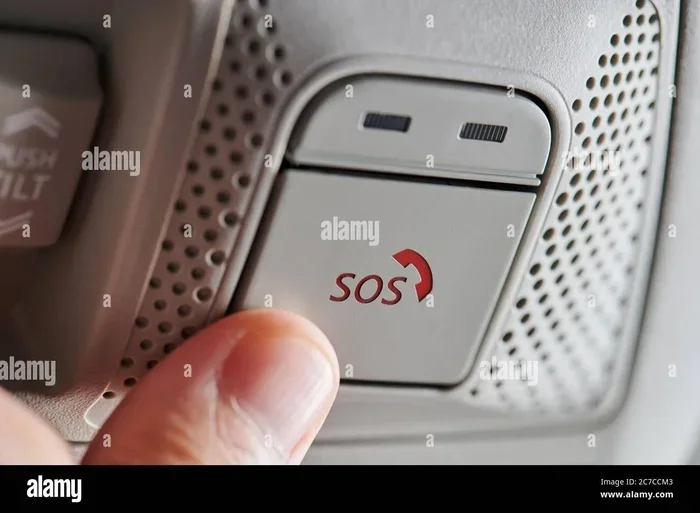
Most modern vehicles come equipped with a dedicated SOS button. You will usually find it on the overhead console, the sun visor, or the steering wheel. Some systems also activate automatically during a severe collision. Either way, the goal is the same: get help to you as fast as possible.
What Triggers the SOS System
There are two main ways the SOS system gets triggered. The first is manual activation. You press the button yourself when you feel unsafe or experience an emergency. The second is automatic activation. Many modern systems detect sudden deceleration, airbag deployment, or a rollover event and trigger the SOS alert without any input from you.
Automatic crash response is a game-changer. If you are unconscious after an accident, the system still sends an alert. This feature relies on sensors built into the vehicle that monitor for impact forces. When those forces exceed a certain threshold, the system activates on its own.
The Role of Telematics and Connectivity
Your car’s SOS system relies on a built-in cellular connection. Think of it like a phone embedded in your vehicle. This connection allows the system to send data to an emergency call center. The data includes your GPS coordinates, vehicle identification number, and information about the severity of the event.
Some systems use a dedicated SIM card that stays active as long as your vehicle has power. Others rely on a connected smartphone through Bluetooth or an app. Either way, the connectivity ensures that help is always reachable. This is why keeping your vehicle’s subscription or service plan active matters so much.
What Happens the Moment You Press the SOS Button
So what actually happens after you press that button? The process is faster and more detailed than most people realize. Let us walk through it step by step.
Step-by-Step: The Emergency Response Process
Here is the sequence of events when you press the SOS button:
- You press the button. The system immediately establishes a connection with the emergency call center.
- A trained advisor answers. This usually happens within seconds. The advisor has access to your vehicle profile and location data.
- The system shares your GPS coordinates. Even if you cannot speak or describe your location, the call center knows exactly where you are.
- You explain the situation. The advisor listens and assesses the severity of your emergency.
- Help is dispatched. Based on your situation, the advisor contacts local police, fire, ambulance, or roadside assistance.
- Follow-up communication. The advisor stays on the line or monitors your status until help arrives.
The entire process from button press to help being dispatched typically takes less than two minutes. That is incredibly fast compared to making a 911 call yourself, especially if you are in a dangerous location or unable to speak.
How Your GPS Location Gets Shared
One of the most valuable features of the SOS system is automatic location sharing. When the alert goes out, the call center receives precise coordinates. These coordinates include latitude, longitude, and often the nearest road or intersection.
This is especially helpful in areas where you cannot easily describe your location. Think about a remote highway, a rural back road, or a parking garage underground. Without GPS sharing, it could take responders much longer to find you. With the SOS system, they know exactly where to go.
Some systems also share additional data like the number of passengers, the type of collision, and whether airbags deployed. This gives emergency responders a clearer picture before they even arrive on scene.
Types of Emergencies the SOS Button Can Handle
The SOS button is not just for life-threatening situations. It covers a wide range of emergencies. Let us look at the most common scenarios.
Serious Accidents and Crash Detection
When a serious accident occurs, every second counts. The SOS system with automatic crash detection can summon help even if you are unable to press the button yourself. Sensors in the vehicle detect the force and direction of the impact.
Once the alert is sent, the call center tries to reach you through the vehicle’s speakers or microphone. If there is no response, they dispatch emergency services to the GPS coordinates immediately. This automatic response can be the difference between a minor injury and a life-threatening situation.
Real-world examples show how effective this can be. In many cases, emergency responders arrived faster thanks to the SOS system than they would have from a traditional 911 call. The pre-loaded vehicle data also helps paramedics prepare for what they might find.
Medical Emergencies on the Road
Not all emergencies involve crashes. A sudden medical issue like chest pain, a severe allergic reaction, or a stroke can happen while driving. In these moments, staying calm and getting help quickly is essential.
Pressing the SOS button connects you to a trained advisor who can dispatch medical help right away. You do not need to find your phone, dial a number, or explain your location. The system does most of the work for you. This can be a lifesaver for drivers or passengers who experience a medical emergency while alone in the vehicle.
Breakdowns and Roadside Trouble
The SOS button also works for non-emergency situations. If your car breaks down due to a flat tire, dead battery, or engine failure, you can use the button to request roadside assistance. The call center will send a tow truck or a mobile mechanic to your location.
This is incredibly useful when you are stranded on a dark road or in bad weather. Instead of standing on the shoulder hoping someone stops, the SOS system connects you to professional help. Many roadside assistance plans also include services like lockout assistance, fuel delivery, and jump-starts.
Popular SOS Systems in Cars Today
Different car manufacturers offer their own versions of the SOS system. While the core function is the same, each system has unique features. Here is a closer look at the most popular options.
OnStar from General Motors
OnStar is one of the oldest and most well-known vehicle SOS systems. It has been around since 1996 and has evolved significantly over the years. OnStar offers automatic crash response, turn-by-turn navigation, and roadside assistance. The system uses a built-in cellular connection and a dedicated advisor team.
One standout feature of OnStar is its ability to provide detailed crash data to responders. The system shares information about the direction of impact, whether seat belts were in use, and the number of airbags deployed. This helps emergency teams prepare appropriately.
BMW Assist and Mercedes me
BMW Assist and Mercedes me are luxury-brand SOS systems with premium features. BMW Assist includes automatic crash notification, emergency call capabilities, and roadside assistance. Mercedes me offers similar features with the added benefit of remote vehicle access through a smartphone app.
Both systems allow you to press the SOS button or rely on automatic crash detection. They also provide concierge services, which means the advisor can help with non-emergency needs like restaurant recommendations or hotel bookings. While these are premium features, the core safety function remains the same.
Toyota Safety Connect and Other Brands
Toyota Safety Connect is another widely used system. It offers emergency assistance, roadside assistance, and stolen vehicle locator services. The system activates automatically during a collision and works with a dedicated cellular network.
Other brands like Ford (with FordPass Connect), Honda (with HondaLink), and Hyundai (with Blue Link) offer their own versions. Each system has its strengths, but they all share the same core purpose: keeping you safe on the road.
Comparison of Major Car SOS Systems
| System | Brand | Auto Crash Detection | Roadside Assistance | GPS Location Sharing | Free Trial Period |
|---|---|---|---|---|---|
| OnStar | General Motors | Yes | Yes | Yes | 1 year |
| BMW Assist | BMW | Yes | Yes | Yes | 3 years |
| Mercedes me | Mercedes-Benz | Yes | Yes | Yes | 1 year |
| Toyota Safety Connect | Toyota | Yes | Yes | Yes | 1 year |
| FordPass Connect | Ford | Yes | Yes | Yes | 1 year |
| HondaLink | Honda | Yes | Yes | Yes | 1 year |
As you can see, all major SOS systems share the same core features. The differences usually come down to trial period length, premium features, and brand-specific add-ons. When choosing a vehicle, consider which SOS system fits your needs best.
Common Mistakes People Make with the SOS Button
Even though the SOS button is designed to be simple, people still make mistakes. Here are the most common ones to avoid.
Pressing It Too Early or Too Late
One mistake is pressing the SOS button for minor issues that do not require emergency help. If you have a flat tire and roadside assistance is already on the way through your insurance, pressing the SOS button may send an unnecessary alert. This can tie up emergency lines and waste resources.
On the other hand, some people hesitate to press the button during a real emergency. They worry about bothering someone or think the situation is not serious enough. This delay can cost valuable time. If you feel unsafe or think you need help, press the button without hesitation.
Ignoring System Maintenance
Another common mistake is forgetting to maintain the SOS system. If your vehicle has a subscription-based SOS service, the system may deactivate when the subscription expires. You might not even realize it until you need it most.
Make it a habit to check your SOS system status regularly. Look at your dashboard alerts, check your vehicle app, or ask your dealer during routine service appointments. A quick check can ensure the system is active and ready when you need it.
Not Updating Your Vehicle Profile
Many SOS systems store vehicle and passenger information. If your medical conditions, emergency contacts, or insurance details are outdated, the response team may not have the right information. Keeping your profile current helps responders give you the best possible care.
How to Keep Your SOS System Ready and Working
Your SOS system is only useful if it works when you need it. Here are some practical tips to keep it in top shape.
- Check your subscription status. Most SOS systems require an active subscription or service plan. Verify that yours is current and renewed on time.
- Test the system periodically. Some vehicles allow you to run a diagnostic test on the SOS system. Check your owner’s manual for instructions.
- Keep your vehicle’s software updated. Manufacturers release updates that improve SOS functionality and fix bugs. Stay current with these updates.
- Know where the button is. Familiarize yourself with the location of the SOS button in your vehicle. In an emergency, you do not want to be searching for it.
- Keep your phone charged. While the SOS system has its own cellular connection, keeping your phone charged ensures you can communicate with the advisor if needed.
- Update your emergency profile. Make sure your medical information, emergency contacts, and vehicle details are always current in the system.
- Teach your passengers. If you frequently drive family or friends, make sure they know where the SOS button is and how to use it.
Taking these simple steps can ensure that your SOS system is always ready to protect you and your passengers. It takes just a few minutes but provides peace of mind that lasts for years.
The Future of SOS Technology in Vehicles
SOS technology is evolving fast. Car manufacturers are constantly adding new features to make emergency response even faster and more effective. Here are some exciting developments to watch for.
Artificial intelligence is playing a bigger role in crash detection. Future systems may be able to analyze the type of collision in real time and adjust the response accordingly. For example, a high-speed highway crash might trigger an immediate dispatch of paramedics, while a low-speed parking lot bump might just notify your preferred roadside service.
Integration with smart cities is another frontier. Imagine a future where your vehicle’s SOS system communicates directly with traffic management systems. Responders could receive real-time traffic data and choose the fastest route to reach you. This could cut response times significantly in urban areas.
Voice-activated SOS features are also on the horizon. Instead of pressing a button, you might simply say a command like “Help” or “Emergency.” This would be especially useful for drivers with disabilities or those who cannot reach the button during an accident.
Vehicle-to-vehicle communication is another exciting development. In the future, your car might be able to alert nearby vehicles and emergency services simultaneously when a crash occurs. This network effect could dramatically improve response times and reduce accidents on the road.
These innovations show that the SOS button is just the beginning. As technology advances, the way we respond to emergencies on the road will continue to improve. The goal remains the same: keep you safe and get help to you as fast as possible.
Final Thoughts on the SOS Button in Your Car
The SOS button is one of the most important safety features in your vehicle. It works silently in the background, ready to activate the moment you need it. Whether you are in a serious accident, experiencing a medical emergency, or stranded on a dark road, pressing that single button connects you to professional help.
Understanding how the system works removes fear and confusion during stressful moments. You know exactly what to expect when you press the button. You know that your location is being shared, that trained advisors are on the line, and that help is being dispatched.
Take the time to familiarize yourself with your vehicle’s SOS system. Know where the button is, check your subscription status, and keep your emergency profile updated. These small steps can make a huge difference when it matters most.
The SOS button in your car is not just a feature. It is a lifeline. And knowing how to use it effectively is one of the best things you can do as a driver. Stay safe, stay prepared, and never hesitate to press that button when you need help.
Frequently Asked Questions
What happens when you press the SOS button in a car?
When you press the SOS button, your vehicle immediately connects to an emergency call center. The system shares your GPS location, vehicle details, and any crash data with trained advisors. They then assess your situation and dispatch the appropriate help, whether that is police, ambulance, fire services, or roadside assistance.
Does pressing the SOS button cost money?
Most SOS systems are included with a free trial period when you purchase a new vehicle. After the trial ends, you may need an active subscription to keep the service running. However, pressing the button during a genuine emergency is always free of charge, and emergency services are dispatched regardless of your subscription status.
Can the SOS button be pressed accidentally?
Yes, accidental presses can happen. Most SOS systems have a confirmation step where the advisor will ask if you need help before dispatching services. If you accidentally press the button, simply let the advisor know that everything is fine and they will cancel the request. It is still a good idea to inform them so they do not follow up unnecessarily.
Does the SOS button work if you have no cell signal?
Most modern SOS systems have a dedicated cellular connection separate from your smartphone. This means the system can work even if your phone has no signal. However, in extremely remote areas with no cellular coverage at all, the system may struggle to connect. Keeping your vehicle’s SOS subscription active and the system updated helps maximize reliability.
How is the SOS button different from calling 911?
The SOS button provides automatic location sharing and vehicle data to the call center, which speeds up the response time. When you call 911, you need to describe your location yourself, which can be difficult in an emergency. The SOS system also connects you to advisors trained in vehicle emergencies, and the system can send crash severity data before responders arrive.
What should I do after the SOS button is pressed and help is on the way?
Stay calm and stay on the line with the advisor if you can. Follow any instructions they give you, such as moving to a safe location away from traffic or providing details about injuries. If you cannot speak, the system will still transmit your location and any automatic crash data. Keep your doors unlocked and your hazard lights on so responders can find you easily.