Why Is My Hybrid System Not Working And How To Fix It
Why Is My Hybrid System Not Working? This guide covers the most common reasons behind hybrid system failures, from weak hybrid batteries to faulty inverters. You will learn how to spot warning signs, perform basic diagnostics, and apply simple fixes at home. We also share expert tips on when to seek professional help and how to prevent future problems.
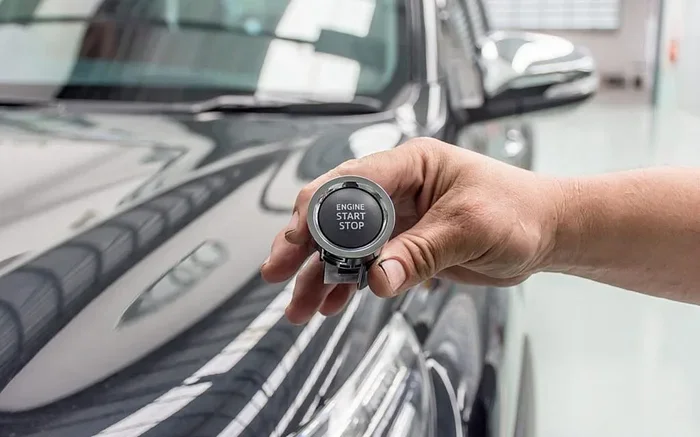
You turn the key, press the start button, and… nothing happens. Or maybe your car starts but immediately shows a warning light that says something about the hybrid system. It is a scary moment for any hybrid owner. The good news is that most hybrid system problems have simple explanations and even simpler fixes.
So why does this happen? Hybrid cars use two power sources — a gasoline engine and an electric motor. That means there are more parts that can go wrong compared to a regular car. But here is the silver lining: once you understand the basics, you can often solve the problem yourself or at least know exactly what the mechanic needs to do.
In this article, we will walk you through every common reason your hybrid system might be acting up. We will cover warning signs you should never ignore, easy DIY checks you can do right now, and the moments when you should definitely call a professional. By the end, you will feel confident about diagnosing and fixing the issue.
Whether you drive a Toyota Prius, a Honda Civic Hybrid, or any other hybrid model, this guide is for you. Let us get your car back to running smoothly.
Key Takeaways
- Weak Hybrid Battery: A degraded or aging hybrid battery is the #1 reason hybrid systems stop working properly.
- Warning Lights Matter: Ignoring hybrid warning lights can lead to bigger and costlier repairs down the road.
- 12-Volt Auxiliary Battery: A dead 12-volt battery can mimic hybrid system failure and is an easy fix.
- Inverter and Relay Issues: Electrical components like the hybrid inverter and relay can fail and disrupt power flow.
- Cooling System Problems: Overheating is a hidden cause of hybrid system shutdowns that many owners overlook.
- Reset May Help: Sometimes a simple hybrid system reset can clear minor faults and restore normal operation.
- Professional Help: Complex issues like hybrid control module failure need a certified technician with proper diagnostic tools.
📑 Table of Contents
Common Reasons Your Hybrid System Fails
Hybrid systems are reliable, but they are not perfect. Over time, wear and tear can cause parts to break down. Understanding the most common reasons helps you act fast before a small problem turns into a big expense.
Degraded Hybrid Battery
The hybrid battery is the heart of your electric powertrain. It stores energy recovered during braking and supplies power to the electric motor. After several years, these batteries lose their ability to hold a full charge. When this happens, the entire hybrid system may shut down or run poorly.
Signs of a failing hybrid battery include:
- The car relies heavily on the gasoline engine even at low speeds
- Fuel economy drops significantly
- The battery indicator shows low charge even after driving
- The car enters “limp mode” and limits speed
Faulty 12-Volt Auxiliary Battery
Many hybrid owners do not realize their car also has a regular 12-volt battery. This small battery powers the car’s computer systems and starts the hybrid system. If this battery dies, your hybrid system will not kick in at all. It can look like a major hybrid failure when it is really just a dead auxiliary battery.
This is one of the easiest problems to fix. A simple jump start or battery replacement usually solves it. Always check this first before assuming the worst.
Hybrid Inverter Malfunction
The hybrid inverter converts DC power from the battery into AC power for the electric motor. When this component fails, the electric motor cannot receive power. Your car may still run on gasoline, but the hybrid features will be completely disabled.
Common causes of inverter failure include:
- Water damage from driving through deep floods
- Age-related wear on internal capacitors
- Overheating due to a broken cooling fan
Hybrid Relay Failure
A hybrid relay is an electrical switch that controls power flow between the battery and the motor. If the relay gets stuck or burns out, the system cannot deliver power properly. This often triggers the check engine light and a hybrid system warning on the dashboard.
Relay problems are more common in older hybrid vehicles with higher mileage. Replacing a relay is usually inexpensive, but finding the exact relay that has failed requires proper diagnostic equipment.
Hybrid Battery Problems and Warning Signs
Your hybrid battery works harder than you might think. Every time you brake, the battery absorbs energy. Every time you accelerate, it releases that energy. Over thousands of miles, this constant cycling takes a toll.
How Hybrid Battery Degradation Happens
Hybrid battery cells slowly lose capacity over time. This is a natural process. However, certain habits can speed up degradation:
- Frequently running the battery completely empty
- Charging the battery too fast with incompatible chargers
- Exposing the car to extreme heat for long periods
- Ignoring warning signs for months or even years
Most hybrid batteries last between 80,000 and 150,000 miles. But if you live in a very hot climate or have harsh driving habits, that number can drop significantly.
How To Test Your Hybrid Battery Health
You do not need to be a mechanic to check your battery’s health. Here are a few simple steps you can take at home:
- Turn on the car and watch the battery indicator on the dashboard
- Drive on a flat road and note how often the gasoline engine kicks in
- Use an OBD2 scanner to read hybrid battery voltage codes
- Check for error messages related to the high-voltage battery
If the battery voltage reads consistently low or the scanner shows fault codes, it is time to consider a battery replacement or reconditioning.
Quick Tip: If your hybrid battery is degraded but not completely dead, you may want to look into battery reconditioning. This process can restore some of the lost capacity and delay the need for a full replacement, saving you hundreds of dollars.
Electrical and Inverter Issues
Beyond the battery, the electrical system in a hybrid car is complex. Multiple components work together to deliver power smoothly. When one part fails, the whole system can be affected.
Understanding the Hybrid Powertrain
The hybrid powertrain includes the electric motor, the gasoline engine, the battery, the inverter, and the control module. All of these parts communicate with each other through sensors and wiring. If a wire gets corroded or a sensor sends wrong data, the system will not work correctly.
Think of it like a team where one player is not communicating with the rest. The whole team suffers. This is why electrical issues in hybrids can be tricky to diagnose.
Common Electrical Faults
Here are some electrical problems that can cause hybrid system failure:
- Corroded wiring connectors: Moisture can cause connectors to corrode over time, disrupting the signal between components.
- Faulty voltage sensors: These sensors tell the control module how much charge the battery has. If they fail, the system cannot manage power properly.
- Damaged power cables: The high-voltage cables that connect the battery to the motor can get damaged from road debris or heat.
- Control module errors: The hybrid control module is the brain of the system. Software glitches or hardware failures here can disable the entire hybrid system.
The Role of the Hybrid Cooling System
Hybrid components generate a lot of heat. The cooling system keeps them at a safe operating temperature. If the cooling fan fails or the coolant level drops too low, the system may overheat and shut down automatically.
This is a safety feature, not a bug. The car shuts down the hybrid system to protect the battery and other components from heat damage. If your hybrid system stops working after driving for a while, overheating could be the cause.
Check your coolant levels regularly and make sure the cooling fan kicks on when the engine reaches operating temperature. These simple checks can prevent many overheating-related hybrid failures.
How To Diagnose Hybrid System Problems
Diagnosing a hybrid system issue does not have to be intimidating. With the right approach, you can narrow down the problem quickly and save time and money.
Step 1: Read the Warning Lights
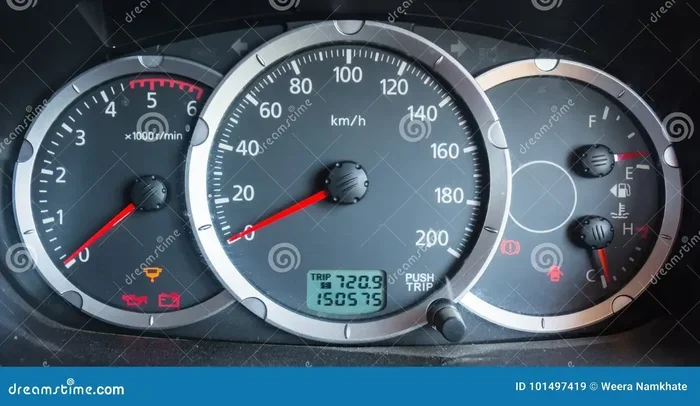
Your dashboard is the first place to look. Most hybrid cars have specific warning lights for hybrid system faults. A red or yellow light shaped like a battery or a car with an exclamation mark usually indicates a problem.
Do not ignore these lights. Even if the car still drives, the underlying issue could be getting worse. Here is a quick guide to common hybrid warning lights:
- Red battery light: Serious battery or electrical fault — stop driving and get help
- Yellow hybrid warning: The system is operating in a reduced mode — drive to a service center
- Check engine light: Could be related to the hybrid system or something simpler
Step 2: Use an OBD2 Scanner
An OBD2 scanner is one of the best tools for diagnosing hybrid problems. You plug it into the diagnostic port under your dashboard, and it reads error codes stored in the car’s computer.
Many auto parts stores will read these codes for free. Common codes related to hybrid system failure include:
- P0A80: Replace hybrid battery pack
- P0AA6: Hybrid system voltage fault
- P0A0F: Hybrid battery performance degraded
- P0A1A: Hybrid battery temperature sensor issue
Write down any codes you see and search for what they mean. This gives you a clear starting point for repairs.
Step 3: Perform Basic Visual Checks
Before taking your car to a shop, do a quick visual inspection yourself:
- Check the 12-volt battery terminals for corrosion or loose connections
- Look under the car for any visible damage to high-voltage cables
- Check the coolant reservoir level
- Inspect the hybrid battery area for unusual smells or discoloration
These simple checks can reveal the problem in minutes and help you avoid unnecessary trips to the mechanic.
Step-by-Step Fixes You Can Do Yourself
Not every hybrid problem requires a trip to the shop. Here are some fixes you can handle on your own with basic tools and a little patience.
Reset the Hybrid System
Sometimes the hybrid system simply needs a reset. This clears minor faults and can restore normal operation. Here is how to do it:
- Turn off the car and remove the key from the ignition
- Disconnect the 12-volt auxiliary battery for at least 15 minutes
- Reconnect the battery and start the car
- Drive slowly for a few minutes and see if the warning light clears
This simple reset works for many intermittent hybrid faults. If the light comes back, the problem is more serious and needs further investigation.
Replace the 12-Volt Auxiliary Battery
If your hybrid system will not start, the 12-volt battery is the first thing to check. Replacing it is easy and inexpensive. You can buy a replacement battery at any auto parts store for around $50 to $100.
Make sure to disconnect the negative terminal first and reconnect it last. This prevents electrical shorts and keeps you safe during the replacement.
Clean Corroded Battery Terminals
Corrosion on battery terminals can cause all sorts of electrical problems. To clean them:
- Disconnect the battery terminals
- Mix baking soda with a small amount of water
- Apply the mixture to the corroded terminals with an old toothbrush
- Rinse with a damp cloth and dry thoroughly
- Reconnect the terminals and apply a thin layer of petroleum jelly to prevent future corrosion
This takes just a few minutes and can solve many mysterious hybrid system issues.
Check and Top Up Coolant
If your hybrid system shuts down due to overheating, checking the coolant level is a good first step. Locate the coolant reservoir under the hood and make sure the level is between the minimum and maximum marks. If it is low, top it up with the coolant type recommended in your owner’s manual.
Never open the radiator cap when the engine is hot. Wait at least 30 minutes after driving to let the system cool down.
When To See a Professional Mechanic
While many hybrid problems can be fixed at home, some issues require professional expertise. Knowing when to call a mechanic saves you time, money, and potentially dangerous situations.
Signs You Need Professional Help
You should see a professional if you notice any of the following:
- The hybrid warning light stays on after a system reset
- The car makes unusual grinding or whining noises
- You smell burning or unusual odors coming from under the hood
- The battery voltage drops rapidly even with light driving
- The car enters limp mode frequently
Choosing the Right Hybrid Specialist
Not every mechanic is qualified to work on hybrid systems. The high-voltage components require specialized training and equipment. Look for a mechanic who is certified in hybrid and electric vehicle repair.
Many dealerships have hybrid-trained technicians on staff. Independent shops that specialize in hybrid vehicles are also a great option and often cost less than dealerships.
Cost Considerations for Hybrid Repairs
Hybrid repairs can be expensive, but not all of them are. Here is a rough cost comparison for common hybrid repairs:
| Repair | Estimated Cost | DIY Possible? |
|---|---|---|
| 12-Volt Battery Replacement | $50 – $100 | Yes |
| Hybrid Battery Reconditioning | $300 – $800 | No |
| Hybrid Battery Full Replacement | $2,000 – $4,000 | No |
| Hybrid Inverter Replacement | $1,500 – $3,000 | No |
| Hybrid Relay Replacement | $100 – $300 | Sometimes |
| Cooling System Repair | $150 – $500 | Yes |
As you can see, some repairs are very affordable while others can be quite costly. This is why early diagnosis is so important. Catching a problem early often means a cheaper fix.
Preventing Future Hybrid System Problems
The best way to deal with hybrid system failure is to prevent it from happening in the first place. Regular maintenance and good driving habits go a long way toward keeping your hybrid system healthy.
Follow the Maintenance Schedule
Every hybrid car comes with a manufacturer-recommended maintenance schedule. This includes regular inspections of the hybrid battery, cooling system, and electrical components. Following this schedule helps catch small problems before they become big ones.
Drive Smart to Protect Your Hybrid System
How you drive affects how long your hybrid components last. Here are some smart driving tips:
- Avoid running the battery completely empty on a regular basis
- Try to keep your driving speed steady when possible
- Do not overload the car with heavy cargo unnecessarily
- Park in shaded areas to reduce heat exposure to the battery
- Use regenerative braking by easing off the accelerator early
Keep Software Updated
Modern hybrid cars have software that controls the hybrid system. Manufacturers sometimes release updates that fix bugs and improve performance. Ask your dealer or mechanic if your car’s software is up to date during regular service visits.
Conclusion
Dealing with a hybrid system that is not working can be frustrating, but it is almost always solvable. The most common causes are a weak hybrid battery, a dead 12-volt auxiliary battery, or an electrical component like the inverter or relay that has failed. By understanding these issues, you can take the right steps to fix them.
Start with the simple checks — read the warning lights, use an OBD2 scanner, and inspect the 12-volt battery. Many problems can be solved with a system reset or a battery replacement. For more serious issues like hybrid battery degradation or inverter failure, do not hesitate to see a professional.
The key takeaway is this: do not ignore the warning signs. The sooner you diagnose and address the problem, the less expensive and less complicated the repair will be. Your hybrid system is designed to last, and with proper care, it will keep running smoothly for many miles to come.
Now that you know what to look for and how to fix it, you are ready to tackle hybrid system problems with confidence. Get under the hood, check those connections, and get back on the road.
Frequently Asked Questions
Can I still drive my hybrid car if the hybrid system is not working?
In most cases, yes. The gasoline engine will still work, but you will lose the fuel efficiency and electric-only driving benefits. However, if the car goes into limp mode, your speed may be limited. It is best to get the issue diagnosed as soon as possible.
How much does it cost to fix a hybrid system problem?
The cost depends on the cause. Simple fixes like replacing a 12-volt battery cost under $100, while a full hybrid battery replacement can cost $2,000 to $4,000. Getting a proper diagnosis first helps you understand the real cost.
How long do hybrid batteries typically last?
Most hybrid batteries last between 80,000 and 150,000 miles. With good driving habits and regular maintenance, some batteries last even longer. Extreme heat and harsh driving can shorten battery life.
Is it safe to work on a hybrid car’s electrical system?
Working on the 12-volt auxiliary system is safe for most owners. However, the high-voltage components like the hybrid battery and inverter carry dangerous voltage levels. Leave those repairs to trained professionals with the right equipment.
Can a hybrid system reset fix all problems?
A reset can clear minor faults and temporary glitches, but it cannot fix physical damage or worn-out components. If the warning light returns after a reset, the problem is real and needs proper diagnosis.
What is the difference between hybrid battery degradation and hybrid battery failure?
Degradation means the battery holds less charge than it used to but still works. Failure means the battery cannot function at all. Degradation is gradual and can sometimes be reversed through reconditioning, while failure usually requires replacement.
=== KEY TAKEAWAYS ===
Key Takeaways
- Weak Hybrid Battery: A degraded or aging hybrid battery is the #1 reason hybrid systems stop working properly.
- Warning Lights Matter: Ignoring hybrid warning lights can lead to bigger and costlier repairs down the road.
- 12-Volt Auxiliary Battery: A dead 12-volt battery can mimic hybrid system failure and is an easy fix.
- Inverter and Relay Issues: Electrical components like the hybrid inverter and relay can fail and disrupt power flow.
- Cooling System Problems: Overheating is a hidden cause of hybrid system shutdowns that many owners overlook.
- Reset May Help: Sometimes a simple hybrid system reset can clear minor faults and restore normal operation.
- Professional Help: Complex issues like hybrid control module failure need a certified technician with proper diagnostic tools.