60 Percent Window Tint Everything You Need to Know
60 percent window tint is a popular choice for car owners who want a subtle look with real benefits. It blocks harmful UV rays, reduces glare, and keeps your car cooler inside. This shade allows 60% of visible light to pass through, making it legal in most states. Whether you want comfort or protection, this tint level hits the sweet spot. Read on to learn all the details you need before tinting your windows.
Key Takeaways
- UV Protection: A 60 percent tint blocks up to 99% of harmful UV rays, protecting your skin and car interior.
- Legal Compliance: Most states allow 60% tint on front side windows, making it a safe and easy choice.
- Heat Reduction: You can expect a noticeable drop in cabin temperature with this tint level.
- Glare Reduction: Driving becomes more comfortable with reduced sun and headlight glare.
- Affordable Option: 60 percent tint is one of the most budget-friendly tint levels available.
- Easy Installation: This tint is beginner-friendly and can be installed at home or by a pro.
- Subtle Look: It offers a clean, polished appearance without darkening your car too much.
📑 Table of Contents
- What Is 60 Percent Window Tint?
- Benefits of 60 Percent Window Tint
- 60 Percent Window Tint Laws and Regulations
- How Much Does 60 Percent Window Tint Cost?
- How to Choose the Right 60 Percent Tint Film
- Common Mistakes to Avoid When Tinting Your Windows
- Maintenance Tips for Your 60 Percent Tint
- Who Should Choose 60 Percent Window Tint?
- Final Thoughts on 60 Percent Window Tint
What Is 60 Percent Window Tint?
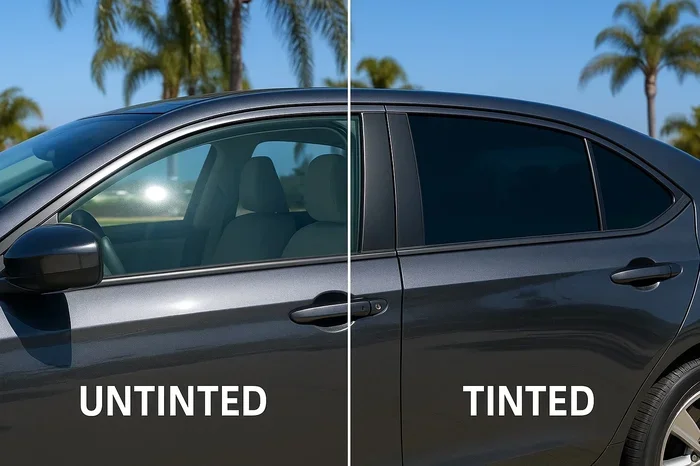
When we talk about 60 percent window tint, we are referring to the amount of light the film allows to pass through your car windows. The number represents the Visible Light Transmission (VLT) percentage. A 60% tint means 60% of light gets in, and 40% is blocked. This is one of the lighter tint options available on the market.
Many car owners choose this level because it offers a balance between style and function. You get the benefits of tinting without going too dark. It works well on all car windows, but it is especially popular on front side windows. The result is a clean, polished look that enhances your vehicle’s appearance.
If you are new to window tinting, this is a great starting point. It is not too dark, not too light, and it fits most legal requirements. Whether you drive a sedan, SUV, or truck, a 60 percent tint can work for you. It is a smart choice for everyday driving and long road trips alike.
How Does Tint Percentage Work?
Tint percentage, or VLT, measures how much light passes through the film. A lower number means darker tint. A higher number means lighter tint. Here is a quick breakdown:
- 5% tint: Very dark, often called “limo tint.” Almost no light passes through.
- 20% tint: Dark tint. Hard to see through from the outside.
- 35% tint: Medium tint. Popular for a sleek look.
- 50% tint: Light tint. Blocks half the light.
- 60% tint: Very light tint. Only slightly darker than factory tint.
- 70% tint: Nearly clear. Minimal tint effect.
So where does 60% fit in? It sits in the light range. It is barely noticeable to the naked eye. Yet it still provides meaningful benefits. This makes it ideal for people who want protection without a dramatic change in look.
Benefits of 60 Percent Window Tint
Choosing a 60 percent window tint comes with several real advantages. Let us break down the biggest benefits you can expect.
UV Protection for Your Skin and Car Interior
One of the top reasons people tint their windows is UV protection. A good quality 60% tint film can block up to 99% of UV rays. This is huge for your health. Prolonged sun exposure while driving can lead to skin damage and premature aging.
But it is not just about your skin. UV rays also fade your car’s interior. Your dashboard, seats, and steering wheel can crack and discolor over time. With UV protection from a 60% tint, you preserve your car’s interior value. This is especially important if you park your car outside often, like when using a covered parking spot or a 20 60 house plan with car parking setup where the vehicle is exposed to direct sunlight for long hours.
Heat Rejection and Comfort
Have you ever sat in a hot car and felt like you were sitting in an oven? A 60% tint helps with that. It rejects a significant amount of solar heat. This means your car stays cooler, even on scorching summer days.
Less heat means less reliance on your air conditioning. This can improve your fuel economy over time. It also makes your driving experience far more comfortable. You can get in the car and start driving sooner, without waiting for the AC to cool things down.
Glare Reduction for Safer Driving
Sun glare and headlight glare can be dangerous while driving. A 60% tint reduces both types of glare significantly. You will notice a clearer view of the road, especially during sunrise and sunset.
Less glare means less eye strain. Over long drives, this can make a big difference in your comfort and focus. It is a simple upgrade that improves safety for you and your passengers.
Privacy Without Going Too Dark
While 60% tint is not meant for full privacy, it does add a layer of subtle obscurity. People outside cannot see into your car as easily. This is enough to deter casual snooping but still allows you to see out clearly.
For drivers who want a bit of privacy without breaking any laws, this is the perfect middle ground. It keeps your car looking stylish and gives you peace of mind.
60 Percent Window Tint Laws and Regulations
Tint laws vary from state to state and country to country. This is something you need to understand before you tint your windows. A 60 percent window tint is generally legal for front side windows in most US states. However, some states have stricter rules.
Understanding Legal Tint Limits
Most states require a minimum VLT of 70% for front side windows. This means 60% tint is right on the edge in some places. In states where the legal limit is 50% or lower, 60% tint is perfectly fine. Here are a few examples:
- California: Front side windows must allow at least 70% VLT. A 60% tint would be illegal on front windows.
- Texas: Front side windows can be as low as 25% VLT. A 60% tint is fully legal.
- Florida: Front side windows need at least 28% VLT. A 60% tint is allowed.
- New York: Front side windows must allow at least 70% VLT. A 60% tint would not pass inspection.
Always check your local tint regulations before purchasing. Getting pulled over for illegal tint is not worth the fine or the hassle of removing it.
Front vs. Rear Window Rules
In many states, the rules for front windows are stricter than for rear windows. The front windshield and front side windows usually have the lowest allowed VLT. Rear windows and the back windshield often have more relaxed rules.
With a 60% tint, you are likely safe on all windows in most states. This is one reason it is such a popular choice. You do not have to worry about different rules for different windows. It keeps things simple and straightforward.
How Much Does 60 Percent Window Tint Cost?
Cost is always a factor when considering window tinting. The good news is that a 60 percent window tint is one of the more affordable options. Since it uses a lighter film, the material cost is lower than darker tints.
Factors That Affect Tint Cost
Several things influence the final price of your tint job:
- Film quality: Higher quality films cost more but last longer and perform better.
- Number of windows: Tinting all windows costs more than just the front two.
- Installation method: Professional installation costs more than DIY but usually looks better.
- Car type: SUVs and trucks with curved windows may cost more due to complex shapes.
- Geographic location: Prices vary by region and shop.
On average, you can expect to pay between $100 and $400 for a full set of windows. For just the front two doors, the cost drops to around $50 to $150. This makes 60% tint a very budget-friendly upgrade for most car owners.
DIY vs. Professional Installation
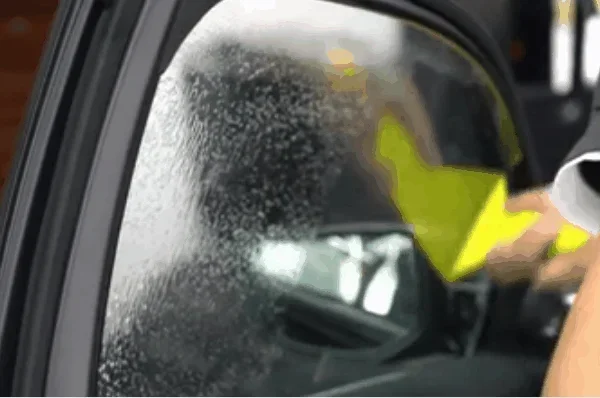
You can tint your windows yourself or hire a professional. DIY kits for 60% tint are widely available and affordable. They work well if you have patience and a steady hand.
Professional installation ensures a bubble-free, perfect finish. It also often comes with a warranty. If you are unsure about your skills, going pro is the safer bet. A good installation job lasts for years without peeling or bubbling.
How to Choose the Right 60 Percent Tint Film
Not all tint films are created equal. When shopping for a 60% tint, you have several options. Understanding the differences helps you make the best choice.
Dyed Film vs. Metallized Film
Dyed film is the most common and affordable type. It uses a dye layer to absorb heat and block light. It works well for basic tinting needs. However, it may fade over time.
Metallized film contains tiny metal particles. This gives it better heat rejection and durability. It also adds a slight metallic shine to your windows. The trade-off is that it can interfere with cell phone and GPS signals.
Ceramic Film: The Premium Choice
Ceramic tint film is the top tier of window tinting. It offers excellent heat rejection without metal. This means no signal interference. It also provides superior UV protection and clarity.
Ceramic 60% tint costs more than dyed or metallized options. But the performance and longevity make it worth it for many car owners. If you want the best results, ceramic is the way to go.
Carbon Film: A Solid Middle Ground
Carbon film offers a matte finish that looks sleek and modern. It provides good heat rejection and does not fade easily. It is a great option if you want durability without the premium price of ceramic.
Carbon 60% tint is popular among car enthusiasts. It gives a clean, non-reflective look that complements any vehicle style.
Common Mistakes to Avoid When Tinting Your Windows
Tinting your windows is not overly complicated, but mistakes can happen. Avoiding these common errors saves you time and money.
Skipping the Research on Local Laws
The biggest mistake is not checking your local tint laws first. You could end up with a tint that fails inspection or gets you pulled over. Always verify the legal VLT limits for your state before buying any film.
Choosing the Cheapest Film Available
Budget films may seem like a great deal, but they often have poor heat rejection and fade quickly. Spending a little more on quality film pays off in the long run. Look for films with good UV and heat ratings.
Ignoring the Installation Environment
If you are doing it yourself, the environment matters. Tint in a dusty, windy area and you will get debris under the film. Work in a clean, climate-controlled space for the best results.
Not Curing the Tint Properly
After installation, the tint needs time to cure. Avoid rolling down your windows for at least 3 to 5 days. This allows the film to bond properly with the glass. Rushing this step can cause peeling or bubbling.
Maintenance Tips for Your 60 Percent Tint
Once your tint is installed, proper care keeps it looking great for years. Follow these simple maintenance tips.
- Wait before cleaning: Do not clean your windows for at least a week after tinting.
- Use soft cloths: Always use a microfiber cloth to avoid scratching the film.
- Avoid harsh chemicals: Stick to mild, ammonia-free cleaners.
- Roll windows carefully: Avoid rolling windows down aggressively during the curing period.
- Park in shade: Whenever possible, park in shaded areas to reduce sun exposure on the tint.
With proper care, a 60% tint can last 5 to 10 years or more. The key is gentle cleaning and avoiding early wear and tear. Your tint will continue to look sharp and perform well over time.
Who Should Choose 60 Percent Window Tint?
This tint level is not for everyone, but it is perfect for many drivers. Here are some situations where 60% tint is a great fit:
- First-time tint buyers: It is a safe, subtle introduction to window tinting.
- Daily commuters: The glare reduction and heat rejection make long drives more comfortable.
- Car enthusiasts: It adds a polished look without going too dark.
- Families: It offers UV protection for kids and pets without making the car too dark inside.
- Law-conscious drivers: It stays well within legal limits in most areas.
If any of these situations sound like you, 60% tint is worth serious consideration. It is practical, affordable, and visually appealing. You get real benefits without any major downsides.
Final Thoughts on 60 Percent Window Tint
A 60 percent window tint is one of the best choices you can make for your car. It offers UV protection, heat rejection, glare reduction, and a subtle style boost. It is legal in most places, affordable, and easy to install. Whether you are tinting for comfort, protection, or appearance, this tint level delivers on all fronts.
Take the time to choose the right film type and find a trusted installer or DIY kit. Follow your local laws and care for your tint properly. With the right approach, your 60% tint will serve you well for many years to come.
Window tinting is a small investment that pays off in big ways. Your car, your skin, and your driving comfort will all thank you. So go ahead, explore your options, and give your car the upgrade it deserves.
Frequently Asked Questions
Is 60 percent window tint legal everywhere?
No, tint laws vary by state and country. In most US states, 60% tint is legal for front side windows. However, some states require a minimum of 70% VLT on front windows. Always check your local regulations before tinting.
Can I install 60 percent tint myself?
Yes, DIY tint kits are widely available and work well for beginners. A 60% tint is one of the easier films to apply because it is lighter and more forgiving. Just make sure you work in a clean, dust-free environment for the best results.
How much does 60 percent window tint cost?
Expect to pay between $100 and $400 for a full set of windows professionally installed. DIY kits can be much cheaper, ranging from $20 to $100. The final cost depends on film quality, number of windows, and your location.
Does 60 percent tint block UV rays?
Yes, a quality 60% tint film can block up to 99% of harmful UV rays. This protects your skin and prevents your car’s interior from fading. Always check the UV rejection rating before purchasing your film.
How long does 60 percent window tint last?
With proper care, a 60% tint can last between 5 and 10 years. Ceramic and carbon films tend to last longer than dyed films. Avoid harsh chemicals and wait at least a week before cleaning your tinted windows.
Will 60 percent tint make my car too dark?
No, 60% tint is a very light shade. It is barely noticeable and does not significantly darken your car. You will still have excellent visibility from both inside and outside the vehicle. It is a great option if you want subtle tinting.