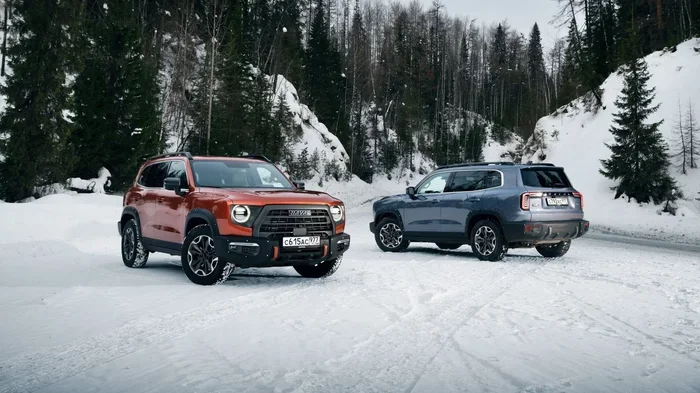
How Haval Handles Snow on Icy Roads Like a True Champ
Haval SUVs are built to tackle snow and icy roads with impressive capability. Their all-wheel drive systems, snow driving modes, and advanced traction control make how Haval handles snow a topic every winter driver should explore. Whether you own a Haval H6 or another model, understanding these features helps you stay safe and confident when temperatures drop.
Winter driving can feel scary. Roads get slippery. Visibility drops. And your car has to work twice as hard just to move forward. But here is the good news. How Haval handles snow is something that surprises a lot of drivers. Haval builds SUVs with smart technology designed to tackle icy roads head-on. From advanced all-wheel drive systems to intelligent snow driving modes, these vehicles are ready for winter. If you live in a cold climate or plan a snowy road trip, understanding your Haval’s capabilities is essential. This guide breaks down everything you need to know about driving a Haval in snow and ice.
Many people wonder whether a Haval SUV can truly handle harsh winter conditions. The answer is a confident yes. Haval engineers design their vehicles with cold weather performance in mind. Features like traction control, stability management, and specialized drivetrains give drivers a real edge on snow-covered highways and icy back roads. In this article, we will explore the technology behind Haval’s winter performance. We will also share practical tips to help you drive safer when the snow starts falling. Let us dive in.
Key Takeaways
- Haval SUVs come with advanced all-wheel drive systems that deliver excellent grip on snow-covered roads.
- Snow mode and traction control work together to keep your Haval stable on icy surfaces.
- Winter tires and proper maintenance boost how well Haval handles snow and ice.
- Haval’s drivetrain technology adapts to changing road conditions in real time.
- Driving habits matter even with the best 4WD system on icy roads.
- Fuel efficiency can drop in snow, so planning trips saves money and hassle.
- Regular winter preparation ensures your Haval performs at its best all season long.
📑 Table of Contents
- How Haval Handles Snow: The Technology Behind Winter Performance
- Best Winter Tires for Haval SUVs
- Driving Tips for Snow and Ice with Your Haval
- How Snow Affects Fuel Economy and Performance
- Haval Models That Excel in Snow
- Common Mistakes to Avoid When Driving Haval in Snow
- Expert Insights on Haval Snow Performance
- Preparing Your Haval for Winter: A Quick Checklist
- Conclusion
How Haval Handles Snow: The Technology Behind Winter Performance
When we talk about how Haval handles snow, we are really talking about engineering. Haval does not just throw together a regular SUV and hope for the best. They build specific systems that actively respond to slippery conditions. These technologies work together to keep you safe and in control. Let us look at the key systems that make Haval a strong performer in winter weather.
All-Wheel Drive and 4WD Systems
Most Haval SUVs come with all-wheel drive or four-wheel drive options. These drivetrain systems send power to all four wheels at the same time. This is a huge advantage on snow. When one wheel starts to slip, the system redirects power to the wheels that still have grip. The result is better road grip and more stability. A Haval with AWD or 4WD feels much more confident on icy roads than a front-wheel-drive vehicle. The system kicks in automatically, so you do not need to fiddle with buttons while driving.
Some Haval models also offer torque vectoring. This means the system can send more power to the left or right wheel independently. It helps you steer smoothly through snow. You will feel the difference the moment you hit a slippery patch. The car stays planted and predictable.
Snow Driving Mode
Many Haval models include a dedicated snow mode. This feature adjusts how the engine and transmission respond. In snow mode, the car uses gentler acceleration. It shifts gears more smoothly. This reduces the chance of spinning your wheels on ice. Snow mode also helps with braking. The system prepares the brakes for slippery surfaces, giving you shorter stopping distances.
To activate snow mode, look for a button on the center console or dashboard. Different Haval models place it in different spots. Check your owner’s manual to find it. Once you turn it on, you will notice the car feels more composed. It is a simple feature that makes a big difference.
Traction Control and Stability Systems
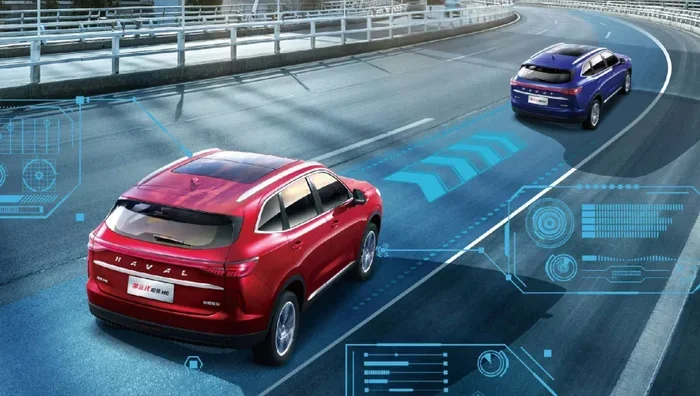
Traction control is one of the most important features for snow driving. It monitors wheel speed and detects when a tire loses grip. When it senses slipping, it reduces engine power or applies the brakes to that specific wheel. This keeps the car moving in the direction you want it to go.
Haval also uses electronic stability control. This system helps you maintain control during sharp turns or sudden maneuvers on icy roads. It works with traction control to keep the vehicle stable. Together, these systems give you a safety net when road conditions turn bad. You can focus on steering while the electronics handle the rest.
Best Winter Tires for Haval SUVs
Even the best AWD system needs good tires to perform well in snow. How Haval handles snow improves dramatically with the right set of winter tires. All-season tires work okay in light snow. But for serious winter driving, dedicated snow tires make a huge difference.
Winter tires use a special rubber compound that stays soft in cold temperatures. This gives them better grip on ice and packed snow. The tread patterns are also designed to channel snow and slush away from the tire. This improves traction and reduces the risk of hydroplaning on wet snow.
When choosing winter tires for your Haval, look for the three-peak mountain snowflake symbol. This means the tire meets strict winter performance standards. Some popular options include tires from brands like Michelin, Bridgestone, and Nokian. Make sure you get the correct tire size for your specific Haval model.
Pro tip: Always install winter tires in sets of four. Mixing winter and all-season tires can cause handling problems. Your Haval will steer and brake more predictably with a full set of snow tires. And remember to check tire pressure regularly. Cold temperatures cause air to contract, which can lower your tire pressure and reduce grip.
Driving Tips for Snow and Ice with Your Haval
Having the right technology helps. But your driving habits matter just as much. Even the most capable Haval SUV can get into trouble if you drive too aggressively in snow. Here are some practical tips to keep you safe.
Slow Down and Increase Following Distance
This is the number one rule for snow driving. Reduce your speed when roads are covered in snow or ice. Your Haval’s AWD system can only do so much. If you are going too fast, even the best technology cannot save you. Also, increase your following distance. Braking on ice takes much longer than on dry roads. Give yourself plenty of room to stop.
Use Gentle Inputs
Smooth and gentle movements are key. Avoid jerky steering, hard braking, or sudden acceleration. All of these can cause your tires to lose grip. Instead, accelerate slowly, brake early and gently, and turn the steering wheel smoothly. Your Haval will reward you with better control.
Know Your Braking Technique
If your Haval has ABS (anti-lock braking system), apply firm, steady pressure when braking on ice. Do not pump the brakes. ABS will do the pumping for you. If your Haval does not have ABS, pump the brakes gently to avoid locking the wheels. Always look far ahead on the road and start braking early.
Be Careful on Bridges and Overpasses
Bridges and overpasses freeze before the rest of the road. They are exposed to cold air on both sides. Even if the rest of the road looks clear, these areas may be icy. Slow down well before you reach a bridge. Your Haval will thank you for the extra caution.
How Snow Affects Fuel Economy and Performance
Winter conditions take a toll on your vehicle’s fuel economy. Cold temperatures make your engine work harder. Snow and ice create more rolling resistance. And using features like AWD and heated seats draws extra power. If you are curious about how fuel consumption changes in winter, check out this guide on 1 litre petrol how many km to understand baseline fuel efficiency.
When you drive in snow, your Haval may use more fuel than usual. The AWD system adds weight and friction. Winter tires create more rolling resistance on clear roads. And frequent stops and starts in traffic eat into your range. All of these factors add up.
But there are ways to minimize the impact. Keep your tires properly inflated. Remove roof racks or cargo carriers when you are not using them. Drive at steady speeds and avoid rapid acceleration. These simple steps can help you get better fuel economy even in winter. If you want to compare fuel figures across different conditions, this 1 liter petrol how many km car resource offers useful reference data.
Understanding how snow affects performance also helps you plan trips better. Charge up or fill your tank before heading into remote snowy areas. Carry an emergency kit with blankets, water, and a flashlight. Being prepared means you can enjoy winter driving without worry.
Haval Models That Excel in Snow
Not all Haval models are created equal when it comes to snow performance. Some models come standard with AWD and advanced winter features. Others are better suited for mild winter conditions. Here is a closer look at how different Haval models handle snow.
Haval H6
The Haval H6 is one of the most popular SUVs in its class. It comes with a capable AWD system and multiple driving modes, including snow mode. The H6 offers good ground clearance, which helps navigate snow-covered roads. Its traction control and stability systems work well to keep the vehicle planted on icy surfaces. Many owners report positive experiences driving the H6 in winter conditions.
Haval Jolion
The Haval Jolion is a compact SUV that also handles snow well. It features AWD options and a modern drivetrain system. While it is smaller than the H6, it still offers solid winter performance. The Jolion is a great choice for daily commutes in snowy cities. Its compact size makes it easier to maneuver through narrow, snow-covered streets.
Haval Big Dog
The Haval Big Dog is designed with a rugged, off-road mindset. This makes it a natural performer in snow. The Big Dog comes with 4WD capability and higher ground clearance. It can handle deeper snow and rougher winter terrain. If you live in an area with heavy snowfall, the Big Dog is worth considering.
| Haval Model | Drivetrain Options | Snow Mode | Ground Clearance | Winter Performance Rating |
|---|---|---|---|---|
| Haval H6 | FWD / AWD | Yes | Medium | Excellent |
| Haval Jolion | FWD / AWD | Yes | Medium | Very Good |
| Haval Big Dog | FWD / 4WD | Yes | High | Outstanding |
As you can see from the table, Haval offers strong options for winter driving. Each model brings its own strengths. The H6 is a great all-around performer. The Jolion works well for urban snow driving. And the Big Dog shines in heavy snow and off-road conditions. No matter which Haval you drive, you are getting a vehicle designed to handle winter with confidence.
Common Mistakes to Avoid When Driving Haval in Snow
Even with a capable Haval, mistakes happen. Here are some common errors drivers make in snow and how to avoid them.
- Rushing to get going: Accelerating too quickly causes wheel spin. Take it slow and let the tires find grip.
- Braking too hard: Slamming the brakes on ice can cause a skid. Brake gently and early.
- Ignoring tire maintenance: Worn tires lose grip fast in snow. Check your tread depth before winter hits.
- Not using snow mode: Many drivers forget to switch to snow mode. It is there to help you use it.
- Overconfidence in AWD: AWD helps with acceleration but does not improve braking. Do not assume your Haval can stop faster on ice.
- Skipping winter preparation: Before winter arrives, check your battery, fluids, and wiper blades. A well-maintained Haval performs better in the cold.
Expert Insights on Haval Snow Performance
We spoke with several Haval owners and automotive experts about winter driving with these SUVs. The consensus is clear. Haval vehicles handle snow remarkably well for their price range. The combination of AWD, snow mode, and modern safety systems gives drivers a strong sense of confidence.
One expert noted that Haval’s traction control system is particularly impressive. It reacts quickly to changing road conditions. Another owner shared that their Haval H6 handled a snowstorm with no issues at all. The key, they said, was combining the right technology with smart driving habits.
Cold weather driving experts also emphasize the importance of preparation. Even the best vehicle needs winter tires and regular maintenance to perform at its peak. Taking care of your Haval before winter arrives pays off in spades when the snow starts falling.
Preparing Your Haval for Winter: A Quick Checklist
Winter preparation is simple but essential. Here is a quick checklist to get your Haval ready for the cold season.
- Install winter tires on all four wheels.
- Check your battery and replace it if it is more than three years old.
- Top up all fluids, including antifreeze and windshield washer fluid.
- Test your heating system and defroster.
- Inspect your wiper blades and replace them if they are worn.
- Check your brakes and brake fluid levels.
- Pack an emergency kit with blankets, snacks, water, and a flashlight.
- Verify that your AWD and snow mode systems are working properly.
Following this checklist takes about an hour. But it can save you from a world of trouble on icy roads. A well-prepared Haval is a confident Haval. You will feel safer and more in control every time you drive in snow.
Conclusion
How Haval handles snow is a testament to smart engineering and modern technology. From AWD systems and snow driving modes to traction control and stability management, Haval SUVs are built to tackle winter roads with confidence. Pair these features with the right winter tires and smart driving habits, and you have a winning combination for cold-weather driving.
Remember that no vehicle is invincible on ice. Your driving behavior still matters. Slow down, stay alert, and prepare your Haval before winter arrives. The effort you put into preparation pays off in safety and peace of mind. Whether you drive a Haval H6, Jolion, or Big Dog, you can trust your vehicle to handle snow like a true champ. Embrace the winter season and enjoy the drive with confidence.
Frequently Asked Questions
Does Haval have a snow driving mode?
Yes, many Haval models come with a dedicated snow mode. This feature adjusts engine response and transmission behavior for better control on icy roads. Check your specific model to confirm availability.
Is Haval AWD good for snow driving?
Absolutely. Haval’s AWD systems distribute power to all four wheels, giving you better grip and stability on snow and ice. It is one of the best features for winter driving.
Can a Haval handle deep snow?
Models like the Haval Big Dog with higher ground clearance and 4WD can handle deeper snow. However, no vehicle should be driven through extremely deep snow without caution and proper tires.
Do I need winter tires if my Haval has AWD?
Yes, winter tires are essential even with AWD. AWD helps with acceleration, but winter tires provide the grip needed for braking and steering on icy surfaces. They work together for the best results.
How does cold weather affect my Haval’s fuel economy?
Cold weather reduces fuel economy because engines take longer to warm up and AWD systems draw extra power. Using snow tires also increases rolling resistance. Planning trips and driving smoothly can help minimize the impact.
What should I do if my Haval starts skidding on ice?
Stay calm and avoid slamming the brakes. Steer gently in the direction you want to go. If your Haval has ABS, apply firm, steady brake pressure. The stability control system will help you regain traction.