How Soon Can You Get a Repossessed Car Back Right Now
You can get a repossessed car back during the redemption period, which varies by state but typically lasts between 30 and 90 days. The process involves paying the full past due balance, fees, and sometimes the entire remaining loan amount. Acting quickly and understanding your car repossession rights gives you the best chance of vehicle recovery without losing your investment.
Losing your car to repossession is one of the most stressful experiences you can face. You wake up one morning, and your vehicle is gone. Maybe you missed a few car loan payments. Perhaps your loan terms changed. Either way, you are left wondering what happens next.
The big question on everyone’s mind is the same: how soon can you get a repossessed car back? The answer depends on your state laws, your loan agreement, and how fast you act. This guide breaks it all down for you. You will learn about redemption periods, reinstatement options, and practical steps you can take right now.
Let us walk through this together. No jargon. No confusing legal talk. Just clear, honest information that helps you understand your options and take action.
Key Takeaways
- Redemption Period: Most states give you 30 to 90 days to reclaim your car after repossession.
- Reinstatement Is Possible: You can often reinstate your loan by paying past due amounts and fees.
- Credit Impact Is Real: Repossession can lower your credit score by 50 to 150 points.
- Know Your Rights: Lenders must follow strict legal rules during the vehicle recovery process.
- Act Fast: The sooner you act after repossession, the better your chances of getting your car back.
- Surplus Funds Exist: If your car sells at auction for more than you owe, you may get money back.
- Prevention Works: Communication with your lender can help you avoid repossession altogether.
📑 Table of Contents
What Happens When Your Car Gets Repossessed
Understanding the repossession process is the first step toward getting your car back. Many people do not realize what happens behind the scenes after a repo company takes their vehicle. Knowing the timeline and rules helps you make smarter decisions.
The Moment of Repossession
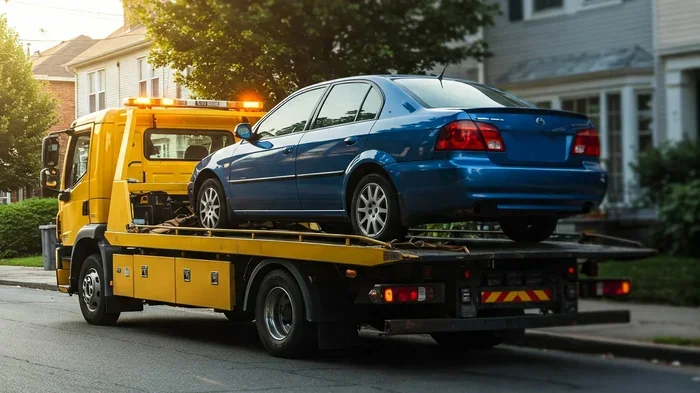
When you default on your auto loan, the lender has the legal right to repossess the vehicle. This can happen without much notice. A repo company may show up at your home, workplace, or even a public parking lot. They can take the car as long as they do not breach the peace.
Here is what typically happens during repossession:
- The lender sends a default notice warning you of missed payments.
- If you do not catch up, the lender authorizes the vehicle recovery.
- A repo company locates and tows away the car.
- The lender stores or auctions the vehicle.
- You receive a notice about the sale and any remaining balance.
What the Lender Does After Repossession
After the repo company takes the car, the lender has a duty to handle it properly. They cannot simply keep it forever. Most states require the lender to sell the vehicle at a public auction or through a private sale. The goal is to recover as much of the loan as possible.
If the auction price does not cover the full loan balance, you may owe what is called a deficiency balance. This is the difference between what you owed and what the car sold for. Some states protect consumers from excessive deficiency amounts, but it varies widely.
How Soon Does Repossession Affect Your Credit?
The impact on your credit score starts immediately. A car repossession is a serious negative mark on your credit report. It can lower your score by 50 to 150 points, depending on your credit history. The negative item can stay on your report for up to seven years.
However, the sooner you resolve the situation, the less long-term damage it causes. Getting your car back or settling the past due balance quickly shows future lenders you took responsibility.
The Redemption Period: Your Window to Get the Car Back
The redemption period is the most important concept to understand. This is the window of time you have to reclaim your repossessed car. During this period, you can pay off what you owe and get the vehicle back. The length of this period depends entirely on your state.
What Is the Right of Redemption?
The right of redemption is a legal protection that gives borrowers a chance to recover their property after repossession. You pay the full past due balance, plus repossession costs, storage fees, and any other charges. Once you pay, the lender must return the vehicle to you.
Some states call this the “equity of redemption.” Others simply refer to it as the redemption period. The concept is the same: you get a fair chance to make things right.
Redemption Periods by State
Redemption periods vary significantly from state to state. Here is a general overview:
| State Type | Typical Redemption Period | What You Must Pay |
|---|---|---|
| Short Redemption States | 15 to 30 days | Full loan balance plus fees |
| Standard Redemption States | 30 to 60 days | Past due balance, fees, and costs |
| Extended Redemption States | 60 to 90+ days | Full remaining loan balance |
| No Statutory Redemption | Varies or none | Negotiated settlement only |
States like California and Texas have relatively short redemption windows. States like Georgia and Alabama may offer longer periods. You need to check your specific state laws to know exactly where you stand.
What If You Miss the Redemption Period?
If you miss the redemption period, the lender officially owns the car. At that point, getting it back becomes much harder. You may need to negotiate directly with the lender or explore other options like purchasing the vehicle back at auction. This is why acting quickly is so important.
How to Reinstate Your Auto Loan
Reinstatement is another path to getting your car back. Instead of paying the full loan balance, you bring the account current by covering the missed payments and fees. This option works best if you can catch up relatively soon after the repo company takes the vehicle.
What Does Loan Reinstatement Mean?
Loan reinstatement means you bring your auto loan back to good standing. You pay all past due amounts, late fees, and any repossession costs. Once the lender receives payment, they reinstate the loan and return the vehicle to you.
This is different from redemption. With reinstatement, you do not need to pay the entire remaining balance. You only need to cover what you missed plus fees. This makes reinstatement a more affordable option for many borrowers.
How to Request Reinstatement
Follow these steps to reinstate your car loan:
- Contact your lender immediately after repossession.
- Ask for a reinstatement quote that includes all fees and missed payments.
- Review the quote carefully for accuracy.
- Make the payment within the timeframe given.
- Confirm the reinstatement in writing.
- Arrange to pick up your vehicle.
Always get everything in writing. Do not rely on verbal promises. A written reinstatement agreement protects both you and the lender.
Quick Tips for Successful Reinstatement
- Call your lender the same day you learn about the repossession.
- Ask about any surplus funds if the car already sold at auction.
- Keep copies of every payment receipt and communication.
- Set up automatic payments to avoid future missed payments.
- Ask your lender if they offer any hardship programs.
What If You Cannot Afford to Get the Car Back
Not everyone can afford to pay the full past due balance right away. If you are in this situation, you still have options. Giving up is not your only choice. There are practical steps you can take to minimize the damage.
Negotiate with Your Lender
Many lenders would rather work with you than go through the hassle of selling the car at auction. They may agree to a modified payment plan, a reduced payoff amount, or a settlement offer. The key is to communicate early and honestly.
When you call your lender, be prepared. Know your budget. Have a specific proposal in mind. Lenders respect borrowers who show up prepared and serious about resolving the debt.
Consider a Voluntary Surrender
If you know you cannot keep up with payments, a voluntary surrender might be a better option than forced repossession. With a voluntary surrender, you return the car yourself. This often results in a slightly less negative impact on your credit score compared to a forced repossession.
Your lender may also waive some fees if you surrender the car voluntarily. While this is still a negative event on your credit report, it shows cooperation and responsibility.
Explore Bankruptcy as a Last Resort
In some cases, filing for bankruptcy can stop repossession or help you recover your vehicle. Chapter 13 bankruptcy allows you to create a repayment plan that may include catching up on your auto loan. Chapter 7 bankruptcy can discharge other debts, freeing up money for your car payment.
However, bankruptcy is a serious step with long-term consequences. It should only be considered after consulting with a qualified attorney. It is not a quick fix, but it can provide relief in extreme situations.
Check for Surplus Funds
Here is something many people do not know. If your car sells at auction for more than what you owe, the lender must give you the extra money. This is called a surplus funds payment. You may be entitled to hundreds or even thousands of dollars.
Contact your lender to ask about the sale price and whether any surplus funds are available. If the lender does not tell you, check your state laws. Many states require lenders to notify borrowers about surplus proceeds.
How Repossession Affects Your Credit Score
A car repossession is one of the most damaging events you can experience on your credit report. Understanding the full impact helps you plan your recovery strategy.
How Much Does Repossession Hurt Your Score?
The damage depends on where your credit score started. If you had excellent credit before repossession, the drop will be steeper. A score of 780 or above might fall by 100 to 150 points. If your score was already lower, the impact may be less severe but still significant.
The repo stays on your credit report for seven years from the date of the first missed payment that led to the repossession. During that time, it makes it harder to get approved for new loans, credit cards, and even some rentals.
What Can You Do to Rebuild Credit?
Rebuilding after a car repossession takes time and discipline. Here are some steps that help:
- Pay all remaining bills on time, every time.
- Keep your credit utilization low on any remaining cards.
- Check your credit report for errors and dispute them.
- Consider a secured credit card to build positive history.
- Avoid taking on new debt until your score improves.
Over time, the negative impact of repossession fades. Responsible financial behavior slowly rebuilds your credit. It is not an overnight process, but it is absolutely possible.
Expert Insight: Credit Recovery Timeline
According to credit counselors, most people see meaningful improvement within 12 to 24 months of resolving a car repossession. The key is consistent on-time payments and keeping debt low. Think of credit recovery like a marathon, not a sprint.
Tips to Avoid Car Repossession in the Future
The best way to deal with repossession is to avoid it entirely. Whether you have already recovered your car or want to protect your current vehicle, these tips will help you stay on track.
Communicate with Your Lender Early
The single most important thing you can do is talk to your lender before you miss a payment. Many lenders have hardship programs, forbearance options, or modified payment plans. If you reach out early, they are far more likely to work with you than if you go silent.
Lenders would rather receive partial payments than deal with the cost and hassle of vehicle recovery. Use this to your advantage by being proactive and honest.
Build an Emergency Fund
An emergency fund is your best defense against financial surprises. Even a small cushion of $500 to $1,000 can cover a missed payment and keep your auto loan in good standing. Start small if you need to. The goal is consistency, not perfection.
Review Your Loan Terms Regularly
Know exactly what you owe and when payments are due. Review your loan agreement at least once a year. If you see any changes or fees you do not understand, contact your lender immediately. Staying informed keeps you in control.
Consider Refinancing If Rates Are Better
If your credit score has improved since you took out the loan, refinancing could lower your monthly payment. A lower payment makes it easier to stay current and avoid the risk of another repo. Shop around with multiple lenders to find the best rate.
Common Mistakes That Lead to Repossession
Understanding the pitfalls helps you avoid them. Here are common mistakes borrowers make:
- Ignoring missed payment notices: Open every letter and email from your lender.
- Skipping payments to pay other bills: Your car loan should be a top priority.
- Not reading your loan agreement: Know exactly what triggers default.
- Assuming the lender will work with you forever: There are limits to patience.
- Waiting too long to act: Every day counts during the redemption period.
Conclusion
So, how soon can you get a repossessed car back? The answer is: as soon as you act. Most states give you between 30 and 90 days to reclaim your vehicle through the redemption period or loan reinstatement. The faster you pay the past due balance and fees, the better your chances of getting your car returned.
Remember that repossession is not the end of the road. You have legal rights, options, and paths forward. Whether you choose to reinstate, negotiate, or explore other solutions, knowledge is your greatest tool. Understand your loan agreement, know your state laws, and communicate openly with your lender.
Your credit score will recover over time, especially if you take steps to rebuild it responsibly. And if you ever find yourself facing financial difficulty again, the lessons you learn today will help you protect your assets and avoid another car repossession.
Take action today. The sooner you reach out to your lender and understand your options, the sooner you can get back on the road. Your repossessed car does not have to stay lost forever. You have the power to change that.
Frequently Asked Questions
Can I get my repossessed car back after the redemption period ends?
It becomes much harder, but not impossible. Once the redemption period expires, the lender legally owns the vehicle. You may still be able to buy it back by purchasing it at auction or negotiating a buyback deal. Contact your lender to explore these options.
Does getting a car back after repossession remove it from my credit report?
No. The repossession will remain on your credit report for seven years from the original delinquency date. However, resolving the debt by paying it off or reinstating the loan shows future creditors that you addressed the issue responsibly.
Can a repo company take my car from my driveway?
Yes, in most states a repo company can take your vehicle from your driveway, a public parking lot, or any accessible location. They cannot, however, break into a locked garage or use force. This is known as breaching the peace, and it is illegal.
What happens if my repossessed car sells for more than I owe?
If the auction sale price exceeds your loan balance plus fees, the lender must give you the difference. This is called a surplus funds payment. State laws vary on how quickly the lender must distribute these funds.
Can I reinstate my loan if I have already missed several payments?
It depends on your lender and your state laws. Many lenders allow reinstatement as long as the vehicle has not yet been sold at auction. You will need to pay all past due amounts plus fees. Contact your lender immediately to ask about reinstatement options.
Will a cosigner be responsible for the debt if I cannot recover my repossessed car?
Yes. If you have a cosigner on your auto loan, they are legally responsible for the remaining balance. The cosigner will owe the deficiency balance if the car sells at auction for less than what is owed. This is an important consideration when deciding whether to recover the vehicle or let it go.