Can Car Insurance Cover Repairs And Save You Money Today
Can car insurance cover repairs? The answer depends on your policy type, coverage limits, and the cause of damage. Whether you need collision coverage, comprehensive coverage, or liability protection, understanding your auto insurance policy can save you hundreds or thousands of dollars. This guide breaks down exactly what car insurance claims pay for, when repairs are covered, and how to maximize your insurance payout while keeping your deductible amount low.
Key Takeaways
- Full coverage policies typically pay for repair costs from accidents, collisions, and non-accident events like theft or weather damage.
- Liability-only policies do not cover repairs to your own vehicle, only damage you cause to others.
- Understanding your deductible directly affects how much you pay out of pocket for repairs.
- Filing a claim requires documentation, proof of damage, and following your insurer’s claim process step by step.
- Pre-existing damage and wear-and-tear are almost always excluded from coverage, so timing matters.
- Gap insurance can fill the financial gap when repair costs exceed your vehicle’s actual cash value.
- Comparing repair estimates and knowing your rights helps you avoid being shortchanged by insurance adjusters.
📑 Table of Contents
- Can Car Insurance Cover Repairs And What You Need To Know
- Types Of Car Insurance Coverage And What They Pay For
- When Insurance Will Pay For Your Car Repairs
- When Insurance Will Not Cover Your Repairs
- How To Get Your Insurance To Pay For Repairs
- Common Mistakes That Lead To Claim Denials
- How To Save Money On Car Repairs Even With Insurance
- Expert Insights On Navigating The Insurance Repair Process
- Key Takeaways
- Conclusion
Can Car Insurance Cover Repairs And What You Need To Know
Every driver faces car repairs at some point. Whether it is a fender bender in a parking lot or a cracked windshield from a rock, the question can car insurance cover repairs is always top of mind. The truth is, it depends on several factors. Your policy type, coverage limits, and the cause of damage all play a role in whether your insurer pays the bill.
Many drivers assume their auto insurance policy covers everything. That is not always true. Some policies only pay for damage you cause to other people. Others cover your own repairs too. Understanding the difference saves you from surprise bills and frustration. This guide explains exactly how car insurance claims work for repairs, what gets covered, and how to get the most money back.
Let us break it down in simple terms. No jargon. No confusing fine print. Just clear, practical advice you can use right away.
Types Of Car Insurance Coverage And What They Pay For
Not all car insurance is the same. Different coverage types handle different kinds of repairs. Knowing which type you have is the first step to understanding what gets paid.
Collision Coverage For Accident Repairs
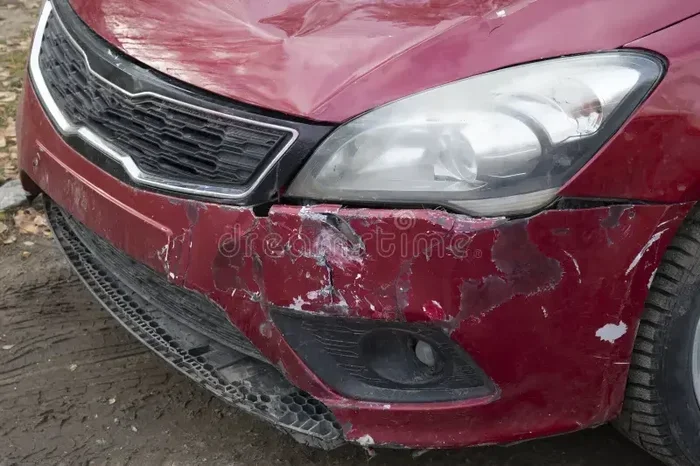
Collision coverage pays for repairs when your car hits another vehicle or object. This includes fender benders, parking lot dents, and single-car accidents. If you run into a guardrail, collision coverage steps in. It also covers rollovers and hit-and-run incidents where the other driver cannot be identified.
Here is what collision coverage typically includes:
- Damage from collisions with other vehicles
- Damage from hitting objects like poles, fences, or guardrails
- Roll-over damage
- Hit-and-run incidents
Keep in mind that collision coverage comes with a deductible amount. This is the amount you pay before insurance kicks in. Common deductibles range from $250 to $1,000. The higher your deductible, the lower your insurance premium. But you also pay more out of pocket when repairs happen.
Comprehensive Coverage For Non-Collision Damage
Comprehensive coverage handles repairs that do not involve a collision. This is a big one that many drivers overlook. It covers a wide range of non-accident damage that can hurt your vehicle.
Comprehensive coverage typically pays for:
- Theft and vandalism repairs
- Weather damage like hail, flooding, and storms
- Falling objects that damage your car
- Fire damage
- Animal collisions, such as hitting a deer
- Windshield and glass damage
For example, if a tree branch falls on your car during a storm, comprehensive coverage pays for the repair. If someone breaks your car window, this coverage has you covered. Comprehensive car insurance is especially valuable in areas with extreme weather or high crime rates.
Liability Coverage And Why It Does Not Pay For Your Repairs
Liability coverage is the most basic type of car insurance. It pays for damage you cause to other people and their property. However, it does not pay for repairs to your own vehicle. If you cause an accident, liability coverage pays for the other driver’s car repairs and medical bills. Your own repairs come out of your pocket unless you have additional coverage.
This is why many drivers ask, can car insurance cover repairs to their own car. The answer is only if you carry more than just liability. States require minimum liability coverage, but that minimum never pays for your own repairs.
When Insurance Will Pay For Your Car Repairs
Understanding when your insurer pays for repairs helps you make smart decisions after an accident or damage event. Not every situation leads to a payout, but many do.
At-Fault Accidents Where You Are Responsible
If you cause an accident, your collision coverage pays for your vehicle’s repairs. Your liability coverage pays for the other party’s damages. This is where having full coverage car insurance really matters. Drivers with only liability coverage must pay for their own repairs entirely.
For example, imagine you rear-end another car at a red light. Your collision coverage pays for your bumper repairs. Your liability coverage pays for their trunk damage. Without collision coverage, you would pay for your own bumper repair out of pocket.
No-Fault Accidents And Shared Fault Situations
In no-fault states, each driver’s insurance pays for their own injuries regardless of who caused the accident. For vehicle repairs, the at-fault driver’s insurance typically pays. In shared fault situations, each driver’s insurance may cover a portion based on their percentage of fault.
Some states follow comparative negligence rules. This means the insurance companies split the repair costs based on who was more at fault. Understanding your state’s laws helps you know what to expect from your insurance claim process.
Weather And Natural Disaster Damage
Severe weather causes millions of dollars in vehicle damage every year. Hail storms, hurricanes, floods, and wildfires all damage cars. Comprehensive coverage handles these repairs. Without it, you pay for everything yourself.
For instance, a hailstorm can dent every panel on your car. Comprehensive coverage pays for the paintless dent repair or panel replacement. Flood damage from rising water can ruin engines and interiors. This coverage pays for those repairs too, up to your policy limits.
Vandalism And Theft Repairs
If someone damages your car on purpose, comprehensive coverage usually pays. Broken windows, slashed tires, and graffiti all fall under this category. If your car gets stolen and recovered damaged, comprehensive coverage handles the repair costs.
One important detail: you must file a police report for vandalism and theft claims. Without a police report, your insurer may deny the claim. Always document everything with photos and a detailed report.
When Insurance Will Not Cover Your Repairs
Knowing what is not covered is just as important as knowing what is. Many drivers discover too late that their claim gets denied. Understanding exclusions helps you avoid disappointment.
Wear And Tear And Pre-Existing Damage
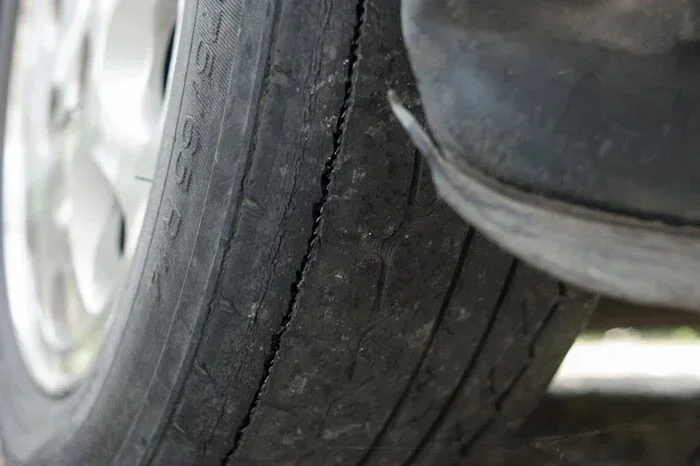
Insurance does not cover normal wear and tear. Brake pads wearing down, paint fading, or tires getting bald are not covered. These are expected maintenance costs, not sudden damage events. Similarly, pre-existing damage that existed before your policy started will not be covered. If you already had a dent and then get into an accident, the pre-existing dent is not part of the claim.
Intentional Damage And Negligent Behavior
If you intentionally damage your own vehicle, insurance will not pay. Driving under the influence and causing an accident may also lead to a denied claim. Racing or reckless driving can void your coverage for repairs. Always drive safely and legally to keep your policy valid.
Mechanical Failures And Maintenance Issues
A broken transmission, engine failure, or electrical problems from normal use are not covered by standard insurance. These are mechanical issues, not accident damage. Regular maintenance like oil changes and tire rotations are your responsibility, not your insurer’s.
Driving Without Proper Coverage
If you only carry liability coverage, your own repairs are not covered. If you let your policy lapse and then get into an accident, you have no coverage at all. Always maintain continuous coverage that includes the protection you need for your own vehicle.
How To Get Your Insurance To Pay For Repairs
Getting paid by your insurer requires the right approach. Follow these steps to strengthen your car insurance claims and get the repairs you deserve.
Document Everything Immediately After Damage
The moment damage occurs, start documenting. Take clear photos from multiple angles. Capture close-ups of every damaged area. Photograph the surrounding scene too, especially if another vehicle or object was involved. Write down the date, time, location, and weather conditions. This evidence is crucial for your insurance claim process.
File Your Claim Promptly
Do not wait to file your claim. Most policies require you to report damage within a specific timeframe. The sooner you file, the stronger your claim. Contact your insurance company right away and provide all the documentation you collected. Be honest and thorough in your description of what happened.
Get Multiple Repair Estimates
Before repairs begin, get written estimates from at least two or three repair shops. This gives you leverage if the insurance adjuster’s estimate seems too low. You have the right to dispute an estimate you believe is unfair. Present your independent estimates to the adjuster and negotiate for a fair repair or replace decision.
Understand OEM Parts Versus Aftermarket Parts
Insurance companies sometimes use aftermarket parts instead of original manufacturer parts. Aftermarket parts cost less but may not fit or function exactly the same. OEM parts are made by the original manufacturer and match your vehicle perfectly. Check your policy to see which parts your insurer uses. Some states require insurers to use OEM parts for certain repairs.
Keep Records Of All Communication
Save every email, letter, and phone call note related to your claim. Document the name of every adjuster and representative you speak with. Keep copies of all repair invoices and receipts. This paper trail protects you if disputes arise later.
Common Mistakes That Lead To Claim Denials
Avoid these common pitfalls that cause drivers to lose their insurance payout or face delayed claims.
- Waiting too long to report damage. Every hour counts. Delayed reporting raises red flags for insurers.
- Not reading your policy carefully. Understanding your coverage before you need it prevents surprises.
- Admitting fault at the scene. Let the insurance companies determine fault. Do not accept blame prematurely.
- Skipping the police report. A police report adds credibility to your claim, especially for hit-and-runs and vandalism.
- Choosing the cheapest repair shop. Low-quality repairs can lead to additional costs later. Pick a reputable shop.
- Failing to notify your insurer of modifications. Aftermarket upgrades may need separate coverage. Unreported mods can void claims.
How To Save Money On Car Repairs Even With Insurance
Insurance helps, but it does not cover everything. Here are smart strategies to reduce your out-of-pocket repair costs.
Raise Your Deductible To Lower Premiums
If you have a clean driving record, raising your deductible lowers your monthly premium. This saves money over time. Just make sure you can afford the higher deductible if a claim does come up.
Maintain A Good Driving Record
Safe drivers pay less for insurance. Avoiding accidents and traffic violations keeps your rates low. Many insurers offer safe driver discounts that reduce your insurance premium significantly.
Bundle Your Policies
Combining your auto insurance with home or renters insurance often earns you a multi-policy discount. This saves money on both premiums and helps you manage all your coverage in one place.
Ask About Repair Discounts
Some insurers have partnerships with specific repair shops. These shops offer guaranteed repairs at discounted rates. Ask your insurance company if they have a preferred repair network in your area.
Consider Gap Insurance For Newer Vehicles
If you have a new or financed car, gap insurance covers the difference between your loan balance and the vehicle’s actual cash value. This is especially important when repair costs exceed the car’s worth. Without gap insurance, you could owe thousands on a car that is totaled. Can car insurance cover repairs that push your vehicle beyond its value? Gap insurance ensures you are not stuck paying for a car you no longer have.
If your vehicle gets totaled and you still owe more than it is worth, gap insurance bridges that gap. This is one of the most overlooked coverage types, but it can save you from serious financial trouble. Check your loan or lease agreement to see if gap insurance is already included or if you need to add it separately.
Expert Insights On Navigating The Insurance Repair Process
Insurance professionals share a few insider tips that can make a big difference in your repair experience.
Always get a rental car estimate. If your vehicle is undrivable after an accident, your policy may cover a rental. Know your rental reimbursement limits before you commit to a repair timeline.
Do not sign a release too quickly. Insurers may offer a quick settlement that does not cover all repairs. Wait until the work is complete and you have the final bill before accepting any offer. Signing early can mean paying for additional repairs yourself.
Know your state’s consumer protection laws. Each state has regulations governing insurance claims and repair standards. Familiarize yourself with your rights. If your insurer acts in bad faith, you can file a complaint with your state’s insurance commissioner.
Keep your car properly maintained. Insurers investigate whether pre-existing damage contributed to a claim. Regular maintenance records show your vehicle was in good condition before the incident. This strengthens your claim and speeds up the approval process.
Understand the total loss threshold. If repair costs exceed a certain percentage of your vehicle’s value, the insurer may declare it a total loss instead of paying for repairs. This threshold varies by state and insurer. Knowing where your vehicle stands helps you prepare for either outcome.
For those wondering about vehicle history and insurance implications, can you trade in a damaged car is an important related topic. Repair history affects trade-in value and future claims. Similarly, if you have experienced damage from wildlife, understanding can hitting a deer total your car helps you prepare for the financial impact of animal collisions and how comprehensive coverage applies.
Another important consideration is how at-fault accidents affect your financial future. If you cause a serious accident, you might wonder can I lose my house due to an at fault car accident. Understanding the full scope of liability helps you see why proper coverage levels matter beyond just repair costs.
Finally, after repairs are complete, some drivers face situations where a mechanic holds onto their vehicle. If this happens, knowing your rights is essential. Learn more about can a mechanic hold your car until you pay to understand what steps you can take when a repair shop refuses to release your vehicle.
Key Takeaways
- Full coverage policies including collision and comprehensive typically cover repair costs from accidents, collisions, and non-accident events like theft or weather damage.
- Liability-only policies do not cover repairs to your own vehicle, only damage you cause to others.
- Understanding your deductible directly affects how much you pay out of pocket for repairs and how much you save on premiums.
- Filing a claim requires documentation, proof of damage, and following your insurer’s claim process step by step.
- Pre-existing damage and wear-and-tear are almost always excluded from coverage, so timing matters.
- Gap insurance can fill the financial gap when repair costs exceed your vehicle’s actual cash value.
- Comparing repair estimates and knowing your rights helps you avoid being shortchanged by insurance adjusters.
Conclusion
Can car insurance cover repairs? Yes, but only with the right coverage. Your collision coverage handles accident damage. Your comprehensive coverage handles non-collision events. And your liability coverage protects others when you are at fault.
Understanding your policy, documenting damage properly, and following the insurance claim process are the keys to getting paid. Avoid common mistakes like delayed reporting and admitting fault at the scene. Save money by maintaining a good driving record, bundling policies, and asking about repair discounts.
Car repairs are stressful enough without worrying about the bill. The right insurance coverage gives you peace of mind. Review your policy today, make sure you have the coverage you need, and drive confidently knowing you are protected.
Taking a few minutes to understand your auto insurance policy now can save you thousands of dollars later. Do not wait until after an accident to learn what your coverage does and does not pay for. Be proactive, stay informed, and make sure your car insurance policy works as hard as you do.
Frequently Asked Questions
Does full coverage car insurance pay for all repairs?
Full coverage includes collision and comprehensive, but it does not pay for every repair. Wear and tear, mechanical failures, and maintenance issues are not covered. Full coverage pays for sudden, accidental damage and non-collision events like theft, weather, and animal collisions.
How long does it take for an insurance company to approve a repair claim?
Most claims are processed within a few days to a few weeks. Simple claims with clear damage may be approved quickly. Complex claims involving disputes or extensive damage take longer. Filing promptly and providing complete documentation speeds up the process significantly.
Will my insurance rates go up after a repair claim?
It depends on your policy and the circumstances. At-fault claims often raise rates. Not-at-fault claims and comprehensive claims usually do not affect rates as much. Some insurers offer accident forgiveness for drivers with clean records. Always check with your insurer before filing.
What is the difference between OEM and aftermarket parts in insurance repairs?
OEM parts are made by the original vehicle manufacturer. They match your car exactly in fit and quality. Aftermarket parts are made by third-party manufacturers and cost less. Some insurers default to aftermarket parts to save money. You can often request OEM parts by paying the difference or checking your state’s regulations.
Can I choose any repair shop for my insurance claim?
Yes, you generally have the right to choose your repair shop. Insurers may recommend preferred shops that offer guaranteed repairs, but you are not required to use them. If you choose a shop your insurer does not recommend, they may require an independent estimate or inspect the repairs before approving payment.
What should I do if my insurance claim gets denied?
First, read the denial letter carefully to understand the reason. Gather additional evidence like photos, police reports, and witness statements. File an appeal with your insurer. If the appeal fails, you can file a complaint with your state insurance department or seek legal advice. Never give up without understanding your options.