Can I Check Transmission Fluid Myself At Home Today
Yes, you can check your transmission fluid yourself at home with just a few basic tools and about 10 minutes of your time. This guide walks you through every step, from locating the dipstick to reading the fluid color and level. Checking your transmission fluid regularly helps you catch problems early and avoid costly repairs.
Have you ever wondered if can I check transmission fluid myself without visiting a mechanic? The short answer is yes. You absolutely can. And the best part is that it is easier than most people think. You do not need fancy tools or years of mechanical experience. All you need is a few minutes, a clean rag, and a little confidence.
Your transmission fluid plays a huge role in how your car shifts gears. It keeps everything moving smoothly and prevents overheating. When the fluid level drops or the fluid gets dirty, your transmission suffers. Ignoring it can lead to big problems. But checking it yourself takes the guesswork out of the equation. In this guide, we will walk you through every single step. You will learn where to find the dipstick, how to read the fluid level, what color the fluid should be, and when it is time to add more or schedule a change.
Whether you drive an automatic or a manual transmission, this guide covers it all. We will also share common mistakes to avoid and tips to keep your transmission healthy for years to come. By the end, you will feel confident tackling this simple maintenance task right in your own driveway.
Key Takeaways
- You can do it yourself: Checking transmission fluid at home is simple and requires no special tools.
- Timing matters: Always check your fluid when the engine is warm and running for the most accurate reading.
- Color tells a story: Bright red fluid is healthy; dark brown or black fluid means it is time for a change.
- Know your car: Some vehicles use a dipstick, while others have sealed transmission systems that need a professional check.
- Wrong fluid is risky: Using the wrong transmission fluid type can cause serious damage to your car.
- Regular checks save money: Catching low fluid early prevents expensive transmission repairs down the road.
📑 Table of Contents
Understanding Transmission Fluid and Why It Matters
Before you pop the hood, it helps to understand what transmission fluid does and why it needs regular attention. Think of it as the lifeblood of your transmission system. Without clean, properly leveled fluid, your gears cannot shift smoothly.
What Does Transmission Fluid Do?
Transmission fluid serves several important jobs. It lubricates all the moving parts inside your transmission. It also helps cool the system by carrying heat away from the gears. In automatic transmissions, the fluid acts as hydraulic fluid. It creates the pressure needed to shift gears automatically. Without enough fluid, or with dirty fluid, your car may hesitate, slip, or refuse to shift at all.
Manual transmissions use a thicker fluid sometimes called gear oil. Automatic transmissions use a thinner, specially formulated fluid. Each type has a specific job. Using the wrong one can cause serious damage. Always check your owner manual to confirm which fluid your car needs.
Types of Transmission Fluid
Not all transmission fluids are the same. Here is a quick breakdown of the main types you might encounter:
- Dexron VI: The most common fluid for modern automatic transmissions. GM vehicles often use this.
- Mercon LV: Ford vehicles frequently require this type.
- Honda ATF DW-1: Honda and Acura vehicles use this specific formula.
- Continental TF:** Some European vehicles require this proprietary fluid.
- Manual Gear Oil: Thicker fluid used in manual transmissions, often labeled GL-4 or GL-5.
If you are unsure which fluid your car uses, check your owner manual or ask at your local auto parts store. Also, if you are curious about other fluids in your car, you might wonder can I use 5W30 instead of 5W20 for engine oil, as mixing up viscosity grades is a common concern among car owners.
How to Check Transmission Fluid Yourself
Now let us get into the hands-on part. Checking your transmission fluid at home is straightforward once you know the steps. Follow along carefully for the best results.
Step-by-Step Guide to Checking Transmission Fluid
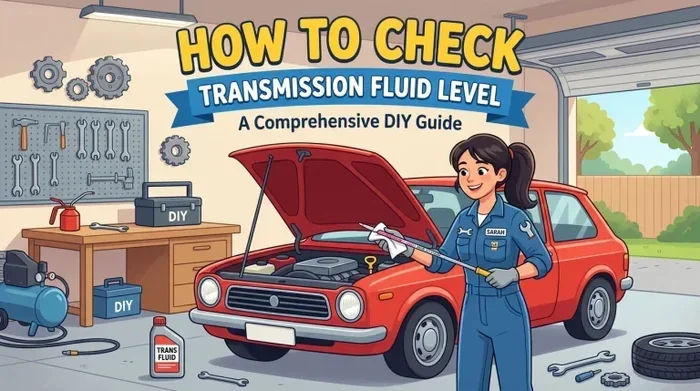
Here is exactly what you need to do. Follow each step in order for an accurate reading:
- Start your engine and let it warm up. Drive your car around for a few minutes or let it idle in park for 5 to 10 minutes. Warm fluid gives the most accurate reading.
- Leave the engine running. Unlike checking engine oil, you usually need the engine running when checking transmission fluid. This is because the fluid expands when warm.
- Park the car on a level surface. This is critical. If the car is tilted, the reading will be inaccurate.
- Locate the transmission dipstick. It is usually near the back of the engine bay. The handle is often colored red or yellow to distinguish it from the oil dipstick.
- Pull the dipstick out and wipe it clean. Use a clean rag or paper towel. This removes any old fluid so you get a fresh reading.
- Reinsert the dipstick fully. Push it all the way back in, then pull it out again.
- Read the fluid level. Look for the “Full” and “Low” or “Min” and “Max” marks on the dipstick. The fluid should fall between these marks.
- Check the fluid color and smell. Healthy fluid is bright red and smells slightly sweet. Burnt or dark fluid is a warning sign.
Once you are comfortable with the process, checking your fluid becomes second nature. Many car owners make it part of their monthly routine. And if you are also curious about other maintenance questions, you might ask yourself, can I use 5W20 instead of 0W20 for my engine oil, since using the wrong oil weight is another common mistake.
When Should You Check Transmission Fluid?
Timing plays a big role in getting an accurate reading. Here are the best practices:
- Check when the engine is warm: This is the standard recommendation for most vehicles. Warm fluid is thinner and flows more evenly.
- Check monthly: Make it a habit to check your fluid once a month. This helps you catch slow leaks early.
- Check after long trips: Heavy driving can lower fluid levels or cause the fluid to degrade faster.
- Check if you notice symptoms: Slipping gears, delayed shifting, or unusual noises are all signs to check the fluid right away.
Some older car owners remember a time when mechanics told them to check the fluid with the engine off. That advice was for older transmission designs. Modern vehicles almost always require the engine to be running. Always refer to your owner manual to be sure.
What Your Transmission Fluid Color Tells You
The color of your transmission fluid is one of the easiest ways to assess its condition. A quick glance on the dipstick can reveal a lot about the health of your transmission.
Healthy vs. Unhealthy Transmission Fluid
Here is a simple color guide to help you interpret what you see:
- Bright Red: This is the ideal color. Your fluid is fresh and in good condition.
- Light Pink: Still acceptable, but close to the point where a change may be needed soon.
- Brown or Dark Red: The fluid is aging. It is a good time to plan a fluid change.
- Black or Dark Brown: This fluid is burnt and degraded. It needs to be replaced immediately.
- Milky or Foamy: This indicates water contamination. Have your transmission inspected by a professional.
Smell matters just as much as color. Fresh fluid has a slightly sweet, mild scent. If you detect a burnt toast smell, the fluid has broken down and is no longer protecting your transmission. In this case, a fluid change should be a priority. You should also keep an eye on other fluids in your vehicle, such as fuel. For instance, if you are unsure about fuel types, you might ask, can I put 93 gas in my car, to make sure you are using the right fuel for optimal performance.
Common Transmission Fluid Mistakes to Avoid
Even simple tasks can go wrong if you are not careful. Here are the most common mistakes people make when checking or adding transmission fluid.
Overfilling and Underfilling
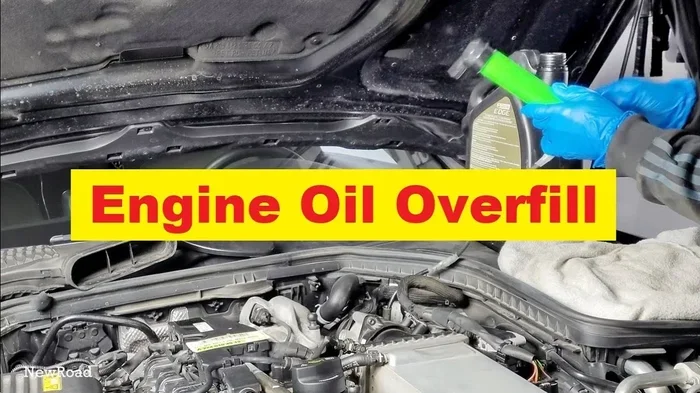
Both overfilling and underfilling can cause problems. Too little fluid leads to poor lubrication and overheating. Too much fluid can cause foaming, which reduces the fluid’s ability to lubricate properly. Foaming can also lead to pressure buildup inside the transmission.
Always add fluid in small amounts. Check the level after each addition. It is much easier to add a little more than to drain excess fluid. Patience is your best friend here.
Using the Wrong Fluid Type
This is one of the most costly mistakes. Every transmission is designed for a specific fluid type. Mixing different fluids can cause chemical reactions that damage seals and internal components. Always double-check your owner manual before adding any fluid. If you are uncertain about which fluids are safe for your vehicle, you might also want to verify what fuel grade is appropriate, such as can I use unleaded 88 in my car, to avoid confusion between fuel and fluid requirements.
Ignoring Leaks
If you notice that your fluid level drops quickly after refilling, you likely have a leak. Do not ignore this. Transmission fluid leaks can come from the pan gasket, seals, or cooler lines. A small leak today can become a major repair tomorrow. Address leaks promptly to protect your transmission.
When to Seek Professional Help
Checking your fluid is a great DIY task. But there are times when a professional mechanic is the better choice. Knowing when to call for help can save you from making things worse.
If your transmission fluid looks healthy but you still experience slipping, hard shifting, or unusual noises, the problem may be deeper than fluid level. Internal transmission components could be worn. A professional diagnosis is essential in these cases.
Also, if your car does not have a transmission dipstick, do not try to check the fluid yourself. Many newer vehicles have sealed transmission systems. These require a professional to access the fluid through a fill plug or service port. Attempting to open a sealed system without the right tools can lead to damage and costly repairs.
Other signs that you need professional help include:
- Fluid leaks that come and go
- Warning lights on your dashboard
- Unusual grinding or shaking during shifts
- A burning smell coming from under the hood
- Your car refuses to go into gear
These symptoms suggest that your transmission needs more than just a fluid top-off. A qualified mechanic can perform a full inspection and recommend the right repair.
Keeping Your Transmission in Top Shape
Prevention is always better than repair. Regular maintenance goes a long way toward extending the life of your transmission. Here are some simple habits that make a big difference.
Transmission Fluid Change Intervals
Most manufacturers recommend changing transmission fluid every 30,000 to 60,000 miles. However, this varies depending on your vehicle and driving conditions. If you frequently tow heavy loads, drive in stop-and-go traffic, or operate in extreme heat, your fluid will degrade faster. In those cases, more frequent changes are wise.
Always use the fluid type recommended by your manufacturer. And if you are replacing the fluid yourself, make sure you use the correct type and amount. Overfilling or underfilling after a change can cause the same problems as having low fluid in the first place.
Other Tips for Transmission Health
- Shift to park before stopping: This reduces stress on the transmission when you park.
- Avoid racing the engine: Revving your engine hard puts extra strain on the transmission.
- Address warning signs early: Do not ignore hesitation or slipping. Early action prevents bigger problems.
- Keep your cooling system in good shape: The transmission relies on the cooling system to manage heat.
- Get regular inspections: Even if you check your fluid at home, a professional inspection every year or two is a smart move.
Taking care of your transmission does not have to be complicated. A little attention goes a long way. And remember, you can always check your fluid yourself at home if you follow the steps we outlined above. It is one of the easiest and most rewarding maintenance tasks you can do for your car.
So the next time someone asks, can I check transmission fluid myself, you will know the answer is a confident yes. Armed with the right knowledge and a few basic tools, you can keep your transmission running smoothly for years to come. Do not wait for a problem to appear. Start checking your fluid today, and give your car the care it deserves.
Conclusion
Checking your transmission fluid yourself at home is one of the simplest and most valuable maintenance tasks you can perform. It takes just a few minutes, requires no special skills, and can save you hundreds of dollars in potential repairs. We have covered everything from locating the dipstick to interpreting fluid color and avoiding common mistakes. The key is consistency. Make it a regular habit, and you will catch problems before they become expensive.
Remember to always use the correct fluid type, check when the engine is warm, and never ignore warning signs. If something feels off, do not hesitate to consult a professional. Your transmission is one of the most important and expensive components in your car. Taking care of it today means a smoother, safer ride tomorrow.
Frequently Asked Questions
How often should I check my transmission fluid?
You should check your transmission fluid at least once a month. Regular checks help you catch slow leaks or fluid degradation early. It is also a good idea to check after long road trips or heavy driving sessions.
Can I check my transmission fluid with the engine off?
For most modern vehicles, you need the engine running and warm to get an accurate reading. The fluid expands when hot, so a cold reading can be misleading. Always check your owner manual for the specific recommendation for your car model.
What happens if I drive with low transmission fluid?
Driving with low transmission fluid can cause slipping gears, overheating, and eventually complete transmission failure. The fluid is essential for lubrication and cooling. If you suspect your fluid is low, check it right away and top it off if needed.
How do I know if my transmission fluid needs to be changed?
Dark brown or black fluid, a burnt smell, or visible particles are all signs that your fluid needs to be replaced. Healthy fluid should be bright red and smell mildly sweet. If you are unsure, a mechanic can perform a fluid condition test for you.
Is it hard to add transmission fluid myself?
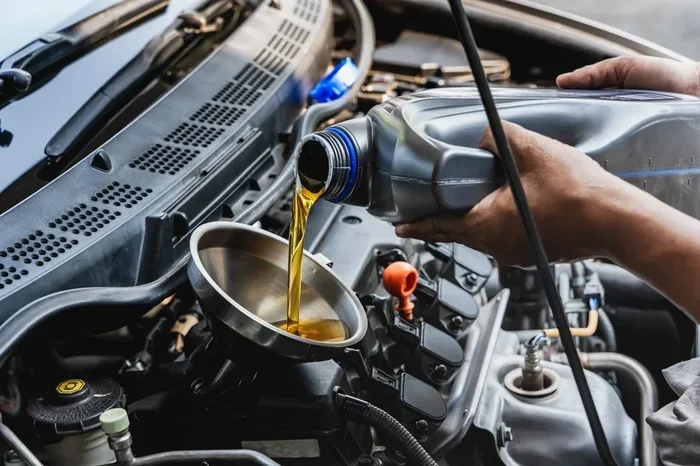
No, adding transmission fluid is quite simple. You just need to locate the transmission dipstick tube and use a funnel to pour in the correct fluid. Add it slowly and check the level frequently to avoid overfilling.
Can I mix old and new transmission fluid?
Yes, you can top off with new fluid if the existing fluid is still in good condition. However, if the old fluid is dark or burnt, a complete fluid change is better than mixing. Always use the same type and brand of fluid to avoid compatibility issues.