What Is the Bank Code for System Too Lean at Idle Now
The bank code for system too lean at idle is a common OBD2 trouble code that signals your engine is running with too much air and not enough fuel. Understanding this code helps you diagnose rough idle, poor fuel economy, and potential engine damage early.
You are driving down the road, and suddenly your check engine light pops on. You plug in your scanner and see a code you have never seen before. Maybe it says P0171 or P0174. Either way, your mind races. What is going on with your engine? If you are reading this, chances are you have come across the bank code for system too lean at idle and you want answers. You are in the right place. This guide breaks everything down in plain language so you can understand what is happening under your hood and what you can do about it.
A lean condition at idle is not something you should ignore. It means your engine is burning too much air and not enough fuel. Over time, this can cause serious damage. But here is the good news. Most of the time, the fix is simpler than you think. Whether you are a DIY mechanic or just someone who wants to understand their car better, this article has you covered. We will walk through the causes, symptoms, diagnosis steps, and fixes in detail.
Key Takeaways
- What the code means: Your engine’s air-fuel mixture is too lean on a specific bank at idle speed.
- Common causes include: vacuum leaks, dirty fuel injectors, faulty oxygen sensors, and airflow sensor issues.
- Symptoms to watch for: Rough idle, stalling, check engine light, and reduced fuel economy.
- DIY diagnosis is possible: With basic tools like an OBD2 scanner and a smoke machine, you can find the root cause.
- Ignoring the code can lead to: Catalytic converter damage, engine misfires, and costly repairs down the road.
- Fixes range from simple: Replacing a gasket to more involved work like cleaning or swapping fuel injectors.
- Prevention matters: Regular maintenance keeps your air-fuel ratio balanced and prevents lean condition codes.
📑 Table of Contents
- What Does the Bank Code for System Too Lean at Idle Mean?
- Common Symptoms of a Lean Condition at Idle
- What Causes the Bank Code for System Too Lean at Idle?
- How to Diagnose the Bank Code for System Too Lean at Idle
- How to Fix the System Too Lean at Idle Code
- Common Mistakes People Make When Diagnosing Lean Codes
- Preventing Future Lean Condition Codes
- When to See a Professional Mechanic
- Conclusion
What Does the Bank Code for System Too Lean at Idle Mean?
Let us start with the basics. When your car’s onboard computer, also known as the ECU, detects that the air-fuel mixture is too lean, it stores a trouble code. The term “bank” refers to the side of the engine. Bank 1 is the side that contains cylinder number one. Bank 2 is the opposite side. When you see a lean code tied to a specific bank, it means that particular side of the engine is running lean.
The most common codes associated with this issue are P0171 and P0174. P0171 means Bank 1 is too lean. P0174 means Bank 2 is too lean. These codes fall under the broader category of fuel and air metering problems. The ECU monitors the air-fuel ratio using sensors like the oxygen sensor and the mass airflow sensor. When the ratio shifts too far toward excess air, the computer flags it.
At idle, the engine needs a very precise fuel mixture. Even a small imbalance can cause noticeable problems. That is why a system too lean at idle code often shows up when your car is sitting at a stoplight or in park. The idle condition is especially sensitive because there is less airflow to mask any fuel delivery issues.
How the Air-Fuel Ratio Works
Your engine runs best when the air-fuel mixture is balanced. The ideal ratio is about 14.7 parts air to one part fuel. This is called the stoichiometric ratio. When there is too much air or too little fuel, the mixture goes lean. When there is too much fuel or not enough air, it goes rich. The ECU constantly adjusts this ratio using feedback from various sensors.
Think of it like a recipe. If you add too much flour and not enough water, you get a dry, crumbly mixture. The same idea applies to your engine. A lean mixture means the combustion chambers are not getting enough fuel. This leads to incomplete combustion, higher engine temperatures, and reduced power.
Why Idle Conditions Matter
Idle is a unique operating condition. The engine is running at low RPM with minimal airflow. The idle air control valve manages the amount of air that bypasses the throttle plate. At idle, even a tiny vacuum leak can throw off the entire mixture. This is why lean codes often appear or worsen at idle.
When you accelerate, the increased airflow can sometimes mask a lean condition. But at idle, there is no hiding it. The ECU has very little room to compensate, so the code triggers quickly. This is why many drivers first notice the problem when their car is just sitting and idling.
Common Symptoms of a Lean Condition at Idle
Recognizing the symptoms early can save you from bigger problems. A lean condition does not always announce itself loudly. Sometimes it starts subtly. Here are the most common signs to watch for.
- Rough or unstable idle: Your engine feels shaky or uneven when stopped.
- Stalling at idle: The engine dies when you come to a stop or at a traffic light.
- Check engine light: This is often the first and only obvious sign.
- Poor fuel economy: You notice you are filling up more often than usual.
- Hesitation on acceleration: The engine stumbles or feels sluggish when you press the gas.
- Engine misfires: You feel a jerking sensation, especially at low RPM.
- Hard starting: The engine cranks longer than normal before starting.
- Unusual exhaust smell: You might smell sulfur or notice dark exhaust fumes.
If you notice any combination of these symptoms, it is worth investigating further. A lean condition at idle can escalate quickly if left unaddressed. The longer you drive with an imbalanced mixture, the more damage it can do to internal components.
How Symptoms Progress Over Time
In the early stages, you might only notice a slight rough idle. The car still drives fine. But as the problem worsens, stalling becomes more frequent. Eventually, you might experience misfires that damage the catalytic converter. The catalytic converter is an expensive component, and replacing it is not cheap. This is why catching a lean code early matters so much.
What Causes the Bank Code for System Too Lean at Idle?
Now let us get into the root causes. There are several reasons your engine might run lean at idle. Some are simple fixes. Others require more work. Understanding the cause is the first step toward a proper repair.
1. Vacuum Leaks
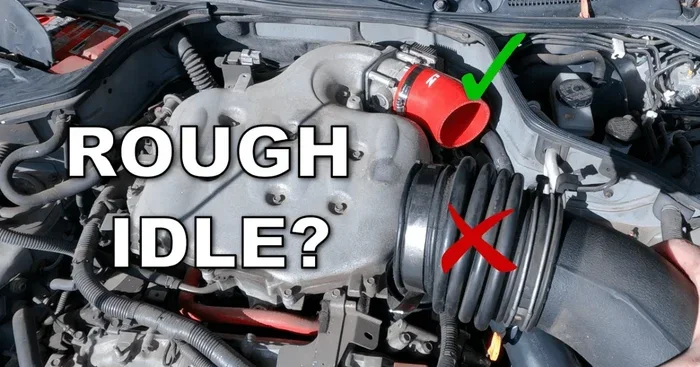
A vacuum leak is one of the most common causes of a lean condition. Your engine relies on sealed vacuum lines to operate properly. When a hose cracks, gets brittle, or comes loose, unmetered air sneaks into the intake manifold. The ECU does not account for this extra air, so the mixture goes lean.
Common vacuum leak points include the intake manifold gasket, brake booster hose, PCV valve hose, and the vacuum lines connected to the fuel pressure regulator. These leaks are often small and hard to see with the naked eye. A smoke test is the best way to find them. A mechanic hooks up a smoke machine to the intake system, and the smoke reveals exactly where the leak is.
2. Dirty or Clogged Fuel Injectors
Fuel injectors spray fuel into the combustion chambers in a fine mist. Over time, carbon deposits and varnish can clog them. When an injector is partially blocked, it delivers less fuel than the engine needs. This creates a lean condition on that particular cylinder or bank.
If you drive in areas with dusty roads or use lower-quality fuel, injector clogging happens faster. A fuel injector cleaning service can often fix this problem without replacing the parts. However, severely clogged injectors may need to be replaced entirely.
3. Faulty Oxygen Sensor
The oxygen sensor, also called the O2 sensor, measures the amount of oxygen in the exhaust gas. It sends this data back to the ECU so it can adjust the fuel mixture. When the oxygen sensor fails or becomes sluggish, it sends incorrect readings. The ECU then makes wrong adjustments, leading to a lean or rich condition.
Oxygen sensors have a limited lifespan. Most last between 60,000 and 100,000 miles. If your car has high mileage and you are getting a lean code, the O2 sensor should be on your short list of suspects. Replacing it is usually straightforward and affordable.
4. Mass Airflow Sensor Issues
The mass airflow sensor, or MAF sensor, measures the volume and density of air entering the engine. The ECU uses this data to calculate how much fuel to inject. If the MAF sensor is dirty or malfunctioning, it underreports the airflow. The ECU then delivers less fuel than needed, resulting in a lean mixture.
A dirty MAF sensor is an easy fix. Cleaning it with a specialized MAF sensor cleaner spray often restores proper function. However, if the sensor is physically damaged, replacement is the only option. Always be gentle when cleaning it to avoid breaking the delicate wire inside.
5. Low Fuel Pressure
Your fuel pump delivers fuel at a specific pressure. If the pump is weak or the fuel filter is clogged, fuel pressure drops. Low pressure means less fuel reaches the injectors, which throws off the air-fuel ratio. This is especially noticeable at idle, when the engine demands precise fuel delivery at low flow rates.
You can check fuel pressure with a fuel pressure gauge attached to the fuel rail. Compare your reading to the manufacturer specifications. If the pressure is below spec, inspect the fuel pump, fuel filter, and fuel pressure regulator.
6. Intake Air Leaks After the MAF Sensor
Any air that enters the engine after the mass airflow sensor is unmetered. The ECU does not know about it, so it does not add fuel to compensate. This type of leak often occurs at the intake manifold gasket, throttle body gasket, or cracked intake ducts. These leaks are sometimes called “unmetered air leaks” and they are a frequent culprit behind lean codes.
7. Exhaust Gas Recirculation Valve Problems
The EGR valve recirculates a portion of exhaust gas back into the intake manifold to reduce emissions. When the EGR valve gets stuck open, it allows too much exhaust gas into the cylinders at idle. This dilutes the air-fuel mixture and can cause a lean condition. A stuck EGR valve often triggers lean codes along with rough idle and hesitation.
8. PCV System Malfunction
The positive crankcase ventilation system removes blowby gases from the crankcase and recirculates them into the intake. A faulty PCV valve can allow excessive crankcase vapors into the intake, leaning out the mixture. This is a less common cause but worth checking if other possibilities are ruled out.
How to Diagnose the Bank Code for System Too Lean at Idle
Diagnosing a lean condition at idle follows a logical process. You start with the easiest checks and work your way toward more complex ones. Here is a step-by-step approach you can follow.
Step 1: Read the Codes
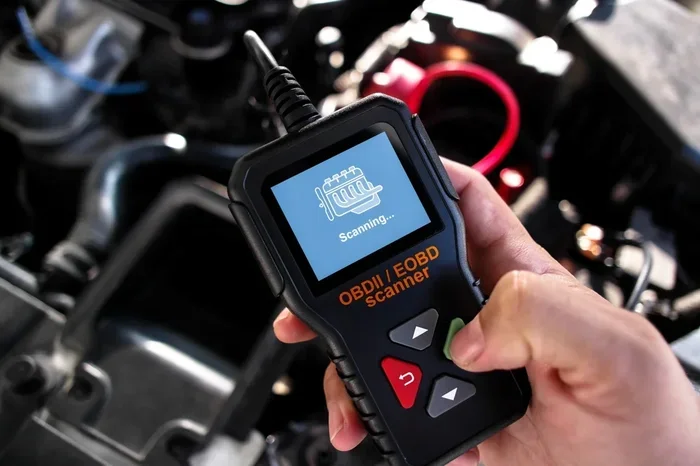
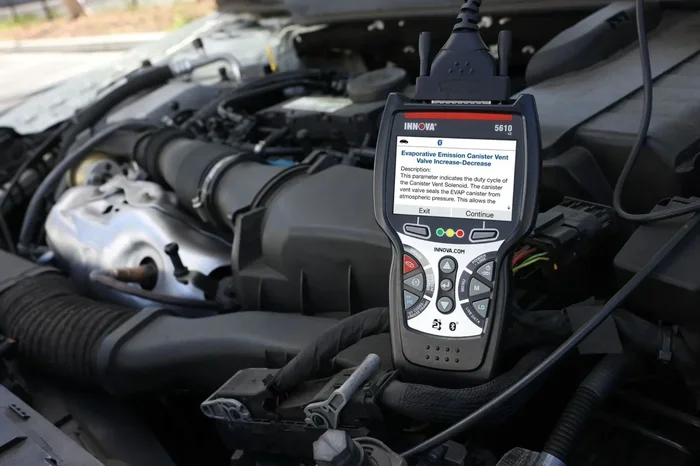
Start by connecting an OBD2 scanner to the diagnostic port under your dashboard. Read the stored codes and note which bank the code refers to. P0171 points to Bank 1, and P0174 points to Bank 2. Write down any additional codes as well, because they can provide valuable context.
Step 2: Check for Vacuum Leaks
Visual inspection is your first tool. Look for cracked or disconnected vacuum hoses. Pay special attention to the hoses around the intake manifold and the brake booster line. If you do not see anything obvious, a smoke test is the next best step. Many auto parts stores offer free code reading, and some will perform a smoke test for a small fee.
Step 3: Inspect the Fuel System
Check your fuel pressure using a gauge. Compare the reading to your vehicle’s specifications. Also, inspect the fuel filter for clogging. If you have not replaced the fuel filter in a while, this is an inexpensive fix worth trying. Listen to the fuel pump when you turn the key to the ON position. You should hear a brief whirring sound from the rear of the vehicle.
Step 4: Examine the Oxygen and MAF Sensors
Use your OBD2 scanner to look at live data. Check the short term fuel trim and long term fuel trim values. If the trims are significantly positive, the ECU is adding fuel to compensate for a lean condition. This confirms the problem is real and not a sensor error. You can also use a scan tool to monitor the oxygen sensor readings in real time.
Step 5: Perform a Smoke Test
If the previous steps do not reveal the issue, a smoke test is the gold standard for finding intake leaks. The smoke machine pressurizes the intake system with visible smoke. Any leak shows up as smoke escaping from a hose connection, gasket surface, or cracked component. This method is highly effective and saves a lot of guesswork.
How to Fix the System Too Lean at Idle Code
Once you identify the cause, the fix depends on what you find. Here are the most common repairs and what you can expect.
- Repairing vacuum leaks: Replace cracked hoses, tighten connections, or replace the intake manifold gasket. Cost ranges from $50 to $300 depending on the location.
- Cleaning or replacing fuel injectors: A cleaning service costs around $50 to $100. Replacement runs $150 to $400 per injector depending on the vehicle.
- Replacing the oxygen sensor: Parts cost $20 to $100, with labor adding $50 to $150. Total cost is usually under $200.
- Cleaning the MAF sensor: A can of MAF cleaner costs about $10. This is one of the cheapest and easiest fixes you can do yourself.
- Replacing the fuel filter: Typically $15 to $50 for the part. Labor is minimal.
- Fuel pump replacement: This is a more expensive repair, ranging from $400 to $800 depending on the vehicle.
- EGR valve repair or replacement: Costs between $150 and $400 including parts and labor.
Always clear the codes after completing a repair and take the car for a test drive. If the bank code for system too lean at idle does not return, your fix worked. If it does come back, you may need to dig deeper or consult a professional mechanic.
Quick Tips for DIY Repairs
- Always start with the simplest and cheapest fixes first. Vacuum leaks and dirty sensors are common and inexpensive to address.
- Use OEM or quality aftermarket parts for sensors and gaskets. Cheap parts fail faster and can cost you more in the long run.
- Keep a maintenance log. Tracking your repairs helps you spot patterns and avoid repeat issues.
- Do not ignore the check engine light. Even if the car seems to drive fine, a lean code can cause cumulative damage over time.
- Use a quality OBD2 scanner. Basic scanners show codes, but advanced ones give you live data and freeze frame information that helps with diagnosis.
Common Mistakes People Make When Diagnosing Lean Codes
Even experienced car owners make mistakes when diagnosing lean codes. Avoiding these errors can save you time and money.
- Replacing parts without diagnosis: Throwing oxygen sensors or injectors at the problem without proper testing wastes money. Always diagnose first.
- Ignoring small vacuum leaks: A tiny leak might not be visible during a visual inspection. A smoke test catches what your eyes cannot.
- Assuming the MAF sensor is always the problem: The MAF sensor gets blamed often, but it is not always the culprit. Check other possibilities first.
- Neglecting the fuel filter: A clogged fuel filter restricts fuel flow and causes lean conditions. This simple part is often overlooked.
- Not checking fuel quality: Bad fuel or contaminated gasoline can cause lean codes. If you recently filled up at a questionable gas station, consider this possibility.
- Clearing codes too early: Clear the codes only after the repair is complete and after a sufficient test drive. Clearing them too soon erases valuable diagnostic data.
Preventing Future Lean Condition Codes
The best way to deal with a system too lean at idle code is to prevent it from happening in the first place. Regular maintenance goes a long way toward keeping your engine running smoothly.
Change your fuel filter at the recommended intervals. Use quality fuel from reputable stations. Clean the MAF sensor and fuel injectors as part of routine maintenance. Inspect vacuum hoses during oil changes and look for signs of wear or cracking. Replace the oxygen sensor if your vehicle has high mileage and you notice any changes in performance.
Addressing small issues early prevents them from becoming big problems. A $10 MAF cleaner spray or a $20 vacuum hose replacement is nothing compared to the cost of a damaged catalytic converter or engine damage from prolonged lean running.
Expert Insight on Lean Condition Codes
Experienced mechanics often say that vacuum leaks are the number one cause of lean codes at idle. This is because vacuum leaks introduce unmetered air directly into the intake, and the ECU cannot compensate for air it does not measure. If you are troubleshooting a lean code, always start with a thorough vacuum leak check before replacing expensive sensors or components.
Another important point is the role of the short term fuel trim and long term fuel trim values. These numbers tell you how much the ECU is adjusting the fuel mixture to compensate for a problem. Positive trim values above 10 to 15 percent usually indicate a real lean condition that needs attention. Negative values suggest a rich condition. Monitoring these trims gives you a clear picture of what the ECU is doing and helps pinpoint the root cause.
When to See a Professional Mechanic
There are times when DIY diagnosis reaches its limits. If you have checked the vacuum lines, cleaned the MAF sensor, inspected the fuel system, and the lean code persists, it is time to seek professional help. Some issues require specialized tools and expertise that go beyond basic diagnostic equipment.
Internal engine problems like worn piston rings or head gasket leaks can also cause lean conditions. These are serious issues that require professional diagnosis and repair. If you notice coolant loss, white exhaust smoke, or overheating alongside a lean code, do not delay in getting professional assistance.
A qualified mechanic has access to advanced diagnostic equipment, manufacturer-specific repair databases, and years of experience. They can pinpoint problems faster and more accurately than most DIY methods. There is no shame in seeking professional help when the problem is beyond your comfort level.
Conclusion
The bank code for system too lean at idle is a warning sign that your engine needs attention. It tells you the air-fuel mixture on one side of the engine is too light on fuel. Left unchecked, this condition can lead to rough running, poor fuel economy, stalling, and expensive damage to the catalytic converter and other components.
The good news is that most causes of lean codes are fixable and affordable. Vacuum leaks, dirty injectors, faulty sensors, and clogged fuel filters are all common culprits with straightforward solutions. By following the diagnostic steps in this guide, you can identify the root cause and take the right action. Whether you handle the repair yourself or visit a mechanic, understanding the code empowers you to make informed decisions and avoid unnecessary expenses.
Do not ignore the check engine light. Address it promptly, diagnose it properly, and keep your engine running the way it should. Your car will thank you with better performance, improved fuel economy, and a longer lifespan.
Frequently Asked Questions
Can I still drive my car with a system too lean at idle code?
You can drive short distances, but it is not recommended. A lean condition can cause engine damage over time, especially to the catalytic converter and valves. Get the code diagnosed and fixed as soon as possible to avoid costly repairs.
What is the difference between Bank 1 and Bank 2?
Bank 1 is the side of the engine that contains cylinder number one. Bank 2 is the opposite side. In most four-cylinder engines, there is only one bank. In V6, V8, and V10 engines, there are two banks, and the code will specify which one is affected.
How much does it cost to fix a system too lean at idle code?
The cost varies widely depending on the cause. Simple fixes like cleaning a MAF sensor or replacing a vacuum hose cost under $50. More involved repairs like replacing a fuel pump or oxygen sensor can range from $150 to $500 or more. A proper diagnosis is the first step to knowing the exact cost.
Can bad fuel cause a system too lean at idle code?
Yes. Contaminated or low-quality fuel can disrupt the air-fuel mixture and cause a lean condition. If you recently filled up and the code appeared shortly after, consider draining the tank and refilling with fuel from a reputable station.
Will a lean code clear itself after a few drives?
Sometimes, if the issue is intermittent, the code may clear after a few drive cycles. However, if the underlying problem persists, the code will return. It is best to diagnose and fix the root cause rather than hoping the code goes away on its own.
How do I know if my oxygen sensor is bad or if there is a real lean condition?
Use an OBD2 scanner to check the short term fuel trim and long term fuel trim values. If both trims are significantly positive, the ECU is actively compensating for a lean condition, which means the problem is real. If the sensor readings are erratic or frozen, the oxygen sensor itself may be faulty and needs replacement.
=== CONCLUSION ===
The bank code for system too lean at idle is a clear signal from your car that something is off with the air-fuel mixture. Whether it is a vacuum leak, dirty injector, or failing sensor, the fix is almost always within reach. Use the diagnostic steps in this article to narrow down the cause, apply the right repair, and keep your engine running strong. Regular maintenance and prompt attention to warning codes are the best ways to avoid expensive repairs and keep your car on the road for years to come.