Can You Jump-Start a Hybrid Battery Without Ruining It
Yes, you can jump-start a hybrid battery, but you must follow the right steps to avoid costly damage. Hybrid vehicles use both a 12-volt battery and a high-voltage hybrid battery, and each requires a different approach. This guide walks you through the safe method, common mistakes, and expert tips to protect your hybrid car battery.
So your hybrid car won’t start. The dashboard lights are dim, and the engine just clicks when you turn the key. It’s frustrating, especially when you rely on your vehicle every day. But before you panic, let’s talk about what’s actually happening and how you can fix it safely.
The good news is that you can jump-start a hybrid battery — but there’s a catch. Hybrid vehicles are more complex than traditional cars. They have two separate battery systems, and treating them the same way could cause serious damage. This guide will show you exactly how to do it right, what to avoid, and how to keep your hybrid battery healthy for years to come.
Whether you’re stuck in a parking lot or dealing with a recurring issue, understanding the basics of hybrid car battery jump-starting can save you time, money, and a lot of stress. Let’s dive in.
Key Takeaways
- Hybrid batteries need special care: You cannot jump-start a hybrid the same way as a regular car.
- Always use the 12-volt battery: The high-voltage hybrid battery should never be jump-started directly.
- Follow the correct sequence: Proper cable connection order prevents electrical damage.
- Know when to call a professional: Some hybrid battery issues need expert diagnosis.
- Prevention is key: Regular maintenance keeps your hybrid battery health in top shape.
📑 Table of Contents
- Understanding How a Hybrid Battery Works
- Can You Jump-Start a Hybrid Battery? Yes, But Here’s How
- Common Mistakes People Make When Jump-Starting a Hybrid
- When a Jump-Start Won’t Work
- How to Prevent a Dead Hybrid Battery
- How Long Does a Hybrid Battery Last?
- Key Takeaways
- Frequently Asked Questions
- Final Thoughts
Understanding How a Hybrid Battery Works
Before you attempt any jump-start, it helps to understand what’s under the hood. Hybrid cars operate differently from standard vehicles, and that difference matters when troubleshooting.
The Two Battery Systems in Your Hybrid
Every hybrid vehicle has two distinct batteries:
- The 12-volt auxiliary battery: This is the smaller battery that powers the car’s electronics, lights, and computer systems. It’s similar to the battery in a regular car.
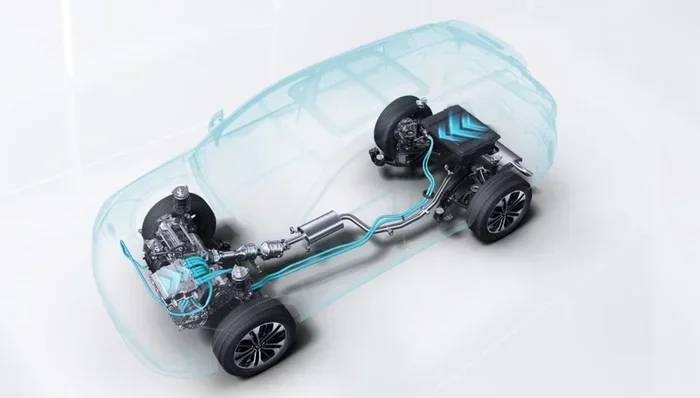
- The high-voltage hybrid battery: This is the larger, main battery pack that powers the electric motor. It typically operates at 200 to 400 volts.
When people say their “hybrid battery is dead,” they usually mean the 12-volt battery. The high-voltage battery rarely dies completely, but it can lose charge or malfunction. Knowing which battery is the problem changes everything about how you approach a jump-start.
How the Hybrid Powertrain Switches Between Power Sources
Hybrid cars seamlessly switch between electric and gas power. The high-voltage battery feeds the electric motor, while the gas engine kicks in during acceleration or at higher speeds. The 12-volt battery manages all the electronics and controls that coordinate this process.
When the 12-volt battery dies, the entire system goes dark. The car can’t communicate between the two battery systems, and you get that dreaded “dead car” feeling. That’s where jump-starting comes in.
Can You Jump-Start a Hybrid Battery? Yes, But Here’s How
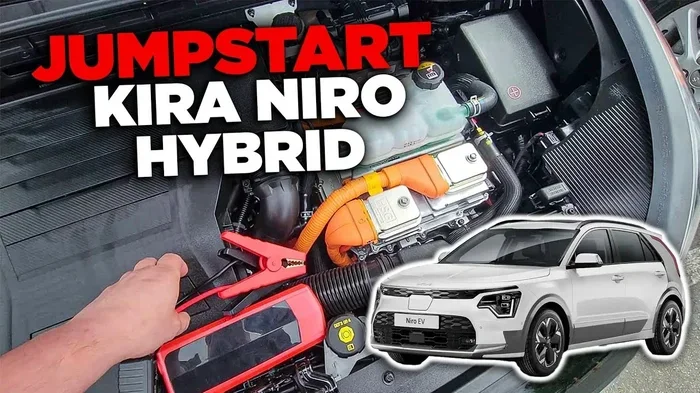
The short answer is yes. But the long answer requires a bit more detail. You jump-start the 12-volt auxiliary battery, not the high-voltage hybrid battery. Attempting to jump-start the high-voltage system directly can be dangerous and may cause permanent damage to your vehicle.
Here’s why this matters. The high-voltage battery in your hybrid operates at hundreds of volts. That’s enough to deliver a serious shock if handled incorrectly. The 12-volt battery, on the other hand, is safe to work with using standard jumper cables and another vehicle.
If you’ve ever jump-started a regular car, the process for the 12-volt battery in a hybrid is very similar. The key difference is where you connect the cables. Let’s walk through it step by step.
Step-by-Step Guide to Jump-Starting Your Hybrid
Follow these steps carefully. Don’t skip or rearrange them, as the order matters for safety.
- Turn off both vehicles. Make sure the car providing the jump and your hybrid are both completely powered down.
- Locate the 12-volt battery. In most hybrids, this battery is in the trunk or under a hood panel. Check your owner’s manual if you’re unsure.
- Connect the red clamp to the positive terminal of the dead battery. Look for a “+” symbol or red marking.
- Connect the other red clamp to the positive terminal of the working battery.
- Connect the black clamp to the negative terminal of the working battery.
- Connect the last black clamp to an unpainted metal surface on your hybrid’s frame. This grounds the circuit safely and reduces sparking near the battery.
- Start the working vehicle first. Let it run for a few minutes to charge the dead battery.
- Try starting your hybrid. If it starts, let it run for at least 15 minutes to recharge the 12-volt battery.
- Disconnect the cables in reverse order. Black first, then red. Remove them from your car last.
That’s it. You’ve successfully jump-started your hybrid without touching the high-voltage system. Simple, right?
Can You Use Jumper Cables on a Hybrid?
Yes, standard jumper cables work fine for the 12-volt battery. However, always check your owner’s manual for any specific warnings. Some hybrid manufacturers recommend using cables with a lower gauge for a stronger charge. If you frequently deal with dead batteries, consider investing in a portable jump starter designed for hybrid vehicles.
For more details on using jumper cables safely with hybrid systems, check out our guide on can jumper cables be used on a hybrid.
Common Mistakes People Make When Jump-Starting a Hybrid
Even with good intentions, mistakes happen. Here are the most common errors that can damage your hybrid battery or put you at risk.
Connecting Cables to the Wrong Battery
The biggest mistake is confusing the 12-volt battery with the high-voltage battery pack. The high-voltage battery is typically larger and has bright orange cables running to it. Never attempt to jump-start or connect anything to this battery. Doing so can cause electrical shorts, battery damage, or even injury.
Ignoring the Hybrid Warning Lights
Hybrid dashboards have unique warning lights that traditional cars don’t have. If you see a red triangle or a battery-shaped warning light flashing, pay attention. These signals indicate a deeper issue that a simple jump-start won’t fix. Ignoring them and repeatedly trying to jump-start the car can make things worse.
Using the Wrong Ground Point
Always connect the final black clamp to a metal part of the car’s frame, not directly to the battery’s negative terminal. This prevents sparks near the battery, which is especially important in hybrid vehicles where the battery system is more sensitive.
Forgetting to Let the Battery Recharge
After a successful jump-start, many people turn the car off immediately. Don’t do this. Let your hybrid run for at least 15 to 20 minutes so the 12-volt battery can recharge fully. If the battery was deeply discharged, you may need to drive the car for 30 minutes or more.
When a Jump-Start Won’t Work
Sometimes, even following every step correctly won’t get your hybrid started. Here’s what might be going wrong and when it’s time to call for help.
Dead High-Voltage Hybrid Battery
If the 12-volt battery is fine but the high-voltage hybrid battery is depleted, a standard jump-start won’t help. You’ll need a professional to diagnose and potentially replace the high-voltage pack. This is a much more expensive repair, but it’s not always a death sentence for your vehicle.
Interestingly, a hybrid can sometimes run on gas alone if the electric motor isn’t functioning. However, this puts extra strain on the gas engine and isn’t a long-term solution. To learn more about this, read our article on can you drive a hybrid on gas only.
Faulty Alternator or Voltage Regulator
A jump-start might work temporarily, but if your alternator is failing, the battery will die again within a few days. Signs of a bad alternator include dimming headlights, a battery warning light on the dashboard, or electrical accessories running slow.
Corroded Battery Terminals
Corrosion on the battery terminals can prevent a proper connection, even with new jumper cables. Look for white or blue-green powdery buildup on the terminals. Cleaning them with a wire brush and a baking soda solution often solves the problem.
The Hybrid System Needs a Reset
Sometimes the hybrid computer system needs a reset after a jump-start. To do this, turn the car off, disconnect the 12-volt battery for 30 seconds, and reconnect it. This clears any error codes and allows the system to recalibrate.
How to Prevent a Dead Hybrid Battery
The best way to deal with a dead hybrid battery is to never let it happen in the first place. Prevention is always easier and cheaper than a fix.
Regular Driving Keeps the Battery Healthy
Hybrid batteries rely on a combination of driving and regenerative braking to stay charged. If your car sits unused for long periods, the 12-volt battery can drain. Try to drive your hybrid at least a few times a week, even if it’s just a short trip around the block.
Get Regular Maintenance Checks
During routine oil changes or service appointments, ask your mechanic to check the 12-volt battery voltage. A healthy 12-volt battery should read 12.6 volts or higher when the car is off. Anything below 12.2 volts means it’s time to consider a replacement.
Watch for Warning Signs
Don’t ignore subtle signs that your battery is struggling. Slow cranking, dim interior lights, or a dashboard warning light are all early indicators. Addressing these issues early can prevent a dead battery situation altogether.
Consider a Battery Maintainer
If you don’t drive your hybrid often, a battery maintainer (also called a trickle charger) can keep the 12-volt battery topped off. These devices plug into a standard outlet and deliver a low, steady charge. They’re inexpensive and can extend your battery life significantly.
For those wondering about charging options, you might also be interested in charging your hybrid car at home, which covers different ways to keep your hybrid system powered up.
How Long Does a Hybrid Battery Last?
One of the most common questions hybrid owners ask is about battery lifespan. The truth is that hybrid batteries are designed to last a long time, but they don’t last forever.
Most hybrid batteries last between 8 and 15 years, depending on driving habits, climate, and maintenance. The 12-volt auxiliary battery typically lasts 3 to 5 years, similar to a regular car battery. High temperatures, short trips, and frequent stop-and-go driving can shorten both battery lifespans.
If your hybrid is getting older and you’re dealing with frequent battery issues, it might be time to evaluate whether replacing the battery makes financial sense. In many cases, the cost of a new hybrid battery has dropped significantly in recent years, making replacement a viable option for older vehicles.
Curious about how long your hybrid might last overall? Check out our article on can a hybrid car last 10 years for a deeper look at hybrid vehicle longevity.
Key Takeaways
- Jump-start the 12-volt battery only: Never attempt to jump-start the high-voltage hybrid battery directly.
- Follow the correct cable connection order: Red to dead positive, red to good positive, black to good negative, black to unpainted metal on your car.
- Let the battery recharge after jumping: Drive or idle for at least 15 to 20 minutes before turning the car off.
- Watch for warning signs: Dim lights, slow cranking, and dashboard warnings signal battery trouble early.
- Preventative maintenance saves money: Regular checks and a battery maintainer can keep your hybrid battery healthy for years.
- Know when to call a professional: If jump-starting doesn’t work or you suspect a high-voltage battery issue, seek expert help.
Frequently Asked Questions
Can You Jump-Start a Hybrid with a Regular Car?
Yes, you can jump-start a hybrid using a regular car. The process is almost identical to jump-starting a traditional vehicle. Just make sure you’re connecting the cables to the hybrid’s 12-volt auxiliary battery, not the high-voltage hybrid battery pack.
Is It Safe to Jump-Start a Hybrid in the Rain?
Jump-starting any car in the rain carries some risk, but hybrids are generally safe to handle in wet conditions. Just make sure your hands and the cables are dry, and avoid standing in puddles while working. The 12-volt system operates at the same voltage as a regular car, so standard rain safety applies.
How Long Should I Drive After Jump-Starting My Hybrid?
Drive your hybrid for at least 15 to 20 minutes after a jump-start to allow the 12-volt battery to recharge. If the battery was completely dead, you may want to drive for 30 minutes or more. If the battery keeps dying, there may be an underlying issue that needs professional attention.
What Happens If You Accidentally Connect to the High-Voltage Battery?
Connecting jumper cables to the high-voltage battery can cause severe electrical damage, blown fuses, or personal injury. The high-voltage system operates at 200 to 400 volts, which is dangerous. If this happens, do not touch the cables and call a professional immediately.
Can a Dead Hybrid Battery Be Recharged Without Replacing It?
In many cases, yes. If the high-voltage battery is simply depleted from lack of use, driving the hybrid regularly can recharge it. However, if the battery cells are damaged or degraded, a recharge won’t help. A mechanic can test the battery’s health and advise whether replacement is necessary.
Does Jump-Starting a Hybrid Void the Warranty?
Generally, no. Following the manufacturer’s recommended jump-start procedure won’t void your warranty. However, improper jump-starting — such as connecting to the wrong battery or using damaged cables — could potentially cause damage that isn’t covered. Always refer to your owner’s manual for guidance.
Final Thoughts
Jump-starting a hybrid battery doesn’t have to be scary. The key is understanding that your hybrid has two battery systems, and you only need to work with the 12-volt one. Follow the correct steps, respect the high-voltage system, and you’ll be back on the road in no time.
Taking care of your hybrid battery goes beyond just jump-starting. Regular maintenance, smart driving habits, and paying attention to warning signs all contribute to a longer-lasting, more reliable vehicle. The more you understand about how your hybrid works, the better equipped you’ll be to handle any issue that comes your way.
Keep this guide bookmarked for the next time you’re facing a dead battery. And remember, when in doubt, it never hurts to call a trusted mechanic. Your hybrid investment is worth protecting, and a little knowledge goes a long way toward keeping it running smoothly for years to come.