Can a Car Run Without a Battery Heres the Full Answer
Yes, a car can technically run without a battery, but only under specific conditions. The alternator powers the electrical system once the engine is running, so a dead battery won’t stop a car from driving. However, starting the engine without any battery power is extremely difficult. Hybrids and electric vehicles have different rules entirely.
This is a comprehensive guide about Can a Car Run Without a Battery?.
Key Takeaways
- A running car can operate without a battery: The alternator takes over once the engine is on and supplies power to all electrical systems.
- Starting a car without a battery is very hard: You need some power to crank the engine and fire up the ignition system.
- Hybrids work differently: They use a smaller 12V battery and a high-voltage traction pack, which changes how they run without a traditional battery.
- Old carbureted cars are the exception: These older vehicles can sometimes run with a dead battery if they use a manual choke and points ignition.
- Replacing a dead battery is affordable: Most standard car batteries cost between $50 and $120 and take about 30 minutes to swap.
- Watch for warning signs: Dim lights, slow cranking, and dashboard warnings all point to a failing battery before it dies completely.
[FEATURED_IMAGE_PLACEHOLDER]
Can a Car Run Without a Battery Heres the Full Answer
You turn the key or press the push button and nothing happens. Your car battery is dead. Now what? You might wonder if you can just keep driving without it. The short answer is yes, a car can run without a battery, but the full story is more interesting than that.
Your vehicles electrical system is more complex than most people realize. The battery plays a key role during startup, but once the engine is running, the alternator takes over. It generates electricity and sends it to every electrical component in your car. So a dead battery doesnt automatically mean a dead car.
In this article, well walk through exactly what happens when a car runs without a battery. Well cover gasoline engines, hybrid systems, and even older vehicles. Youll learn what works, what doesnt, and how to handle a dead battery situation like a pro.
How a Cars Electrical System Works
To understand whether a car can run without a battery, you need to know how the electrical system actually works. Its simpler than it sounds, and once you get it, everything else falls into place.
The Role of the Battery
The battery stores electrical energy. Its job is to deliver a burst of power to the starter motor. That motor cranks the engine and gets it running. The battery also powers the lights, radio, and electronic control unit when the engine is off.
A standard car battery holds about 12.6 volts. When its fully charged, it can deliver enough power to turn over the engine even on a cold morning. But once the engine starts, the battery steps back and lets the alternator do the heavy lifting.
The Role of the Alternator
The alternator is the real workhorse of your electrical system. It converts mechanical energy from the engine into electrical energy. As long as the engine is running, the alternator produces power.
Here is how it works in simple terms:
- The engine turns the alternator belt.
- The alternator generates alternating current.
- A rectifier converts that current to direct current.
- The power flows to the battery and electrical systems.
This means that once your car is running, the alternator supplies power to everything. The headlights, fuel pump, fuel injection system, and even the radio all run on alternator power. The battery just sits there and gets recharged at the same time.
What Happens When the Battery Dies While Driving
Here is the good news. If your battery dies while you are driving, the car keeps running. The alternator provides all the power needed. You might notice some electrical issues though. The lights might dim slightly. The radio might flicker. Power steering might feel a bit heavier in some models.
But the engine itself will keep going. The alternator was designed to handle this scenario. It powers the ignition system, the fuel injectors, and all the sensors that keep your engine running smoothly.
Can You Start a Car Without a Battery
This is where things get tricky. Starting a car without any battery power is a whole different story from keeping it running. The short answer is no, not easily.
Why You Need a Battery to Start
Starting a car requires a lot of energy. The starter motor needs anywhere from 100 to 200 amps to turn the engine over. No alternator in the world can produce that kind of burst of power. Only a battery can.
Think of it like pushing a heavy cart. The battery gives you the big push to get it moving. Once its rolling, the alternator keeps it going with much less effort. Without that initial push, the engine simply wont crank.
Also, modern cars rely on the battery to power the engine control module. This computer manages fuel delivery, ignition timing, and emissions. Without it, the car cant run even if you somehow got the engine turning over.
Can You Push Start a Car Without a Battery
On older cars with manual transmissions, you can push start or roll start the vehicle. This works because the engine gets the mechanical push it needs to turn over. But this trick usually only works on older vehicles with simple ignition systems.
Modern fuel-injected cars are a different story. They need the engine control module to be active before fuel can be injected. A completely dead battery means the module is offline. So push starting a modern car with no battery power is nearly impossible.
If you have a manual transmission and a dead battery, you can try rolling down a hill and popping the clutch. But this is a temporary fix at best. Get the battery charged or replaced as soon as possible.
What Happens in Different Car Types
Not all cars are the same when it comes to running without a battery. Gasoline engines, diesel engines, and hybrid systems all behave differently. Lets break it down.
Gasoline Cars
Most gasoline cars follow the same pattern. The battery starts the engine. The alternator keeps everything running. If your battery dies while driving, you can keep going until you turn off the engine. Once off, you wont be able to restart without a working battery or a jump.
Some older gasoline cars with carburetors and points ignition can run with a dead battery. They dont rely as heavily on electronic systems. But these vehicles are rare on the road today.
Diesel Cars
Diesel engines use glow plugs to heat the combustion chamber before startup. These glow plugs need battery power. So a dead battery means a diesel car wont start either.
However, once a diesel engine is running, it is less dependent on electronics than a gasoline engine. The alternator powers everything, and the engine can keep running with a dead battery. Some large diesel trucks can even run without any electrical system at all, using pure mechanical injection.
Hybrid Cars
Hybrids add a layer of complexity. They have a small 12V battery and a high-voltage traction battery pack. The 12V battery manages the cars computers and accessories. The traction battery powers the electric motor.
Can a hybrid run without its 12V battery? Usually no. The cars computer systems need that small battery to function. Without it, the hybrid cant start or switch between power modes. Can A Hybrid Run Without Gas? Yes, it can run on electric power alone if the traction battery is charged. But without the 12V battery, nothing happens at all.
If you own a hybrid and your 12V battery is dead, you can try jump starting a hybrid with another vehicle or a portable booster. Most hybrids have a dedicated jump start terminal under the hood.
Electric Vehicles
Electric vehicles are different from hybrids. They use a large battery pack for propulsion. But they still have a small 12V battery for the computers and accessories.
An electric car cannot run without its 12V battery. The main traction battery pack cant communicate with the systems that control it. So even though an EV has thousands of pounds of battery power, it still needs that small 12V battery to start and operate.
Signs Your Battery Is Failing
The best way to deal with a dead battery is to prevent it from dying in the first place. Your car gives you plenty of warning signs before a battery completely fails.
Slow Engine Crank
This is the most obvious sign. When you turn the key, the engine cranks slowly or weakly. It sounds like it is struggling. This means the battery is losing its ability to deliver the power needed to start the engine.
Dim Lights and Electrical Issues
Are your headlights dimmer than usual? Is the dashboard flickering? These are signs that the battery is not providing enough power. The electrical components in your car need consistent voltage to work properly.
Dashboard Warning Lights
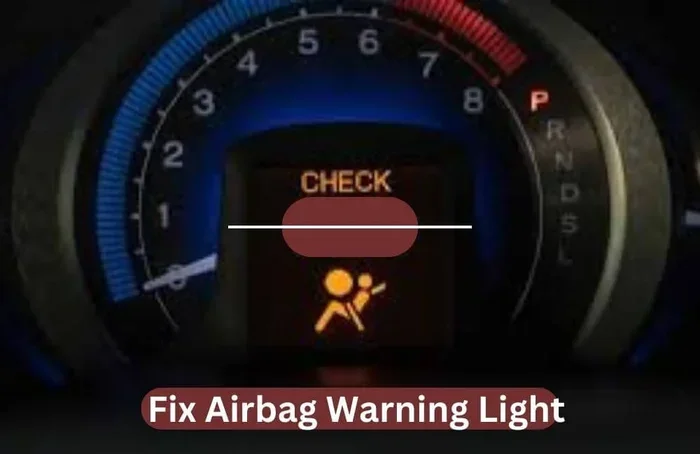
Modern cars have battery warning lights on the dashboard. If you see a battery-shaped icon, it means the charging system is not working properly. It could be the battery, the alternator, or the wiring between them.
Swollen or Bloated Battery Case
A battery that looks swollen or bloated is a serious problem. Heat and overcharging can cause the case to expand. A swollen battery is a safety hazard and needs to be replaced immediately.
How to Handle a Dead Battery on the Road
So you are stranded with a dead battery. What do you do? Here are some practical steps to get back on the road.
Step 1: Stay Calm and Pull Over Safely
Turn on your hazard lights and pull over to a safe spot. If you are on a highway, move to the right shoulder as far as possible. Put the car in park and turn off all accessories.
Step 2: Call for Help
If you are not able to jump start the car yourself, call roadside assistance. Most insurance plans include this service. You can also call a friend or family member who might have jumper cables.
In some situations, you might need to call a tow truck. If the battery is completely dead and wont hold a charge, a jump start might only be a temporary fix. You will need to replace the battery soon.
Step 3: Jump Start the Car
If you have jumper cables and another vehicle, you can jump start your car. Here is a quick guide:
- Park both vehicles close together but do not let them touch.
- Turn off both engines and all accessories.
- Connect the red clamp to the dead batterys positive terminal.
- Connect the other red clamp to the good batterys positive terminal.
- Connect the black clamp to the good batterys negative terminal.
- Connect the other black clamp to an unpainted metal surface on the dead car.
- Start the good car and let it run for a few minutes.
- Try starting the dead car.
- Remove the cables in reverse order.
Step 4: Let the Car Run
After a successful jump start, let the car run for at least 20 minutes. This gives the alternator time to recharge the battery. If you turn the car off too soon, the battery might not have enough charge to start again.
Keep in mind that a jump start is not a permanent solution. If the battery is old or damaged, it will die again. Have it tested at an auto parts store. Most stores will test your battery for free.
Common Mistakes People Make With Dead Batteries
There are some common mistakes that people make when dealing with a dead battery. Avoiding these can save you time, money, and frustration.
Leaving Lights and Accessories On
This is the number one cause of dead batteries. Forgetting to turn off the headlights or leaving the radio on overnight can drain the battery completely. Make it a habit to check before you walk away from the car.
Ignoring Warning Signs
Many people ignore the warning signs until the battery is completely dead. A slow crank or dim lights might seem minor, but they are red flags. Addressing them early can save you from getting stranded.
Using the Wrong Battery
Not all batteries are the same. Using the wrong size or type can cause electrical problems. Check your owners manual for the correct battery specifications. The group size, cold cranking amps, and terminal placement all matter.
Skipping Regular Maintenance
Battery terminals can corrode over time. White or blue powdery buildup on the terminals can interrupt the electrical connection. A simple cleaning with a wire brush and baking soda solution can prevent this problem.
How to Extend Battery Life
A good battery lasts between three and five years on average. But you can extend that life with a few simple habits.
- Drive your car regularly: Short trips dont give the alternator enough time to fully recharge the battery.
- Keep the terminals clean: Remove corrosion with a wire brush and baking soda paste.
- Turn off accessories when the engine is off: This includes the radio, lights, and phone chargers.
- Check the battery voltage regularly: A healthy battery should read 12.6 volts or higher with the engine off.
- Avoid extreme temperatures when possible: Both extreme heat and cold shorten battery life.
In cold weather, a weak battery can fail unexpectedly. If you live in a cold climate, consider a battery blanket or heater. These devices keep the battery warm during freezing nights and make starting much easier. Cold weather is one of the biggest reasons batteries fail, so extreme temperatures can really impact your battery life and overall car health.
Also, if you have a keyless entry car, the key fob battery can die and cause confusion. You might think your car battery is dead when its actually just the key fob. Can You Start A Keyless Car With A Key? Yes, most keyless cars have a physical backup key hidden in the fob. This can help you get into and start the car even when the fob battery is dead.
When to Replace Your Battery
Knowing when to replace your battery saves you from unexpected breakdowns. Here are the clear signs that replacement time has come.
- The battery is more than three years old.
- You need jump starts more than twice a year.
- The battery case is swollen or cracked.
- The dashboard warning light stays on.
- The engine cranks slowly every time.
Replacing a car battery is one of the easiest and most affordable maintenance tasks. Most auto parts stores will even install it for you for free. The average cost ranges from $50 to $120 for a standard battery. Premium batteries with longer warranties cost more but last longer.
If you are replacing the battery yourself, always disconnect the negative terminal first. Reconnect the positive terminal first. This prevents short circuits and keeps you safe. Wear gloves and safety glasses to protect your hands and eyes from any acid or corrosion.
Frequently Asked Questions
Can a car run forever without a battery if the alternator is working?
Not exactly. A car can run indefinitely with a working alternator and no battery while the engine is on. But you cannot turn the engine off and restart it without a battery. The alternator needs the battery to stabilize voltage and power the electronic systems. So in practical terms, you always need a functioning battery.
How long can you drive with a dead battery if the alternator is good?
You can drive as long as the engine is running with a good alternator. The car will continue to operate on alternator power alone. But if you turn off the engine, you will not be able to restart it. So drive directly to a repair shop or home and get the battery replaced.
Will a dead battery damage the alternator?
A dead battery can put extra strain on the alternator. The alternator has to work harder to charge a completely drained battery. Over time, this extra workload can wear out the alternator prematurely. Its best to replace a dead battery quickly rather than letting it sit.
Can you replace a car battery yourself?
Yes, replacing a car battery is one of the easiest DIY maintenance tasks. You need a wrench, gloves, and safety glasses. Disconnect the negative terminal first, then the positive. Remove the hold-down clamp, lift out the old battery, and install the new one. Reverse the steps to reconnect. Most stores will recycle your old battery for free.
Do electric cars have a traditional 12V battery?
Yes, electric cars still have a small 12V battery. This battery powers the computers, lights, and accessories. The main traction battery pack is a separate high-voltage system that drives the electric motors. Without the 12V battery, the car cannot start or manage its systems, even though the main battery is fully charged.
How can I tell if my alternator or battery is the problem?
A simple test can help you figure this out. Start the car and disconnect the negative battery terminal. If the engine dies, the alternator is not charging properly. If the engine keeps running, the alternator is working fine and the battery is the problem. Auto parts stores also offer free testing for both the battery and alternator.
Final Thoughts
The answer to whether a car can run without a battery is both yes and no. A car can run while driving with a dead battery, thanks to the alternator. But you cannot start a car without any battery power at all. The battery is essential for the initial crank that gets the engine going.
Understanding how your cars electrical system works helps you handle battery problems with confidence. Whether you drive a gasoline car, a hybrid, or an electric vehicle, the battery plays a critical role. Keep an eye on the warning signs, maintain your battery properly, and replace it when needed.
A dead battery is one of the most common car problems, but it is also one of the easiest to fix. With a set of jumper cables, a portable booster, or a simple trip to the auto parts store, you can be back on the road in no time. The key is to act quickly and not ignore the signs. Your car battery works hard every day to keep you moving. Give it the care it deserves, and it will keep you on the road for years to come.
Frequently Asked Questions
What is Can a Car Run Without a Battery??
Can a Car Run Without a Battery? is an important topic with many practical applications.