Can a Coolant Leak Cause Overheating and Engine Damage
Yes, a coolant leak can absolutely cause your engine to overheat and lead to serious damage. When your cooling system loses fluid, it cannot regulate engine temperature properly. Ignoring a coolant leak is one of the fastest ways to destroy your engine and face thousands of dollars in repairs. This guide covers everything you need to know about coolant leaks, overheating, and how to keep your car running safely.
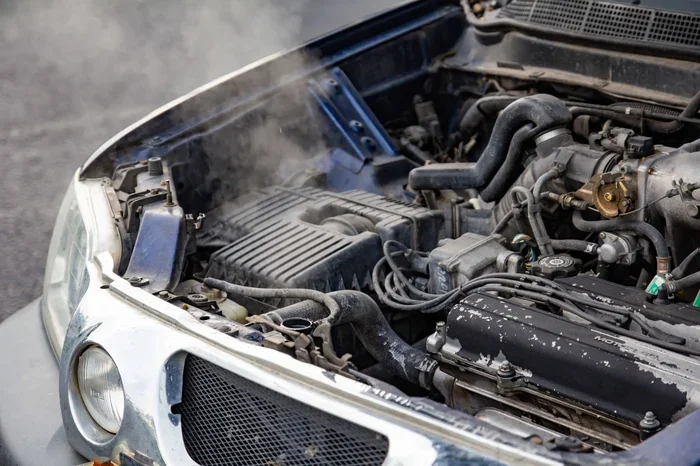
You are driving down the road. Suddenly, your temperature gauge starts climbing. Steam rises from under the hood. You pull over, pop the hood, and notice a puddle of green or orange fluid underneath your car. What just happened?
Most likely, you are dealing with a coolant leak. And if you are wondering whether a coolant leak can cause overheating and engine damage, the answer is a very loud yes. A coolant leak is one of the most common reasons engines overheat. And overheating is one of the most common ways engines get destroyed.
Your car’s cooling system is designed to keep your engine running at the right temperature. It circulates coolant through the engine block, absorbs heat, and sends that heat to the radiator where it cools down. When a leak develops, the system loses pressure and fluid. Without enough coolant, heat builds up fast. And heat is the number one enemy of any engine.
In this article, we will walk you through exactly how a coolant leak causes overheating, what kind of engine damage can follow, the most common causes of leaks, and what you should do right now if you suspect one. Whether you are dealing with a slow drip or a full-on puddle, this guide has you covered.
Key Takeaways
- Coolant leaks starve the engine of cooling fluid, causing temperatures to spike rapidly.
- Even a small leak can lead to catastrophic engine damage if left unchecked.
- Common causes include worn hoses, a failing water pump, and a damaged radiator.
- Early warning signs include a rising temperature gauge, puddles under your car, and a sweet smell.
- Regular maintenance and coolant flushes can prevent most leaks before they start.
- Driving with a known coolant leak is risky and can result in a seized engine.
- Fixing a coolant leak early is far cheaper than replacing a damaged engine.
📑 Table of Contents
- How a Coolant Leak Leads to Overheating
- Common Causes of Coolant Leaks
- Signs Your Car Is Overheating from a Coolant Leak
- Can a Coolant Leak Cause Engine Damage?
- How to Prevent Coolant Leaks and Overheating
- What to Do If You Notice a Coolant Leak
- How Much Does It Cost to Fix a Coolant Leak?
- Key Takeaways on Coolant Leaks and Engine Damage
- Conclusion
How a Coolant Leak Leads to Overheating
To understand why a coolant leak causes overheating, you need to understand how your cooling system works. It is actually pretty simple. Coolant flows through channels inside your engine block. As it flows, it picks up heat from the combustion chambers. Then it travels to the radiator, where air flowing through the fins cools it down. The cooled fluid cycles back through the engine, and the process repeats.
But this system depends on one critical thing: having enough coolant. When a leak develops, the fluid level drops. Less fluid means less heat absorption. The engine starts running hotter than it should. The thermostat opens at higher temperatures. The fan kicks on more often. But none of that can fully compensate for the lost fluid.
Over time, the temperature climbs past safe limits. The engine starts to warp. Gaskets begin to fail. And if it keeps going, you are looking at a very expensive repair bill.
The Role of Coolant Pressure
Your cooling system operates under pressure. That pressure raises the boiling point of the coolant, allowing it to absorb more heat without turning to steam. When a leak develops, pressure drops. And when pressure drops, the coolant boils at a lower temperature. This means your coolant can turn into steam even at normal operating temperatures. Steam does not cool as effectively as liquid coolant. So your engine overheats even faster.
You might notice a hissing sound or see steam coming from under the hood. These are clear signs that pressure has been lost. Do not ignore them. Even if the leak seems small, the damage can be big.
Can a Car Overheat in the Winter Because of a Leak?
Many people assume overheating only happens in summer. That is not true. A coolant leak can cause overheating in any season, including winter. Cold weather actually makes the problem worse in some ways. Coolant can thicken in freezing temperatures. A low coolant level means even less fluid to circulate. And if the temperature drops below freezing, remaining coolant can turn to ice and block passages entirely.
So if you live in a cold climate and notice a puddle under your car, do not assume it is just condensation. Get it checked. Can a car overheat in the winter? Absolutely, and a coolant leak is one of the top reasons why.
Common Causes of Coolant Leaks
Coolant leaks do not just happen out of nowhere. There is almost always a reason. Understanding the common causes can help you spot problems early and prevent them from getting worse.
Worn or Damaged Radiator Hoses
Radiator hoses are the rubber tubes that carry coolant between the engine and the radiator. They take a beating every time you drive. Heat, vibration, and pressure wear them down over time. Eventually, they crack, swell, or develop pinhole leaks. A cracked radiator hose is one of the most common sources of coolant leaks. It is also one of the easiest and cheapest to fix.
You can often spot a failing hose by looking at it. Does it feel soft or spongy? Are there visible cracks or bulges? If so, replace it before it fails completely. A hose that bursts while you are driving can drain your entire cooling system in seconds.
Failing Water Pump
The water pump is the heart of your cooling system. It pushes coolant through the engine and radiator. Over time, the pump’s seals wear out. When they do, coolant leaks from the front of the engine. You might notice a small puddle near the front of your car or hear a whining noise from the engine bay.
A failing water pump is a serious issue. Without a working pump, coolant cannot circulate. Even if there is no visible leak, a broken pump means your engine will overheat. If you suspect your water pump is failing, get it checked right away.
Cracked or Damaged Radiator
The radiator itself can develop cracks over time. Road debris, corrosion, and age all take a toll. A cracked radiator often leaks from the bottom or from the seams between the tanks and the core. Because the radiator is at the front of the car, it is also vulnerable to damage from rocks, bugs, and minor collisions.
Radiator leaks can be tricky to find because the coolant sprays into the engine bay and evaporates, leaving only a faint residue. If you see white or greenish streaks on the engine, that is a strong sign of a radiator leak.
Blown Head Gasket
A head gasket sits between the engine block and the cylinder head. It seals the combustion chambers and keeps coolant and oil from mixing. When a head gasket fails, coolant can leak into the cylinders or into the oil passages. This is one of the most serious causes of coolant leaks because it often leads to significant engine damage.
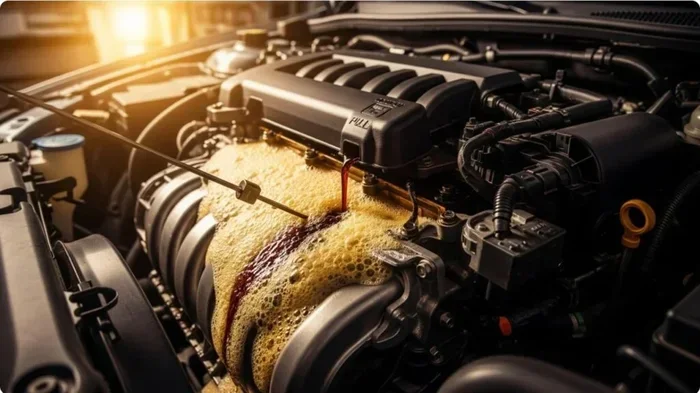
Signs of a blown head gasket include white smoke from the exhaust, a milky residue on the oil cap, and persistent overheating. If you notice any of these symptoms, stop driving and get your car to a mechanic immediately.
Leaking Coolant Reservoir or Radiator Cap
The coolant reservoir holds extra fluid and allows the system to expand and contract as temperatures change. A cracked reservoir or a loose cap can cause slow leaks. These are often the easiest leaks to overlook because they happen gradually. You might just notice your coolant level dropping over time without any obvious puddle.
The radiator cap itself maintains system pressure. A weak or faulty cap can cause coolant to escape through the overflow tube. Replacing a radiator cap is one of the cheapest repairs you can do, but ignoring it can lead to bigger problems.
Signs Your Car Is Overheating from a Coolant Leak
Knowing the warning signs of overheating can save your engine. The sooner you catch the problem, the less damage you will face.
Rising Temperature Gauge
This is the most obvious sign. Your temperature gauge normally sits in the center of the dial. If it starts climbing toward the hot zone, something is wrong. Do not ignore it. Do not assume it will cool down on its own. Pull over safely and turn off the engine.
Steam or Smoke from the Hood
If you see steam billowing from under the hood, your engine is overheating. The coolant has likely reached its boiling point and is turning to steam. Pull over immediately. Opening the hood while the system is pressurized can cause burns. Wait a few minutes for the steam to subside before checking anything.
Sweet Smell Under the Hood
Coolant has a sweet, almost syrupy smell. If you notice this smell inside or outside your car, you likely have a leak. Coolant is toxic to pets and small children, so clean up any puddles quickly and keep them away from animals.
Puddles Under Your Car
A puddle of green, orange, pink, or blue fluid under your parked car is a clear sign of a coolant leak. Do not let it sit. Even a small puddle means your system is losing fluid, and that can lead to overheating.
Loss of Power or Poor Performance
When your engine runs too hot, it does not perform well. You might notice sluggish acceleration, rough idling, or a general feeling that your car is not running right. These symptoms often appear before the temperature gauge spikes, so pay attention to how your car feels.
Can a Coolant Leak Cause Engine Damage?
This is the question most car owners are really worried about. And the honest answer is: yes, a coolant leak can absolutely cause engine damage. But the extent of the damage depends on how long you let the leak go and how hot the engine gets.
When your engine overheats, several things can go wrong at the same time. The aluminum in the engine block and head can warp. Warped surfaces mean the gaskets cannot seal properly anymore. This creates a chain reaction of failures that can be very expensive to fix.
Cracked Engine Block
In extreme cases, the heat from an overheating engine can actually crack the engine block. A cracked block means coolant leaks into the oil passages or combustion chambers. This contaminates the oil, damages bearings, and can seize the engine entirely. A cracked engine block often means the engine needs to be replaced, not repaired.
Warped Cylinder Head
The cylinder head sits on top of the engine block. It can warp when exposed to excessive heat. A warped head causes poor compression, misfires, and oil leaks. In some cases, the head can be resurfaced by a machine shop. But if the warping is too severe, the head needs to be replaced. Either way, this is an expensive repair that could have been avoided with a simple coolant leak fix.
Damaged Catalytic Converter
When coolant leaks into the combustion chambers, it gets burned along with the fuel. This creates white smoke and deposits that can clog or damage your catalytic converter. A failed catalytic converter is one of the priciest emissions repairs you can face, often costing over a thousand dollars.
Can You Drive a Car with a Misfire Caused by Overheating?
Overheating from a coolant leak can cause misfires by damaging spark plugs, warping heads, or allowing coolant into the cylinders. If you are experiencing a misfire and your car has been overheating, the two problems are likely connected. Can you drive a car with a misfire? Technically yes, but not for long. Driving with a misfire can cause further damage to your catalytic converter and other components. Have the car towed to a shop if needed.
How to Prevent Coolant Leaks and Overheating
The good news is that most coolant leaks are preventable with regular maintenance. A little attention now can save you from a major repair bill later.
Check Your Coolant Level Regularly
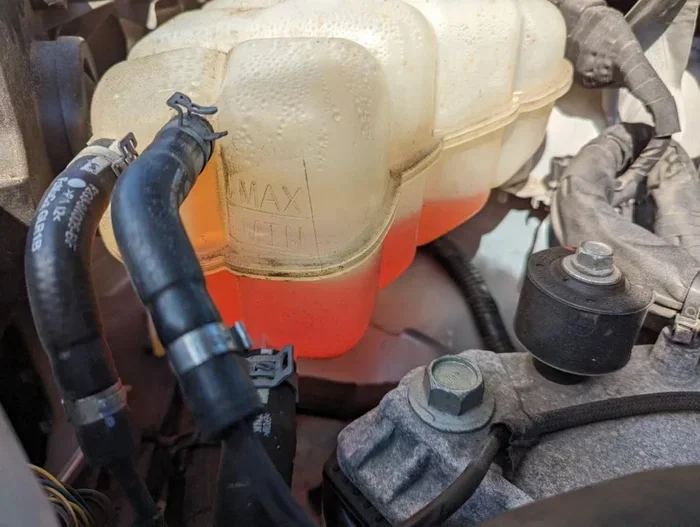
Get in the habit of checking your coolant level at least once a month. With the engine cool, open the reservoir and look at the fluid level. It should be between the minimum and maximum marks. If it is low, top it off with the correct type of coolant for your vehicle. If you find yourself adding coolant frequently, you have a leak somewhere. Find it and fix it.
Flush and Replace Coolant on Schedule
Coolant breaks down over time. Old coolant loses its ability to prevent freezing and boiling. It also becomes corrosive, which can eat away at metal surfaces and cause leaks. Most manufacturers recommend flushing the cooling system every 30,000 to 50,000 miles. Check your owner’s manual for the specific interval for your vehicle.
Inspect Hoses and Belts During Oil Changes
Every time you get an oil change, ask your mechanic to inspect the cooling system hoses and belts. Look for cracks, swelling, or soft spots. A hose that looks fine on the outside can be failing on the inside. Replacing a hose is a quick and inexpensive job. Replacing an engine is not.
Watch for Warning Signs
Do not wait for the temperature gauge to spike. By then, damage may already be occurring. If you notice a sweet smell, a puddle under your car, or a slight rise in temperature, investigate immediately. Early action is the key to avoiding engine damage.
Can an Electric Car Overheat from a Coolant Leak?
Electric cars still have cooling systems, though they work differently. Most EVs use coolant to regulate battery temperature and motor performance. A coolant leak in an electric vehicle can absolutely cause overheating, though the symptoms and consequences may differ from a gas-powered car. If you drive an EV, do not assume you are immune to overheating problems.
What to Do If You Notice a Coolant Leak
If you suspect a coolant leak, do not panic. But do act quickly. Here is what you should do step by step.
- Pull over safely and turn off the engine. Let the car cool down for at least 15 to 20 minutes before opening the hood.
- Check the coolant level. If the reservoir is empty or very low, you have a leak. Do not open the radiator cap while the engine is hot.
- Look for visible leaks. Check under the car for puddles. Look at the hoses, radiator, and water pump for wet spots or drips.
- Call for help if needed. If you cannot identify the source of the leak or the engine is hot, do not keep driving. Call a tow truck and get the car to a repair shop.
- Keep a spare bottle of coolant in your trunk. In an emergency, adding coolant can help you get to a shop safely. But this is only a temporary fix, not a long-term solution.
Remember, driving with a coolant leak is a gamble. Every mile you drive risks more damage. The safest choice is always to stop and get professional help.
How Much Does It Cost to Fix a Coolant Leak?
The cost depends entirely on what is causing the leak. A simple radiator hose replacement might cost between $50 and $150. A new radiator cap can be as low as $10 to $30. But if the leak has caused engine damage, the costs can skyrocket.
A head gasket replacement typically runs between $1,000 and $2,000. A cracked engine block or warped cylinder head can push the bill well above $3,000. And in the worst cases, a full engine replacement can cost $5,000 or more.
The takeaway is clear. Fixing a small coolant leak early costs a fraction of what repairing engine damage costs. Do not let a minor leak turn into a major disaster.
Key Takeaways on Coolant Leaks and Engine Damage
A coolant leak is not something you should brush off. It is a clear signal that your cooling system is compromised. And a compromised cooling system means your engine is at risk of overheating and serious damage.
The most important thing to remember is this: speed matters. The faster you identify and fix a coolant leak, the better your chances of avoiding expensive repairs. Whether it is a worn hose, a failing water pump, or a blown head gasket, every minute you wait gives heat more time to do damage.
Stay on top of your maintenance schedule. Check your coolant levels regularly. And never ignore the warning signs. Your engine works hard for you. Give it the care and attention it deserves.
Conclusion
So, can a coolant leak cause overheating and engine damage? The answer is an emphatic yes. A coolant leak strips your engine of the fluid it needs to stay cool. Without proper cooling, temperatures rise, components warp, and gaskets fail. The damage can range from a simple hose replacement to a complete engine failure.
The good news is that you have the power to prevent this. Regular maintenance, quick responses to warning signs, and a basic understanding of how your cooling system works can keep your engine healthy for years to come. Do not wait until the temperature gauge hits the red zone. Take action now. Your wallet and your engine will thank you.
Stay vigilant. Stay safe. And never underestimate the power of a simple coolant check.
Frequently Asked Questions
How long can I drive with a coolant leak?
You should not drive at all with a known coolant leak. Even a short drive can cause the engine to overheat and sustain serious damage. Pull over safely and call for a tow if you notice a coolant leak while driving.
Can a small coolant leak cause engine damage?
Yes, even a small leak can cause engine damage over time. A slow leak may not cause immediate overheating, but as the fluid level drops, the engine loses its ability to cool properly. Small leaks can turn into big problems quickly.
What color is coolant when it leaks?
Coolant is typically green, orange, pink, or blue depending on the type. It has a slightly syrupy consistency and a sweet smell. If you notice a puddle of colored fluid under your car, it is likely coolant and should be addressed immediately.
Can I just add coolant without fixing the leak?
Adding coolant without fixing the leak is only a temporary solution. The fluid will continue to leak out, and you will eventually run low again. More importantly, driving with a leak risks overheating and engine damage. Always fix the source of the leak.
How do mechanics find coolant leaks?
Mechanics use several methods to find coolant leaks, including visual inspection, pressure testing the cooling system, and using UV dye that glows under a special light. These tools help pinpoint even small or hard-to-find leaks quickly and accurately.
Is it safe to drive after the coolant leak is fixed?
Yes, once the leak has been properly repaired and the system has been refilled with fresh coolant, it is safe to drive. However, monitor your temperature gauge closely for the first few drives to make sure everything is working as it should.