How Long to Unplug the Battery and Reset Check Engine Light
Unplugging your car battery for 15 to 30 minutes is usually enough to reset the check engine light. This simple trick clears stored error codes and gives your car’s computer a fresh start. However, the light may come back if the underlying problem is not fixed. Always disconnect the negative terminal first and follow safety steps to protect yourself and your vehicle.
That little orange engine light on your dashboard can send anyone into a panic. You are driving along, minding your own business, and suddenly the check engine light pops on. It is one of the most stressful moments for any car owner.
You start Googling. You wonder if your car is about to break down. You wonder if you need a new engine. The truth is, the check engine light often comes on for simple reasons. And one of the easiest fixes is a battery reset.
In this guide, you will learn exactly how long to unplug the battery and reset the check engine light. We will walk you through the steps, the timing, and what to expect. You will also learn when a reset works and when you need real repairs. Let us get into it.
Key Takeaways
- 15 to 30 minutes is the standard reset time: This allows the ECU to fully discharge and clear stored codes.
- Always disconnect the negative terminal first: This prevents short circuits and electrical damage.
- The light may return if the real problem persists: Resetting only clears the code, it does not fix the root cause.
- A drive cycle is needed after resetting: Your car needs to relearn settings through normal driving.
- An OBD-II scanner offers a faster alternative: You can clear codes without disconnecting the battery at all.
- Safety comes first: Wear gloves, turn off the engine, and wait 10 minutes before touching terminals.
📑 Table of Contents
- Why the Check Engine Light Comes On
- How to Unplug Your Battery to Reset the Light
- How Long Should You Wait?
- What Happens When You Disconnect the Battery
- Common Mistakes to Avoid
- Alternatives to Disconnecting the Battery
- When the Check Engine Light Comes Back After a Reset
- Safety Tips for Working With Your Car Battery
- How to Prevent the Check Engine Light from Coming Back
- Final Thoughts
Why the Check Engine Light Comes On
The check engine light is part of your car’s onboard diagnostics system. It is called OBD-II in most vehicles made after 1996. When the car’s computer detects something wrong, it stores a diagnostic trouble code and lights up your dashboard.
The light can mean a lot of different things. Sometimes it is nothing serious. Other times, it is a real problem that needs attention right away.
Common Reasons the Light Turns On
- Loose or faulty gas cap: This is the number one cause. A loose cap lets fuel vapors escape and triggers the emissions system warning.
- Oxygen sensor failure: This sensor measures unburned oxygen in your exhaust. When it fails, your fuel economy drops.
- Catalytic converter issues: A failing converter is expensive to fix and often causes the light to stay on.
- Mass airflow sensor problems: This sensor tells the computer how much air enters the engine. Dirty or faulty sensors cause misfires.
- Spark plug or ignition coil issues: Worn spark plugs can cause engine misfires that trigger the light. If you notice rough idling, check this first.
- EVAP system leaks: The evaporative emission control system can develop small leaks that set off the light.
It is important to understand that the check engine light is not a specific diagnosis. It is a general warning. You need a car diagnostic tool or scanner to read the exact code and find out what is really going on.
Some drivers ignore the light for weeks. This is a bad idea. A small problem like a loose gas cap can become a bigger issue if left unchecked. And if you are wondering whether you can keep driving with the light on, the answer depends on the cause. For example, you can drive a car with a misfire for a short distance, but doing so can cause further damage to your catalytic converter over time.
How to Unplug Your Battery to Reset the Light
Now let us get to the main question: how long to unplug the battery and reset the check engine light. The process is straightforward, but you need to follow the steps carefully. Rushing through it can cause problems.
What You Will Need
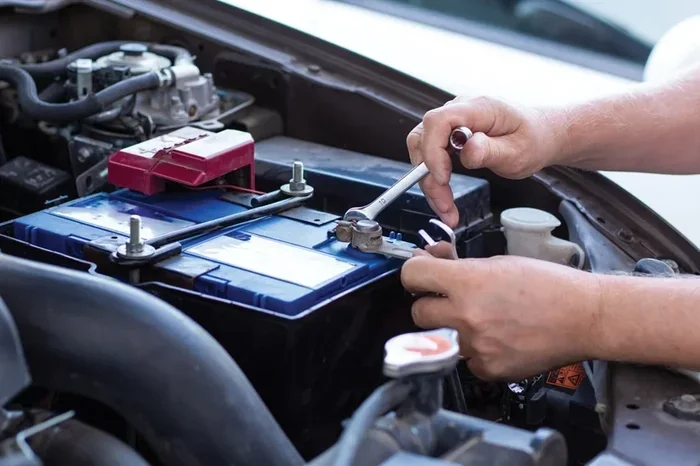
- A basic wrench set (usually 10mm for battery terminals)
- Safety gloves and eye protection
- A memory saver device (optional but helpful)
- A notebook to record radio presets and settings
Step-by-Step Process
Step 1: Turn off the engine and all accessories. Make sure your car is parked in a safe, flat area. Turn the ignition off and remove the key. Turn off the radio, lights, and everything else that draws power.
Step 2: Locate the battery. Open the hood and find the battery. Most cars have the battery in the engine bay, but some vehicles keep it in the trunk or under a seat. Check your owner’s manual if you are unsure.
Step 3: Identify the terminals. The battery has two terminals. The positive terminal is marked with a plus sign (+) and usually has a red cover. The negative terminal is marked with a minus sign (-) and usually has a black cover.
Step 4: Disconnect the negative terminal first. This is critical for safety. Use your wrench to loosen the nut on the negative terminal clamp. Once loose, carefully lift the cable off the terminal. Always disconnect the negative cable first to prevent short circuits.
Step 5: Disconnect the positive terminal. Now loosen and remove the positive cable the same way. Keep both cables away from the battery posts so they cannot accidentally touch.
Step 6: Wait the right amount of time. This is the part everyone wants to know about. Keep reading for the exact timing.
Step 7: Reconnect the positive terminal first. When you are ready to reconnect, put the positive cable back on first. Then reconnect the negative cable. Tighten both nuts securely.
Step 8: Start the engine and test. Turn the key and start your car. The check engine light should be off now. Drive for a few minutes and see if it stays off.
How Long Should You Wait?
This is the question everyone asks. The answer depends on your vehicle, but here are the general guidelines.
Minimum Wait Time
The minimum time you should wait is 15 minutes. This gives the car’s electrical system enough time to fully discharge. The ECU (Engine Control Unit) stores memory in short-term and long-term formats. Fifteen minutes clears most short-term codes.
Recommended Wait Time
For the best results, wait 30 minutes. This ensures the ECU completely resets and clears all stored diagnostic trouble codes. Thirty minutes is the sweet spot for most vehicles, whether you drive a sedan, truck, or SUV.
When You Need to Wait Longer
Some vehicles need more time. Here is when you might need to wait longer:
- Luxury vehicles: High-end cars with complex computer systems may need 45 minutes to an hour.
- Hybrid vehicles: Hybrid cars have additional battery systems. You may need to wait longer because the hybrid battery also stores energy and data.
- Vehicles with aftermarket electronics: If you have added alarms, stereos, or other electronics, they may hold a charge longer and delay the reset.
Quick Tip: If you are in a hurry, 15 minutes is enough for most standard vehicles. But if the light comes back after driving, wait the full 30 minutes next time or try a different method.
What Happens When You Disconnect the Battery
When you unplug the battery, you are essentially giving your car’s computer a fresh start. Here is what happens behind the scenes.
The ECU loses all stored error codes and learned adaptations. Your car’s idle settings, fuel trim values, and shift points all get wiped clean. When you reconnect the battery, the computer goes through a relearning process.
This relearning process is called a drive cycle. During the drive cycle, your car’s computer recalibrates itself based on your driving habits and conditions. The drive cycle can take anywhere from 50 to 100 miles of mixed driving to complete.
During this period, you may notice some changes in how your car feels. The idle might be slightly rough. The transmission might shift a little differently. These are normal and temporary. Your car is simply relearning its baseline settings.
Expert Insight: If you have a keyless car, be aware that disconnecting the battery may reset your key fob pairing in some models. You may need to re-pair your key after the reset. Check your owner’s manual for the specific re-sync procedure.
Common Mistakes to Avoid
Resetting the check engine light by disconnecting the battery is simple, but people make mistakes. Here are the most common ones and how to avoid them.
Mistake 1: Disconnecting the Positive Terminal First
This is the most dangerous mistake. Always disconnect the negative terminal first. If you remove the positive terminal first and your wrench touches any metal part of the car, you create a short circuit. This can fry your fuses, damage electronics, or even cause a spark and injury.
Mistake 2: Not Waiting Long Enough
Some people disconnect the battery for only five minutes and reconnect it. This is not enough time. The ECU needs at least 15 minutes to fully discharge. Waiting too short a time means the old codes may still be stored.
Mistake 3: Ignoring the Real Problem
This is the biggest mistake of all. Resetting the light does not fix the problem. If your gas cap is loose, tighten it. If your oxygen sensor is failing, replace it. A battery reset only clears the warning. It does not repair anything.
Mistake 4: Forgetting to Reset the Clock and Radio
When you disconnect the battery, your radio presets, clock, and power window settings may reset. Some cars also need a security code to unlock the radio after a battery disconnect. Write down your settings before you start.
Mistake 5: Driving Immediately After Reconnecting
Give your car a minute after reconnecting the battery. Turn the ignition to the “on” position (do not start) and wait 10 seconds. This lets the ECU boot up properly. Then start the engine and drive gently for the first few minutes.
Alternatives to Disconnecting the Battery
Disconnecting the battery is not the only way to reset the check engine light. There are other methods that are faster and sometimes better.
Method 1: Use an OBD-II Scanner
An OBD-II scanner is the most effective tool. You plug it into the diagnostic port under your dashboard. It reads the stored codes and lets you clear them with the push of a button. This method takes about two minutes and does not affect your radio settings or learned adaptations.
You can buy a basic OBD-II scanner for under $30. Some auto parts stores will read and clear codes for free. This is a great option if you do not want to mess with your battery.
Method 2: Turn the Ignition On and Off Three Times
This trick works on some older vehicles. Turn the ignition to the “on” position (do not start) and then back to “off.” Repeat this three times in a row. Some car models interpret this as a reset command.
Method 3: Remove and Reinsert the Fuse
For some vehicles, removing the engine control fuse for a few minutes and then reinserting it can reset the light. This is less common but worth checking if your owner’s manual mentions it.
Comparison Table:
| Method | Time Required | Resets Radio Settings | Clears All Codes | Difficulty |
|---|---|---|---|---|
| Battery Disconnect | 15-30 minutes | Yes | Yes | Easy |
| OBD-II Scanner | 2-5 minutes | No | Yes | Easy |
| Ignition Cycle Trick | 2 minutes | No | Sometimes | Very Easy |
| Fuse Removal | 5-10 minutes | Sometimes | Sometimes | Moderate |
For most people, the OBD-II scanner is the best option. It is fast, clean, and does not cause any side effects. But if you do not have a scanner handy, the battery disconnect method works well too.
One thing to keep in mind: if your car has advanced electronics, be careful with any reset method. Some modern vehicles are sensitive to power interruptions. If you are unsure, consult a professional mechanic or refer to your owner’s manual.
When the Check Engine Light Comes Back After a Reset
If you reset the light and it comes back within a few days, you have a real problem that needs fixing. A battery reset will not keep the light off if the underlying issue is still present.
Here is what to do when the light returns:
- Get the code read again: Use an OBD-II scanner to find the exact code. This tells you exactly what the problem is.
- Check for obvious issues: Look at your gas cap, oil level, and coolant level. Sometimes the fix is as simple as tightening the gas cap.
- Visit a mechanic: If the code points to a serious problem, take your car to a trusted mechanic. Ignoring it can lead to expensive repairs down the road.
- Do not keep resetting the light: Continuously clearing the light without fixing the problem can damage your catalytic converter and other expensive components.
Remember, the check engine light is your car’s way of telling you something needs attention. Respect it. A quick fix today can save you thousands of dollars tomorrow.
Also, keep in mind that some warning lights are different from the check engine light. For instance, if your steering assist light comes on, you should pull over safely. You can drive a car without steering assist in most cases, but it requires more effort to turn the wheel and can be dangerous at low speeds or in parking lots.
Safety Tips for Working With Your Car Battery
Car batteries store electrical energy and can be dangerous if handled incorrectly. Follow these safety tips every time you work with your battery.
- Wear protective gloves and eyewear: Battery acid can cause burns. Protect your hands and eyes.
- Turn off all electrical components: Before touching any terminals, turn off the radio, lights, and everything else.
- Keep metal tools away from both terminals at the same time: This prevents sparks and short circuits.
- Work in a well-ventilated area: Batteries release hydrogen gas, which is flammable.
- Do not smoke near the battery: A spark near a battery can cause it to explode.
- Wait 10 minutes after disconnecting before touching terminals: This allows any residual charge to dissipate.
- Keep a fire extinguisher nearby: Just in case. Better safe than sorry.
Expert Insight: If you are uncomfortable working with your car battery, you are not alone. Many people prefer to have a professional handle it. You can visit any auto parts store and they will often help you read codes and even reset the light for free. There is no shame in asking for help.
How to Prevent the Check Engine Light from Coming Back
Once you have successfully reset the light, you want to keep it off. Here is how to maintain a healthy car and avoid future warnings.
Regular Maintenance Habits
- Check your gas cap after every fill-up: Make sure it clicks at least three times. A loose gas cap is the most common trigger.
- Stick to your oil change schedule: Fresh oil keeps your engine running smoothly and prevents misfires.
- Replace spark plugs on time: Worn spark plugs cause engine misfires that trigger the check engine light. Check your owner’s manual for the replacement interval.
- Use the right fuel: Always use the fuel grade recommended by your manufacturer. Using the wrong fuel can cause knocking and trigger warnings.
- Inspect your air filter regularly: A dirty air filter restricts airflow and can affect your mass airflow sensor readings.
Quick Tip: If you live in an area with extreme temperatures, your car may be more prone to check engine light issues. Cold weather can thicken your oil and affect battery performance. Hot weather can cause overheating and vapor lock. Keep up with seasonal maintenance to stay ahead of problems.
Final Thoughts
Resetting your check engine light by disconnecting the battery is one of the simplest things you can do as a car owner. The answer to how long to unplug the battery and reset the check engine light is 15 to 30 minutes for most vehicles. Wait at least 15 minutes, but 30 minutes gives you the best results.
Remember to always disconnect the negative terminal first. Wait the full time before reconnecting. And most importantly, fix the real problem that caused the light to come on in the first place.
A battery reset is a great temporary fix, but it is not a permanent solution. Use it when you need to clear a false alarm or after you have fixed the problem. Combine it with regular maintenance and you will keep your car running smoothly for years to come.
If you ever feel unsure about any step, consult a professional. Your safety and your car’s health are always worth it. Now you have the knowledge to handle that annoying engine light with confidence. Go ahead and give it a try.
Frequently Asked Questions
Can I drive my car while the check engine light is on?
In most cases, you can drive a short distance with the check engine light on. However, if the light is flashing, pull over immediately and stop driving. A flashing light usually indicates a serious problem like an engine misfire that can damage your catalytic converter. If the light is steady, drive cautiously to a mechanic or auto parts store to get the code read.
Will disconnecting the battery erase my radio presets and settings?
Yes, disconnecting the battery will likely reset your radio presets, clock, and some other settings. Some vehicles may also require a security code to unlock the radio after a battery disconnect. Write down your settings before you start, or check your owner’s manual for the security code procedure.
Can I use a battery charger instead of disconnecting the battery?
No, using a battery charger while trying to reset the check engine light will not work. The charger keeps power flowing to the ECU, which prevents the stored codes from clearing. You must completely disconnect the battery cables for the reset to be effective.
How do I know if the check engine light reset was successful?
After reconnecting the battery, start your engine. The check engine light should not come back on immediately. Drive your car for a few minutes. If the light stays off, the reset was successful. If it comes back on within a few days, you have an unresolved issue that needs attention.
Is it better to use an OBD-II scanner instead of disconnecting the battery?
Yes, an OBD-II scanner is generally the better option. It is faster, takes only a few minutes, and does not reset your radio or other settings. It also lets you read and record the specific error codes before clearing them, which helps you track down the real problem. Battery disconnects are a backup method when you do not have a scanner available.
How long does the drive cycle take after a battery disconnect?
A full drive cycle typically takes 50 to 100 miles of mixed driving. During this time, your car’s computer is relearning its baseline settings for idle, fuel trim, and transmission shifting. Drive gently and avoid hard acceleration during this period to help the ECU recalibrate properly.
=== CONCLUSION ===
How long to unplug the battery and reset the check engine light comes down to a simple answer: 15 to 30 minutes. This short wait time can clear stored error codes and turn off that annoying dashboard warning. But the real work starts after the reset. You need to address the root cause of the problem to keep the light from coming back.
Always follow the safety steps. Disconnect the negative terminal first. Wait the full time. Reconnect in the right order. And if you are ever unsure, trust a professional mechanic to help you out.
Regular maintenance is your best defense against the check engine light. Tighten your gas cap, change your oil on time, and replace worn spark plugs. These small habits keep your car healthy and your dashboard dark. You have got this. Now go reset that light and get back on the road with confidence.