Does the Mazda CX-30 Have Blind Spot Monitoring System
Yes, the Mazda CX-30 does come with blind spot monitoring, and it is one of the standout safety features in this compact SUV. The system is available across most trims and works alongside other driver-assist technologies to keep you safe. If you are shopping for a Mazda CX-30 blind spot monitoring setup, you are in good shape with most model years.
When you buy a car, safety should be at the top of your list. The Mazda CX-30 is a stylish compact SUV that has turned heads since it hit the market. But one question keeps popping up among buyers: does the Mazda CX-30 have blind spot monitoring? The short answer is yes. But the full story is much more interesting, and it is worth diving into.
Blind spot monitoring has become a must-have feature for many drivers. Whether you navigate busy city streets or cruise on highways, knowing what is happening around your vehicle can make a huge difference. The CX-30 takes this seriously. Mazda has equipped this compact SUV with a robust safety package that includes blind spot detection as a core feature. In this guide, we will walk you through everything you need to know about how this system works, which trims offer it, and why it matters for your daily driving.
If you are comparing the CX-30 to other compact SUVs or simply want to understand your current vehicle better, this article has you covered. We will break down the technology in plain language so you can make confident decisions. Let us get started.
Key Takeaways
- Standard Availability: Blind spot monitoring comes standard or is widely available across most CX-30 trims.
- How It Works: The system uses sensors on the rear bumper to detect vehicles in your blind spots and alerts you with visual or audible warnings.
- Trim Differences: Higher trims get more advanced safety packages that include blind spot monitoring with rear cross traffic alert.
- Easy to Use: The system activates automatically when you start the car, so there is nothing extra you need to do.
- Boosts Confidence: Drivers who use blind spot monitoring report feeling much safer during lane changes and highway driving.
- Works With Other Features: The system pairs well with lane departure warning and adaptive cruise control for a full safety suite.
📑 Table of Contents
- What Is Blind Spot Monitoring and Why Does It Matter?
- Does the Mazda CX-30 Come With Blind Spot Monitoring?
- How Does Blind Spot Monitoring Work on the Mazda CX-30?
- Which CX-30 Trims Include Blind Spot Monitoring?
- Benefits of Having Blind Spot Monitoring on Your CX-30
- Common Questions and Maintenance Tips
- How the CX-30 Compares to Competitors
- Final Thoughts on the Mazda CX-30 Blind Spot Monitoring System
What Is Blind Spot Monitoring and Why Does It Matter?
Blind spot monitoring is a driver assistance feature designed to alert you when another vehicle is in your blind spots. These are the areas around your car that you cannot see in your side mirrors or rearview mirror. Almost every driver has experienced that moment of uncertainty when changing lanes. Blind spot monitoring removes that guesswork.
The system uses sensors, usually mounted on the rear bumper or side mirrors, to scan the lanes beside and behind your vehicle. When it detects a car in your blind spot, it sends you a warning. This can be a light on your side mirror, a sound, or even a vibration in the steering wheel. The goal is simple: keep you aware and help you avoid collisions.
Why does this matter so much? According to the National Highway Traffic Safety Administration, lane change accidents are a leading cause of collisions on highways. A blind spot monitoring system directly addresses this risk. It acts as an extra set of eyes, giving you confidence every time you merge or change lanes. For the Mazda CX-30, this feature is a big selling point.
Does the Mazda CX-30 Come With Blind Spot Monitoring?
Here is the good news. The Mazda CX-30 blind spot monitoring system is available on most trim levels. Mazda has made safety a priority, and blind spot detection is part of that commitment. Whether you buy a base model or a higher-end trim, you will likely find this feature included or available as part of a package.
On the base GS trim, blind spot monitoring may come standard depending on the model year. Higher trims like the Premium, Leather, and Signature editions include it as part of a broader safety suite. This means that most buyers walking onto a lot will find the CX-30 already equipped with this life-saving technology.
It is always a good idea to confirm with the dealer or check the window sticker before purchasing. Mazda occasionally adjusts which features come standard from year to year. But as a general rule, the CX-30 offers blind spot monitoring across nearly its entire lineup. This makes it a strong contender in the compact SUV segment.
How Does the System Activate?
One of the best things about the CX-30 blind spot monitoring system is that it works automatically. You do not need to flip a switch or remember to turn it on. When you start the engine, the system powers up and begins scanning your surroundings. It stays active as long as the car is running.
The warnings typically activate when your turn signal is engaged. If a vehicle is detected in your blind spot while you are signaling to change lanes, you will see a warning light on the corresponding side mirror. Some models also provide an audible alert or a steering wheel vibration. This layered approach ensures you notice the warning even if you are distracted.
How Does Blind Spot Monitoring Work on the Mazda CX-30?
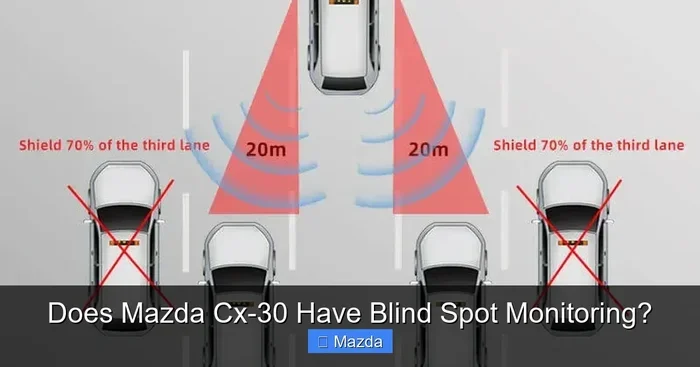
Understanding the technology behind the system helps you appreciate it more. The Mazda CX-30 uses radar sensors mounted on the rear bumper. These sensors send out signals that bounce off surrounding vehicles. The system then calculates the distance and speed of nearby cars to determine if they are in your blind spots.
The sensors are positioned to cover both the left and right sides of the vehicle. They monitor areas that are typically invisible in your mirrors, especially during highway driving and lane changes. The processing happens in real time, which means the warnings are immediate and relevant.
Mazda has designed this system to be reliable in various driving conditions. Whether you are driving in rain, fog, or bright sunlight, the sensors maintain consistent performance. This gives drivers peace of mind no matter the weather. The blind spot detection on the CX-30 is a well-engineered piece of technology that works quietly in the background.
What Do the Warnings Look and Sound Like?
The CX-30 uses a combination of visual and audible warnings to alert you. On the side mirrors, you will notice an amber or red LED light. This light stays solid when a vehicle is detected in your blind spot. If you activate your turn signal in that direction, the light will flash more intensely, telling you it is not safe to change lanes.
In addition to the mirror lights, some CX-30 models include an audible chime. This sound is hard to miss, especially in noisy environments. The steering wheel may also vibrate gently on one side, drawing your attention to the direction of the hazard. Together, these alerts create a multi-sensory warning system that is hard to ignore.
Does the System Work With Other Safety Features?
Absolutely. The Mazda CX-30 blind spot monitoring system is part of a larger suite called i-Activsense. This suite includes features like lane departure warning, forward collision warning, and adaptive cruise control. When these systems work together, they create a comprehensive safety net around your vehicle.
For example, if your adaptive cruise control detects a slower vehicle ahead, it will slow down automatically. Meanwhile, blind spot monitoring watches your flanks. This layered approach means the car is constantly assessing multiple risk factors at once. It is like having a co-pilot who never gets tired.
Some drivers also wonder whether the system interferes with other features like adaptive cruise control. The answer is no. These systems are designed to complement each other. If you want to learn more about how adaptive cruise control works and whether it needs calibration, check out our guide on do you have to calibrate adaptive cruise control for more details.
Which CX-30 Trims Include Blind Spot Monitoring?
The availability of blind spot monitoring can vary slightly depending on the model year and trim level. Here is a general breakdown of what you can expect across the CX-30 lineup.
Base Trim (GS)
The GS trim is the entry-level model, but it still offers strong safety features. In most model years, blind spot monitoring comes standard on the GS trim. This means even the most affordable CX-30 gets this important safety technology right out of the box.
Mid-Level Trim (Premium)
The Premium trim includes blind spot monitoring along with additional features like leather seating and a premium audio system. If you want a balance of comfort and safety, the Premium trim is a great choice. The blind spot detection system works exactly the same way as on the base trim.
Upper Trims (Leather and Signature)
The higher-end trims come with the full i-Activsense safety package. This means blind spot monitoring is included, along with features like rear cross traffic alert, lane keep assist, and smart brake support. These trims offer the most comprehensive safety setup on the CX-30.
Quick Comparison Table
- GS Trim: Blind spot monitoring standard on most model years.
- Premium Trim: Blind spot monitoring included with additional comfort features.
- Leather Trim: Full safety suite including blind spot monitoring and rear cross traffic alert.
- Signature Trim: Top-tier safety and luxury with all driver-assist features.
Always double-check the specific model year you are interested in. Mazda has updated its standard features over the years, and some newer models may include additional safety technology as standard. When in doubt, ask the dealer for the full equipment list before making a purchase.
Benefits of Having Blind Spot Monitoring on Your CX-30
Having a blind spot monitoring system on your Mazda CX-30 offers several real-world benefits. Let us look at why this feature is so valuable for everyday driving.
1. Increased Safety During Lane Changes. The most obvious benefit is safety. When you merge into another lane, the system checks your blind spots for you. This reduces the risk of side-swipe collisions, especially on busy highways where traffic moves fast.
2. Greater Driving Confidence. Many drivers feel nervous when changing lanes on fast-moving roads. Blind spot monitoring gives you the confidence to maneuver freely. You know the system has your back, so you can focus on the road ahead with less stress.
3. Helps With Parking and Tight Spaces. While blind spot monitoring is primarily designed for highway driving, it also helps in parking situations. When you are pulling out of a tight spot, the system can alert you to approaching traffic from the sides. This is especially useful in crowded parking lots.
4. Works Well With Other Mazda Safety Features. The CX-30 comes with a suite of safety technologies. Blind spot monitoring integrates seamlessly with lane departure warning, forward collision warning, and smart brake support. Together, these features create a layered safety approach that covers multiple scenarios.
5. Reduces Driver Fatigue. Long drives can be tiring, and it is easy to forget to check your mirrors constantly. The system monitors your blind spots for you, reducing the mental load on the driver. This is especially helpful on road trips or during long commutes. For drivers who also use features like sport mode for a more engaging driving experience, having blind spot monitoring adds a layer of safety without taking away from the fun. To learn more about whether sport mode helps with fuel economy, read our article on does sport mode save gas.
Common Questions and Maintenance Tips
Like any car feature, blind spot monitoring requires some basic understanding to get the most out of it. Here are answers to common questions and tips for keeping the system working well.
Can You Turn Off Blind Spot Monitoring?
Yes, most Mazda CX-30 models allow you to turn off the blind spot monitoring system. There is usually a button near the steering wheel that lets you disable the feature. However, we recommend keeping it on at all times. The system is designed to help you, and turning it off removes an important safety layer.
What Happens If a Sensor Gets Dirty?
The sensors on the rear bumper can get blocked by dirt, snow, or debris. If this happens, the system may not work properly. Most of the time, a warning light will appear on your dashboard to let you know. Simply cleaning the sensors with a soft cloth usually fixes the problem. In winter, make sure to clear snow off the rear bumper after a storm.
Does Blind Spot Monitoring Replace Mirror Checks?
No. Blind spot monitoring is a supplement, not a replacement. You should always check your mirrors and look over your shoulder before changing lanes. The system adds an extra layer of protection, but it does not eliminate the need for good driving habits. Think of it as a helpful assistant, not a substitute for your own attention.
Can the System Be Repaired After a Rear Bumper Impact?
If your CX-30 gets rear-ended or bumps into something, the blind spot sensors may get damaged. In this case, have the car inspected by a certified Mazda technician. The sensors are calibrated to precise specifications, and any misalignment can affect performance. Some drivers also wonder about warning lights on the dashboard. If you notice your trac off light is on, it could be related to sensor issues or other system warnings. Learn more about driving with the trac off light on in our detailed guide at can I drive my car with the trac off light on.
How the CX-30 Compares to Competitors
The Mazda CX-30 holds its own against other compact SUVs when it comes to blind spot monitoring. Many competitors in this class offer the feature, but Mazda includes it as a standard or widely available option across the lineup. This gives the CX-30 an edge in value.
When you compare the CX-30 to vehicles like the Honda HR-V or the Toyota Corolla Cross, the blind spot monitoring system on the CX-30 is on par or better. Mazda does not hide this feature behind expensive packages. Instead, it makes safety accessible to a wide range of buyers. This philosophy reflects Mazda’s commitment to driver protection.
Some competitors offer blind spot monitoring only on higher trims or as an expensive add-on. The CX-30 takes a different approach by making this feature available early in the lineup. For budget-conscious buyers who still want top-tier safety, this is a big advantage. The compact SUV market is competitive, and Mazda has positioned the CX-30 as a smart choice for safety-minded drivers.
Another area where the CX-30 shines is in the integration of its safety features. The blind spot monitoring system works hand in hand with Mazda’s other driver-assist technologies. This creates a cohesive safety ecosystem that is more effective than standalone features. When all these systems work together, you get a car that actively looks out for you.
Final Thoughts on the Mazda CX-30 Blind Spot Monitoring System
The Mazda CX-30 delivers a strong blind spot monitoring system that enhances safety and driver confidence. Whether you are a new driver or a seasoned veteran, this feature adds real value to your daily commute and long road trips. The system is intuitive, reliable, and available across most trim levels.
Mazda has done an excellent job of making blind spot monitoring a standard part of the CX-30 experience. You do not need to pay extra for top-tier trims to get this feature, which sets the CX-30 apart from many competitors. If safety is a priority in your next car purchase, the CX-30 should be at the top of your list.
Remember that no safety system replaces attentive driving. Always use your mirrors, signal your intentions, and stay focused on the road. But with blind spot monitoring on your side, you have an extra layer of protection that can make all the difference. The Mazda CX-30 is a well-rounded compact SUV that combines style, performance, and safety in a package that is hard to beat.
Before you head to the dealership, take some time to test drive the CX-30. Ask the salesperson to walk you through the safety features. Get a feel for how the blind spot monitoring alerts work. Once you experience it firsthand, you will understand why this feature has become such an important part of the Mazda ownership experience.