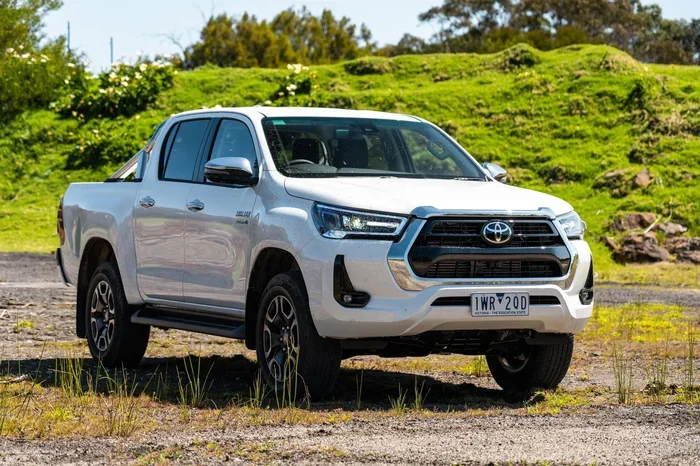
Can a Toyota Last 500 Miles Without Any Major Problems
Yes, a Toyota can absolutely last 500 miles without major problems when properly maintained. Toyota vehicles are built with reliability and durability in mind, making them some of the most dependable cars on the road. Regular maintenance, smart driving habits, and preventive care go a long way in keeping your Toyota running smoothly for hundreds of miles at a time.
Key Takeaways
- Toyota Reliability Is Proven: Toyotas are consistently ranked among the most reliable vehicles, and many models easily handle 500-mile stretches without issues.
- Maintenance Is Everything: Staying on top of oil changes, tire rotations, and fluid checks prevents most problems before they start.
- Know Your Model: Different Toyota models have different strengths, so understanding your specific vehicle matters.
- Driving Habits Matter: Smooth driving and avoiding extreme conditions help your Toyota stay healthy over long distances.
- Pre-Trip Inspections Help: A quick check before a long drive can save you from unexpected breakdowns.
📑 Table of Contents
- Can a Toyota Last 500 Miles Without Any Major Problems?
- Why Toyota Vehicles Are Built to Last
- Common Issues That Can Affect a 500-Mile Trip
- Pre-Trip Maintenance Checklist for Your Toyota
- Driving Habits That Protect Your Toyota Over Long Distances
- What to Do If Something Goes Wrong on the Road
- How Regular Maintenance Saves You Money and Stress
- Expert Insights on Toyota Long-Distance Reliability
- Conclusion
Can a Toyota Last 500 Miles Without Any Major Problems?
If you own a Toyota or are thinking about buying one, you have probably wondered whether it can handle a long 500-mile stretch without throwing any major problems your way. The short answer is yes. Toyota has built a reputation for durability that few other brands can match. But the longer answer depends on a few key factors, including how well you maintain your vehicle, which model you drive, and what kind of driving conditions you face.
Toyota vehicles are designed to go the distance. Whether you are planning a road trip, commuting across the state, or simply want peace of mind, understanding what keeps a Toyota running smoothly over long distances is essential. In this article, we will break down everything you need to know about Toyota reliability, common issues to watch for, and practical tips to keep your car problem-free for 500 miles and beyond.
Toyota reliability is not just a marketing slogan. It is backed by decades of real-world data. Consumer Reports, J.D. Power, and other trusted sources consistently rank Toyota near the top of vehicle dependability lists. Many Toyota owners report driving well over 200,000 miles with only routine maintenance. So covering 500 miles without a major issue is well within the capabilities of most Toyota models.
Why Toyota Vehicles Are Built to Last
Toyota’s engineering philosophy centers on simplicity, quality, and longevity. The company uses proven technology rather than cutting-edge gimmicks. This approach means fewer things can go wrong over time. When you combine solid engineering with proper care, you get a vehicle that can handle long distances with confidence.
The Toyota Reputation for Longevity
Toyota has earned its reputation through years of consistent performance. Models like the Camry, Corolla, and Tacoma are famous for reaching high mileage marks without major failures. The Toyota engine longevity is a direct result of careful design choices, including overbuilt components and conservative tuning. These engines are not pushed to their limits in normal driving, which means they last longer.
Another factor is the Toyota build quality. Toyota factories are known for their precision and attention to detail. Every part is designed to work in harmony with the rest of the vehicle. This reduces wear and tear over time and helps prevent the kinds of problems that plague less carefully engineered cars.
Proven Track Records Across Models
Different Toyota models have different strengths when it comes to long-distance driving. Here are a few examples:
- Toyota Camry: A midsize sedan known for its comfort and reliability on long highway drives.
- Toyota Corolla: A compact car that delivers excellent fuel economy and low maintenance costs over long distances.
- Toyota Tacoma: A pickup truck that handles tough conditions and long hauls with ease.
- Toyota RAV4: A compact SUV that offers versatility and dependability for family road trips.
Each of these models has a strong track record of handling long drives without major issues. If you are wondering about specific models, you can also check out whether a Toyota hybrid can last 10 years for more insights on long-term ownership.
Common Issues That Can Affect a 500-Mile Trip
Even the most reliable Toyota can face problems if you are not careful. Knowing what to watch for before a long trip can save you a lot of headaches. Most issues that arise during a 500-mile drive are preventable with proper preparation.
Engine Overheating Risks
One of the most common concerns during long drives is engine overheating. This can happen if your coolant levels are low or if your radiator is not working properly. Cold weather can also play a role, as extreme temperatures put extra stress on your engine. If you are wondering whether your car can handle temperature swings, check out this guide on can a car overheat in the winter to learn more about temperature-related issues.
To prevent overheating on a 500-mile trip, make sure your coolant is topped off and your hoses are in good condition. A quick visual inspection under the hood before you leave can catch most problems early.
Timing Chain Wear and Tear
The timing chain is a critical component that keeps your engine running smoothly. Over time, it can stretch or wear out, especially in higher-mileage vehicles. If you are concerned about timing chain life, you might want to read about how long a timing chain can last to understand what to expect from your Toyota’s engine.
A worn timing chain can cause serious engine damage if ignored. Symptoms include a rattling noise when you start the car, rough idling, or the check engine light coming on. If you notice any of these signs before a long trip, get them checked immediately.
Electrical and Keyless Start Issues
Modern Toyotas come packed with electronic features. While these add convenience, they can occasionally cause problems. Keyless start systems, in particular, can sometimes malfunction. If your keyless car refuses to start during a trip, it can be frustrating. Understanding how these systems work can help you troubleshoot quickly.
For drivers with newer Toyotas, knowing whether your vehicle can be started without the key fob nearby is important. You can learn more about this in our article on can a keyless car be started without the key.
Pre-Trip Maintenance Checklist for Your Toyota
The best way to ensure your Toyota completes a 500-mile journey without major problems is to perform a pre-trip inspection. This simple routine takes about 30 minutes and can catch most potential issues before they become serious.
Fluids and Filters
Start by checking all your fluid levels. Engine oil, coolant, brake fluid, transmission fluid, and power steering fluid are the essentials. Change your oil if it is close to the recommended interval, and replace your air filter if it looks dirty. Clean fluids and filters help your engine run efficiently and reduce the risk of breakdowns.
Tires and Brakes
Your tires are the only part of your car that touches the road, so they deserve special attention. Check your tire pressure, including the spare, and inspect the tread for uneven wear. Proper tire maintenance improves fuel economy and keeps you safe on long drives. Also, listen for any squealing or grinding sounds when you brake, as these can indicate worn brake pads that need replacement.
Battery and Belts
A dead battery can ruin any trip. Check your battery terminals for corrosion and make sure the connections are tight. Inspect your belts for cracks or fraying, as a broken belt can leave you stranded. These simple checks take minutes but can save you hours of trouble on the road.
Lights and Wipers
Do not overlook your lights and wipers. Test all your headlights, brake lights, and turn signals. Replace any burnt-out bulbs before your trip. Check your wiper blades for wear, especially if you are driving in unpredictable weather conditions.
Driving Habits That Protect Your Toyota Over Long Distances
How you drive matters just as much as how you maintain your car. Smart driving habits reduce wear and tear and help your Toyota stay healthy over long distances.
Smooth Acceleration and Braking
Avoid slamming the accelerator or braking hard whenever possible. Smooth, gradual inputs put less stress on your engine, transmission, and brakes. Over a 500-mile trip, these small differences add up and can extend the life of your vehicle significantly.
Watch Your RPMs
Keep your engine in the right gear and avoid redlining. Driving at steady speeds on highways is easier on your engine than constant stop-and-go city driving. If you are driving a hybrid model, you can also benefit from regenerative braking, which reduces wear on your brake system.
Take Breaks on Long Drives
Stopping every couple of hours gives your engine a chance to cool down and gives you a chance to check for any warning signs. Use these breaks to inspect your tires, check your fluid levels, and stretch your legs. A well-rested driver is also a safer driver.
What to Do If Something Goes Wrong on the Road
Even with the best preparation, things can go wrong. Knowing how to respond can make the difference between a minor inconvenience and a major disaster.
Warning Signs to Watch For
Pay attention to any unusual sounds, smells, or warning lights. A grinding noise, burning smell, or flashing check engine light should never be ignored. Pull over safely and assess the situation before continuing.
When to Seek Professional Help
If something feels off, trust your instincts. Continuing to drive with a known problem can turn a minor repair into a major one. If you are concerned about repair costs, it helps to understand your options. For example, some owners wonder whether a mechanic can hold their car until payment is made. You can read more about whether a mechanic can hold your car until you pay to understand your rights as a vehicle owner.
Emergency Kit Essentials
Always keep an emergency kit in your Toyota. Include items like a flashlight, jumper cables, a first-aid kit, water, and basic tools. If you own a hybrid, you might also want to learn about jump-starting a hybrid, as the process is slightly different from a conventional car.
How Regular Maintenance Saves You Money and Stress
Preventive maintenance is the single best investment you can make in your Toyota. Staying ahead of scheduled services keeps small problems from becoming big, expensive ones.
The Cost of Neglect
Skipping oil changes, ignoring warning lights, or putting off brake inspections might save a little money in the short term, but it costs more in the long run. A neglected engine can suffer catastrophic failure, and a worn brake system can compromise your safety. Regular maintenance keeps your Toyota running at its best and helps you avoid unexpected repairs during a 500-mile trip.
Toyota Warranty and Coverage
New Toyotas come with a strong powertrain warranty that covers many major components. Understanding what is covered and for how long can give you added confidence on long drives. Keep your warranty documentation handy and stay current on all recommended services to maintain your coverage.
Expert Insights on Toyota Long-Distance Reliability
Automotive experts agree that Toyotas are among the best choices for long-distance driving. Their combination of proven engineering, affordable maintenance, and strong resale value makes them a smart investment. According to industry analysts, Toyotas consistently outperform competitors in long-term reliability studies.
One expert tip is to always use genuine Toyota parts or high-quality aftermarket alternatives. Cheap parts may save a few dollars upfront but can lead to premature failures. Another recommendation is to keep a maintenance log. Tracking your services helps you stay organized and makes it easier to spot patterns if something goes wrong.
For owners considering a pre-owned Toyota, checking the vehicle history is crucial. You can learn how to do this effectively in our guide on how to check a car’s history. A clean history report gives you confidence that the vehicle has been well cared for and is ready for many more miles ahead.
Conclusion
So, can a Toyota last 500 miles without any major problems? Absolutely. Toyota’s reputation for reliability is well-earned, and with the right maintenance and driving habits, your Toyota can handle long distances with ease. The key is to stay proactive. Perform regular maintenance, pay attention to warning signs, and drive with care.
Whether you are heading out on a road trip or simply commuting across the state, your Toyota is built to handle the journey. By following the tips in this article, you give your vehicle the best chance to run smoothly for 500 miles and many thousands more. Take care of your Toyota, and it will take care of you.
Frequently Asked Questions
Can a Toyota really last 500 miles without any issues?
Yes, a well-maintained Toyota can easily last 500 miles without any major problems. Toyota vehicles are engineered for reliability and durability, and most models handle long distances with minimal risk when properly cared for.
What is the most common problem Toyota owners face on long trips?
The most common issues are overheating, worn brake pads, and low fluid levels. These problems are almost always preventable with a simple pre-trip inspection and regular maintenance schedule.
How often should I service my Toyota before a long 500-mile drive?
You should have your Toyota serviced according to the manufacturer’s recommended maintenance schedule. If your car is due for an oil change or other service soon, it is best to have it done before a long trip to avoid any complications on the road.
Are older Toyotas less reliable for long-distance driving?
Not necessarily. Older Toyotas are known for their longevity, and many models with high mileage still run beautifully. The key is to stay on top of maintenance and address small issues before they become big problems.
Should I worry about my Toyota’s transmission on a 500-mile trip?
Transmission problems are relatively rare in Toyotas, especially when the vehicle is properly maintained. Checking your transmission fluid level and condition before a long trip is a smart precaution that can help prevent any issues.
Can driving habits really affect how my Toyota performs on long trips?
Yes, driving habits have a significant impact on your Toyota’s performance and longevity. Smooth acceleration, steady speeds, and regular breaks during long drives reduce wear on your engine and other components, helping your car stay reliable mile after mile.