Are Toyota SUVs Any Good Here Is What You Need To Know
Toyota SUVs are widely regarded as some of the most reliable and durable vehicles on the road today. From the compact Toyota RAV4 to the rugged 4Runner, Toyota offers SUV options that deliver strong resale value, solid safety ratings, and low maintenance costs. This guide covers everything you need to know about Toyota SUV quality, features, and whether they are the right choice for your family.
Key Takeaways
- Toyota SUVs are known for exceptional reliability: They consistently rank among the most dependable SUVs in consumer surveys and long-term reviews.
- Strong resale value is a major Toyota advantage: Toyota SUVs hold their value better than most competitors in the used market.
- Toyota offers SUVs for every need: From compact crossovers to full-size family haulers, there is a Toyota SUV for most lifestyles.
- Safety features are a priority across the lineup: Most Toyota SUVs come standard with Toyota Safety Sense and top crash test ratings.
- Fuel economy is competitive: Toyota SUVs offer efficient hybrid and gas engine options that save money at the pump.
- Maintenance costs are generally low: Toyota’s reputation for durability means fewer repairs and lower long-term ownership costs.
📑 Table of Contents
- Are Toyota SUVs Any Good? Here Is What You Need To Know
- Why Toyota SUVs Have Such a Strong Reputation
- Top Toyota SUV Models Worth Considering
- Toyota SUV Reliability and Long-Term Ownership
- Safety Features in Toyota SUVs
- Fuel Economy and Efficiency in Toyota SUVs
- Toyota SUV Ownership Costs
- Toyota SUVs for Families
- Are Toyota SUVs Worth the Price?
- Final Thoughts on Toyota SUVs
Are Toyota SUVs Any Good? Here Is What You Need To Know
Toyota has built one of the strongest reputations in the automotive industry. When people think of dependable vehicles, Toyota almost always comes up first. But are Toyota SUVs any good? The short answer is yes, and this article will show you exactly why.
Toyota SUVs have dominated sales charts for decades. They show up on “most reliable SUV” lists year after year. Families trust them. Road trippers rely on them. Even off-road enthusiasts respect the Toyota brand. But what makes them so popular? And are they right for you?
In this deep dive, we will cover everything. We will look at reliability, safety, fuel economy, maintenance costs, and the best Toyota SUV models available today. By the end, you will have a clear picture of whether a Toyota SUV fits your needs and budget. Let us get into it.
Why Toyota SUVs Have Such a Strong Reputation
Toyota’s reputation did not build itself overnight. The company has spent decades earning trust through consistent quality. Their vehicles are known for lasting well beyond 200,000 miles with proper care. This is not a rumor. It is backed by millions of satisfied owners and countless long-term reviews.
Several factors contribute to Toyota’s stellar reputation. First, Toyota uses proven engineering over flashy trends. They focus on what works rather than what looks impressive on paper. Second, Toyota builds vehicles with high-quality materials that stand up to daily wear and tear. Third, Toyota designs their engines and drivetrains for longevity.
Reliability Ratings Speak for Themselves
Toyota consistently earns top marks in reliability surveys. Organizations like J.D. Power and Consumer Reports regularly rank Toyota vehicles at or near the top. When you look at Toyota SUV reliability ratings, the numbers speak clearly. Toyota SUVs experience fewer mechanical problems than most competitors over time.
For example, the Toyota RAV4 routinely appears on “most reliable compact SUVs” lists. The Toyota Highlander earns similar praise in the midsize category. Even the Toyota 4Runner, which has been around for decades, continues to earn strong reliability scores. This consistency is rare in the auto industry.
Top Toyota SUV Models Worth Considering
Toyota offers a wide range of SUVs to fit different needs and budgets. Let us break down the most popular models and what makes each one stand out.
Toyota RAV4
The RAV4 is Toyota’s best-selling SUV. It is a compact crossover that balances practicality with style. The RAV4 comes in several trims, including a hybrid version. The hybrid model delivers excellent fuel economy, making it a great choice for daily commuters. The RAV4 also offers available all-wheel drive, which adds confidence in wet or snowy conditions.
Interior space is surprisingly generous for its class. Families appreciate the rear seat room and cargo capacity. The RAV4 also comes loaded with standard safety features through Toyota Safety Sense. Overall, the RAV4 is a well-rounded SUV that handles most driving needs with ease.
Toyota Highlander
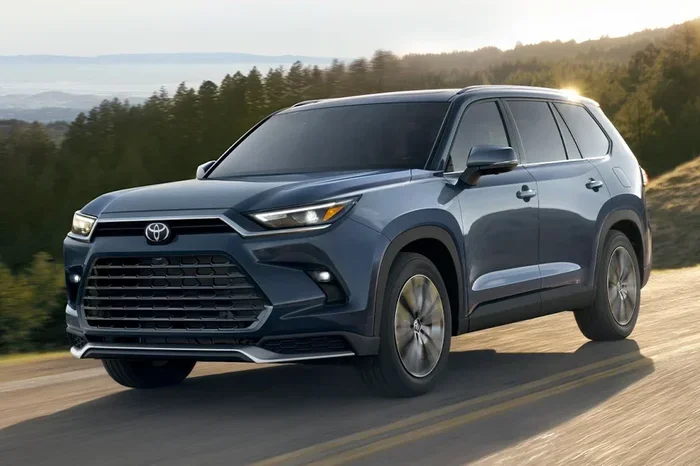
The Highlander is Toyota’s midsize SUV. It offers three rows of seating, which makes it perfect for larger families. The Highlander comes in gas and hybrid versions. The hybrid model provides strong fuel economy for a three-row SUV, which is impressive.
Interior quality is above average for the segment. Materials feel solid and well-assembled. The Highlander also offers a smooth ride and quiet cabin, which makes long road trips more enjoyable. If you need space for a big family, the Highlander deserves a close look.
Toyota 4Runner
The 4Runner is Toyota’s rugged off-road SUV. It has been around for generations and has changed surprisingly little. This is actually a good thing. The 4Runner is built like a tank. It features a body-on-frame construction, solid rear axle, and serious off-road capability.
Fuel economy is not its strong suit. But if you need a rugged SUV that can handle trails, mountains, and adventures, the 4Runner is hard to beat. Resale value is exceptional, too. A 4Runner holds its value remarkably well compared to competitors like the Jeep Wrangler.
Toyota Sequoia
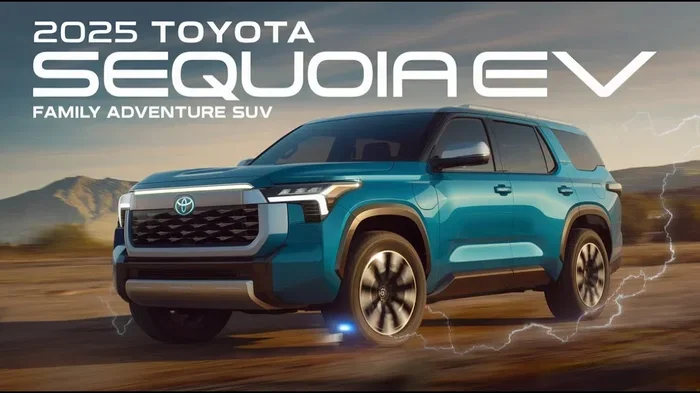
The Sequoia is Toyota’s full-size SUV. It is massive, powerful, and capable. The Sequoia can tow heavy loads and seat up to eight passengers comfortably. It is ideal for families who need serious hauling capability without sacrificing daily drivability.
The newer models have improved significantly in terms of technology and comfort. Toyota also offers a hybrid version that brings better fuel economy to this large SUV. The Sequoia is not for everyone, but for those who need its capabilities, it is an excellent choice.
Toyota SUV Reliability and Long-Term Ownership
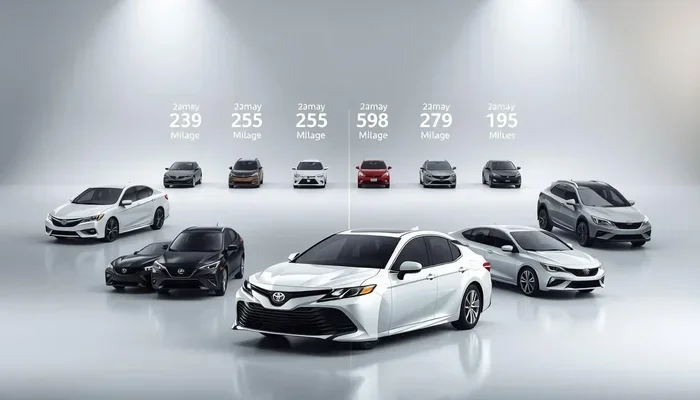
Reliability is the number one reason most buyers choose Toyota. And for good reason. Toyota SUVs are designed to last. With regular maintenance and proper care, many Toyota SUVs easily surpass 200,000 miles. Some owners report pushing past 300,000 miles with only minor issues.
What does this mean for your wallet? Lower repair costs over time. Fewer unexpected breakdowns. And a vehicle that retains its value when it is time to sell or trade in. Toyota’s Toyota SUV reliability record is backed by real-world data, not just marketing claims.
How Toyota SUVs Compare to Other Brands
When you compare Toyota to brands like Ford or Dodge, the reliability advantage becomes clear. For instance, Toyota SUVs generally require fewer visits to the repair shop than many American competitors. While Ford has improved its quality in recent years, Toyota still leads in long-term dependability.
It is worth noting that some Ford trucks, like the 2013 Ford F-150, have also earned strong reliability marks. But as a brand overall, Toyota edges ahead in SUV reliability. Honda and Mazda are also close competitors, but Toyota’s track record is hard to ignore.
Common Toyota SUV Problems to Watch For
No vehicle is perfect. Even Toyota SUVs have known issues. Being aware of these can help you make a smarter purchase. Here are some common problems reported by owners:
- Transmission issues: Some older Toyota SUVs have experienced transmission wear over high mileage. Regular fluid changes help prevent this.
- Oil consumption: Certain Toyota engines burn oil more than expected. Checking oil levels regularly is a good habit.
- Rust on older models: Some Toyota SUVs from certain years developed rust in specific areas. Washing the undercarriage in winter helps.
- Electrical gremlins: Occasional issues with infotainment systems or sensors appear on some model years.
Overall, these problems are relatively minor compared to what other brands experience. And newer model years have addressed many of these concerns.
Safety Features in Toyota SUVs
Safety is a top priority for Toyota. Most Toyota SUVs come standard with Toyota Safety Sense, a suite of active safety technologies. This includes pre-collision warning, lane departure alert, automatic high beams, and adaptive cruise control. These features work together to help prevent accidents.
Toyota SUVs also earn strong crash test ratings from the National Highway Traffic Safety Administration (NHTSA) and the Insurance Institute for Highway Safety (IIHS). Top safety pick awards are common across the Toyota SUV lineup.
Are Key Fobs Always On?
Many Toyota SUVs come with keyless entry and push-button start. This convenient feature raises a common question: are key fobs always on? The answer is no. Key fobs use low-power signals and are designed to be secure. However, it is always a good practice to keep your key fob away from doors and windows at night to prevent any potential signal relay attacks.
Toyota has also implemented additional security measures in newer models. These include encrypted signals and motion-sensing key fobs that deactivate when stationary. Overall, Toyota takes key fob security seriously.
Fuel Economy and Efficiency in Toyota SUVs
Fuel economy matters to most SUV buyers. Toyota has made great strides in this area, especially with hybrid technology. The Toyota RAV4 Hybrid, for example, delivers impressive miles per gallon for a compact SUV. The Highlander Hybrid offers similar efficiency in a larger package.
Even the gas-only Toyota SUV models are competitive. Toyota engineers focus on optimizing engines for efficiency without sacrificing performance. This means you get good fuel economy across the lineup, whether you choose a hybrid or a conventional engine.
For buyers concerned about long-term fuel costs, a Toyota hybrid SUV is a smart investment. The fuel savings over time can offset the higher upfront cost. Plus, hybrid Toyota SUVs often qualify for tax incentives and rebates in certain states.
Toyota SUV Tire Options
Tires play a big role in SUV performance and safety. Different Toyota SUV models come with different tire types depending on the trim and intended use. Some models use all-season tires for everyday driving. Others come with all-terrain tires for off-road capability.
When shopping for SUV tires, it is important to understand what you need. Some SUV owners wonder about run-flat tires, especially after hearing about brands like Tesla. Are Tesla tires run flats? Understanding tire technology helps you make better choices for your Toyota SUV. Run-flat tires allow you to drive on a flat for a limited distance, which can be a valuable safety feature.
Toyota does not typically equip its SUVs with run-flat tires as standard. However, they are available as an option on some trims. Choosing the right tires for your driving conditions can improve safety, comfort, and fuel economy.
Toyota SUV Ownership Costs
One of the biggest advantages of owning a Toyota SUV is the low cost of ownership. Toyota vehicles are known for affordable maintenance. Parts are widely available and reasonably priced. Toyota dealerships and independent shops can service these vehicles with ease.
Insurance costs for Toyota SUVs are also generally competitive. Because Toyota vehicles have strong safety ratings and lower theft rates, insurance companies often offer favorable premiums. This adds up to real savings over the life of ownership.
Resale value is where Toyota truly shines. Toyota SUVs consistently rank at the top for resale value. This means when you are ready to upgrade, you will get more money back for your Toyota than you would for most competitors. The strong Toyota SUV resale value is a major financial advantage.
Quick Tips for Reducing Toyota SUV Ownership Costs
- Stay on top of scheduled maintenance: Regular oil changes and fluid checks prevent costly repairs later.
- Buy OEM parts when possible: Genuine Toyota parts ensure proper fit and function.
- Compare insurance quotes annually: Rates vary widely between providers.
- Keep records of all service: A full service history boosts resale value.
- Wash your SUV regularly: This prevents rust and keeps the interior and exterior in great condition.
Toyota SUVs for Families
Toyota SUVs are excellent family vehicles. They offer spacious interiors, advanced safety features, and dependable performance. The Toyota Highlander and Toyota Highlander Hybrid are particularly popular among families. With three rows of seating and plenty of cargo space, they can handle school runs, road trips, and everything in between.
The Toyota RAV4 is also a strong family choice. Its compact size makes it easy to park and maneuver in tight spaces, while still offering room for passengers and gear. The RAV4’s Toyota Safety Sense suite gives parents peace of mind on every drive.
Are Car Seats Easy to Take Out?
For families with young children, ease of removing car seats is an important consideration. Toyota SUVs generally make this process straightforward. The LATCH system is easy to access, and rear seats fold flat to create extra cargo space when car seats are removed. This family-friendly design is one of many reasons Toyota SUVs are popular with parents.
Are Toyota SUVs Worth the Price?
Toyota SUVs tend to be priced competitively within their segments. While they may not always be the cheapest option upfront, the long-term value they provide is exceptional. When you factor in reliability, fuel economy, low maintenance costs, and strong resale value, Toyota SUVs often end up being the most affordable choice over time.
The initial purchase price is just one part of the equation. Total cost of ownership tells the real story. And on that front, Toyota SUVs consistently win. Buyers who focus only on sticker price often miss the bigger financial picture.
So, are Toyota SUVs any good? The evidence strongly supports yes. They are reliable, safe, efficient, and affordable to own. Whether you need a compact crossover or a full-size family hauler, Toyota has an SUV that delivers.
Final Thoughts on Toyota SUVs
Toyota SUVs have earned their reputation through decades of consistent quality and performance. They are some of the best vehicles you can buy in the SUV segment. From the compact RAV4 to the full-size Sequoia, every model in the Toyota SUV lineup offers something special.
If you are in the market for a new SUV, a Toyota deserves a spot at the top of your list. The combination of reliability, safety, fuel economy, and value is hard to beat. Do your research, test drive a few models, and you will likely find a Toyota SUV that fits your life perfectly.
Buying a vehicle is a big decision. But with Toyota, you are choosing a brand that has proven itself over and over again. You can feel confident in your choice. And that peace of mind is worth its weight in gold.
Frequently Asked Questions
What is the most reliable Toyota SUV?
The Toyota RAV4 and Toyota 4Runner are widely considered the most reliable Toyota SUVs. Both models consistently earn top marks in long-term reliability surveys. The RAV4 is ideal for daily driving, while the 4Runner excels in rugged, long-term durability.
How long do Toyota SUVs last?
With proper maintenance, Toyota SUVs routinely last 200,000 to 300,000 miles. Many owners report pushing past 300,000 miles with only minor repairs. Regular oil changes, fluid flushes, and timely brake service help maximize your Toyota SUV lifespan.
Are Toyota SUVs good for families?
Yes, Toyota SUVs are excellent family vehicles. Models like the Toyota Highlander and RAV4 offer spacious interiors, advanced safety features, and easy-to-use LATCH systems for car seats. Toyota also prioritizes crash safety, making their SUVs a smart choice for families.
Do Toyota SUVs hold their value?
Toyota SUVs hold their value better than most competitors. Strong resale value is one of Toyota’s biggest advantages. This means when you sell or trade in your Toyota SUV, you will get more money back compared to many other brands.
Which Toyota SUV has the best fuel economy?
The Toyota RAV4 Hybrid offers the best fuel economy among Toyota SUVs. It delivers up to 40 miles per gallon in combined driving. The Highlander Hybrid is also very efficient for a three-row SUV, making both excellent choices for fuel-conscious buyers.
Are Toyota SUVs expensive to maintain?
No, Toyota SUVs are generally affordable to maintain. Parts are widely available and reasonably priced. Toyota vehicles require fewer repairs than many competitors, which keeps long-term maintenance costs low. Staying on top of scheduled service helps prevent expensive issues.