Can a Toyota Corolla Last 30 Years and Keep Running
A Toyota Corolla can absolutely last 30 years and keep running when properly maintained. This iconic vehicle has earned a reputation for durability, low repair costs, and outstanding fuel efficiency. With regular oil changes, timely belt replacements, and smart driving habits, your Corolla can easily surpass 300,000 miles and keep going strong for decades.
The Toyota Corolla has been a household name for over five decades. It is the best-selling car in the world, and for good reason. People buy a Corolla because it is dependable, affordable, and surprisingly fun to drive. But one question keeps popping up in forums and garages everywhere: can a Toyota Corolla last 30 years?
The short answer is yes. The long answer is even more encouraging. With the right care, a Toyota Corolla can easily keep running for three decades or more. Many owners have logged over 300,000 miles on their original engines. That kind of longevity does not happen by accident. It comes from smart ownership, consistent maintenance, and a machine that was simply built to last.
Let us break down exactly why the Toyota Corolla has this legendary reputation, what you can do to keep yours on the road, and what to expect as the miles add up.
Key Takeaways
- Toyota Corolla durability: The Corolla is one of the most reliable cars ever built, with many models reaching 300,000+ miles.
- Regular maintenance is key: Simple tasks like oil changes, timing chain checks, and fluid replacements dramatically extend a Corolla’s lifespan.
- Engine longevity matters: The Corolla’s engines are designed for long-term use, especially when you follow the recommended service schedule.
- Hybrid Corollas add efficiency: Hybrid models offer even better fuel economy and reduced engine wear over time.
- Common problems are manageable: Most issues that affect older Corollas are affordable and easy to fix.
- Driving habits count: Gentle driving, proper warming up, and avoiding short trips all contribute to a longer-lasting vehicle.
- Resale value stays strong: A well-kept 30-year-old Corolla still holds value and remains a practical daily driver.
📑 Table of Contents
- The Remarkable History of the Toyota Corolla
- What Makes the Toyota Corolla So Durable
- Common Maintenance That Extends a Corolla’s Life
- Can a Toyota Corolla Really Last 30 Years?
- Signs Your Toyota Corolla Is Approaching High Mileage
- Tips for Keeping Your Toyota Corolla on the Road for Decades
- Common Mistakes That Shorten a Corolla’s Lifespan
- The Cost of Owning a Toyota Corolla Over 30 Years
- Expert Insights on Toyota Corolla Longevity
- Key Takeaways
- Conclusion
The Remarkable History of the Toyota Corolla
The Toyota Corolla first rolled off the assembly line in 1966. Since then, Toyota has sold over 50 million units worldwide. That is a staggering number. No other car model comes close to matching that level of global success.
Why the Corolla Has Survived So Long
Toyota designed the Corolla to be simple and practical. Early models focused on affordability and reliability. Over the decades, Toyota refined the design without overcomplicating things. Each new generation added modern features while keeping the core philosophy intact.
The Corolla has gone through 12 major generations. Each one brought improvements in safety, efficiency, and comfort. But the underlying DNA remained the same. A straightforward engine, a sturdy chassis, and parts that are easy to find and replace.
This simplicity is a huge advantage when it comes to Toyota Corolla longevity. There are fewer things to go wrong compared to more complex vehicles. When something does need fixing, the parts are affordable and widely available.
Different Generations and Their Strengths
Some Corolla generations stand out for their durability:
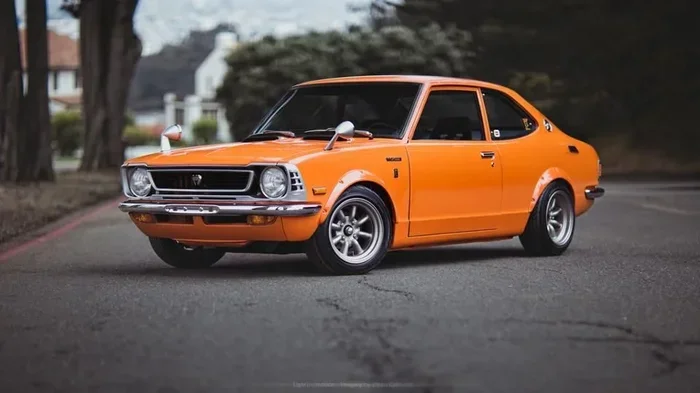
- E10 (1966-1970): The original that started it all.
- E30/E40 (1974-1981): Known for fuel efficiency during the oil crisis.
- E80/E90 (1983-1991): Introduced fuel injection and improved reliability.
- E110/E120 (1995-2006): A golden era for Corolla durability.
- E170/E180 (2013-present): Modern engineering with hybrid options.
Many of these older models are still on the road today. That tells you everything you need to know about Toyota Corolla reliability.
What Makes the Toyota Corolla So Durable
What is the secret behind a long-lasting car like the Corolla? It is not one single thing. It is a combination of engineering, materials, and design philosophy.
Engine Design and Construction
The Corolla uses engines that prioritize longevity over raw power. Toyota builds its engines with durable components like cast iron blocks and aluminum heads. The timing chain in many Corolla models is designed to last the life of the engine. A Can A Timing Chain Last 300 miles? Absolutely, especially in a well-maintained Corolla.
Toyota also uses simple overhead cam designs that are easy to service. There are fewer moving parts to wear out. This means fewer surprises as the odometer climbs.
Quality Materials and Build
Toyota is known for using high-quality steel and corrosion-resistant materials. The Corolla body panels are designed to resist rust and damage. Even after 30 years, many Corollas show minimal structural decay.
The interior materials are chosen for longevity too. The seats, dashboard, and trim hold up remarkably well over time. This is another reason why a 30-year-old Corolla still feels usable and comfortable.
Proven Track Record
Toyota consistently ranks at the top of reliability surveys. J.D. Power, Consumer Reports, and RepairPal all give the Corolla high marks. These ratings reflect real-world data from millions of vehicles.
The Corolla holds the Guinness World Record for the highest-selling car model ever. With that many units on the road, Toyota has had decades to refine and improve the design based on real owner feedback.
Common Maintenance That Extends a Corolla’s Life
No car lasts 30 years on its own. The Toyota Corolla maintenance routine makes all the difference. Staying on top of basic services is the single most important thing you can do.
Oil Changes and Fluid Checks
Regular oil changes are the backbone of engine longevity. Toyota recommends changing the oil every 5,000 to 7,500 miles for most models. Using synthetic oil can extend this interval slightly.
Do not forget other fluids either:
- Coolant: Flush every 30,000 miles to prevent overheating.
- Transmission fluid: Change every 60,000 to 80,000 miles.
- Brake fluid: Check annually and replace every two years.
- Power steering fluid: Inspect and top off as needed.
Timing Chain and Belt Replacements
While the timing chain in many Corollas is built to last, some older models use a timing belt. If your Corolla has a belt, replace it every 60,000 to 100,000 miles. This is a small investment that prevents catastrophic engine damage.
Even with a chain, it is wise to inspect it around the 200,000-mile mark. Catching a stretched chain early saves you from expensive repairs down the road.
Brake System Care
The Corolla’s brake system is simple and effective. Replace brake pads every 30,000 to 50,000 miles depending on your driving style. Rotors typically last 60,000 to 80,000 miles. Keeping the brake system in good shape ensures safety and prevents damage to other components.
Suspension and Steering Components
Worn shocks, struts, and tie rods can make a Corolla feel unsafe. Replace these components as they wear out. A well-maintained suspension system also helps tires last longer, which saves you money over time.
Can a Toyota Corolla Really Last 30 Years?
This is the big question, and the answer is a resounding yes. But let us look at what that actually means in practice.
Real-World Examples of 30-Year-Old Corollas
There are countless examples of Corollas that have passed the 30-year mark. Many owners report driving their 1990s and early 2000s Corollas daily with only routine repairs. The most common issues at high mileage include:
- Minor exhaust rust
- Worn suspension bushings
- Cosmetic wear on the interior
- Occasional electrical gremlins
None of these are deal-breakers. They are manageable and affordable. Compare this to many other vehicles, where 30 years of use means major structural or mechanical failures.
Mileage Expectations
A well-maintained Toyota Corolla can handle 300,000 to 500,000 miles. Some owners have even pushed past 600,000 miles. The key is consistent maintenance and gentle driving habits.
If you drive about 12,000 miles per year, 30 years equals 360,000 miles. A Corolla can comfortably handle this without major engine or transmission work.
The Role of Driving Habits
How you drive affects how long your Corolla lasts. Aggressive acceleration and hard braking wear out components faster. Smooth, steady driving reduces stress on the engine, transmission, and brakes.
Also, avoid letting your car sit for long periods. Regular use keeps fluids circulating and seals from drying out. If you only drive short distances occasionally, take the car on a longer trip occasionally to let the engine fully warm up.
Climate and Storage Considerations
Where you live matters too. Cars in cold, salty coastal areas may develop rust faster. Cars in dry, moderate climates tend to last longer. If you live in a harsh environment, take extra precautions:
- Wash the undercarriage regularly
- Store the car in a garage when possible
- Use a rust inhibitor spray on exposed metal
- Check for early signs of corrosion
Can a car overheat in the winter? Yes, and a Corolla is no exception. Cold weather can stress the cooling system, so make sure your antifreeze levels are correct and your radiator is in good shape.
Signs Your Toyota Corolla Is Approaching High Mileage
Even the most reliable cars show signs of wear as they age. Knowing what to watch for helps you stay ahead of problems.
Engine Warning Signs
- Knocking or ticking sounds from the engine bay
- Decreased fuel efficiency
- Oil consumption increasing between changes
- Check engine light illuminating
- Rough idling or hesitation during acceleration
Transmission and Drivetrain Clues
- Slipping between gears
- Delayed engagement when shifting
- Whining noises during acceleration
- Fluid leaks underneath the vehicle
Body and Suspension Red Flags
- Rust forming on wheel wells or rocker panels
- Excessive body roll during turns
- Clunking noises over bumps
- Uneven tire wear
- Steering pulling to one side
Catching these signs early and addressing them promptly keeps your Corolla running for the long haul. Many of these issues are simple and inexpensive to fix when caught in time.
Tips for Keeping Your Toyota Corolla on the Road for Decades
Want to maximize your Toyota Corolla lifespan? Follow these practical tips that Corolla owners swear by.
Follow the Maintenance Schedule
Toyota provides a detailed maintenance schedule in the owner’s manual. Follow it to the letter. Do not skip services, even if the car seems fine. Preventive maintenance is always cheaper than reactive repairs.
Use Quality Parts and Fluids
Stick with OEM (Original Equipment Manufacturer) parts or high-quality aftermarket alternatives. Cheap fluids and parts may save money upfront but can cost you more in the long run. Use the recommended oil weight and type for your specific model year.
Keep Records of All Repairs
Maintain a detailed log of every service, repair, and part replacement. This history is valuable when selling the car and helps you track patterns that might indicate a bigger issue.
Address Small Problems Immediately
A small leak or unusual noise today can become a major repair tomorrow. Do not ignore warning signs. The Corolla is designed to tell you when something is wrong. Listen to it.
Consider a Hybrid Model
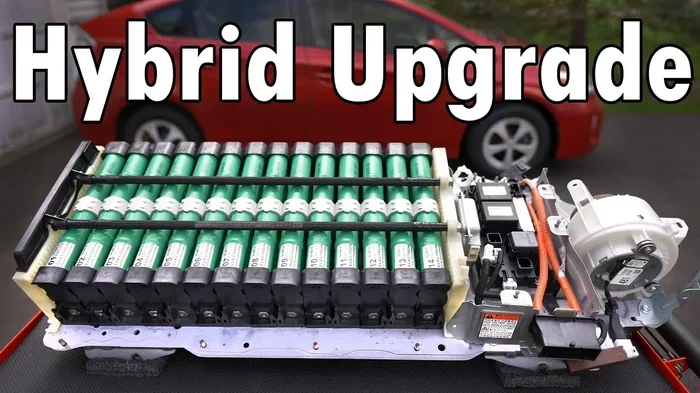
If you are buying a Corolla today, consider the hybrid option. A Toyota Corolla hybrid offers excellent fuel efficiency and reduced engine wear. The electric motor assists the gasoline engine, which means less stress on traditional drivetrain components. A Corolla hybrid can easily last 200,000 miles on the original battery and motor.
Can a hybrid run without gas? Yes, for short distances. Can you put regular gas in a hybrid? Absolutely. Toyota designed the hybrid system to work with standard unleaded fuel, making it convenient and practical for daily use.
Drive It Regularly
A car that sits too long develops problems. Seals dry out, batteries die, and fluids stagnate. Drive your Corolla at least a few times per week to keep everything in working order.
Common Mistakes That Shorten a Corolla’s Lifespan
Even the most reliable car can suffer from poor ownership habits. Here are the most common mistakes Corolla owners make:
- Skipping oil changes: This is the number one killer of engines. Fresh oil keeps internal components lubricated and cool.
- Ignoring coolant leaks: Even a small coolant leak can lead to overheating and permanent engine damage.
- Using the wrong fuel: Always use the fuel grade recommended by Toyota. Premium fuel is not always better.
- Neglecting tire maintenance: Underinflated tires reduce fuel economy and cause uneven wear.
- Overloading the vehicle: Exceeding the weight limit stresses the suspension, brakes, and engine.
- Forgetting about timing belt service: In older models, a broken timing belt destroys the engine.
Avoid these mistakes and your Corolla will reward you with decades of faithful service.
The Cost of Owning a Toyota Corolla Over 30 Years
One of the biggest advantages of the Corolla is its low total cost of ownership. Even after 30 years, maintenance and repair costs remain reasonable.
Here is a rough breakdown of what you might expect:
- Routine maintenance (oil, filters, fluids): $500 to $1,000 per year
- Major services (timing belt, brakes, suspension): $200 to $800 per service
- Major repairs (engine, transmission): Rare before 250,000 miles
- Annual fuel costs: $800 to $1,500 depending on driving habits
- Insurance: Lower than average due to the car’s safety record and low theft rate
Compare this to a luxury vehicle or even a moderately priced sedan from another brand, and the savings become clear. The Corolla is one of the most affordable cars to own over a lifetime.
Expert Insights on Toyota Corolla Longevity
Automotive experts consistently praise the Corolla for its longevity. Consumer Reports has given the Corolla top marks for predicted reliability for over a decade. Toyota engineers design these cars with a specific focus on long-term durability.
Many mechanics agree that the Corolla is one of the simplest cars to work on. The engine layout is straightforward, and parts are easy to source. Even if you are not a DIY mechanic, finding a qualified shop to service your Corolla is easy and affordable.
Toyota also offers excellent parts support. OEM parts are available through dealerships and aftermarket equivalents are widely manufactured. This means you will never struggle to find the part you need, even for a 30-year-old model.
Key Takeaways
- Toyota Corolla durability: The Corolla is one of the most reliable cars ever built, with many models reaching 300,000+ miles.
- Regular maintenance is key: Simple tasks like oil changes, timing chain checks, and fluid replacements dramatically extend a Corolla’s lifespan.
- Engine longevity matters: The Corolla’s engines are designed for long-term use, especially when you follow the recommended service schedule.
- Hybrid Corollas add efficiency: Hybrid models offer even better fuel economy and reduced engine wear over time.
- Common problems are manageable: Most issues that affect older Corollas are affordable and easy to fix.
- Driving habits count: Gentle driving, proper warming up, and avoiding short trips all contribute to a longer-lasting vehicle.
- Resale value stays strong: A well-kept 30-year-old Corolla still holds value and remains a practical daily driver.
Conclusion
So, can a Toyota Corolla last 30 years and keep running? Without question, yes. The Toyota Corolla is a proven long-lasting car that has earned its reputation through decades of real-world performance. From the first generation in 1966 to the modern hybrid models available today, the Corolla has consistently delivered reliability, affordability, and driving satisfaction.
The secret is simple. Maintain your car properly, drive it responsibly, and address small issues before they become big problems. A Corolla that receives regular care can easily reach 300,000 miles and beyond. That translates to 30 years of dependable service for most drivers.
If you are considering buying a used Corolla or wondering if your current one has more life left in it, the answer is encouraging. The Toyota Corolla was built to last. With your help through proper maintenance, it will keep running for decades to come.
Whether you drive a classic E120 from the early 2000s or a modern E210 hybrid, the fundamentals remain the same. Keep it maintained, drive it gently, and your Corolla will keep on keeping on. That is the beauty of this incredible vehicle.
Frequently Asked Questions
Can a Toyota Corolla last 30 years with regular maintenance?
Yes, a Toyota Corolla can absolutely last 30 years with regular maintenance. Owners who follow the recommended service schedule and address small issues promptly routinely see their Corollas reach 300,000 miles or more. The key is consistency and never skipping routine services like oil changes and fluid flushes.
What is the average lifespan of a Toyota Corolla?
The average lifespan of a Toyota Corolla is between 200,000 and 300,000 miles. With excellent care, many Corollas exceed 400,000 miles. The engine and transmission are designed for long-term use, making the Corolla one of the most durable vehicles on the road today.
Is it expensive to maintain a Toyota Corolla over 30 years?
No, maintaining a Corolla over 30 years is surprisingly affordable. Routine services cost less than many other vehicles, and parts are widely available and reasonably priced. The total cost of ownership over three decades is significantly lower than most competing models.
Can a Toyota Corolla hybrid last 30 years?
Yes, a Toyota Corolla hybrid can last 30 years. The hybrid system adds an electric motor that reduces wear on the gasoline engine. Many hybrid Corollas have already surpassed 200,000 miles with their original battery and motor still functioning well.
What is the most common problem with older Toyota Corollas?
The most common problems with older Corollas include minor exhaust rust, worn suspension bushings, and cosmetic interior wear. These issues are typically inexpensive to fix and do not affect the overall reliability of the vehicle. Regular inspections help catch these problems early.
How can I make my Toyota Corolla last longer?
To make your Corolla last longer, follow the maintenance schedule, use quality fluids and parts, drive smoothly, and address problems immediately. Avoid short trips when possible, keep tires properly inflated, and store the car in a sheltered area when not in use. These simple habits add years to your vehicle’s life.