Does a Car Have One or Two Axles The Full Breakdown
Most standard cars have two axles — one in the front and one in the rear. These axles play a critical role in transmitting power from the engine to the wheels, supporting vehicle weight, and keeping your car stable on the road. Understanding your car’s axle setup helps you spot problems early and make smarter maintenance decisions.
Have you ever wondered how your car’s wheels actually spin? What connects the engine to those rubber tires rolling down the road? The answer lies in a simple but essential component called the axle. Understanding does a car have one or two axles is more than just a fun fact. It is key knowledge for any car owner who wants to keep their vehicle running safely and smoothly.
Cars are complex machines made up of hundreds of moving parts. But the axle is one of the most important ones. It bears the weight of your entire vehicle. It transfers power from the engine to the wheels. And it helps you steer, brake, and turn with confidence. Without healthy axles, your car simply cannot function properly.
In this article, we will break down everything you need to know about car axles. We will cover how many axles a standard car has, what each axle does, the different types of axle designs, and how to spot the warning signs of axle failure. Whether you are a new driver or a seasoned car enthusiast, this guide will give you practical knowledge you can use every day.
Key Takeaways
- Standard cars have two axles: a front axle and a rear axle, each serving distinct purposes in your vehicle’s drivetrain.
- Axle types vary by design: solid axles, independent axles, and drive axles each handle different driving needs and conditions.
- Axle failure signs are clear: clicking noises, vibration, grease leaks, and handling issues all point to potential axle problems.
- Regular maintenance matters: inspecting CV joints, wheel bearings, and axle boots can prevent costly repairs down the road.
- Vehicle type determines axle count: trucks, SUVs, and larger vehicles may have more axles than a standard sedan or coupe.
- Driving on a damaged axle is risky: it can lead to complete wheel separation or loss of vehicle control.
📑 Table of Contents
- How Many Axles Does a Car Have?
- Types of Axle Designs You Should Know
- What Do Axles Do in Your Vehicle?
- Signs Your Axle May Be Failing
- How to Maintain Your Axles for Longevity
- When Should You Replace an Axle?
- Common Myths About Car Axles
- How Axles Differ Across Vehicle Types
- Frequently Asked Questions About Car Axles
- Final Thoughts
How Many Axles Does a Car Have?
The short answer is that most standard passenger cars have two axles. One axle sits in the front, and one sits in the rear. These two axles work together to support the vehicle’s weight and deliver power to all four wheels. But the full answer is a bit more nuanced than that.
The number of axles depends on the type of vehicle. A typical sedan, coupe, or hatchback uses a two-axle setup. This is known as a two-axle vehicle. However, larger vehicles like trucks, buses, and some SUVs may have three, four, or even more axles. Each additional axle helps distribute weight and improve traction.
What Is an Axle, Exactly?
An axle is a central shaft that connects the wheels on each side of a vehicle. It rotates with the wheels and transfers the engine’s power to them. Think of it as the backbone that links your drivetrain to your tires. Without it, the power generated by your engine would have no way to reach the ground.
But axles do more than just spin. They also support the weight of the car. When you load up your trunk with groceries or pile passengers into the back seat, the axles absorb that force. They keep the vehicle balanced and stable while you drive. This is why axle health directly affects your safety on the road.
The Two Axles in a Standard Car
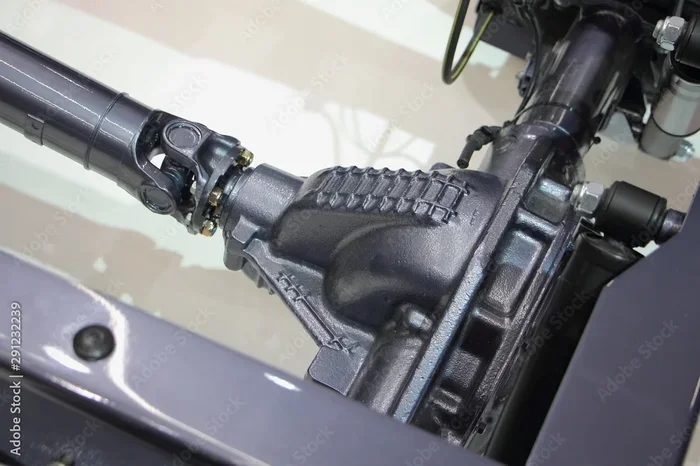
In a standard front-engine, front-wheel-drive car, the front axle serves as the drive axle. It delivers power from the transmission to the front wheels. The rear axle, often called a dead axle, does not receive power. Its main job is to support the rear of the car and allow the rear wheels to rotate freely.
In a rear-wheel-drive car, the setup flips. The rear axle becomes the drive axle, and the front axle acts as the dead axle. In all-wheel-drive and four-wheel-drive vehicles, both axles function as drive axles. This gives the car better traction, especially in slippery conditions.
No matter the configuration, every car with two axles relies on both of them working correctly. If one axle fails, your vehicle becomes unsafe to drive. This is why regular inspections and timely repairs are so important.
Types of Axle Designs You Should Know
Not all axles are built the same way. Car manufacturers use different axle designs depending on the vehicle’s purpose, size, and driving conditions. Understanding these types can help you make better decisions about maintenance and repairs.
Solid Axle (Live Axle)
A solid axle, also called a live axle, connects both wheels on an axle as a single rigid unit. When one wheel hits a bump, the other wheel feels it too. This design is strong and durable, which is why it is common in trucks and off-road vehicles.
Solid axles handle heavy loads well. They are simpler in design, which means fewer parts to maintain. However, they can make the ride feel stiffer and less comfortable on smooth roads. Many trucks and older SUVs still use solid axles in the rear because of their durability and load-carrying capacity.
Independent Axle
Independent axles allow each wheel to move separately from the other. When one wheel goes over a pothole, the opposite wheel stays unaffected. This design provides a smoother, more comfortable ride. Most modern sedans and crossovers use independent axles at both the front and rear.
The trade-off is that independent axles have more moving parts. This means more components that can wear out over time. Parts like CV joints and wheel bearings need regular attention. But overall, most drivers prefer the comfort and handling benefits of independent suspension systems.
Drive Axle vs. Dead Axle
A drive axle is connected to the engine and transmits power to the wheels. It includes components like CV joints and half shafts that transfer rotational force. A dead axle simply supports the weight of the vehicle and allows the wheels to spin freely. It does not receive any power from the engine.
Understanding this difference matters when diagnosing problems. If your car makes a clicking noise while turning, the issue is likely with the drive axle’s CV joint. If your rear wheels feel loose, the dead axle or its bearings may need attention.
What Do Axles Do in Your Vehicle?
Axles perform several critical functions that keep your car moving safely. Let us break down each role so you understand just how important these components are.
Transferring Power from the Engine
The primary job of a drive axle is to carry power from the engine and transmission to the wheels. Without this transfer, your car would not move. The axle shaft rotates at the same speed as the wheels, pushing the vehicle forward or backward.
This process happens smoothly because of components like the differential and CV joints. The differential allows the wheels to spin at different speeds when you turn. The CV joints flex as the suspension moves up and down. Together, these parts make sure power reaches the wheels efficiently.
Supporting Vehicle Weight
Every time you get into your car, the axles bear the load. They support the weight of the engine, passengers, cargo, and the vehicle itself. This is a constant job that happens every single time you drive.
Over time, heavy loads and rough roads can stress the axles. This is why it is important to avoid overloading your vehicle beyond its rated capacity. Excessive weight accelerates wear on axle components and can lead to premature failure.
Enabling Steering and Stability
The front axle plays a big role in steering. It connects to the steering knuckles and tie rods that turn your wheels left and right. A damaged front axle can make steering feel loose, unresponsive, or unsafe.
Axles also contribute to vehicle stability. They keep the wheels properly aligned and spaced apart. This balanced setup helps your car track straight and handle corners with confidence. When an axle is bent or worn, you may notice the car pulling to one side or vibrating at highway speeds.
Signs Your Axle May Be Failing
Axles do not usually fail without warning. Your car will give you several clues before a serious problem develops. Learning to recognize these signs can save you from a dangerous breakdown on the road.
Clicking or Clunking Noises
One of the most common signs of a failing axle is a clicking or clunking noise when you turn. This usually indicates a worn CV joint. The joint can no longer maintain a tight seal, and grease leaks out. Without proper lubrication, the joint wears down and produces noise.
If you hear this sound, get your car inspected as soon as possible. Driving with a damaged CV joint can lead to complete axle failure. In the worst case, the wheel could separate from the vehicle while driving. That is a serious safety hazard.
Vibration While Driving
Excessive vibration, especially at higher speeds, can signal an axle problem. A bent axle shaft or worn wheel bearing can cause the car to shake or vibrate. You might feel this through the steering wheel or the floorboard.
Vibration is not something to ignore. It affects your handling and can wear out other components like tires and suspension parts faster. If your car vibrates oddly, schedule a diagnostic check with a trusted mechanic.
Grease Leaks Near the Wheels
Axles are lubricated with grease to reduce friction. If you see grease splattered around the wheel area or leaking from a rubber boot, something is wrong. A torn axle boot allows dirt and moisture to enter the joint, causing rapid wear.
Catching a torn boot early can save you from replacing the entire axle assembly. A simple boot replacement is much cheaper than a full axle repair. Regular inspections can help you spot this issue before it becomes a bigger problem.
Car Won’t Move or Loses Power
In severe cases, a completely failed axle will prevent your car from moving. You might hear a loud bang, and then the vehicle will lose all power to the wheels. If this happens, do not try to drive the car. Call for a tow truck and have the vehicle towed to a repair shop.
Sometimes axle failure is linked to other issues. For example, if your car stopped running while driving and won’t start, it could be related to drivetrain stress caused by a damaged axle. Similarly, a failing axle can put extra strain on the transmission and engine components.
How to Maintain Your Axles for Longevity
Good maintenance habits can extend the life of your axles significantly. Most axle problems develop gradually, which means there is plenty of time to catch them early if you know what to look for.
Inspect Axle Boots Regularly
The rubber boots that protect your CV joints are the first line of defense against contamination. Inspect them during every oil change or tire rotation. Look for cracks, tears, or grease leaking out. Replacing a damaged boot early is inexpensive and prevents much more costly repairs later.
Keep Your Axles Lubricated
Proper lubrication reduces friction and prevents wear. Follow your vehicle’s maintenance schedule for greasing zerk fittings if your car has them. For sealed axle assemblies, the grease inside should last the life of the component, but boots can still fail and let contaminants in.
Avoid Overloading Your Vehicle
Every vehicle has a maximum weight capacity listed on the door jamb sticker. Exceeding this limit puts extra stress on your axles, suspension, and brakes. If you regularly haul heavy loads, consider upgrading to stronger axles or adding a helper spring.
Address Unusual Sounds Promptly
Do not wait for a noise to get louder before having it checked. A subtle click during turns today can become a broken axle tomorrow. Early intervention is always cheaper and safer than waiting for a complete failure.
Check for Alignment Issues
Misaligned wheels put uneven stress on axle components. If your car pulls to one side or your tires wear unevenly, get a wheel alignment. Proper alignment reduces strain on the axles and extends their lifespan.
When Should You Replace an Axle?
Knowing when to replace an axle is essential for keeping your car safe. Here are some clear indicators that replacement is needed.
First, if you hear persistent clicking or clunking that does not go away, the axle likely needs replacement. Second, visible damage like a bent shaft or a completely torn boot is a strong signal. Third, if your car vibrates excessively at any speed, the axle should be inspected.
Replacing an axle is a significant repair, but it is necessary for safety. A failed axle can cause loss of vehicle control. Always have the work done by a qualified mechanic who can properly install and torque the new axle components.
Keep in mind that axle replacement costs vary depending on the vehicle. Some cars have affordable aftermarket axles available, while others require expensive OEM parts. Getting multiple quotes from reputable shops can help you find the best value without sacrificing quality.
Common Myths About Car Axles
There are several myths floating around about car axles that can confuse car owners. Let us clear up some of the most common ones.
Myth: All cars have the same number of axles. As we discussed, most passenger cars have two axles, but larger vehicles can have more. The number depends on the vehicle’s design and purpose.
Myth: Axles never need maintenance. This is false. Axle boots tear, grease breaks down, and bearings wear out. Regular inspection and timely repairs keep your axles in good shape.
Myth: You can drive safely on a damaged axle. This is dangerous. A compromised axle can snap while driving, leading to a complete loss of vehicle control. If you suspect axle damage, have your car towed to a shop.
Myth: Only the drive axle matters. Both axles are critical. The dead axle supports weight and contributes to stability. Neglecting either one can lead to handling problems and safety risks.
How Axles Differ Across Vehicle Types
Different types of vehicles use different axle setups. Understanding these differences helps you appreciate why your specific car has the axle configuration it does.
| Vehicle Type | Number of Axles | Common Axle Design | Typical Use |
|---|---|---|---|
| Sedan | 2 | Independent front and rear | Daily driving |
| SUV | 2 | Independent front, solid rear | Family transport, light towing |
| Pickup Truck | 2 or 3 | Solid front and rear | Towing, hauling |
| Semi-Truck | 3 or more | Multiple solid axles | Heavy hauling |
| Motorcycle | 1 | Single swingarm axle | Personal transport |
As you can see, the number of axles varies widely. A standard sedan uses two axles for simplicity and efficiency. A heavy-duty truck uses multiple axles to distribute weight and improve road grip. Your vehicle’s axle setup is engineered specifically for its intended purpose.
Frequently Asked Questions About Car Axles
Can you drive a car with a damaged axle?
It is not safe to drive with a damaged axle. A compromised axle can break completely while you are driving, leading to loss of control. If you suspect axle damage, have your car towed to a repair shop. Continuing to drive on a bad axle can also damage other components like the transmission and wheels.
How much does it cost to replace an axle?
The cost varies depending on your vehicle make and model. On average, axle replacement ranges from $300 to $1,000 per axle. Labor costs, parts quality, and the specific axle design all factor into the final price. Getting multiple quotes from trusted mechanics helps you find a fair price.
How long do car axles typically last?
With proper maintenance, car axles can last the lifetime of the vehicle. However, components like CV joints and boots may wear out after 80,000 to 100,000 miles. Regular inspections and timely repairs help extend the overall lifespan of your axle assembly.
What causes an axle to break?
Axles can break due to age, wear, overloading, or impact damage. Hitting a deep pothole or a curb hard enough can bend or snap an axle shaft. Rust and corrosion also weaken axles over time, especially in cold, snowy climates where road salt is used frequently.
Is an axle the same as a driveshaft?
No, they are different components. A driveshaft transfers power from the transmission to the differential. The axle then carries that power from the differential to the wheels. They work together but serve distinct roles in the drivetrain system.
Can a car with a salvage title have safe axles?
Yes, a car with a salvage title can have perfectly safe axles. The salvage title refers to the vehicle’s overall history, not a specific component. However, any salvage vehicle should be thoroughly inspected by a qualified mechanic before purchase to ensure all parts, including axles, are in good condition.
Final Thoughts
So, does a car have one or two axles? For the vast majority of passenger cars, the answer is two. A front axle and a rear axle work together to keep your vehicle moving, stable, and safe. Understanding this basic fact empowers you as a car owner. You can better communicate with mechanics, spot problems early, and make informed decisions about repairs and maintenance.
Your axles work hard every time you turn the key. They handle the weight of your car, transmit engine power, and absorb road impacts. Treating them well through regular inspections and prompt repairs pays off in the long run. A well-maintained axle system keeps your car running smoothly for years to come.
If you ever notice warning signs like clicking noises, vibrations, or grease leaks near the wheels, do not ignore them. Addressing axle issues early saves money and keeps you safe on the road. Stay proactive with your car maintenance, and your axles will serve you well for the life of your vehicle.