Does My Auto Insurance Cover a Rental Car Every Time
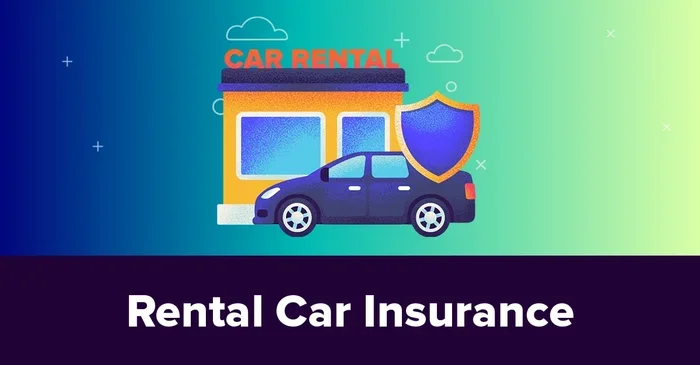
Most standard auto insurance policies do provide some rental car coverage, but it depends on your specific plan and the type of claim. Liability coverage, collision, and comprehensive coverage can all extend to a rental vehicle under certain conditions. Understanding your policy details before you rent can save you from surprise bills and coverage gaps.
You just got into a fender bender, or maybe your car is in the shop for a major repair. The next question that hits you is simple but stressful: does my auto insurance cover a rental car every time I need one? The short answer is sometimes, but the full picture is more complicated than most people think.
Your auto insurance policy is not a one-size-fits-all deal. Different coverage types kick in for different situations. Some policies cover rental cars generously. Others leave you paying out of pocket. Understanding how your specific policy works with a rental vehicle can save you hundreds of dollars and a lot of headaches.
In this article, we break down exactly how rental car coverage works. We look at what types of insurance apply, what the limits are, and what you can do to make sure you are protected. Whether you rent cars often for work or just need one after an accident, this guide covers what you need to know.
Key Takeaways
- Liability coverage often follows you to a rental car, but it may not cover damage to the rental itself.
- Collision and comprehensive coverage can extend to rental vehicles if your policy includes these protections.
- Rental reimbursement coverage is an add-on that pays for a substitute vehicle while yours is being repaired.
- Credit card rental car insurance often works as secondary coverage, not primary.
- Always check your policy limits and exclusions before picking up a rental car.
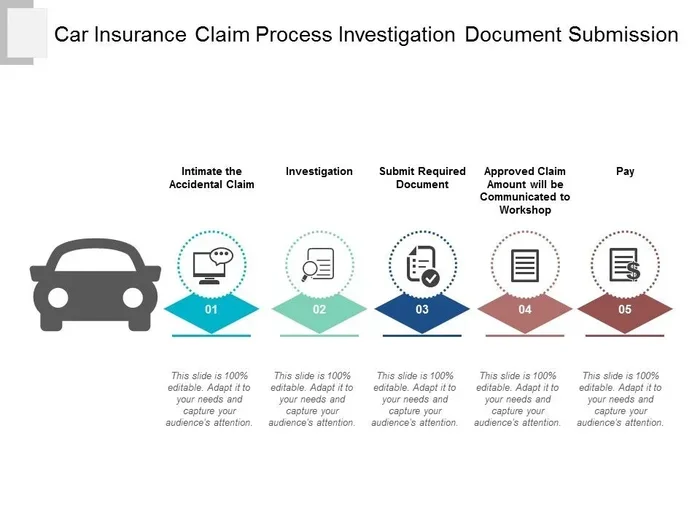
- Filing a claim for a rental car follows a different process than a standard auto claim.
- Not all rental situations are covered, especially if you are at fault or driving under restricted circumstances.
📑 Table of Contents
- How Auto Insurance Works with Rental Cars
- Types of Coverage That Apply to Rental Cars
- When Does Insurance Cover a Rental Car?
- What Happens When Your Insurance Does Not Cover the Rental
- Tips for Making Sure You Are Covered
- Common Mistakes Drivers Make With Rental Car Insurance
- Expert Insights on Rental Car Coverage
- Final Thoughts
How Auto Insurance Works with Rental Cars
Most drivers assume their car insurance automatically covers any vehicle they drive. That is not always true when it comes to rental cars. Your insurance follows the driver in most cases, but the coverage for the rental vehicle itself depends on several factors.
When you rent a car, the rental company will offer you insurance at the counter. These options can be expensive. Knowing what your own policy already covers helps you make a smart decision at the rental desk. You might already have protection you do not even know about.
Does Your Policy Follow You to a Rental Car?
In most states, your auto insurance policy extends to a rental vehicle. This means your liability coverage typically follows you. If you cause an accident while driving a rental, your liability insurance helps pay for the other driver’s damages.
However, there is a big catch. Your liability coverage does not pay for damage to the rental car itself. That is where collision and comprehensive coverage come in. If you carry these on your personal vehicle, they may extend to a rental. But every policy is different, and some exclude rental cars entirely.
It is also worth noting that driving a rental vehicle after an accident can sometimes trigger different claim processes. If your car is totaled and you rent a replacement, the claim handling changes compared to a simple fender bender.
Types of Coverage That Apply to Rental Cars
Understanding the different types of coverage is essential. Each type serves a different purpose and applies in different rental situations. Here is a closer look at the main types.
Liability Coverage
Liability coverage is the most basic form of auto insurance. It pays for damages you cause to other people or their property. When you rent a car, your liability coverage generally travels with you.
Most states require a minimum amount of liability coverage. However, these minimums are often not enough to cover a serious rental car accident. If you damage a luxury rental SUV, the costs can far exceed your policy limits. In that case, you may be responsible for the difference.
Collision and Comprehensive Coverage
Collision coverage pays for damage to your vehicle from an accident. Comprehensive coverage handles damage from non-accident events like theft, fire, or weather. When you rent a car, these coverages can sometimes apply to the rental vehicle as well.
But there are important limitations. Your collision coverage usually pays up to the actual cash value of your personal vehicle. A rental car might be newer and more expensive to repair or replace. This gap can leave you paying more than you expect.
Rental Reimbursement Coverage
Rental reimbursement is an optional add-on to your auto insurance policy. It pays for a rental car while your own vehicle is being repaired after a covered claim. This is different from coverage that applies when you rent a car on your own.
Rental reimbursement typically has a daily limit and a maximum total payout. For example, your policy might pay $30 per day for up to 30 days. This covers basic economy or compact rentals, not luxury vehicles. If you want a bigger car, you pay the difference yourself.
Uninsured and Underinsured Motorist Coverage
If you are hit by a driver who has no insurance or not enough coverage, uninsured motorist coverage helps. This coverage can sometimes apply to rental cars as well. It pays for your injuries and vehicle damage when the other driver is at fault but cannot pay.
When Does Insurance Cover a Rental Car?
Your insurance may cover a rental car in several situations. But it also may not cover you in others. Here are the most common scenarios where coverage applies or does not apply.
Covered Situations
Your auto insurance is most likely to cover a rental car in these situations:
- After an accident you did not cause. If another driver hits you, their insurance should cover your rental. Your own insurance may step in if their coverage is insufficient.
- During a covered claim repair. If your car is in the shop for a covered incident, rental reimbursement coverage helps pay for a substitute vehicle.
- When you carry full coverage. If your policy includes collision and comprehensive, these may extend to rental vehicles you drive.
Not Covered Situations
There are also situations where your insurance may not cover a rental car:
- You are at fault and have no collision coverage. If you caused the accident and do not carry collision, your insurance will not pay for the rental.
- You are driving under restricted conditions. For example, if you are driving a rental and your license is suspended, your coverage likely does not apply.
- You exceed your policy limits. If the rental car damage costs more than your coverage limit, you pay the remainder.
Some drivers wonder if they can rent a car while dealing with other issues on their record. For instance, if you have a DUI on your record, the rental car company may deny you service altogether. Even if they allow it, your insurance coverage may be limited or voided depending on your policy terms.
What Happens When Your Insurance Does Not Cover the Rental
Not having coverage for a rental car does not mean you are completely out of options. There are several alternatives you can explore. Each has its own pros and cons.
Credit Card Rental Car Insurance
Many credit cards offer rental car insurance as a perk. This sounds great, but there is a catch. Most credit card rental insurance works as secondary coverage. That means it only kicks in after your personal auto insurance has paid its share.
If your auto insurance does not cover the rental at all, your credit card coverage may step in. But read the fine print carefully. Some cards exclude certain types of vehicles or have geographic restrictions. Others require you to decline the rental company’s insurance to activate your card’s coverage.
Paying Out of Pocket
If neither your auto insurance nor your credit card covers the rental, you will need to pay. Rental costs can add up fast. A standard economy car might cost $30 to $50 per day. Larger vehicles or luxury rentals can easily exceed $100 per day.
Over a week, these costs can reach several hundred dollars. This is why understanding your coverage before you rent is so important. A few minutes of research can save you a lot of money.
Third-Party Rental Insurance
You can also purchase standalone rental car insurance from third-party providers. Companies like RentalCover and Allianz offer policies that cover damage and theft of rental vehicles. These plans are often cheaper than what the rental company charges at the counter.
Third-party insurance can be a smart option if your personal auto insurance does not extend to rentals. Just make sure the policy meets the rental company’s requirements. Some companies require specific coverage minimums before they will release the vehicle.
Tips for Making Sure You Are Covered
Being proactive about rental car coverage saves time and money. Here are practical steps you can take before you ever need a rental.
Review Your Policy Before You Rent
Call your insurance agent or log into your online account. Ask specifically about rental car coverage. Find out what types of coverage apply, what the limits are, and what exclusions exist. Write down the details so you have them at the rental counter.
Keep Your Insurance Card Handy
Always carry a copy of your insurance card when you rent a car. The rental company will ask for proof of insurance. Having it ready speeds up the process and avoids confusion. Some people also keep a photo of their card on their phone for easy access.
Decline Unnecessary Coverage at the Rental Counter
If your personal insurance already covers the rental, you do not need to buy the rental company’s coverage. This can save you $15 to $30 per day. However, make sure you understand exactly what your policy covers before you decline anything.
Document Everything
Take photos of the rental car before and after you drive it. Note any existing damage with the rental agent. This protects you from being charged for pre-existing damage when you return the vehicle. It also makes filing a claim much easier if something goes wrong.
Know Your State’s Requirements
Insurance laws vary by state. Some states require rental car coverage as part of standard policies. Others leave it up to the individual. Knowing your state’s rules helps you understand what to expect.
For example, if you live in a state where driving a car with certain restrictions affects your coverage, this could impact your rental situation. Always check local regulations and how they interact with your specific policy.
Common Mistakes Drivers Make With Rental Car Insurance
Many drivers make avoidable mistakes when it comes to rental car coverage. Here are the most common ones and how to prevent them.
Assuming Full Coverage Means Everything
The term “full coverage” is misleading. It typically means liability, collision, and comprehensive. But it does not always include rental car coverage. Many drivers assume they are fully protected when they are not. Always verify what your policy actually includes.
Not Reading the Rental Agreement
Rental agreements are long and full of fine print. But skipping them can be costly. The agreement outlines what insurance you need and what coverage you already have. Reading it takes a few minutes and can prevent surprise charges later.
Forgetting About Loss of Use Fees
When a rental car is damaged, the rental company charges a loss of use fee. This is the revenue they lose while the car is being repaired. Your insurance may not cover this fee. Be prepared for this potential additional cost.
Relying Only on Credit Card Coverage
Credit card rental insurance is convenient, but it is not always enough. It often does not cover loss of use fees or diminished value. If you rely solely on your credit card, you may face unexpected expenses after an accident.
Driving a Rental Without Checking Coverage
This is the biggest mistake of all. Never drive a rental car without first confirming your insurance coverage. A few phone calls to your agent can prevent a world of trouble later. It takes five minutes and could save you thousands of dollars.
Expert Insights on Rental Car Coverage
Insurance experts recommend taking a proactive approach to rental car coverage. According to industry professionals, the best strategy is a three-step process. First, understand your current policy’s rental car provisions. Second, consider adding rental reimbursement coverage if you do not have it. Third, always verify coverage before you rent.
Experts also emphasize the importance of reading the rental agreement carefully. Many drivers sign without understanding the insurance requirements. This can lead to gaps in coverage that are expensive to fix. Taking a few extra minutes at the counter can make a big difference.
Another expert tip is to keep records of all rental transactions. Save your rental agreement, payment receipts, and any correspondence with the rental company. If you ever need to file a claim, having organized records makes the process much smoother.
Finally, experts suggest comparing your personal auto policy against the rental company’s insurance options side by side. A simple comparison table can help you decide what to purchase and what to decline.
| Coverage Type | Personal Auto Insurance | Rental Company Insurance | Credit Card Coverage |
|---|---|---|---|
| Liability | Usually covered | Available for purchase | Not included |
| Collision (Rental Damage) | May be covered | Available for purchase | Secondary only |
| Loss of Use Fees | Rarely covered | May be included | Not covered |
| Rental Reimbursement | With add-on coverage | N/A | N/A |
| Third-Party Injuries | Usually covered | Available for purchase | Not included |
Keep in mind that coverage details vary widely between insurance companies and individual policies. What applies to one driver may not apply to another. Always confirm with your specific provider before making decisions at the rental counter.
Final Thoughts
So, does your auto insurance cover a rental car every time? The honest answer is: it depends. Your coverage type, policy limits, and the specific rental situation all play a role. The best thing you can do is understand your policy before you need it.
Taking a few simple steps now can save you significant stress and money later. Review your policy, talk to your agent, and keep your insurance information accessible. These small habits make a big difference when you find yourself behind the wheel of a rental car.
Remember, insurance is all about preparation. The more you know about your coverage, the better protected you are. Next time you need a rental car, you will walk up to the counter with confidence and clarity.
Frequently Asked Questions
Will my auto insurance cover a rental car if I am not at fault?
In most cases, yes. If another driver causes the accident, their insurance should cover your rental costs. Your own insurance may also provide rental reimbursement if you carry that coverage. Always confirm with your insurer before renting.
Does full coverage auto insurance include rental car coverage?
Not necessarily. Full coverage typically includes liability, collision, and comprehensive. Rental car coverage is often a separate add-on. Check your policy details to see if rental reimbursement is included.
Can I use my credit card for rental car insurance instead of my auto insurance?
Credit card rental insurance usually works as secondary coverage. It only applies after your auto insurance has paid its share. It also often excludes loss of use fees and diminished value. Do not rely on it as your only protection.
How much does rental car insurance cost through my auto insurer?
Rental reimbursement coverage typically costs a few dollars per month added to your premium. The exact cost depends on your insurer and the daily and total payout limits you choose. It is usually much cheaper than buying coverage at the rental counter.
What happens if I rent a car and do not have insurance coverage?
If you do not have any coverage, you will be personally responsible for all damages. This includes repair costs, loss of use fees, and any third-party injuries. The rental company may also charge your credit card for a security deposit that could take weeks to refund.
Can I drive a rental car if my license is suspended?
Most rental companies require a valid driver’s license. Driving with a suspended license may void your insurance coverage entirely. Even if the rental company allows it, your insurer may deny any claims related to the rental. Always ensure your license is valid before renting.
=== CONCLUSION ===
Understanding whether your auto insurance covers a rental car every time is essential for every driver. The coverage landscape is complex, with multiple factors determining what applies and when. Your policy type, state laws, and the specific rental situation all influence the outcome.
The best approach is simple: know your policy before you need it. Review your coverage, ask your insurer questions, and keep your insurance details accessible. A little preparation goes a long way toward avoiding unexpected costs and coverage gaps.
Whether you are renting after an accident or planning a road trip, being informed puts you in control. Take the time to understand your auto insurance policy today. It is one of the smartest investments you can make as a driver.